Keeping your Jeep’s Freedom Panels safe and scratch-free can be a challenge, especially if you love open-air drives and switch between roof-on and roof-off often.
These removable panels offer an easy way to enjoy the sun, but improper storage can lead to costly damage.
Let’s look at how to store Jeep Freedom Panels the right way, avoid mistakes that many owners make, and keep your panels looking new for years.
Why Proper Storage Matters
Jeep Freedom Panels are made of lightweight composite materials. They are sturdy, but not indestructible. Scratches, dents, and warping can happen if you toss them in the back seat or cargo area without protection. Replacing a damaged panel can cost anywhere from $500 to $1,000, depending on your model.
Also, poor storage can lead to water leaks when you reinstall them, which is one of the most common complaints among Jeep owners after roof removal. Protecting your panels is not just about appearance—it’s about your comfort and your wallet.
The Best Ways To Store Jeep Freedom Panels
There are several effective storage methods. Your choice depends on your budget, how much space you have, and how often you remove your panels.
1. Use The Factory Storage Bag
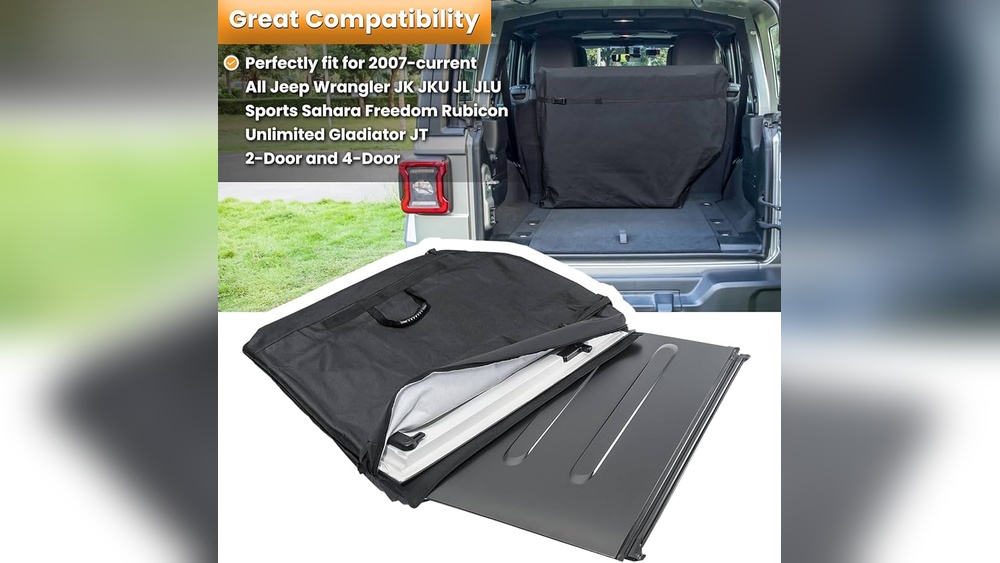
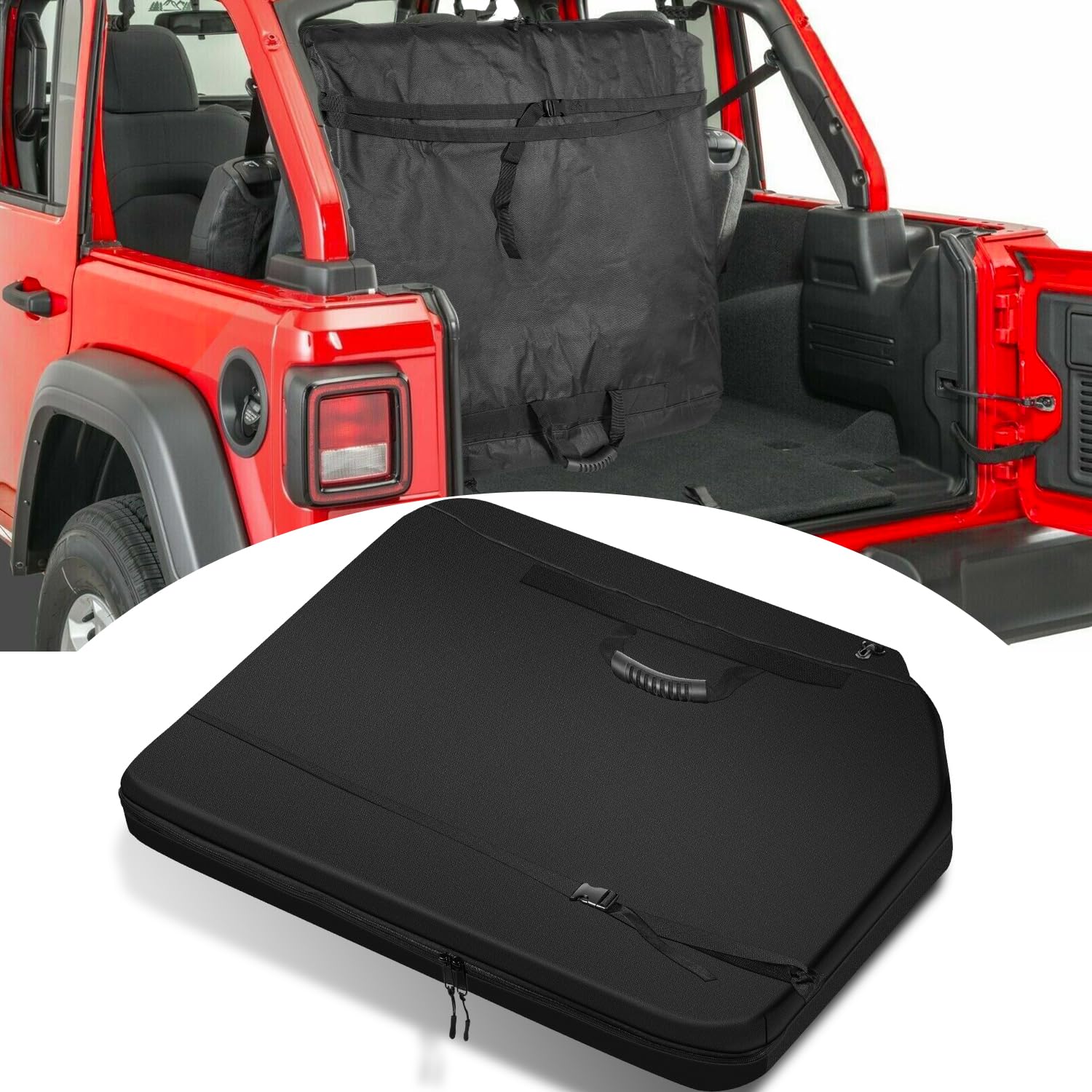
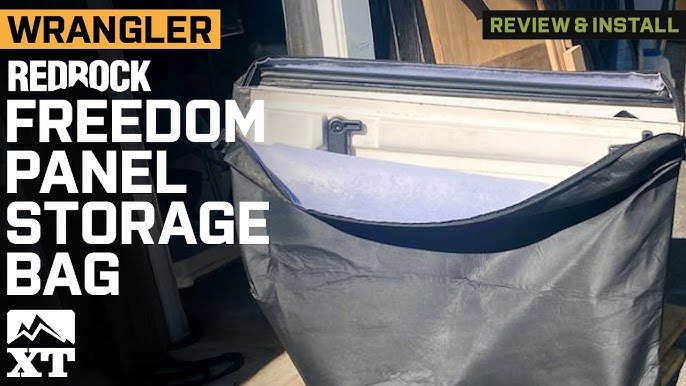
Most Jeep Wranglers come with a factory storage bag. This bag is designed specifically for Freedom Panels and fits them snugly.
- The bag has soft, padded dividers to prevent scratches.
- It usually comes with straps to secure the bag in the cargo area, reducing movement during driving.
Tip: Always use the padded side facing the painted surfaces. Many owners miss this detail and end up with fine scratches.
2. Aftermarket Storage Solutions
If you want better protection or more convenient options, aftermarket products offer more choices. Here’s a quick comparison:
| Storage Method | Protection Level | Cost Range | Space Needed |
|---|---|---|---|
| Padded Storage Bags | Good | $50–$120 | Low |
| Hard Cases | Excellent | $150–$300 | Medium |
| Wall Mounts/Racks | Very Good | $40–$200 | High (needs garage space) |
Hard cases are ideal for long trips or if you want to stack items on top. Wall mounts keep panels off the floor, saving valuable cargo space.
3. Diy Storage Options
You don’t have to buy expensive gear. Many Jeep owners use moving blankets or thick towels and a secure spot in the garage.
- Lay each panel on a flat surface with a soft layer underneath.
- Never place heavy objects on top.
- If you must transport them, wrap each panel separately and secure them to avoid sliding.
Non-obvious tip: Always store panels flat or nearly upright—not on their edges. This prevents warping, which can cause poor fitment and leaks.
Mistakes To Avoid
Even experienced Jeep owners make mistakes when storing Freedom Panels. Here are some common pitfalls:
- Stacking panels without padding: This can cause scratches and chips.
- Exposing panels to sunlight: Long-term UV exposure can fade the finish and weaken the material.
- Leaving panels unsecured in the vehicle: Sudden stops can send panels flying, risking cracks or shattered glass.
- Storing in damp areas: Excess humidity can damage seals and cause mold growth.
- Forgetting to clean before storage: Dirt or sand left on the surface can act like sandpaper when moved.
Where To Store Freedom Panels
Where you store your panels is almost as important as how you store them.
- In the Jeep: The factory bag with cargo straps is best for short trips. Avoid overstuffing the cargo area.
- At home: A climate-controlled garage or storage room is ideal. Keep panels away from windows and moisture.
- On the wall: Wall-mounted racks or hooks save space and keep panels safe from pets, kids, or tools.
Here’s a quick comparison of common storage locations:
| Location | Security | Protection | Convenience |
|---|---|---|---|
| Jeep Cargo | Medium | Good (with bag) | High |
| Garage Floor | Low | Fair | Medium |
| Wall Rack | High | Very Good | Medium |
| Storage Room | High | Excellent | Low |

How To Prepare Panels For Storage
A little prep work can extend the life of your Freedom Panels.
- Clean both sides with a soft, damp cloth to remove dust and grit.
- Dry the panels completely to prevent water spots or mildew.
- Inspect the seals for any damage or dirt. Replace worn seals or clean with mild soap and water.
- Apply a UV protectant if you plan long-term storage, especially in bright environments.
Insider tip: Mark the panels (L for left, R for right) on a piece of painter’s tape. It saves time during reinstallation and avoids confusion.
Real-world Example
Anna, a Jeep Wrangler owner from Texas, used to store her panels on their edges in a closet. After just one summer, she noticed warping and leaks during rain. She switched to a wall-mounted rack with padded hooks in her garage.
Her panels now fit perfectly, and she no longer worries about costly repairs. Simple changes can make a big difference.
Frequently Asked Questions
How Do I Transport Jeep Freedom Panels Safely?
Use the factory storage bag or a padded aftermarket case. Secure the bag with straps in your Jeep’s cargo area. Never place heavy items on top and avoid stacking other gear with the panels.
Can I Store Freedom Panels Outside?
It’s not recommended. Exposure to sunlight, rain, and temperature changes can cause fading, warping, and seal damage. Always store panels indoors or in a weather-protected place.
What If I Lost My Factory Storage Bag?
You can buy aftermarket bags, hard cases, or wall racks online or at auto shops. In the meantime, wrap panels in thick blankets and secure them in a safe, flat spot. For more options, check the official Jeep Accessories page.
How Do I Clean The Freedom Panels Before Storage?
Use a soft microfiber cloth and mild soap. Avoid harsh cleaners or abrasive sponges, as they can scratch the surface. Dry completely before storing.
Will Storing Panels Incorrectly Affect Warranty?
Damage from improper storage, like scratches or warping, is often not covered under warranty. Always follow Jeep’s recommended storage guidelines to protect your investment.
Caring for your Jeep’s Freedom Panels doesn’t have to be difficult. With a little planning, the right storage solution, and a few smart habits, you’ll keep your panels safe and ready for every adventure.