Shifting a Jeep Gladiator into 4WD can make the difference between getting stuck and making it home safely. For anyone exploring off-road trails, driving in snow, or traveling on slippery roads, understanding your Gladiator’s 4WD system is not just useful—it’s essential. But many new owners feel unsure about when and how to use 4WD. This guide will show you exactly how to shift a Jeep Gladiator into 4WD, with simple steps, expert tips, and practical insights that many drivers overlook.
Understanding The Jeep Gladiator’s 4wd System
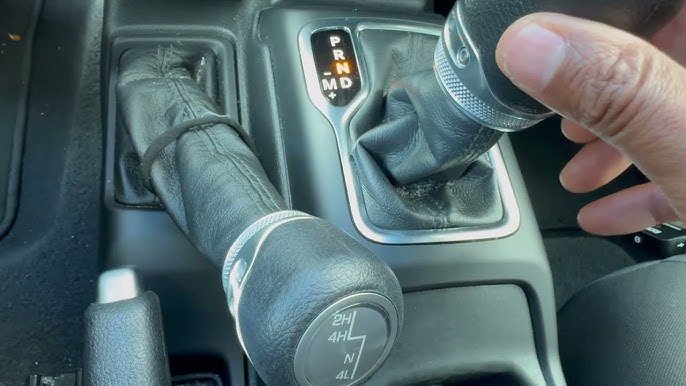
The Jeep Gladiator comes with a robust 4WD system, designed for both daily driving and serious off-roading. Most models use the Command-Trac or Rock-Trac transfer case, each offering different modes for various driving conditions.
| 4WD System | Available Modes | Best For |
|---|---|---|
| Command-Trac | 2H, 4H, N, 4L | General off-road, snow, sand |
| Rock-Trac | 2H, 4H, N, 4L | Heavy-duty off-road, rock crawling |
2H (Two-Wheel Drive High) is for normal driving on dry, paved roads. 4H (Four-Wheel Drive High) is for loose or slippery surfaces, like mud or snow. N (Neutral) disconnects the transmission from the wheels, mainly for towing. 4L (Four-Wheel Drive Low) is for steep hills, deep sand, or rock crawling.
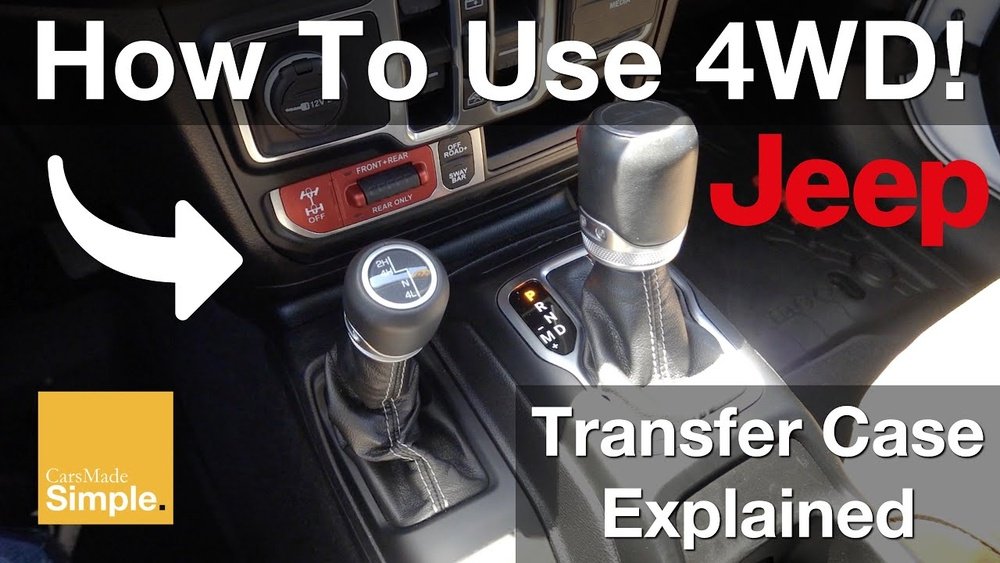
Knowing your transfer case type and the available modes is important using the wrong mode can cause damage or poor performance.
When Should You Use 4wd?
It’s not enough to know how to shift into 4WD; you need to understand when to use it. Engaging 4WD on dry pavement can cause drivetrain binding and increase tire wear. Save 4WD for:
- Slippery conditions: Snow, ice, mud, or wet grass
- Off-road trails: Sand, dirt, gravel, rocks
- Steep inclines/declines: Especially when carrying heavy loads
Never use 4WD on dry, hard pavement. It’s a common mistake that can lead to expensive repairs.
Preparing To Shift Into 4wd
Before you shift, it’s smart to prepare your vehicle. Here’s what to check:
- Vehicle speed: For most Jeep Gladiators, shifting from 2H to 4H can be done “on the fly” (while moving), but shifting into 4L requires the vehicle to be stopped or moving very slowly (1-3 mph).
- Tire pressure: Off-roading often requires lower tire pressure for better traction. On the road, keep tires at recommended PSI.
- Transmission position: When shifting into 4L, always put the transmission in Neutral.
Many drivers forget to check their speed or transmission position, leading to grinding noises or failed shifts. Double-check before you move the lever.
Step-by-step: How To Shift A Jeep Gladiator Into 4wd
Shifting your Gladiator into 4WD is straightforward, but the exact process depends on the mode you’re selecting.
Shifting From 2h To 4h (four-high)
- Keep your speed below 55 mph. Slower is better, especially on loose surfaces.
- Firmly grasp the 4WD lever (next to the gear shifter).
- Pull the lever straight back from 2H to 4H in one smooth motion. You do not need to stop or shift the transmission into Neutral.
- A “4WD” light appears on the dash, confirming the shift.
You can shift from 2H to 4H while driving, making it perfect for sudden changes in road conditions.
Shifting From 4h To 2h
- Release the accelerator and keep your speed steady.
- Push the 4WD lever forward from 4H to 2H.
- The indicator light will go off, confirming you’re back in two-wheel drive.
Shifting From 4h To 4l (four-low)
- Stop the Gladiator, or roll forward at 1–3 mph.
- Shift the transmission into Neutral (N).
- Pull the 4WD lever from 4H straight back, past Neutral (N), into 4L. You’ll feel more resistance; this is normal.
- The “4WD LOW” indicator light will appear on the dashboard.
- Return the transmission to Drive (D) or the desired gear.
Never shift into 4L at high speeds. This mode is only for very slow driving, like rock crawling or deep mud.
Shifting From 4l To 4h
- Bring the vehicle to a near stop (1–3 mph).
- Shift the transmission into Neutral.
- Push the 4WD lever forward from 4L, past Neutral, into 4H.
- Wait for the “4WD LOW” light to go off, confirming the shift.
Common Mistakes And How To Avoid Them
Even experienced drivers make errors with 4WD. Here’s what to watch out for:
- Shifting at high speed into 4L: This can damage the transfer case.
- Forgetting to shift the transmission into Neutral when moving to 4L or from 4L to 4H.
- Using 4WD on dry pavement: Causes binding and tire wear.
- Not checking indicator lights: Always confirm the shift on your dashboard.
If the shift lever feels stuck, gently roll the vehicle forward or backward while trying again. Forcing the lever can break internal parts.
Manual Vs. Automatic Transmission Differences
Both manual and automatic Gladiators use the same transfer case, but shifting feels different.
| Transmission Type | Key Steps for 4WD Shifting | Common Issues |
|---|---|---|
| Automatic | Shift lever, transmission in Neutral for 4L | Forgetting to shift to Neutral |
| Manual | Clutch in, transfer case lever moved, transmission in Neutral for 4L | Not pressing clutch fully |
With a manual, always press the clutch when changing modes. This ensures a smooth shift and prevents grinding.

Using 4wd In Different Conditions
Knowing when to use 4H or 4L makes a big difference in safety and control.
Snow And Ice
Use 4H for slippery, packed snow or icy roads. This provides extra traction without needing slow speeds.
Mud And Sand
Switch to 4H for most mud or loose sand. If you get stuck, stop and shift into 4L for more power at low speeds.
Rock Crawling
Always use 4L for climbing rocks or steep hills. The lower gear ratio gives you maximum torque and control.
Towing
If you need to tow your Gladiator, always place the transfer case in Neutral (N). Check your owner’s manual for detailed instructions.
Practical Tips For First-time 4wd Users
- Practice in a safe area: Try shifting modes in an empty parking lot or on a dirt road before you need it for real.
- Listen for clicks and lights: Your Gladiator will make a quiet “click” sound when the transfer case engages, and the dash light will confirm the mode.
- Avoid sharp turns in 4WD: Tight turns can cause drivetrain binding, especially on dry surfaces.
- Regular maintenance: Check transfer case fluid every 20,000–30,000 miles.
Many drivers don’t realize that occasionally using 4WD, even on gentle trails, helps keep the system lubricated and healthy.

Table: Typical 4wd Shifting Scenarios
Here’s a quick reference for when to use each mode:
| Scenario | Recommended Mode | Speed Range |
|---|---|---|
| Dry pavement | 2H | Any |
| Snow/ice | 4H | Up to 55 mph |
| Mud/sand | 4H/4L if stuck | Up to 30 mph/1-3 mph |
| Steep rocks | 4L | 1–3 mph |
What To Do If 4wd Won’t Engage
Sometimes, your Gladiator may not shift into 4WD as expected. Try these steps:
- Gently roll the vehicle: Move forward or backward slightly while trying to shift.
- Check for warning lights: If warning lights stay on, there may be a mechanical issue.
- Inspect the linkage: Dirt and debris can block the shift lever. Clean the area if needed.
- Consult your manual or dealer: Persistent problems may require professional help.
A common oversight is not engaging 4WD often enough. If the system sits unused for months, parts may stiffen or stick.
Maintaining Your 4wd System
Regular checks keep your Gladiator’s 4WD reliable:
- Transfer case fluid: Change as recommended (often 30,000 miles).
- Listen for noises: Grinding or whining can signal problems.
- Visual inspections: Look for leaks, rust, or damaged parts under the vehicle.
If you drive off-road often, check the 4WD system after each trip. Early detection of issues can prevent costly repairs.
Real-world Example: Shifting Into 4wd On A Trail
Imagine you’re driving your Jeep Gladiator up a muddy trail and the tires start to spin. Here’s what you’d do:
- Slow down, keeping your speed under 55 mph.
- Reach for the 4WD lever and pull it from 2H to 4H without stopping.
- Check the dash for the 4WD light.
- If you get stuck, stop the vehicle and shift to Neutral.
- Move the lever to 4L for maximum power.
- Continue up the trail with more control.
Practicing these steps in a safe area helps you react calmly in real situations.
Extra Insights Most People Miss
- 4WD isn’t all-wheel drive (AWD): 4WD is for challenging conditions and should be used only when needed. AWD is always active and adjusts automatically.
- Tire rotation matters: Uneven tire sizes or worn tires can cause binding in 4WD. Keep tires well maintained and evenly worn.
- Don’t forget the Neutral position: This mode is only for towing. Accidentally shifting into Neutral while driving leaves you with no power to the wheels.
Frequently Asked Questions
How Fast Can I Drive In 4h In My Jeep Gladiator?
You can safely drive up to 55 mph in 4H. However, always adjust your speed for road conditions. Going faster in 4H on slippery surfaces helps maintain control, but avoid using 4WD on dry roads.
Can I Shift Into 4wd While Driving?
Yes, you can shift from 2H to 4H “on the fly” at speeds up to 55 mph. To shift into 4L, you must be stopped or moving very slowly (1–3 mph) with the transmission in Neutral.
What Does It Mean If My 4wd Indicator Light Flashes?
A flashing light usually means the system is trying to engage or disengage. If it keeps flashing, stop and try shifting again. If the light stays on or you hear unusual noises, consult your dealer.
Is It Bad To Leave My Jeep Gladiator In 4wd All The Time?
Yes, using 4WD on dry pavement can cause drivetrain binding and tire wear. Only use 4WD when necessary: in slippery, loose, or off-road conditions.
Where Can I Find More Information About Jeep 4wd Systems?
For detailed technical information, see the official Jeep Wikipedia page or your owner’s manual.
Using your Jeep Gladiator’s 4WD system is simple once you understand the basics and practice the steps. With the right knowledge, you’ll drive with more confidence, whether you’re on a snowy street or a rocky trail. Take care of your 4WD system, use it wisely, and your Gladiator will handle almost any road—or no road at all.