Getting the most out of your 2022 Jeep Wrangler means knowing how to use its features, especially the four-wheel drive system. Many drivers buy a Jeep for its off-road power but aren’t sure how to shift into four-wheel drive safely or when it’s necessary.
If you’re new to four-wheel drive, or even if you’ve driven Jeeps for years, understanding the right process can prevent damage to your vehicle and keep you safe on the road or trail.
This guide will walk you through every detail about shifting your 2022 Jeep Wrangler into four-wheel drive, clarify common mistakes, and offer insights you might not find in your owner’s manual.
Understanding Your Jeep’s Four-wheel Drive System
The 2022 Jeep Wrangler comes with two main four-wheel drive systems: Command-Trac and Rock-Trac. Both are part-time systems, but they have some differences that affect how you engage them.
- Command-Trac: Found on most Sport and Sahara models. It’s best for general off-roading and snowy or slippery roads.
- Rock-Trac: Standard on Rubicon models. It’s designed for tougher trails and allows for low-speed crawling over rocks and obstacles.
Both systems use a transfer case that splits power between the front and rear wheels, but their gear ratios and capabilities differ. Before shifting, know which system your Jeep has. You can find this information in your owner’s manual or by checking the badges on your vehicle.
When To Use Four-wheel Drive
Knowing when to shift into four-wheel drive is just as important as knowing how. Here are common scenarios:
- Off-roading: Dirt, mud, rocks, and uneven ground all require extra traction.
- Snow or ice: Four-wheel drive helps maintain control in slippery conditions.
- Sand: Engaging 4H (four high) can prevent you from getting stuck.
- Steep hills: Provides more stability and power.
Avoid using four-wheel drive on dry pavement. These systems are not designed for high-traction surfaces, and using them improperly can damage the drivetrain.

The Four-wheel Drive Modes
Your Jeep Wrangler has several drive modes. Understanding these is key to using four-wheel drive correctly.
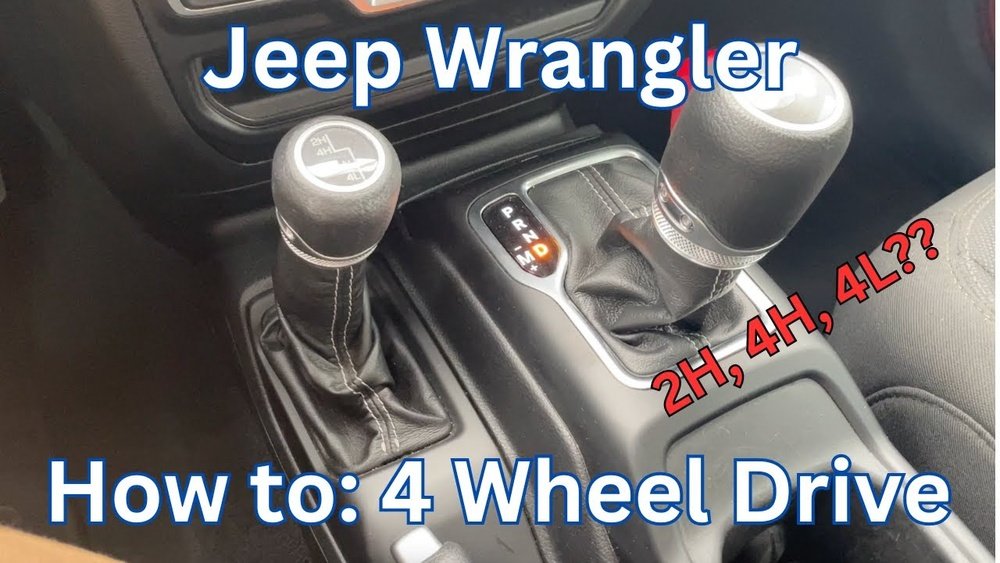
- 2H (Two High): For normal, everyday driving. Power goes to the rear wheels only.
- 4H (Four High): For light off-road, snow, and sand. Power is sent to all four wheels.
- N (Neutral): Disconnects the drivetrain. Used for towing.
- 4L (Four Low): For serious off-roading, steep hills, deep snow, or mud. Offers maximum torque at low speeds.
The transfer case lever (or electronic switch, on some models) lets you choose between these modes.
How To Shift Into 4h (four High)
Most shifting into 4H can be done while driving, but it’s important to follow these steps for a smooth transition:
- Drive at a low speed (below 55 mph). Slower is better—aim for under 25 mph if possible.
- Keep the transmission in neutral or drive (if automatic).
- Firmly pull the transfer case lever from 2H straight down to 4H. You may feel a slight resistance.
- Once shifted, you’ll see the 4WD indicator light on the dash. This confirms you’re in four-wheel drive.
If you have an electronic switch, just turn the dial to 4H while driving slowly. It’s normal to feel a slight clunk as the system engages.
How To Shift Into 4l (four Low)
4L is for tough situations only. Never shift into 4L at high speeds or on dry pavement.
- Bring your Jeep to a complete stop.
- Keep your foot on the brake.
- Shift the transmission into neutral.
- Firmly pull the transfer case lever from 4H to 4L in one smooth motion.
- Wait for the 4L indicator light to appear.
- Shift the transmission back into drive or first gear.
You may hear or feel a clunk as the gears engage. This is normal.
Example: Muddy Trail
If you’re driving on a muddy trail and start to lose traction, slow down, stop, and follow the steps above to shift into 4L. The low range will give you better control and power at slow speeds.
How To Return To 2h (two High)
Switching back to two-wheel drive is simple but must be done correctly to avoid damage.
- Slow down to below 55 mph.
- If you’re in 4L, come to a complete stop, shift to neutral, and move the lever to 4H first.
- While driving slowly, shift from 4H to 2H.
- Wait for the 2WD indicator to confirm the change.
If the lever feels stuck, keep gentle pressure and roll the Jeep forward or backward slightly. The system may need the gears to align.
Common Mistakes To Avoid
Even experienced drivers sometimes make these errors:
- Shifting at high speed: Never shift into 4L above 3 mph. Doing so can cause serious damage.
- Engaging on dry pavement: Four-wheel drive is for low-traction surfaces only.
- Forgetting to shift to neutral for 4L: The system won’t engage unless the transmission is in neutral.
- Not waiting for the indicator light: Always check the dashboard before driving off.
A less obvious mistake is forgetting to clean your undercarriage after off-roading. Mud can stick to transfer case components, making shifting harder over time.
Troubleshooting Four-wheel Drive Issues
Sometimes, the system may not shift as expected. Here’s what to check:
- Indicator light flashes, doesn’t stay on: Gears may not be fully engaged. Try rolling the Jeep forward or backward a bit.
- Lever won’t move: Apply steady pressure and shift the transmission to neutral. If stuck, don’t force it—see a mechanic.
- Grinding noise: This can mean gears aren’t aligned or there’s damage. Stop and inspect.
If you consistently have trouble, your transfer case linkage may need adjustment or lubrication. Regular maintenance prevents most issues.
Tips For Smooth Shifting
- Shift at low speeds (below 5 mph for 4L).
- Always come to a stop before shifting to or from 4L.
- Use gentle, firm motions—never yank the lever.
- Practice on a safe, open surface if you’re new to four-wheel drive.
A surprising tip: Operating the system every month (even if you don’t need it) keeps components moving smoothly and prevents seizing.
Comparing Command-trac Vs. Rock-trac
Here’s a quick comparison of the two main transfer cases:
| Feature | Command-Trac | Rock-Trac |
|---|---|---|
| Available On | Sport, Sahara | Rubicon |
| Low Range Ratio | 2.72:1 | 4.0:1 |
| Best Use | General off-road, snow | Rocks, extreme terrain |
| Axle Lock | No | Yes (front & rear) |
2022 Jeep Wrangler Four-wheel Drive At A Glance
Quick facts for easy reference:
| Mode | Speed to Shift | When to Use |
|---|---|---|
| 2H | Any speed | Normal driving |
| 4H | <55 mph | Snow, sand, light off-road |
| 4L | <3 mph, stopped | Deep mud, rocks, steep hills |
Extra Insights Most Beginners Miss
- Check tire pressure: Uneven or low tire pressure can affect how your four-wheel drive works. Always check before heading off-road.
- Practice before you need it: Try shifting between modes in a safe, empty parking lot. That way, you’re confident if you need four-wheel drive in an emergency.
- Use 4L for engine braking: On steep descents, 4L helps control speed without overusing your brakes.
Maintenance For Long-term Reliability
Your four-wheel drive system is tough but needs care:
- Inspect the transfer case fluid every 30,000 miles, or sooner if you off-road often.
- Grease the driveshafts as part of routine service.
- Wash after off-roading to remove mud and debris from the undercarriage.
Regular checks keep the system ready for action and prevent expensive repairs.
What To Do If You Get Stuck
If you’re stuck even with four-wheel drive engaged:
- Stop spinning the tires—this can dig you in deeper.
- Try rocking the Jeep gently forward and backward.
- Shift between 4H and 4L for more torque.
- If all else fails, use recovery gear like traction boards or a winch.
Remember, tire selection is as important as four-wheel drive. Consider all-terrain or mud-terrain tires for challenging conditions.

Four-wheel Drive And Fuel Economy
A common question: does using four-wheel drive use more gas? Yes—engaging all four wheels increases friction and weight, which lowers fuel efficiency. Use four-wheel drive only when necessary to save fuel.
| Mode | Approx. MPG |
|---|---|
| 2H | 20-22 mpg |
| 4H | 18-20 mpg |
| 4L | 15-17 mpg |
Safety Reminders
- Never shift into 4L at high speeds.
- Avoid sharp turns in four-wheel drive to prevent drivetrain binding.
- If you hear grinding or loud clunks, stop and check your system.
For more details, consult the official Jeep website.
Frequently Asked Questions
How Do I Know If My Four-wheel Drive Is Engaged?
Check the dashboard indicator lights. When you shift into 4H or 4L, a light should appear showing “4WD” or “4L.” If the light flashes but doesn’t stay on, the system isn’t fully engaged.
Can I Shift Into Four-wheel Drive While Moving?
Yes, you can shift from 2H to 4H at speeds up to 55 mph. For 4L, you must stop completely and shift the transmission into neutral before engaging.
What Happens If I Use Four-wheel Drive On Dry Pavement?
Using four-wheel drive on dry, high-traction surfaces can cause drivetrain binding. This puts stress on gears and can lead to expensive damage. Only use four-wheel drive when necessary.
Is It Normal To Hear Noises When Shifting?
A slight clunk or click is normal as the gears engage. Loud grinding, however, is not normal and should be checked by a mechanic.
Do I Need Special Tires For Four-wheel Drive?
While four-wheel drive helps with traction, all-terrain or mud-terrain tires offer better grip in tough conditions. Factory tires are usually fine for light off-roading, but upgrading can improve performance.
Using your 2022 Jeep Wrangler’s four-wheel drive system is simple once you understand the steps and why each one matters. With the right knowledge and a little practice, you’ll be ready for any adventure, from city snowstorms to mountain trails.
Remember, use four-wheel drive only when you need it, keep your system maintained, and you’ll get the most out of your Wrangler for years to come.