Lighting up your Jeep with Christmas lights is a fantastic way to share holiday cheer wherever you go.
Whether you're joining a festive parade, making your driveway sparkle, or simply want to stand out during the winter season, adding Christmas lights to your Jeep can be both fun and safe if you know how to do it right.
But there’s more to this project than just wrapping lights around your vehicle. You need to consider power sources, safety, weatherproofing, and even legal guidelines.
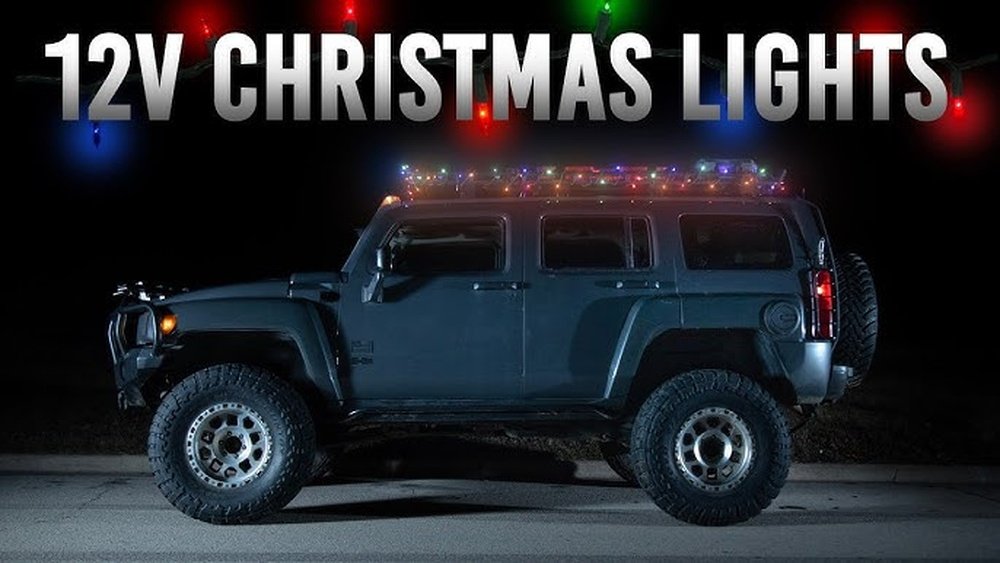
Done correctly, your Jeep can become a rolling celebration without any headaches.
This guide will walk you through every detail, from choosing the right lights to keeping everything secure and safe. You’ll find practical advice, clear steps, and tips only experienced Jeep owners know.
By the end, you’ll know exactly how to make your Jeep a true holiday highlight.
Why Decorate Your Jeep With Christmas Lights?
The main reason is simple—holiday spirit. Lighting up your Jeep brings smiles to faces, spreads joy, and makes ordinary winter nights special. For many, it’s a tradition that brings friends, family, and communities together. But there are other reasons, too:
- Parades and Events: Many local towns have Christmas parades where decorated vehicles are the stars.
- Personal Enjoyment: It’s fun to drive a festive Jeep, and it’s a creative way to show off your holiday style.
- Community Involvement: Some Jeep clubs organize “light runs” or charity events during the season.
However, it’s important to keep safety, legality, and your Jeep’s condition in mind. Let’s dive into what you need to know to do this project right.
Choosing The Right Christmas Lights
Not all lights are created equal, especially for outdoor and vehicle use. Here are the main options and how they compare:
| Type of Light | Pros | Cons | Best For |
|---|---|---|---|
| LED String Lights | Low power, durable, bright | May need weatherproofing | Exterior decorations |
| Battery-Operated Lights | No wiring, easy setup | Limited run time, less bright | Small accents |
| 12V Automotive Lights | Direct Jeep power, weatherproof | Costlier, needs installation | Permanent/long-term use |
| Solar-Powered Lights | Eco-friendly, no wiring | Needs sun, not for night events | Daytime displays |
Key Factors When Choosing Lights
- Weather Resistance: Outdoor-rated or waterproof lights are a must.
- Brightness: LED lights are usually brighter and use less power.
- Power Source: Decide if you’ll use your Jeep’s battery, a portable battery pack, or an external source.
- Length and Flexibility: Know how many feet you need, and choose flexible strings for easier wrapping.
Non-obvious tip: Avoid incandescent lights—they use more power, create heat, and can drain your battery much faster than you expect.
Powering Your Christmas Lights
Your power choice affects both safety and convenience. Here’s a quick comparison of ways to power your Jeep’s holiday lights:
| Power Source | Advantages | Disadvantages | Common Uses |
|---|---|---|---|
| Jeep’s 12V Battery (via inverter) | Reliable, can handle long strings | Risk of battery drain if engine is off | Long displays, parades |
| Portable Power Bank | No risk to Jeep battery, portable | Limited run time, not for large setups | Short-term, small displays |
| Battery Packs (AA/AAA) | Easy to swap batteries, safe | Frequent replacements, less power | Window/roof accents |
| Direct 12V Plug (cigarette lighter) | Simple, plug-and-play | Limited wattage, socket wear | Moderate displays |
How To Connect Safely
- Use a fuse: Always connect lights through a fuse to prevent electrical fires.
- Don’t overload: Add up the wattage of all your lights. Most Jeep accessory sockets can handle 120-180W (check your manual).
- Run your engine: If you’re using the Jeep battery for long periods, keep the engine running to avoid a dead battery.
Practical tip: Use an inverter only if your lights need household AC power. Many LED strings are available in 12V DC versions, which are safer and more efficient for vehicles.
Planning And Designing Your Display
Before you start attaching anything, plan your design. This saves time and prevents mistakes.
Steps For A Great Layout
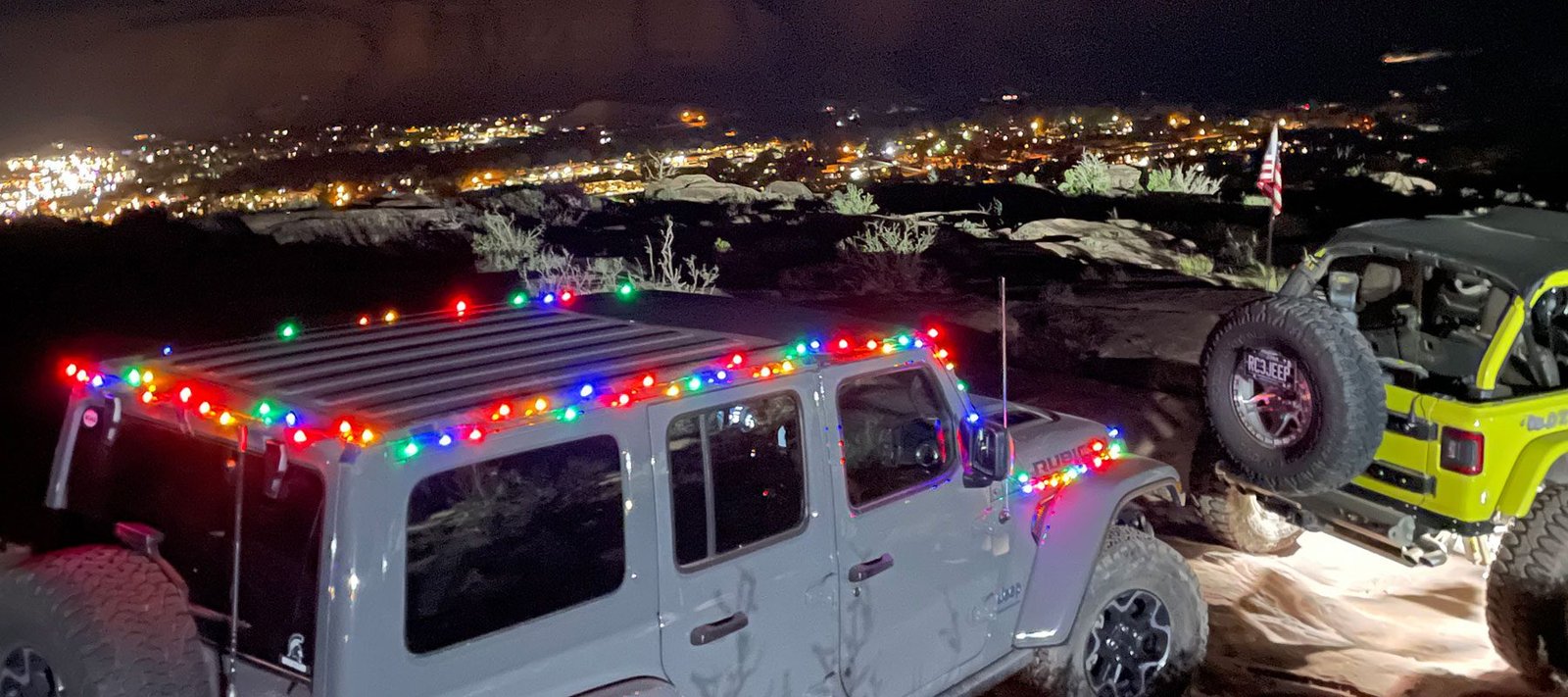
- Visualize where you want lights: Roof rack, bumpers, grille, wheels, or inside.
- Measure each area to know how many feet of lights you’ll need.
- Test your lights before installation to spot dead bulbs or problems.
- Sketch a simple map or take photos and draw on them to plan light paths.
Beginner insight: Avoid blocking headlights, taillights, or license plates. This is both a safety and legal issue.
Installation: How To Attach Lights To Your Jeep
Attaching lights securely is key—wind, rain, and movement can all knock them loose if you’re not careful. Here are safe and effective ways to mount lights:
Recommended Attachment Methods
- Zip ties: Fast, cheap, and strong. Great for roof racks, bumpers, and grilles.
- Magnetic hooks: Useful on steel surfaces like the roof, easy to remove.
- Clips: Specialized light clips are perfect for window edges or body trim.
- Velcro straps: Good for temporary setups or interior use.
Never use duct tape or adhesives that could damage your Jeep’s paint.
Step-by-step Installation
- Lay out your lights on the ground next to your Jeep.
- Start at the power source and work outward, attaching as you go.
- Secure every 1–2 feet to prevent sagging or flapping.
- Check for moving parts: Avoid placing lights where doors, hatches, or wipers will pinch them.
- Test each section as you go to catch issues early.
Pro tip: Leave a little slack in the wire at corners and stress points. This prevents breakage when you drive or open doors.
Weatherproofing And Safety
Holiday lights are not always made for road speeds or winter weather. Protect your setup with these tips:
- Use outdoor-rated extension cords and connectors.
- Seal connections with electrical tape or heat-shrink tubing.
- Keep plugs off the ground and away from puddles.
- Check for frayed wires before and after each use.
Safety For You And Others
- Never cover air intakes, exhausts, or sensors.
- Avoid using red or blue flashing lights—these can be mistaken for emergency vehicles and are illegal in many areas.
- Turn off lights while driving if they distract you or other drivers.
Unexpected risk: Even waterproof lights can fail in heavy salt or road spray. Carry a backup string and spare fuses just in case.
Legal Considerations
It’s fun to decorate, but laws about vehicle lighting vary. Here’s what you need to know:
- Most states ban red or blue lights facing forward.
- Do not cover your license plate or any required lights.
- Some parades or events have their own rules—check before you go.
- Flashing or strobe lights are usually not allowed for non-emergency vehicles.
For up-to-date laws, check your local DMV or visit NHTSA Vehicle Lighting.
Key advice: If you’re unsure, ask local law enforcement or event organizers. It’s better to check than risk a ticket.
Troubleshooting Common Problems
Even with good planning, things can go wrong. Here’s how to fix typical issues:
Lights Don’t Turn On
- Check your fuse—replace if blown.
- Test the power source—is your battery or inverter working?
- Try a different string—sometimes the fault is in the lights, not the wiring.
Flickering Or Dim Lights
- Loose connections are the most common cause.
- Low battery can also lead to dimming.
- Water intrusion can cause shorts—dry and reseal connections.
Lights Fall Off While Driving
- Add more zip ties or better clips.
- Avoid windy spots like the side mirrors or hood.
Non-obvious tip: Sometimes, light strings work fine in your driveway but fail on the road due to vibration. Test your setup with a short drive before the big event.
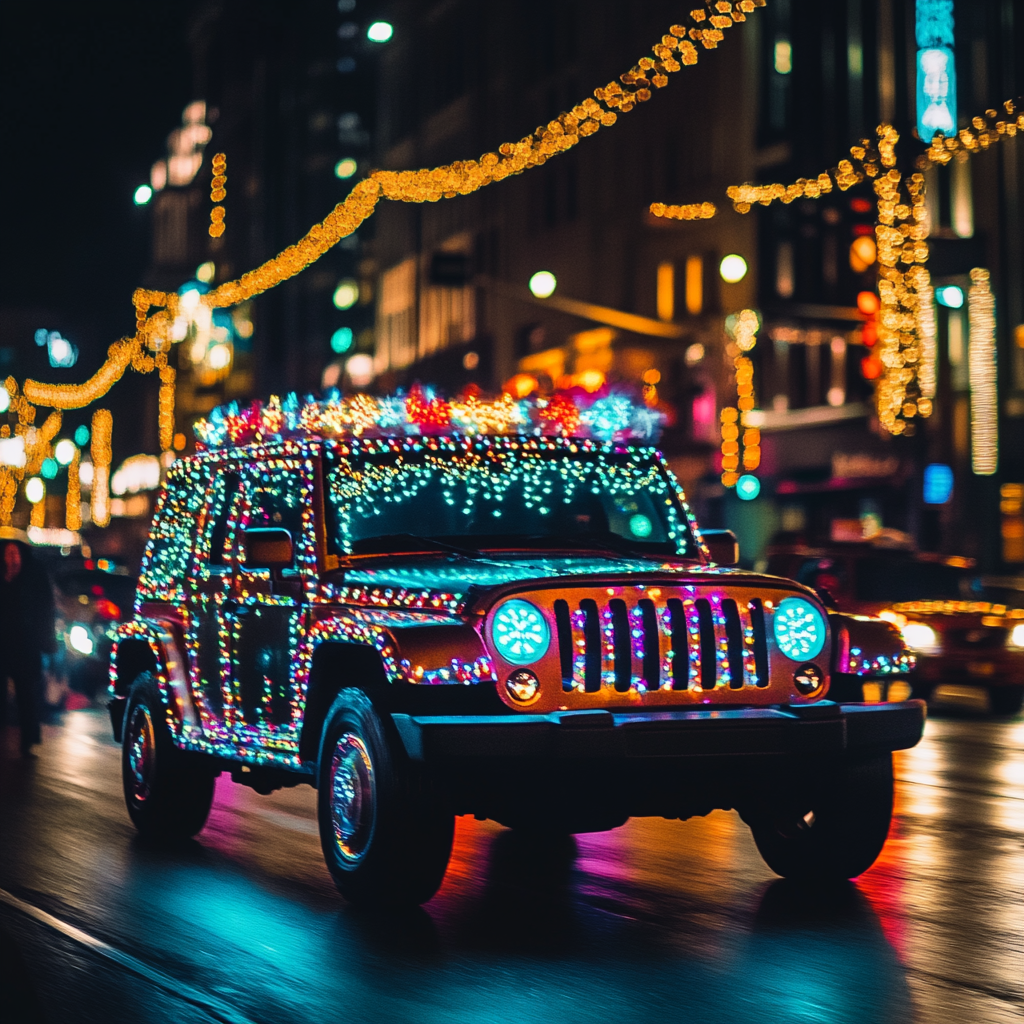
Creative Ideas For Extra Holiday Flair
Want your Jeep to really stand out? Try these ideas:
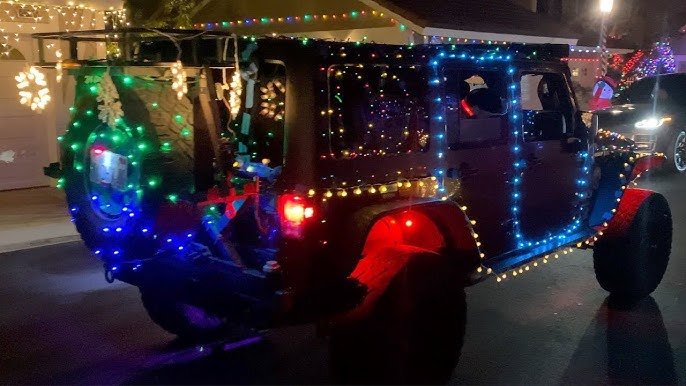
- Light-up wreaths on the grille or spare tire.
- Projector lights inside the cabin for a magical effect.
- RGB (color-changing) LED strips for custom animations.
- Sync lights to music with a sound-activated controller.
Just remember, the more complex the setup, the more planning and power you’ll need.
Maintenance And Removal
After the season, it’s important to remove lights correctly:
- Cut zip ties instead of pulling to avoid scratching paint.
- Wipe down surfaces to remove salt and dirt.
- Check for damage on both your Jeep and the lights.
- Store lights in a dry box for next year.
Bonus tip: A little silicone spray on rubber seals and paint helps protect against any minor scratches or marks from your setup.
Frequently Asked Questions
How Many Christmas Lights Can I Safely Run On My Jeep?
Most Jeep accessory outlets can handle up to 120 180 watts (check your manual). For example, 200 mini LED lights use about 15 20 watts.
Always check your total wattage and use a fuse for safety.
Will Christmas Lights Drain My Jeep’s Battery?
Yes, if you run lights for a long time without the engine on, the battery can drain. Use a portable battery pack for short-term displays, or keep the engine running for longer periods.
Are There Waterproof Christmas Lights For Vehicles?
Yes, many LED lights are rated IP65 or higher, meaning they can handle rain and snow. Always check the packaging and seal all connections for extra safety.
Is It Legal To Drive With Christmas Lights On My Jeep?
Laws vary by state. Avoid red or blue lights, and do not block headlights, taillights, or your license plate.
Check your local laws or ask police if you’re unsure.
What’s The Best Way To Attach Lights Without Damaging My Jeep?
Use zip ties, magnetic hooks, or plastic light clips. Avoid adhesives or duct tape, as these can damage paint or trim.
Decorating your Jeep with Christmas lights is more than just a fun holiday project it’s a way to share joy and creativity with your community.
With the right lights, a safe power plan, and careful installation, your Jeep can become a bright spot in the winter season.
Plan carefully, stay safe, and enjoy the festive ride!