All-wheel drive (AWD) vehicles offer better traction and stability, especially in difficult road conditions. But to keep your AWD system working smoothly, tire rotation is essential.
Rotating your tires helps ensure even wear, longer tire life, and better performance. Many drivers are unsure about how to rotate AWD tires correctly.
This guide will show you the proper steps, patterns, and best practices, so you can protect your investment and drive with confidence.
Why Tire Rotation Matters For Awd Vehicles
AWD systems distribute power to all wheels, so tire wear happens faster and more evenly across all tires. If one tire wears out faster, it can cause problems like uneven handling, higher fuel consumption, and even damage the AWD system. According to Tire Rack, mismatched tire sizes (even a few millimeters) can force AWD components to work harder, leading to expensive repairs.
For example, if the front tires wear out 20% faster than the rear tires, your AWD system may detect a difference in wheel speed. This can trigger warnings or cause the system to malfunction.
Regular rotation keeps all tires at similar tread depth and size, avoiding these problems.
Choosing The Right Tire Rotation Pattern
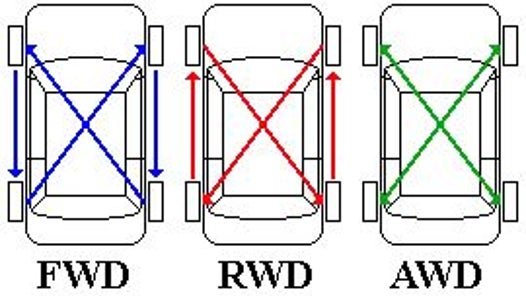
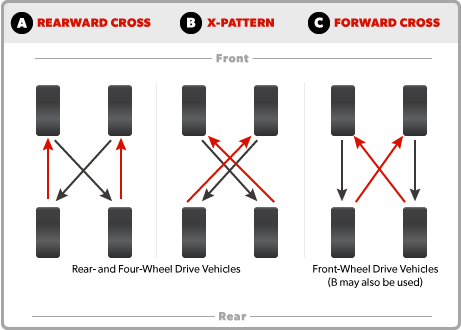
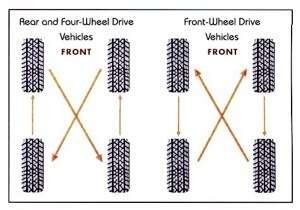
The best rotation pattern depends on your vehicle and tire type. For most AWD vehicles, the rearward cross pattern is recommended. This pattern helps distribute wear evenly and maintains the correct direction for tires with symmetrical tread.
Here’s how the rearward cross pattern works:
- Front tires move to the rear axle (same side).
- Rear tires move to the front axle, crossing sides (left rear goes to right front, right rear goes to left front).
Some AWD vehicles use directional tires (tires designed to roll in one direction only) or staggered setups (different sizes front and rear). For these, use the front-to-back pattern—swap front and rear tires without crossing sides.
Below is a comparison of rotation patterns:
| Pattern | Suitable For | How Tires Move |
|---|---|---|
| Rearward Cross | AWD, symmetrical tires | Front to rear, rear cross to front |
| Front-to-Back | Directional/staggered tires | Front to rear, rear to front (same side) |
| X-Pattern | AWD, non-directional tires | All tires cross sides |
Always check your owner’s manual for the recommended pattern, as some manufacturers specify unique patterns for their AWD models.
Step-by-step Guide: Rotating Awd Tires
Rotating your tires isn’t difficult, but you need to follow the right procedure to avoid mistakes. Here’s how to do it:
- Prepare your tools: You’ll need a jack, jack stands, lug wrench, and gloves.
- Park safely: Make sure your vehicle is on a flat surface and the parking brake is engaged.
- Loosen the lug nuts: Do this before lifting the vehicle, but don’t remove them yet.
- Lift and secure the vehicle: Use the jack to lift one corner at a time, then secure with jack stands.
- Remove the tires: Take off all four wheels.
- Follow the rotation pattern: Place each tire in its new position based on your chosen pattern.
- Reinstall the tires: Hand-tighten the lug nuts first.
- Lower the vehicle: Remove the jack stands and lower the car.
- Torque the lug nuts: Use a torque wrench to finish tightening the nuts to the manufacturer’s specification.
Here’s a simple table summarizing torque specifications for popular AWD vehicles:
| Vehicle | Torque Spec (ft-lb) |
|---|---|
| Subaru Outback | 89 |
| Honda CR-V AWD | 80 |
| Toyota RAV4 AWD | 76 |
Always double-check your owner’s manual for exact numbers.
How Often Should You Rotate Awd Tires?
Most experts recommend rotating AWD tires every 5,000–7,500 miles. This matches typical oil change intervals, making it easy to remember. If you drive mostly on rough roads, rotate more often—every 4,000 miles is ideal. Skipping rotations can lead to tread depth differences that put strain on the AWD system.
Some newer vehicles have tire rotation reminders built into their maintenance schedules. If you notice uneven wear, vibrations, or handling changes, check your tires sooner. It’s important not to wait until the tread is visibly worn down.
Common Mistakes To Avoid
Rotating AWD tires isn’t difficult, but many drivers make errors that can cause damage or reduce tire life. Here are the most common mistakes:
- Ignoring tire pressure: Check and adjust tire pressure after rotating. Incorrect pressure can cause uneven wear.
- Skipping balancing: If your tires are unbalanced, rotate and balance them together to prevent vibrations.
- Rotating only two tires: Always rotate all four tires on AWD vehicles. Rotating just two can cause tread depth mismatches.
- Not checking alignment: If you notice uneven wear, get a wheel alignment after rotation.
- Mixing tire brands or sizes: AWD systems work best with four matching tires. Mixing brands or sizes can cause damage.
A non-obvious insight: After rotation, always check for tire damage or embedded debris. Many people overlook this step, but it can prevent surprises later.
Practical Tips For Longer Tire Life
Rotating is just one part of tire care. Here are a few extra tips:
- Inspect tread depth regularly; replace tires if the tread is below 2/32 inch.
- Use a tire tread gauge for accurate readings.
- Keep your tires clean and free from oil or chemicals.
- If your AWD vehicle has a full-size spare, include it in your rotation pattern.
One more thing: If you notice sudden changes after rotation (like pulling to one side), double-check your work or consult a mechanic. Small errors can lead to big problems.
For deeper technical info, see Tire Rack.
Frequently Asked Questions
How Does Tire Rotation Affect Awd Systems?
Rotating tires keeps tread depths balanced, preventing stress on the AWD drivetrain. Uneven tires can cause the system to work harder, risking damage and higher repair costs.
What Happens If I Don’t Rotate Awd Tires?
Skipping rotation can lead to premature tire wear, reduced traction, and possibly AWD system failure. You may also experience uneven handling and increased fuel consumption.
Can I Rotate Tires Myself, Or Should I Visit A Shop?
You can rotate tires at home with the right tools and knowledge. However, a shop can check for balance, alignment, and hidden damage, which most DIY setups miss.
Should I Include The Spare Tire In Rotations?
If your AWD vehicle has a full-size matching spare, include it in the rotation. Temporary or compact spares should not be rotated with main tires.
What’s The Best Way To Check Tire Wear?
Use a tread depth gauge or the penny test. Place a penny in the tread with Lincoln’s head down; if you see all his head, the tread is too low and the tire needs replacing.
Rotating your AWD tires regularly is one of the best ways to protect your vehicle and stay safe on the road. With the right pattern, timing, and careful checks, you can maximize tire life and keep your AWD system running smoothly.