If you own a Jeep Wrangler JL, you know the thrill of off-road adventures and the importance of keeping your SUV in top shape. But nothing can ruin a drive faster than a warning light you don’t understand—especially the tire pressure light. This little symbol on your dashboard is more than just an annoyance. It’s a sign from your Jeep’s Tire Pressure Monitoring System (TPMS), alerting you that at least one tire is underinflated or there’s a possible issue with the sensors.
You’re not alone if you’re unsure how to reset the tire pressure light after you’ve checked or inflated your tires.
Many drivers, even experienced ones, find this process confusing, especially on the Jeep Wrangler JL, which uses advanced technology compared to older models.
Resetting the light is usually straightforward, but missing one small step can leave you scratching your head. This guide will walk you through the process, explain why the light appears, and offer tips to avoid common mistakes.
By the end, you’ll know exactly what to do the next time your tire pressure warning appears.
Why The Tire Pressure Light Comes On
The tire pressure light is part of the Jeep Wrangler JL’s safety features. It’s triggered when the TPMS detects that one or more tires are below the recommended pressure. Other reasons the light may stay on include a slow leak, a faulty TPMS sensor, or after a tire rotation or replacement.
Most Wranglers recommend a tire pressure between 35–37 PSI for standard tires, but this can change based on tire size and driving conditions. Off-roading, for example, often means lowering tire pressure for better traction. However, returning to regular roads without inflating your tires back up can keep the warning light on.
Understanding The Jeep Wrangler Jl Tpms
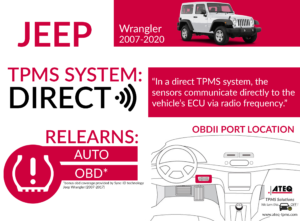
The TPMS on the Jeep Wrangler JL uses direct sensors inside each tire. These sensors constantly measure air pressure and send the data to the vehicle’s computer. If one or more tires drop 25% below the recommended PSI, the warning light appears.
Here’s a quick comparison between direct and indirect TPMS systems:
| Feature | Direct TPMS | Indirect TPMS |
|---|---|---|
| Sensors | Inside each tire | Uses ABS wheel speed sensors |
| Accuracy | High | Moderate |
| Common in Jeep Wrangler JL? | Yes | No |
Non-obvious tip: If you replace a tire or rotate them, the sensors can sometimes confuse the system, triggering the light even if all tires are properly inflated.
How To Check Tire Pressure Correctly
Before you reset the warning light, always check your tire pressure with a reliable digital gauge. The dashboard reading is helpful, but manual checking is more accurate. Here’s how to do it:
- Park on a flat surface and wait for the tires to cool down (at least 30 minutes after driving).
- Remove the valve cap and press the gauge firmly onto the stem.
- Read the pressure and compare it to the Jeep’s recommended PSI (found on the driver’s door jamb).
- Inflate or deflate as needed, then replace the cap.
Insider’s insight: Tire pressure can drop 1 PSI for every 10°F decrease in temperature. In cold weather, always check pressure before driving.
Step-by-step: How To Reset Tire Pressure Light On Jeep Wrangler Jl
If your tires are at the right PSI but the light stays on, follow these steps:
1. Drive To Activate The Tpms
Most Jeep Wrangler JLs reset the TPMS light automatically after all tires are correctly inflated. Drive at least 15 minutes above 15 mph (24 km/h). This allows the sensors to communicate with the computer and should clear the warning.
2. Double-check All Tires (including The Spare)
The spare tire on some Jeep Wranglers also has a TPMS sensor. If you forget the spare, the warning light may not reset.
Check and inflate the spare to the recommended PSI.
If driving doesn’t work, try this:
- Turn the ignition to “ON” (do not start the engine).
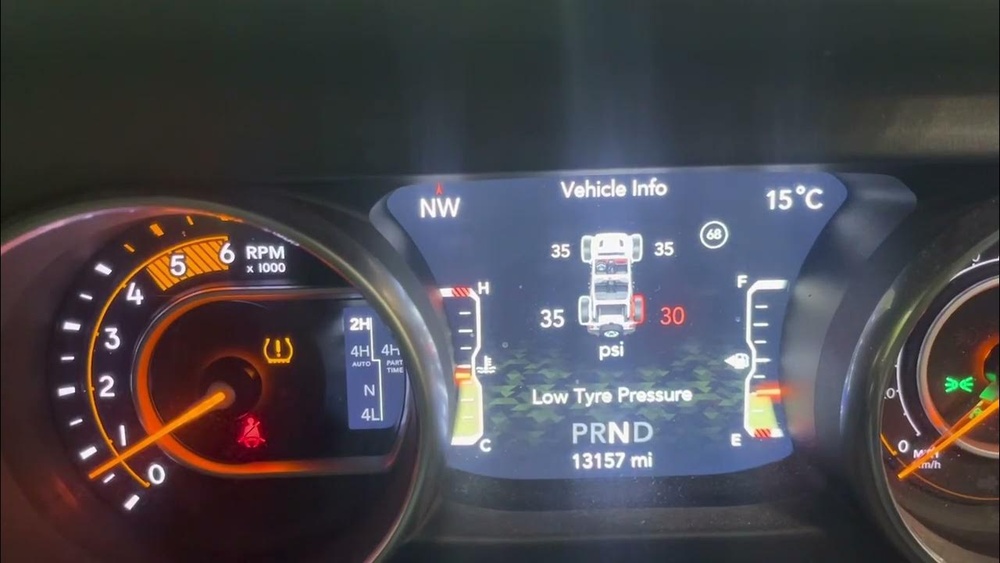
- Use the steering wheel buttons to navigate to the Vehicle Info menu.
- Scroll to Tire Pressure. See if any tire is still showing as low. If yes, recheck that tire.
- If all are normal, turn the ignition off, then restart the car.
4. Disconnect The Battery (last Resort)
If the light remains after all steps, you can try a battery reset. This clears the vehicle’s computer memory.
- Turn off the engine.
- Disconnect the negative terminal of the battery for about 10 minutes.
- Reconnect, start the vehicle, and check the light.
Warning: This will reset your radio presets and possibly other settings. Use this only if other methods fail.
When The Light Won’t Go Away
Sometimes, even after following all steps, the tire pressure light stays on. Here’s what could be wrong:
- TPMS sensor failure: Sensors have batteries that last 5–10 years. If one fails, the system can’t get a reading.
- Faulty wiring or receiver: In rare cases, the issue is with the vehicle’s electronics.
- Aftermarket wheels/tires: Not all aftermarket parts support Jeep’s TPMS sensors.
If you suspect a sensor problem, most tire shops can scan your TPMS sensors and tell you which one isn’t working. Replacing a sensor usually fixes the issue.
Common Mistakes To Avoid
Many drivers make these errors when trying to reset their Jeep Wrangler JL tire pressure light:
- Ignoring the spare tire: Some JL models monitor all five tires.
- Resetting before correcting pressure: You must inflate or deflate tires to the right PSI first.
- Not waiting long enough: It can take up to 20 minutes of driving for the system to reset.
- Assuming all tires lose pressure equally: A nail or small puncture can cause one tire to drop faster.
- Using old or inaccurate gauges: Inexpensive gauges can be off by several PSI.
Tpms And Tire Pressure Data: What’s Normal?
To help you check your numbers, here’s a quick data table for the Jeep Wrangler JL:
| Tire Position | Recommended PSI | Low Pressure Warning PSI |
|---|---|---|
| Front Left | 36 | 27 |
| Front Right | 36 | 27 |
| Rear Left | 36 | 27 |
| Rear Right | 36 | 27 |
| Spare | 36 | 27 |
Note: Values may change for aftermarket tires or when off-roading.
When To Visit A Mechanic
If you’ve checked all your tires, reset the light, and it still won’t go away, it’s time for professional help. Persistent TPMS warnings can mean:
- A failing sensor battery
- Damaged sensor from tire changes
- Electrical issues
A mechanic or dealership can run a TPMS diagnostic. Don’t ignore the light for too long; driving with low tire pressure is dangerous.

Real-life Example: Resetting After Off-roading
Many Jeep Wrangler JL owners love to air down their tires for better grip on trails. But after the adventure, reinflating the tires and resetting the TPMS is often overlooked. Here’s a quick story:
After a weekend in Moab, a Jeep owner reinflated his tires to 36 PSI, but the warning light stayed on. He drove for 10 minutes no change.
Only after checking the spare did he notice it was at 20 PSI. Once he inflated the spare, the light turned off after a short drive.
This common scenario highlights how easy it is to miss the spare tire.
Tips For Keeping The Tpms Light Off
- Check tire pressure monthly: Use a quality gauge.
- Inspect tires before long trips or off-roading.
- Avoid mixing tire types: Different tires can confuse sensors.
- Replace TPMS sensors every 5–7 years: Before the battery dies.
- Learn to read your dashboard menu: It often shows which tire is low.
How Tire Pressure Affects Safety And Performance
Maintaining the correct tire pressure isn’t just about turning off a warning light. It directly impacts:
- Fuel efficiency: Underinflated tires lower gas mileage by up to 3%.
- Tire lifespan: Low pressure can cut tire life by 25% or more.
- Handling and braking: Improper pressure makes your Jeep less stable, especially in emergencies.
According to the National Highway Traffic Safety Administration (NHTSA), nearly 1 in 4 vehicles on the road has at least one underinflated tire. Proper TPMS use can prevent accidents and save money on repairs.
Upgrading Or Replacing Tpms Sensors
If you need new sensors, always choose quality, compatible parts. Not all aftermarket sensors work with the Jeep Wrangler JL’s system. Here’s a quick comparison of sensor types:
| Sensor Type | Pros | Cons |
|---|---|---|
| OEM (Original Equipment) | Guaranteed fit, reliable | Higher cost |
| Aftermarket (Brand-name) | Good compatibility, lower price | Some brands may need programming |
| Universal Sensors | Fits many vehicles, affordable | May need special tools to program |
When in doubt, ask a tire professional or check Jeep forums for recommendations.

Why Does My Tire Pressure Light Stay On Even After Inflating The Tires?
This can happen if one tire is still below the recommended PSI or if the spare tire is low (on some Jeep Wrangler JLs). Also, a faulty TPMS sensor can keep the light on.
Can I Reset The Tire Pressure Light Without Driving?
Usually, the Jeep Wrangler JL requires at least a short drive for the TPMS to update. Simply inflating the tires is not always enough the sensors need motion to communicate with the system.
Will A Faulty Tpms Sensor Affect My Jeep’s Performance?
No, but it can put you at risk because you might not notice a dangerously low tire. It’s best to replace faulty sensors as soon as possible.
Is It Safe To Ignore The Tire Pressure Light?
No. Ignoring the light can lead to a flat tire, poor fuel economy, or even a blowout.
Always check and correct your tire pressure right away.
Where Can I Find More Information About Tpms Systems?
You can read more at the National Highway Traffic Safety Administration (NHTSA) for in-depth safety data and tips.
Keeping your Jeep Wrangler JL in top shape means understanding small details like the tire pressure warning light. With the right steps, you’ll reset the light quickly and drive with confidence—whether on city streets or rocky trails. Regular checks and a little knowledge go a long way to keep you safe and your Jeep performing its best.