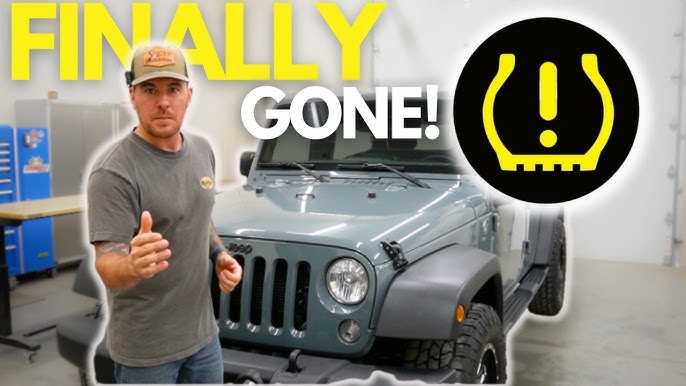
If you drive a 2016 Jeep Wrangler, you might notice the tire pressure warning light on your dashboard from time to time. This small light, shaped like a cut tire with an exclamation point, tells you that at least one tire has low air pressure. While it’s a helpful feature, it can be annoying if it stays on after you’ve already added air. Learning how to reset this light can save you a trip to the mechanic and give you peace of mind on the road. Let’s explore the steps to reset the tire pressure light, understand why it comes on, and what you should do if it won’t turn off.
Why The Tire Pressure Light Turns On
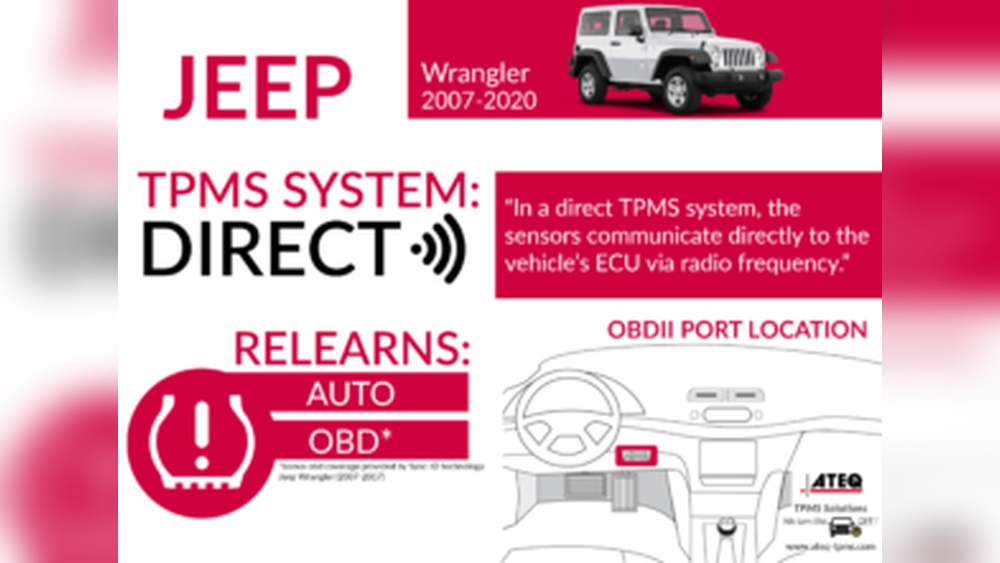
The Tire Pressure Monitoring System (TPMS) in your Jeep Wrangler keeps track of the air pressure in all four tires. When one or more tires drop below the recommended pressure, the system triggers the warning light. This can happen for several reasons:
- Temperature changes: Cold weather lowers tire pressure.
- Small leaks: Nails or sharp objects can puncture tires slowly.
- Faulty sensors: Sometimes, the sensor itself malfunctions.
- Recent tire rotation or replacement: The system may need to recognize the changed position or a new sensor.
Knowing the cause helps you fix the real problem, not just the warning light.
Checking And Adjusting Tire Pressure
Before you try to reset the light, make sure the tires are actually at the right pressure. For the 2016 Jeep Wrangler, the recommended tire pressure is usually 35 PSI (pounds per square inch), but always check your owner’s manual or the sticker inside the driver’s door for your model.
Steps to check and fill your tires:
- Park your Jeep on a level surface and let the tires cool for at least 30 minutes.
- Remove the valve cap from one tire.
- Use a reliable tire pressure gauge to check the pressure.
- If it’s low, add air in small bursts and recheck.
- Replace the valve cap.
- Repeat for all four tires (and the spare if your Jeep has a TPMS sensor in it).
Tip: Overfilling can also trigger the light, so don’t exceed the recommended PSI.
How To Reset Tire Pressure Light On A 2016 Jeep Wrangler
Once all tires are at the correct pressure, the TPMS light should turn off after a short drive. If it stays on, here are the most effective ways to reset it:
1. Drive For 10-20 Minutes
After inflating the tires, drive your Jeep at over 15 mph for about 10 minutes. The sensors often need this time to recalibrate and recognize the correct pressure.
Some 2016 Jeep Wranglers have a TPMS reset button under the steering wheel. If your vehicle has this button:
- Turn the ignition to the “ON” position, but do not start the engine.
- Find the TPMS reset button (check the owner’s manual for exact location).
- Press and hold the button until the tire pressure light blinks three times, then release.
- Start the engine and wait 20 minutes to allow the sensor to refresh.
3. Disconnect The Battery
If the above steps don’t work, you can reset the system by disconnecting the battery:
- Turn off the engine.
- Open the hood and use a wrench to remove the negative battery cable.
- Wait 10-15 minutes.
- Reattach the cable and tighten it.
- Start the Jeep and check if the light has gone off.
Caution: This method can reset other electronic systems, so use it only if necessary.
4. Use A Tpms Relearn Tool
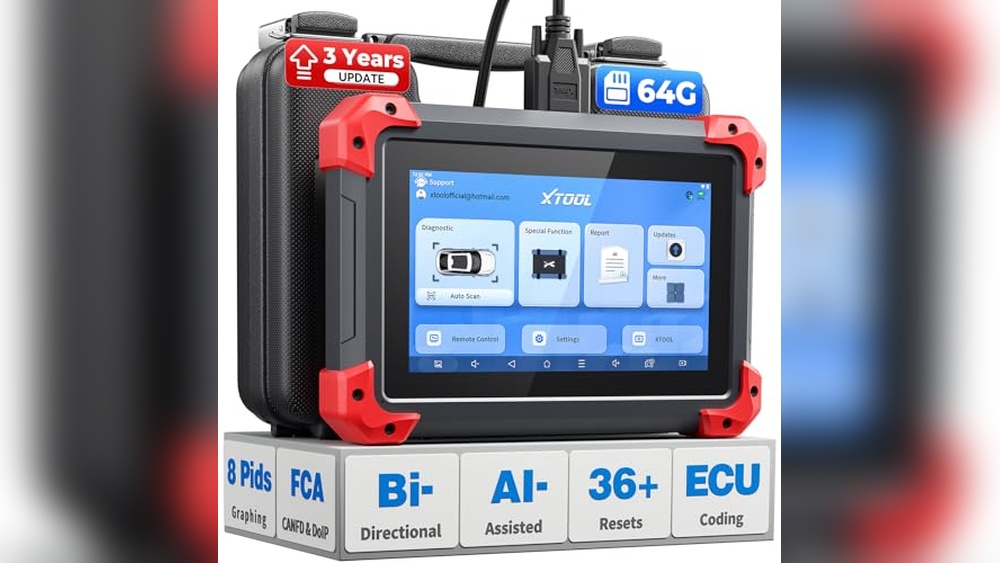
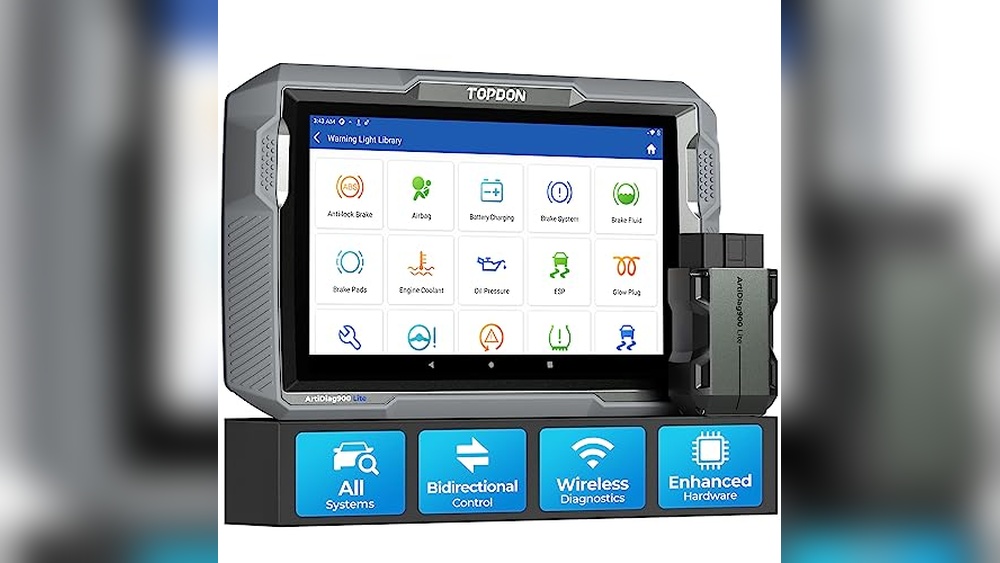
A TPMS relearn tool is a small electronic device that communicates with your tire sensors. It helps the system recognize the sensors’ positions after tire rotations or replacements. You can buy one online or at an auto parts store. Follow the tool’s instructions for your Jeep Wrangler.
What If The Light Stays On?
Sometimes, the tire pressure light stays on even after you’ve checked and filled your tires. Here’s what you should do:
- Double-check all tires, including the spare, for correct pressure.
- Look for visible damage like nails, cracks, or bulges.
- Visit a professional to check for a faulty TPMS sensor. These sensors have batteries that can wear out after 5-7 years.
- Don’t ignore the warning light. Driving with underinflated tires can cause poor handling, lower fuel economy, and even blowouts.
Common Mistakes When Resetting The Light
Many Jeep owners make small errors when trying to reset the TPMS light. Here are some mistakes to avoid:
- Not checking the spare tire (some models have a sensor in the spare).
- Ignoring weather changes. Cold mornings can trigger the light even if there are no leaks.
- Overinflating or underinflating tires, which confuses the sensors.
- Forgetting to reset the system after a tire rotation or new tires.
Comparing Tire Pressure Tools
Choosing the right tool makes a big difference in keeping your tires at the correct pressure. Here’s a comparison of common options:
| Tool Type | Accuracy | Ease of Use | Price Range |
|---|---|---|---|
| Analog Gauge | Moderate | Simple | $5 – $15 |
| Digital Gauge | High | Very Easy | $10 – $30 |
| TPMS Relearn Tool | High | Requires Learning | $20 – $100 |
Digital gauges are more precise and easier for beginners. A TPMS tool is useful if you do your own tire maintenance.
Understanding Tpms Sensor Lifespan
The TPMS sensors in your 2016 Jeep Wrangler are built to last, but not forever. Most sensors have a battery life of 5 to 10 years. If your Wrangler is from 2016, your sensors could be close to end of life. Signs of failure include:
- The TPMS light stays on even after resetting.
- You receive a dashboard message like “Service Tire Pressure Monitoring System.”
- One sensor never reports correct pressure.
When this happens, you’ll need to replace the faulty sensor. A mechanic can do this, or you can buy replacement sensors and install them yourself if you’re comfortable working on your vehicle.
What Else Can Cause Tire Pressure Loss?
Sometimes, resetting the light is only a temporary fix. If you keep losing tire pressure, these are common causes:
- Valve stem leaks: The small rubber or metal piece where you add air can crack or corrode.
- Bead leaks: Where the tire meets the rim, debris or corrosion can let air escape.
- Small punctures: Nails, screws, or sharp rocks can cause slow leaks.
- Temperature swings: A drop of 10°F can reduce tire pressure by 1 PSI.
If you can’t find the leak, spray soapy water around the valve and bead. Bubbles will show where air escapes.

When To Seek Professional Help
If you have tried all the steps above and the light won’t go off, or if you notice tire damage, it’s time to visit a tire shop or Jeep dealership. They have advanced diagnostic tools that can:
- Test each sensor’s signal
- Check your Jeep’s computer system for errors
- Replace faulty sensors or repair leaks
Driving with the TPMS light on is risky. Underinflated tires can cause accidents or leave you stranded.
Cost Of Fixing Tpms Issues
How much you pay depends on the problem:
- Filling tires with air: Usually free or a few dollars at a gas station.
- New TPMS sensor: $50 to $120 per sensor, plus installation.
- Professional reset or scan: $25 to $50.
- Full system repair: Can be $100 to $300, depending on labor and parts.
Most Jeep owners only need a simple reset, but it’s good to know potential costs.
Tips For Preventing Tpms Light Issues
Here’s how you can avoid seeing the warning light as often:
- Check tire pressure monthly, especially when seasons change.
- Inspect tires for nails, cracks, or wear.
- Replace valve caps to keep out dirt and moisture.
- Rotate tires every 5,000 to 7,000 miles.
- Keep a portable air compressor and gauge in your Jeep.
A little prevention can save you time and stress.
Comparing 2016 Jeep Wrangler Tire Pressure Vs. Other Models
How does the 2016 Wrangler compare to other years or models? See the differences below:
| Jeep Model | Recommended Tire Pressure (PSI) | TPMS Standard |
|---|---|---|
| 2016 Wrangler | 35 | Yes |
| 2014 Wrangler | 35 | Yes |
| 2016 Grand Cherokee | 33 | Yes |
| 2016 Cherokee | 36 | Yes |
The 2016 Wrangler matches its predecessors, but other Jeep models may have different PSI needs.
Non-obvious Insights For Owners
Many drivers miss these details:
- The spare tire can trigger the TPMS light. If your Jeep’s spare has a sensor, check its pressure.
- After a tire rotation, the system may need extra time (or a relearn tool) to update the sensor positions. Don’t panic if the light stays on for a day or two after service.
Useful Resources
For more about tire pressure systems, visit the National Highway Traffic Safety Administration.
Why Does The Tire Pressure Light Come On In Cold Weather?
Cold air makes tire pressure drop. For every 10°F drop in temperature, your tires lose about 1 PSI.
That’s enough to trigger the TPMS light, especially in the morning.
Can I Drive With The Tire Pressure Light On?
You can drive for a short distance, but it’s risky. Low tire pressure affects handling and can cause blowouts.
Always check your tires as soon as possible.
Do I Need To Reset The Tpms After Changing Tires?
Yes. After tire rotations or installing new tires, the system may need to relearn the sensor locations.
Use a TPMS tool or drive for several miles to let the system adjust.
How Long Do Tpms Sensors Last In A 2016 Jeep Wrangler?
Most sensors last 5 to 10 years. If your Jeep is from 2016, the sensors may be nearing the end of their life. Replacement is needed if the light stays on.
Is There A Way To Disable The Tpms Light?
Disabling the TPMS system is not recommended and is illegal in many places. The system is for your safety.
Always fix the underlying tire pressure issue instead.
Keeping your 2016 Jeep Wrangler’s tire pressure light off is about more than just comfort it’s about safety and performance. With the right steps and tools, you can handle most issues yourself and keep your Jeep running smoothly wherever the road takes you.