If you drive a 2016 Jeep Patriot, you may have noticed the tire pressure light turning on at unexpected times. This light is part of your car’s Tire Pressure Monitoring System (TPMS). It warns you when one or more tires are underinflated, which can affect your safety and fuel efficiency. Many drivers feel confused or worried when this light stays on, even after inflating their tires. Understanding how to reset the tire pressure light can save you time, money, and trouble. In this guide, you’ll learn the simple steps to reset the tire pressure light on a 2016 Jeep Patriot, why it matters, and helpful tips that most beginners overlook.
Why The Tire Pressure Light Comes On
The tire pressure light is not just a reminder—it’s a safety alert. If your tire pressure drops below the recommended level, your tires can wear out faster, your car may handle poorly, and your gas mileage can decrease. The TPMS sensors inside each tire monitor air pressure. If any sensor detects low pressure, the warning light glows on your dashboard.
It’s important to know that the light can also turn on due to:
- Rapid temperature changes
- Faulty TPMS sensor
- After tire rotation or replacement
You should not ignore this light. Driving with low tire pressure increases the risk of a blowout or accident.
Checking Tire Pressure Correctly
Before resetting the light, always check your tire pressure. For the 2016 Jeep Patriot, the recommended tire pressure is usually 32 PSI (pounds per square inch) for all four tires, but always check the sticker inside the driver’s door for your specific model.
To check tire pressure:
- Use a reliable tire pressure gauge.
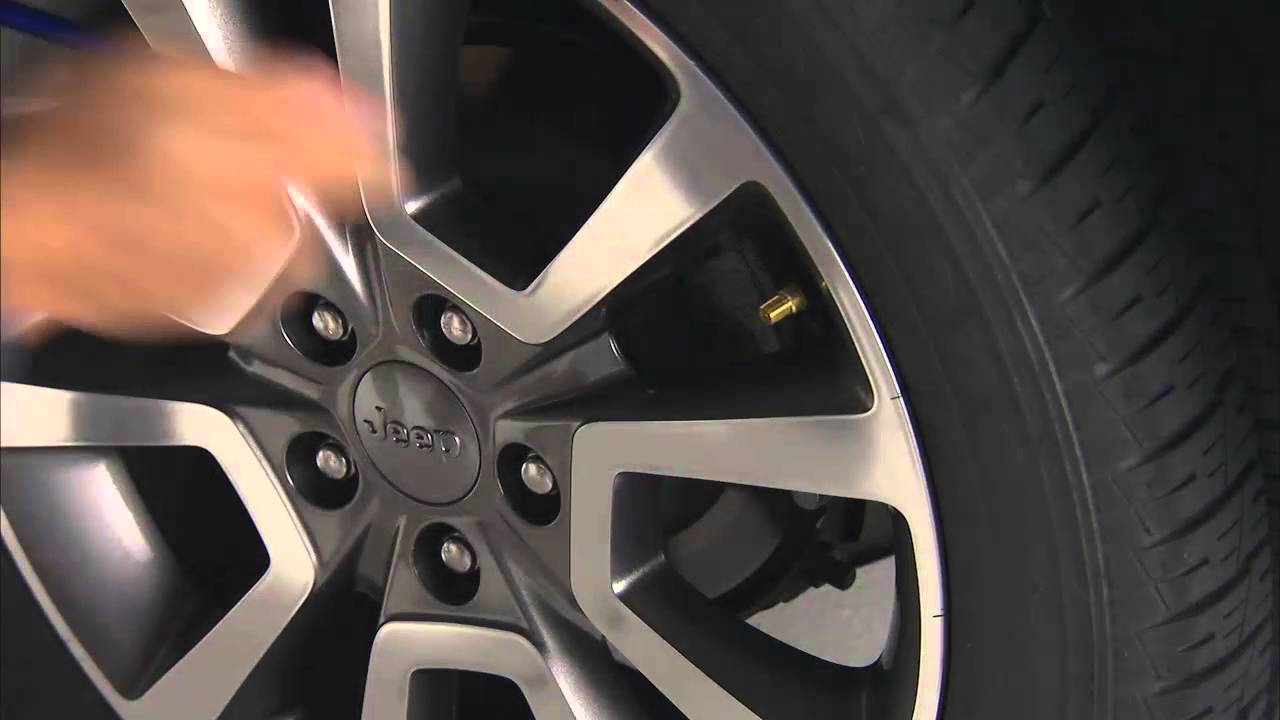
- Remove the valve cap from each tire.
- Press the gauge onto the valve stem.
- Read the number and compare with the recommended PSI.
- Add or release air as needed.
- Replace the valve cap.
Many gas stations offer free air pumps. Don’t forget to check the spare tire, as its pressure can also trigger the light.
Step-by-step: How To Reset The Tire Pressure Light
Resetting the tire pressure light is often simple. Most Jeep Patriots do not have a manual reset button, but the system resets itself after you inflate the tires correctly. Here’s how to do it:
- Park the car and turn off the engine.
- Check all tires and inflate them to the recommended PSI.
- Drive your Jeep for at least 10 minutes at speeds above 15 mph. This allows the TPMS sensors to read the correct pressure and reset the light.
- If the light remains on, try these extra steps:
- Turn the ignition ON without starting the engine. Wait 20 seconds, then start the engine.
- Drive for another 10 minutes.
Some rare cases may require more steps. If your light does not turn off, it may signal a sensor problem.
Common Mistakes When Resetting Tpms
Many drivers make mistakes that keep the tire pressure light on. Avoid these errors:
- Uneven pressure: Filling only one tire or ignoring the spare tire
- Wrong pressure gauge: Using an inaccurate gauge leads to false readings
- Cold readings: Measuring pressure right after driving; tires warm up and readings rise. Always check pressure when tires are cold.
- Ignoring slow leaks: A tire may have a slow leak that isn’t visible but affects pressure.
If your TPMS light stays on after correcting pressure, consult your mechanic. Sometimes, the sensor needs to be replaced.
Data: Tire Pressure Vs. Safety
Studies show that driving with low tire pressure increases accident risks. According to the National Highway Traffic Safety Administration (NHTSA), underinflated tires cause around 11,000 tire-related accidents annually in the US. Proper tire pressure can improve fuel efficiency by up to 3%.
Here’s a quick comparison of tire pressure effects:
| Pressure (PSI) | Fuel Efficiency | Tire Wear | Handling |
|---|---|---|---|
| 28 | Reduced | Faster | Poor |
| 32 (Recommended) | Optimal | Normal | Stable |
| 36 | Slightly Improved | Uneven | Hard |
Always follow the manufacturer’s recommended PSI for the best balance.
What If The Light Won’t Reset?
Sometimes, after following all steps, the tire pressure light still stays on. This can be frustrating. Here are reasons why this happens:
- TPMS sensor failure: The sensor inside the tire may be damaged or dead (battery lasts 5-10 years).
- Electrical issues: Wiring problems or fuse issues can affect the system.
- Tire replacement: New tires or wheels may not be compatible with the original sensors.
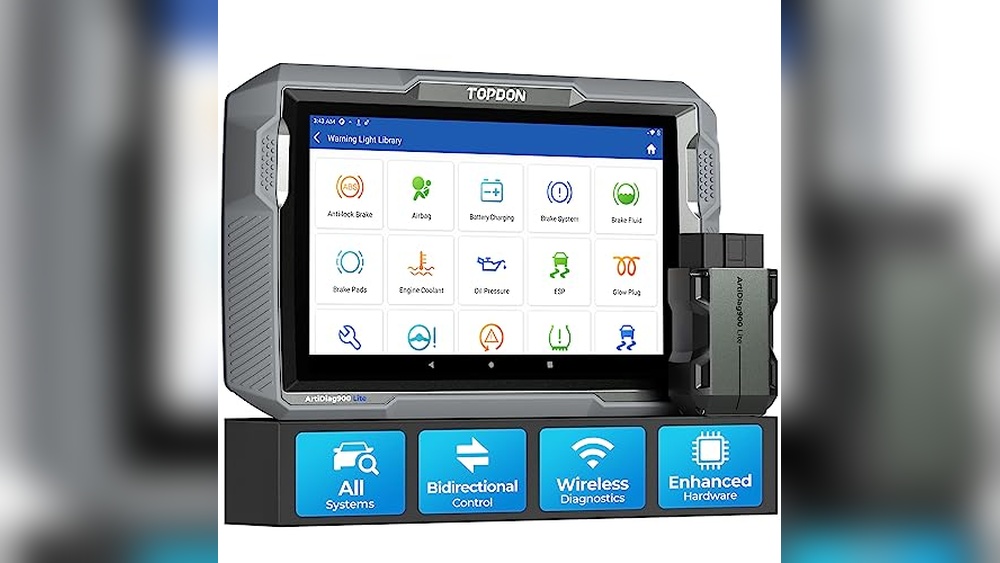
If the light remains on, visit your local dealer or auto shop. They can scan your TPMS system with a special tool and identify the problem.
Comparing Tpms Reset Methods
Not all cars use the same TPMS reset method. Here’s a quick comparison:
| Car Model | Manual Reset Button | Self-Reset After Driving | Requires Tool |
|---|---|---|---|
| 2016 Jeep Patriot | No | Yes | No |
| Toyota Camry | Yes | Yes | No |
| Honda CR-V | No | Yes | No |
| Chevrolet Malibu | No | Yes | Yes |
This shows that the Jeep Patriot relies on automatic resetting once pressure is correct.
Practical Tips Most Drivers Miss
Many guides skip these practical tips, but they can help:
- Check tires in the morning: Tire pressure is most accurate when tires are cold.
- Buy a digital gauge: Analog gauges can be inaccurate. Digital gauges are easier to read.
- Inspect valve stems: A damaged valve stem can cause leaks and trigger TPMS.
- Use quality air sources: Gas station pumps may be unreliable. Try to use a home compressor.
- Watch for seasonal changes: Cold weather reduces tire pressure quickly. Check more often in winter.
Most beginners forget about the spare tire, which often has a sensor. Make it a habit to check all five tires.
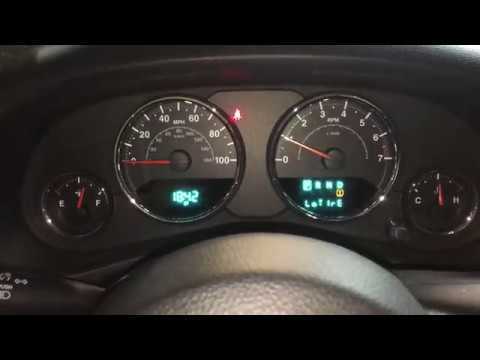
Real-life Example: Resetting The Light After Tire Rotation
Let’s say you just rotated your tires at a shop, and the tire pressure light comes on. The sensors may need time to adjust. Here’s what to do:
- Drive for 10-15 minutes at regular speed.
- If the light stays on, check tire pressure again, as shops sometimes forget to inflate tires correctly.
- For stubborn lights, disconnect the battery for 10 minutes. This may reset the TPMS system (but can also reset other settings).
If you’re unsure, ask your mechanic to reprogram the sensors.
Cost Of Tpms Repairs
Replacing a TPMS sensor can cost between $50 and $120 per tire, including labor. If only the battery inside the sensor is dead, you might need to replace the whole sensor, as most are sealed.
Here’s a comparison of costs:
| Repair Type | Average Cost (USD) | Time Needed |
|---|---|---|
| Sensor Replacement | $50-$120 | 30-60 min |
| System Diagnosis | $25-$50 | 15-30 min |
| Valve Stem Repair | $10-$30 | 15-20 min |
Always ask for a quote before repairs. Some shops may offer free diagnostics with tire service.
Advanced Troubleshooting
If you’re comfortable with DIY repairs, you can try these advanced steps:
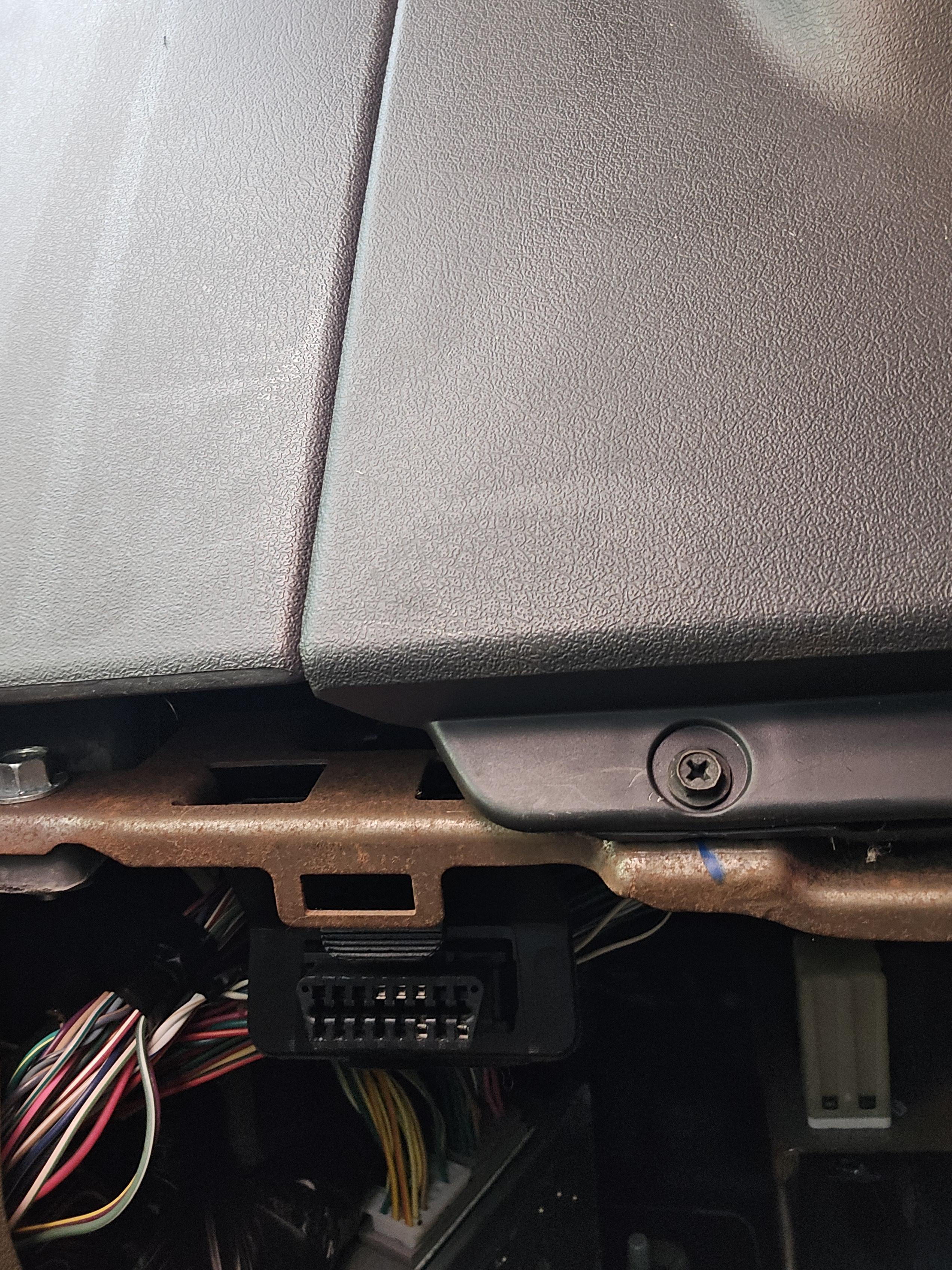
- Scan TPMS codes: Buy a TPMS scan tool to read sensor codes.
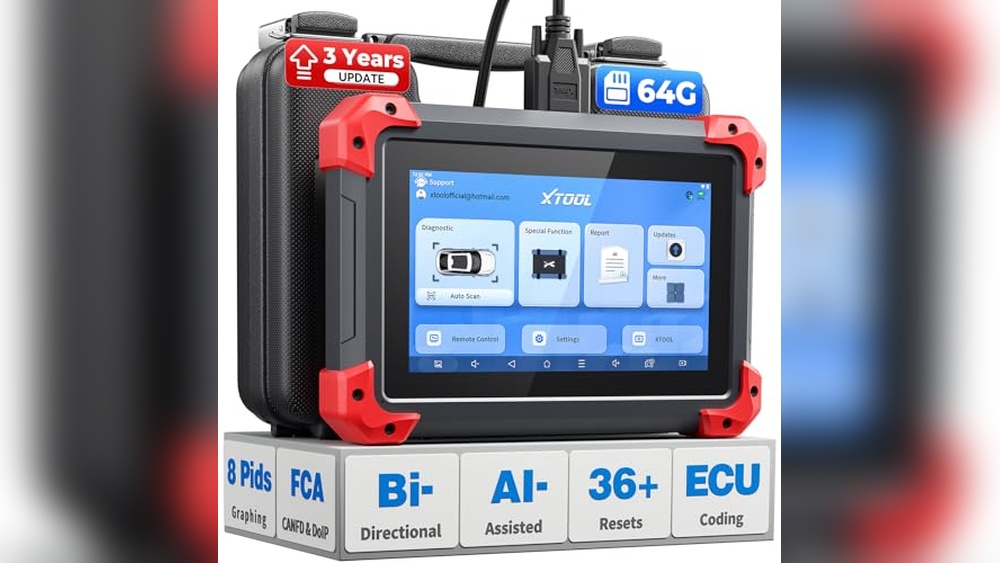
- Reset with OBD-II tool: Some tools allow you to clear TPMS faults.
- Replace TPMS sensor yourself: If you have the right tools and experience, you can swap the sensor. Always follow safety guidelines.
However, for most drivers, professional help is safer and faster.
Where To Find Official Guidance
If you want more details or official instructions, check your Jeep Patriot Owner’s Manual or visit the official Jeep website. For technical info on TPMS systems, the NHTSA offers helpful resources: NHTSA Tire Pressure Monitoring System.
Why Does My Tire Pressure Light Come On Even After Inflating All Tires?
The light may stay on if a tire still has low pressure, a sensor is damaged, or there’s a slow leak. Double-check all tires including the spare and make sure they are at the recommended PSI.
Can I Reset The Tire Pressure Light Without Driving?
On the 2016 Jeep Patriot, the system usually resets itself after driving for 10 minutes above 15 mph. Simply inflating tires without driving may not trigger the reset.
How Can I Tell If My Tpms Sensor Is Faulty?
If the light stays on after correcting pressure, or if you see a TPMS error message, the sensor may be bad. A mechanic can test the sensors with a special tool.
What Happens If I Ignore The Tire Pressure Light?
Driving with low tire pressure risks tire damage, poor handling, and reduced fuel economy. It can also lead to accidents and expensive repairs.
Is It Safe To Drive With The Tire Pressure Light On?
You should not drive long distances with the light on. Check tire pressure as soon as possible.
If the tires are properly inflated but the light stays on, drive carefully to a mechanic.
Resetting the tire pressure light on your 2016 Jeep Patriot is simple if you know what to do. Start by checking all tires, inflate to the recommended PSI, and drive for 10 minutes. If the light stays on, look for sensor issues or leaks. By following these steps, you’ll keep your car safe and efficient. Remember, regular tire checks are key to avoiding problems and enjoying a smooth ride.