If you drive a 2010 Jeep Wrangler, the tire pressure light can be a small but stressful problem. This light comes on when your tires lose air or when the sensors detect something unusual. You might see the light after changing a tire, driving in cold weather, or even after filling your tires with air. If you leave the tire pressure light on, you may miss real tire problems in the future or end up wasting fuel. The good news is, you can reset this light yourself with a few easy steps—no special tools or mechanical skills required.
Why Tire Pressure Matters In Your 2010 Jeep Wrangler
Tire pressure affects how your Jeep drives, how much fuel it uses, and how safe it is on the road. If tires are too low, they can wear out faster and make it harder to steer or stop. Overinflated tires are also risky—they might burst or cause your Wrangler to slide. The tire pressure monitoring system (TPMS) helps prevent these problems by warning you if the pressure drops below a safe level.
Many drivers think the TPMS is only about safety, but it also impacts other things. For example, the US Department of Transportation found that under-inflated tires can reduce fuel economy by up to 3%. Over time, that adds up to extra costs and more trips to the gas station.
Common Reasons For The Tire Pressure Light
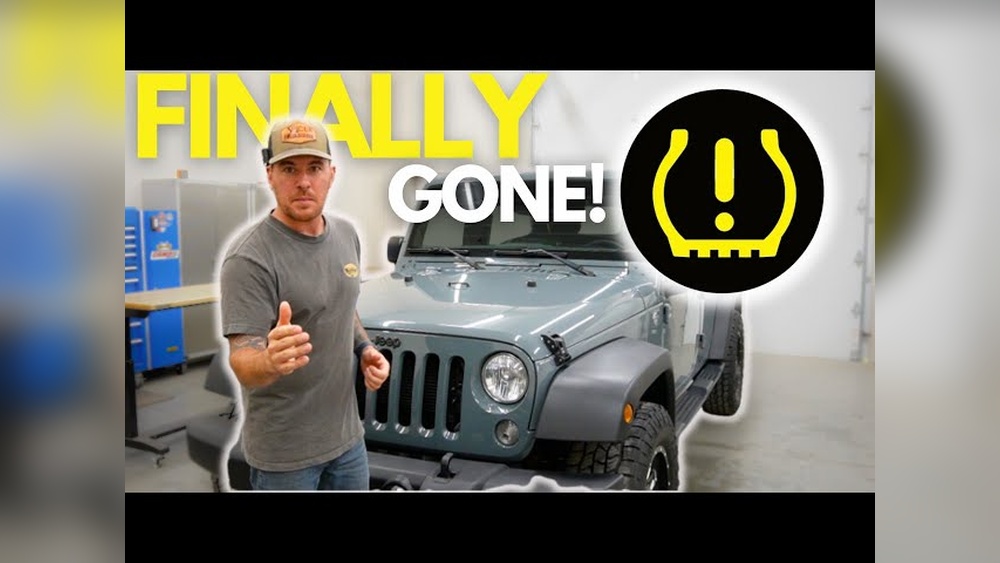
You might see the tire pressure light for several reasons:
- Cold weather: Air contracts, so tire pressure drops in winter.
- Slow leaks: Nails or debris can cause small punctures.
- Recent tire service: Changing or rotating tires may trigger the sensors.
- Faulty sensors: Sometimes the TPMS sensor itself fails.
Knowing the cause helps you fix the problem faster. If the light comes on after a cold night, it’s probably the temperature.
If you see the light after hitting a pothole, check for damage.
Checking Tire Pressure Before Resetting
Before you try to reset the light, check your tire pressure with a reliable gauge. The recommended pressure for a 2010 Jeep Wrangler is 35 PSI (pounds per square inch) for most models. You can find this number on a sticker inside the driver’s door.
- Remove the cap from each tire valve.
- Press the gauge onto the valve and read the number.
- Add air if the pressure is low, or release air if it’s too high.
- Replace the cap.
If you skip this step, you risk driving with unsafe tires. Don’t rely on the TPMS alone sensors can fail or read incorrectly.
How To Reset Tire Pressure Light On 2010 Jeep Wrangler
Resetting the tire pressure light is usually simple. Here’s a step-by-step guide:
- Check all tires: Make sure they are at the recommended PSI.
- Turn the ignition to “On”: Without starting the engine, turn the key so the dashboard lights come on.
- Wait for the light: The tire pressure light should go off after a few seconds if the pressure is correct.
- Drive for 10 minutes at 15 mph or faster: The TPMS needs motion to update. Sometimes, just driving helps the system reset.
- Turn off and restart your Jeep: This can finish the reset.
If the light stays on, try these extra steps:
- Reset with TPMS button: Some models have a button under the steering wheel. Hold it for 3 seconds.
- Disconnect the battery: Remove the negative cable for 10 minutes, then reconnect. This is a last resort.
Common Mistakes When Resetting
Many drivers forget these details:
- Not checking the spare tire: Some Wranglers have a sensor in the spare.
- Ignoring slow leaks: If a tire loses air slowly, the light will come back.
- Not driving after filling tires: The TPMS needs movement to update.
Tpms Sensor Locations And Types
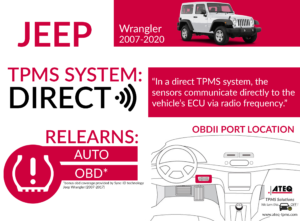
The 2010 Jeep Wrangler uses direct TPMS sensors inside each tire. They send pressure readings to the computer. If a sensor fails, the light may stay on even if tires are fine.
Here’s a comparison of TPMS sensor types:
| Sensor Type | Location | Reset Method |
|---|---|---|
| Direct | Inside tire | Automatic/Manual |
| Indirect | ABS system | Manual only |
Your Wrangler uses direct sensors, so you don’t need to drive for long distances to reset—just a short drive will usually do.
What If The Light Won’t Reset?
If you try all steps and the light still stays on, there may be a deeper issue. Here are some possibilities:
- Faulty sensor: Sensors wear out after 5–10 years.
- Wiring problem: The TPMS wiring can break, especially off-road.
- Computer error: Rare, but the Jeep’s computer may need updating.
You can scan for TPMS codes at auto parts stores. Some stores offer free scans. If you find a bad sensor, replacing it costs about $50–$100 per tire.
Comparing Dealer Vs Diy Tpms Service
Should you visit a dealer or do it yourself? Here’s a quick comparison:
| Service Type | Cost | Time | Skill Needed |
|---|---|---|---|
| Dealer | $100–$200 | 1–2 hours | None |
| DIY | $10–$100 | 30 minutes | Basic |
Most people can reset the TPMS at home, but if the problem is deeper, a dealer may be needed.
Tips For Keeping Your Tire Pressure Light Off
You can prevent the tire pressure light from coming on by following these tips:
- Check tires monthly: Don’t wait for the light. Use a gauge.
- Watch the weather: Cold mornings lower pressure. Check after temperature drops.
- Avoid potholes and debris: These damage tires and sensors.
- Replace old sensors: TPMS sensors last about 7 years.
One insight many people miss: Some gas stations have inaccurate gauges. Always double-check your readings with your own gauge.

Real-life Example: Resetting The Light After Tire Change
Imagine you just changed a tire on your Wrangler. The tire pressure light comes on, even though the new tire is full of air.
This is common. The TPMS needs time to recognize the new tire.
Here’s what you should do:
- Fill all tires to 35 PSI.
- Drive for 10 minutes over 15 mph.
- If the light stays on, check the spare tire’s pressure.
- If still on, try disconnecting the battery.
Often, the system needs a few miles to adjust. Don’t worry if it takes a day for the light to turn off.
How Weather Affects Tire Pressure Light
Cold air shrinks, so tire pressure drops in winter. For every 10°F change, your tire loses about 1 PSI. If the weather changes fast, check your tires. Don’t add extra air just because the light comes on in the morning—wait for the tires to warm up, then check again.
What If You Ignore The Tire Pressure Light?
Some drivers ignore the tire pressure light, thinking it’s not urgent. This is risky. Low pressure can cause:
- Uneven tire wear
- Poor fuel economy
- Reduced braking
- Blowouts
Even one low tire can make your Wrangler handle poorly. Always check the light and fix the cause.
When Should You Replace Tpms Sensors?
TPMS sensors don’t last forever. Most last 7–10 years. If your Wrangler is from 2010, your sensors may be near the end of their life. Signs you need new sensors:
- The light comes on even with correct pressure.
- Sensors don’t reset after driving.
- The dealer scan shows sensor errors.
Replacing sensors is simple for a mechanic. If you want to do it yourself, buy compatible sensors and follow instructions.
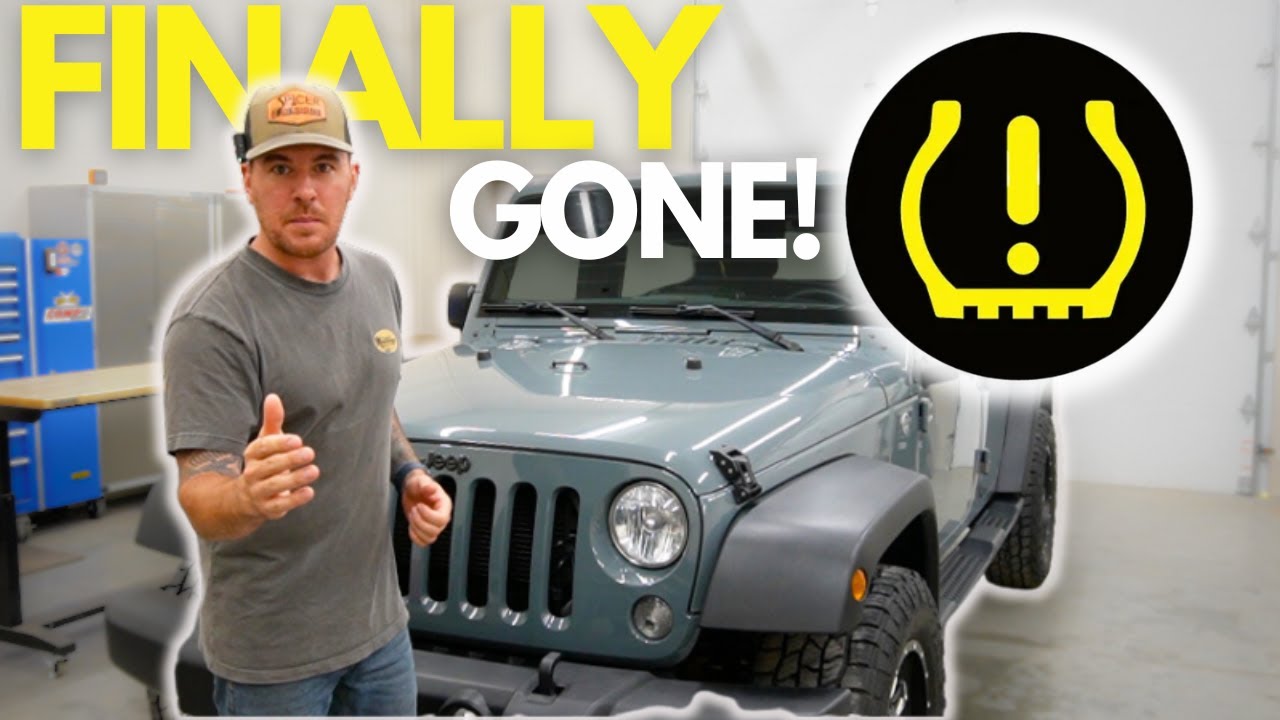
How Tpms Works In The 2010 Jeep Wrangler
The TPMS uses radio signals to tell the computer the pressure in each tire. If a tire drops below 35 PSI, the light comes on. When you fix the problem, the system checks again and turns off the light.
Here’s a simple overview:
- Sensor measures pressure.
- Sends signal to computer.
- Computer turns on light if pressure is low.
Some Wranglers can show which tire is low, others just show a warning.
Comparing Tpms Features In Jeep Wrangler Vs Other Suvs
Let’s see how the Wrangler’s TPMS compares to other SUVs:
| Model | TPMS Type | Display | Reset Method |
|---|---|---|---|
| 2010 Jeep Wrangler | Direct | Warning light | Automatic/Manual |
| 2010 Ford Explorer | Indirect | Low tire icon | Manual only |
| 2010 Toyota 4Runner | Direct | Tire pressure value | Automatic |
Wrangler’s TPMS is reliable, but doesn’t show individual tire pressures. Some newer models do.
How Do I Know Which Tire Caused The Light To Come On?
Most 2010 Wranglers don’t show which tire is low. Check all tires with a gauge, including the spare.
Can I Drive With The Tire Pressure Light On?
It’s not safe. Low pressure can cause tire failure or poor handling.
Check and fix the problem before driving far.
What If My Tpms Sensor Is Broken?
You’ll need to replace the sensor. Most shops can do this quickly. Sensors cost about $50–$100 each.
How Often Should I Check Tire Pressure?
Check at least once a month. Also check before long trips or after big changes in temperature.
Does The Tire Pressure Light Mean My Tire Is Flat?
Not always. It means pressure is below the recommended level.
A flat tire is much lower and may look visibly deflated.
If you follow these steps, you can reset the tire pressure light on your 2010 Jeep Wrangler quickly and safely. Your Jeep will drive better, use less fuel, and keep you safe on the road. If you want more details about TPMS systems, visit NHTSA.gov for trusted information.