Resetting the throttle position sensor (TPS) on a Jeep is a common step when your vehicle shows signs like rough idling, poor acceleration, or inconsistent engine response. A misaligned or faulty TPS can confuse the engine computer, leading to frustrating performance problems.
Many Jeep owners think this fix requires a mechanic, but with the right approach, you can reset the TPS yourself and restore smooth driving. This guide will walk you through the process, highlight common mistakes, and give practical tips for a successful reset.
Understanding The Throttle Position Sensor
The throttle position sensor measures the angle of your throttle plate and tells the engine control unit (ECU) how much air is entering the engine. This data is critical for adjusting fuel injection and ignition timing. If the sensor sends incorrect signals, the engine may hesitate, stall, or run poorly.
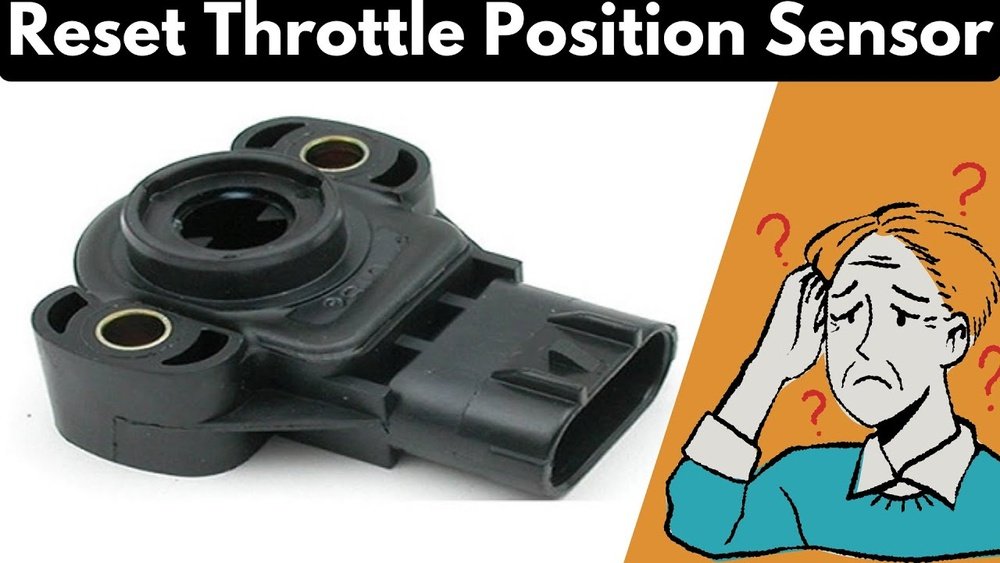
Common Jeep models like the Cherokee, Grand Cherokee, and Wrangler use similar TPS setups. Most modern Jeeps have an electronic throttle, but older ones may use a cable system.
Knowing your model year helps you follow the correct reset procedure.
When Should You Reset The Tps?
Resetting the TPS is not needed after every repair. Consider a reset if you notice these symptoms:
- Irregular or high idle speed
- Engine stalling when stopping
- Delayed throttle response
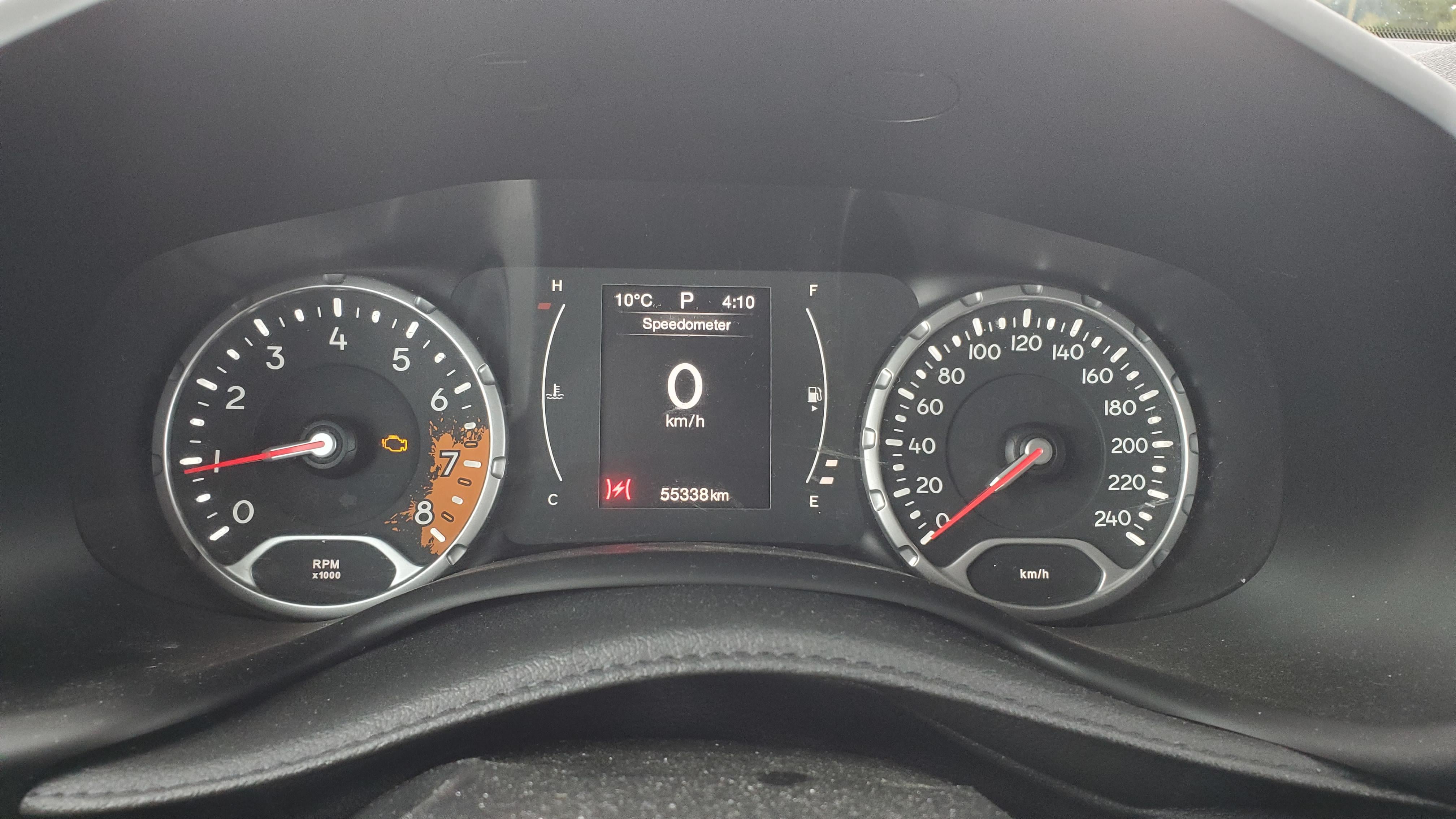
- Check engine light with TPS-related codes (like P0120, P0121)
Also, reset the sensor if you have replaced the TPS, cleaned the throttle body, or disconnected the battery for a long period.
Tools And Preparation
Before you begin, gather these items:
- Socket set or screwdriver (usually Phillips or Torx)
- OBD-II scanner (optional but helpful)
- Safety gloves
Make sure your Jeep is parked on a level surface with the engine off and cool.
Step-by-step: How To Reset Throttle Position Sensor Jeep
The reset process varies slightly by Jeep model and year, but the following method works for most 1996 2021 vehicles.
- Turn the ignition key to “ON” (not start). Wait for all dashboard lights to turn on, then off (about 5 seconds).
- Slowly press the gas pedal to the floor. Take about 5–10 seconds to reach full throttle.
- Slowly release the gas pedal back to the resting position. Again, take 5–10 seconds.
- Turn the ignition key to “OFF”. Wait 30 seconds.
- Start the engine and let it idle for 2–3 minutes. Do not press the gas pedal.
- Drive the Jeep at normal speeds for about 10 minutes. This helps the ECU relearn the idle and throttle values.
For Electronic Throttle Jeeps (2007+)
Some newer models may require this extra step:
- Disconnect the negative battery terminal for 10 minutes, then reconnect. Repeat the above steps.
For Cable Throttle Jeeps (pre-2007)
Older Jeeps might need a manual adjustment at the throttle body. Consult your vehicle’s manual for the correct voltage settings.
Most TPS sensors should read between 0. 7V and 0. 9V at idle.
Comparison: Electronic Vs. Cable Throttle Tps Reset
Understanding your Jeep’s system helps you avoid mistakes. The table below summarizes the main differences:
| Feature | Electronic Throttle | Cable Throttle |
|---|---|---|
| Model Years | 2007 and newer | Pre-2007 |
| Reset Method | Key and pedal sequence | Manual adjustment + reset |
| Battery Disconnect Needed? | Often | Rarely |
| Tools Required | Basic hand tools | Voltmeter |
Common Mistakes To Avoid
Many Jeep owners overlook these details:
- Rushing the pedal movement. Fast pedal action can confuse the ECU.
- Skipping the idle relearn. Always let the engine idle after resetting.
- Ignoring the battery disconnect. On some models, skipping this step means the reset won’t work.
- Not checking error codes. Use an OBD-II scanner to confirm the TPS code is gone.
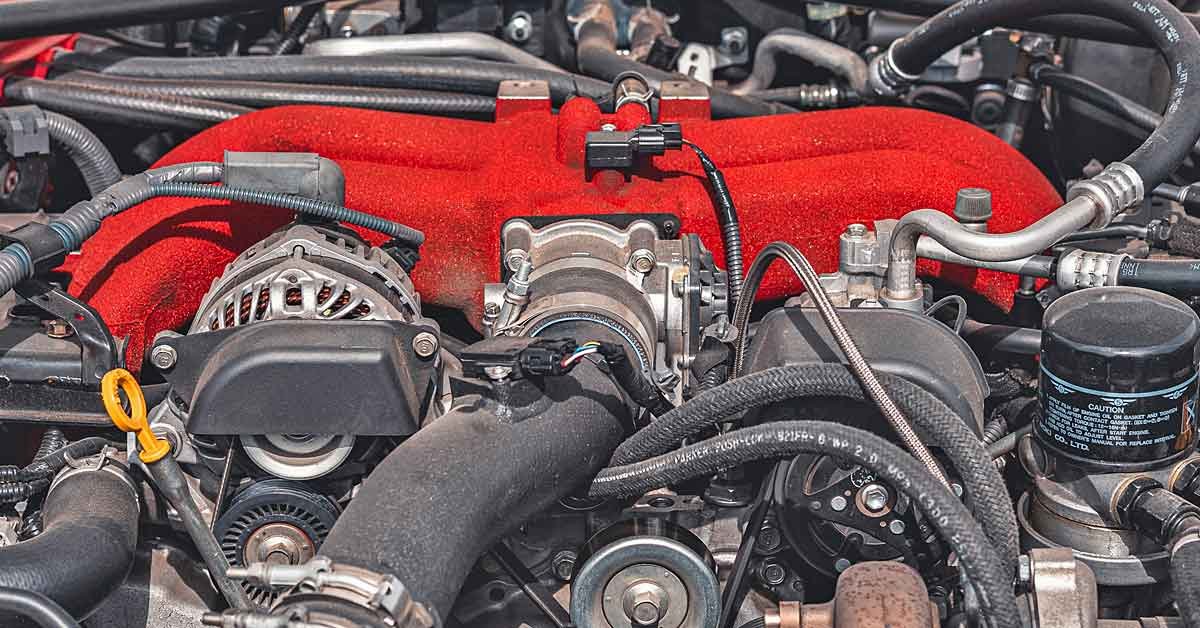
Signs The Reset Was Successful
After a proper reset, you should notice:
- Smoother idle and acceleration
- No check engine light for TPS codes
- Improved fuel efficiency (in some cases)
If problems continue, the TPS may be faulty or the throttle body may need cleaning.
Practical Tips For A Reliable Reset
- Check for vacuum leaks. A leak can mimic TPS problems.
- Inspect wiring and connectors. Loose or corroded plugs can cause false TPS errors.
- Use a quality OBD-II scanner. Cheap scanners sometimes miss reset codes.
- Avoid throttle body cleaners with harsh chemicals. They can damage sensors.
Here’s a simple voltage range comparison for Jeep TPS sensors:
| Sensor Type | Idle Voltage | Wide Open Voltage |
|---|---|---|
| OEM TPS | 0.7–0.9V | 4.2–4.7V |
| Aftermarket TPS | 0.6–1.0V | 4.0–4.8V |
If your readings fall outside these ranges, the sensor may need replacing.
Cost And Time Estimates
Resetting the TPS yourself takes about 20 30 minutes. Most Jeep owners can complete the job with basic tools.
If you visit a mechanic, expect to pay $70 $120 for diagnosis and reset.
Here’s a quick comparison:
| Option | Time Required | Cost |
|---|---|---|
| DIY Reset | 20–30 minutes | Free (if you have tools) |
| Mechanic Visit | 1–2 hours | $70–$120 |
Frequently Asked Questions
How Do I Know If My Jeep’s Tps Needs Resetting?
If you notice rough idle, engine hesitation, or a check engine light with TPS codes, a reset may help. Always check for vacuum leaks or wiring issues first.
Can I Reset The Tps Without An Obd-ii Scanner?
Yes, most Jeep models allow a manual TPS reset using the ignition and pedal method. However, a scanner is helpful for confirming the reset worked.
Will Disconnecting The Battery Reset The Tps?
For some electronic throttle Jeeps, disconnecting the negative battery terminal for 10 minutes can clear the ECU’s memory. Always follow up with the pedal sequence for a full reset.
What If Resetting The Tps Doesn’t Fix The Problem?
If symptoms continue, the TPS sensor may be faulty, wiring may be damaged, or the throttle body could need cleaning. Further diagnosis or replacement may be necessary.
Where Can I Find Official Jeep Tps Specifications?
The most reliable source is your Jeep owner’s manual or the official service guide. For more details, check the Wikipedia page on throttle position sensors.
Resetting your Jeep’s throttle position sensor is a practical skill that can solve many driveability issues. Take your time, follow each step closely, and don’t hesitate to consult your manual if you’re unsure.
With patience and care, you’ll have your Jeep running smoothly again.