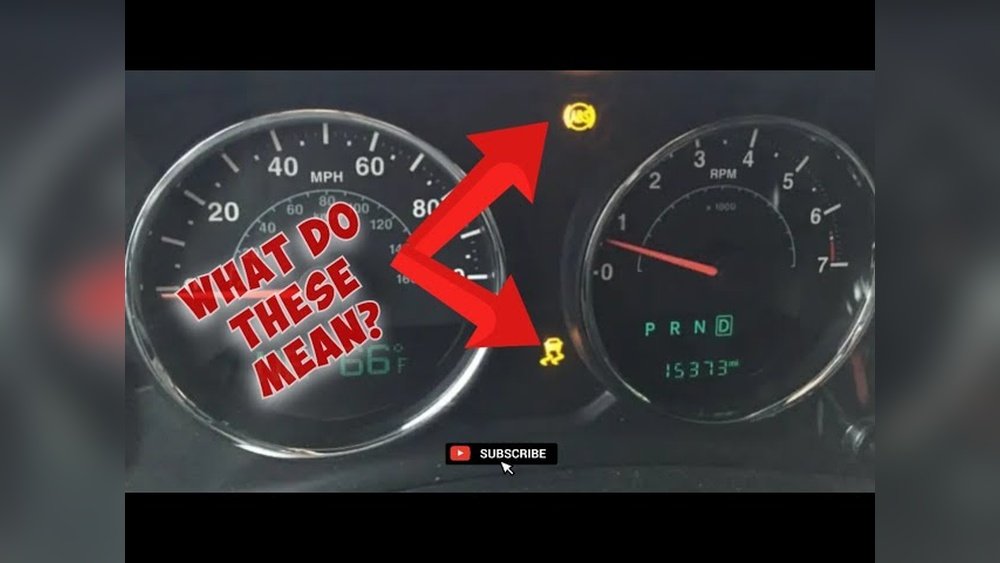
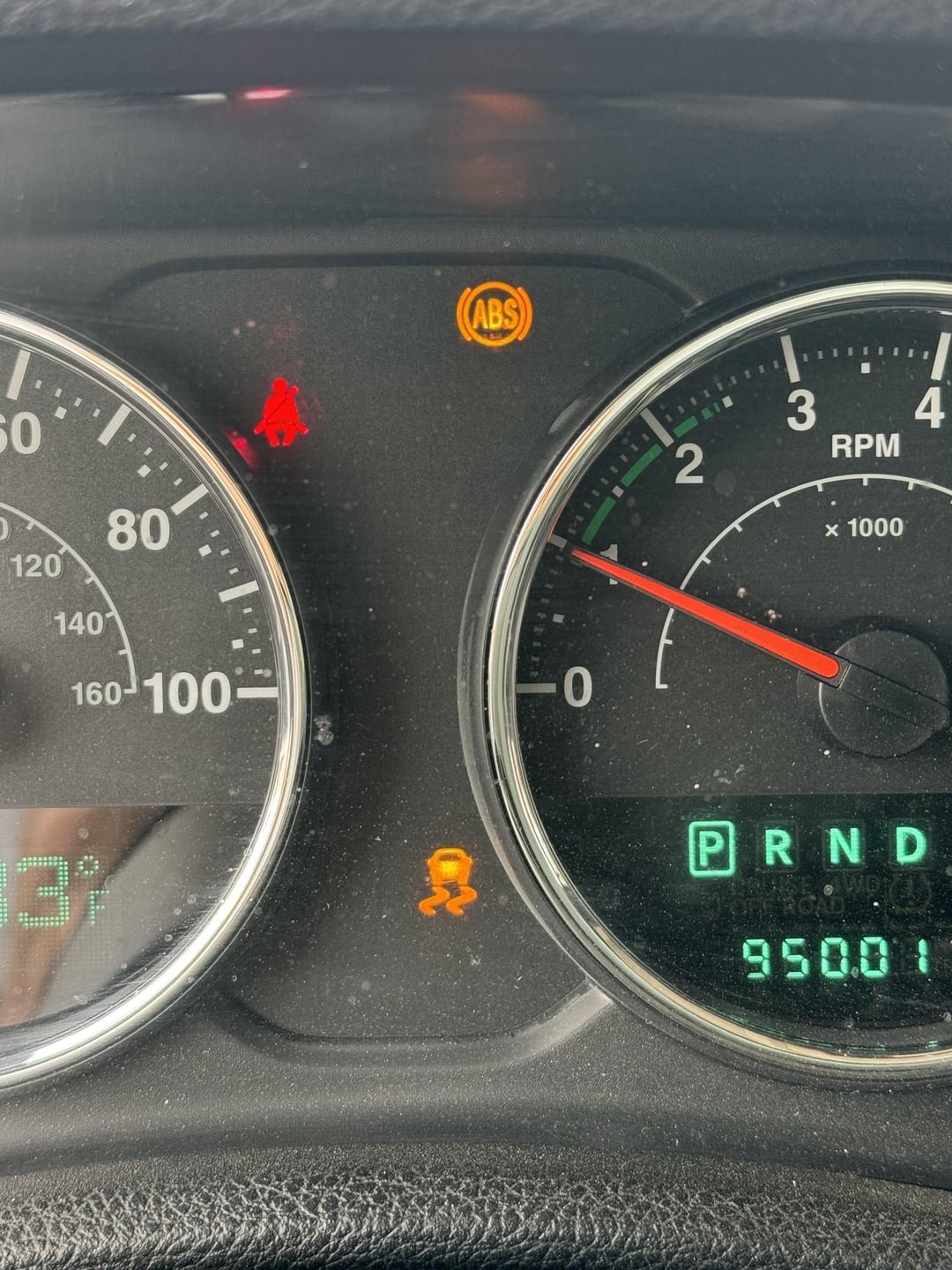
When the skid light comes on in your Jeep JK, it’s easy to feel a bit worried. That yellow icon with squiggly lines under the vehicle usually means the traction control or electronic stability system has detected a problem.
While this light is there to keep you safe, it’s not always clear why it stays on or how to reset it. If you drive a Jeep JK—especially models from 2007 to 2018—knowing how to handle this situation can save you time, money, and stress.
Let’s dive into what causes the skid light, how to reset it, and when you should pay extra attention.
What Does The Skid Light Mean On A Jeep Jk?
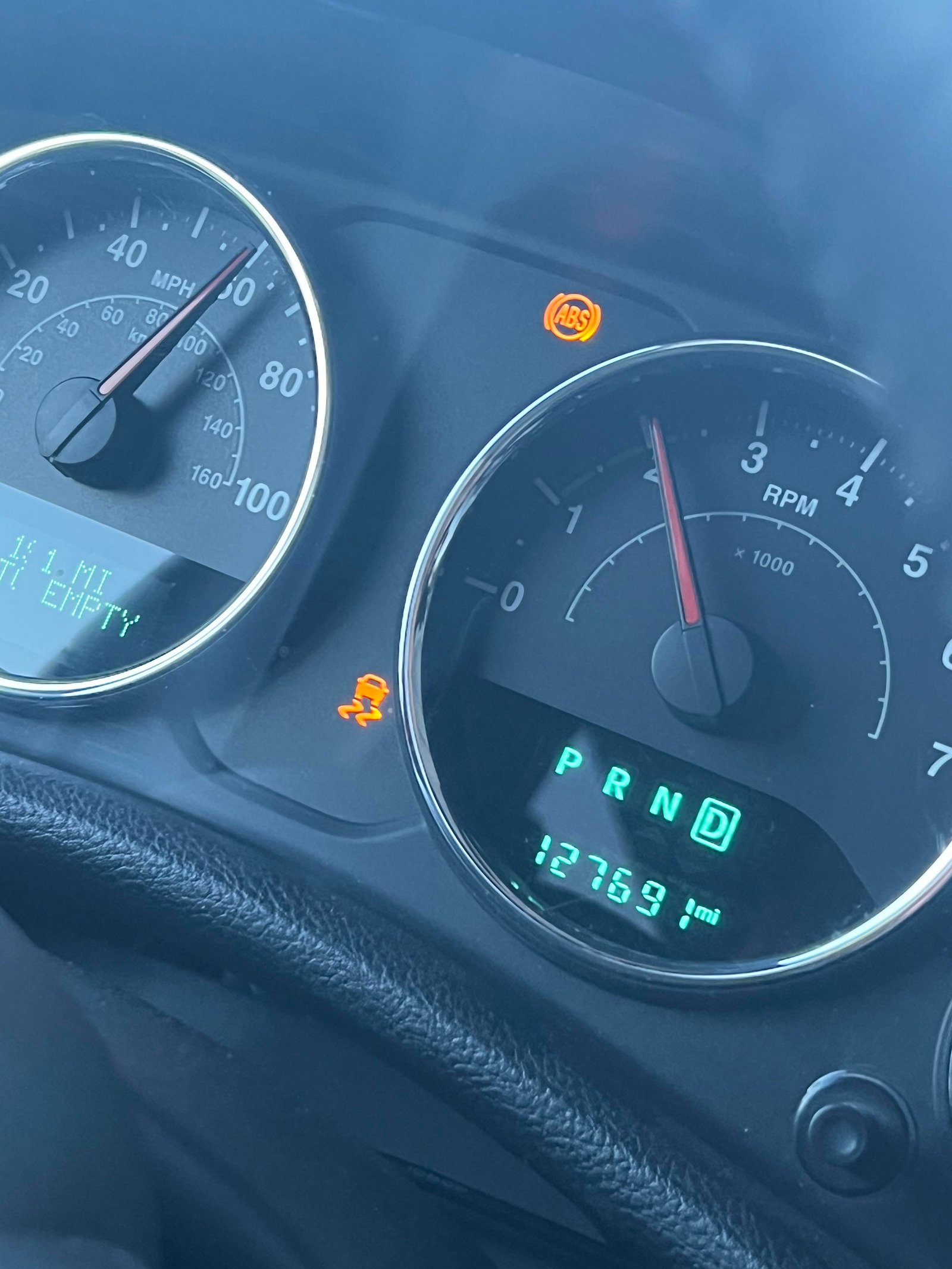
The skid light is officially called the Electronic Stability Control (ESC) indicator. When you see this light, your Jeep’s system has either detected a loss of traction, or there’s a fault in the system. Sometimes, it flashes briefly if the tires slip on ice or gravel. But if it stays on, it’s signaling a bigger issue.
Key causes for the skid light include:
- Slippery road conditions
- Faulty wheel speed sensors
- Steering angle sensor problems
- Low brake fluid
- ABS system faults
- Aftermarket modifications (like bigger tires or lifts)
Even small things, like a dirty sensor, can trigger the light. It’s important to understand the cause before you try to reset it.
Common Causes For The Skid Light
Knowing why the skid light comes on helps you fix the problem for good. Here are the most common reasons:
- Wheel Speed Sensor Failure: These sensors sit near each wheel and measure how fast they’re turning. Mud, snow, or damage can make them send wrong signals.
- ABS System Issues: The Jeep JK shares sensors and wiring between the ABS and stability systems. Problems with the ABS often turn on the skid light too.
- Steering Angle Sensor Fault: This sensor tells the computer how far you’re turning the steering wheel. If it’s off, the system can’t work properly.
- Low Brake Fluid: The stability system relies on hydraulic pressure from your brakes. Low fluid may trigger the light.
- Aftermarket Modifications: Bigger tires, suspension lifts, or changed wheel sizes can confuse the sensors. The system may think something is wrong.
- Wiring or Connector Problems: Corrosion, loose wires, or broken connectors are easy to overlook but common.
A quick look under your Jeep after off-road trips can catch issues early.
Should You Reset The Skid Light?
It’s tempting to clear the warning light and move on. But resetting the skid light without fixing the root cause often means the problem will return—sometimes in a dangerous moment. Always check:
- Is the light solid (on all the time) or flashing? A flashing light means active loss of traction.
- Did you recently change tires, lift the Jeep, or do repairs?
- Are there other warning lights (like ABS or brake)?
If you’re sure the issue is minor (like after replacing a sensor), a reset is safe. But if you’re not sure, it’s best to investigate further or ask a mechanic.
How To Reset Skid Light On Jeep Jk: Step-by-step
Resetting the skid light is simple if you’ve found and fixed the problem. Here’s how to do it:
1. Basic On/off Reset
This method works for minor glitches or after the system self-corrects.
- Turn off the ignition.
- Wait at least 30 seconds.
- Turn the ignition back on without starting the engine.
- Check if the light is gone.
If the light remains, try the next step.
2. Battery Disconnect Method
This is a classic way to reset most vehicle computers.
- Turn off the ignition and open the hood.
- Use a wrench to disconnect the negative battery terminal.
- Wait at least 10 minutes. (This lets the system fully reset.)
- Reconnect the terminal and tighten it securely.
- Start your Jeep. The light should be gone if the problem is fixed.
Tip: Have your radio code handy, as disconnecting the battery may reset other electronics.
3. Using An Obd-ii Scanner
For stubborn lights or after sensor replacement, use a scanner.
- Plug the OBD-II scanner into the port under the dashboard (usually near the driver’s left knee).
- Turn the ignition to “On.”
- Follow the scanner’s instructions to read and clear codes.
- Start the Jeep and check the light.
Many auto parts stores offer free code scanning. Some scanners show you the exact sensor or problem.
4. Steering Angle Sensor Reset
If you recently changed the steering or suspension, the sensor may need calibration.
- Start the Jeep and center the steering wheel.
- Turn the wheel fully left, then fully right, and back to center.
- Drive forward slowly in a straight line for about 50 feet.
- The light should clear if the sensor was the issue.
If this does not work, professional calibration might be needed.
5. Aftermarket Modifications Fix
If you’ve lifted your Jeep or changed tires, you may need to recalibrate the system.
- Some OBD-II scanners or Jeep-specific tools can update the computer for new tire sizes.
- Check your owner’s manual or a Jeep forum for model-specific instructions.
Don’t ignore the light if you’ve made changes incorrect calibration can affect safety.
Jeep Jk Skid Light: Troubleshooting Guide
If the light keeps coming back, use this table to match symptoms and likely causes:
| Symptom | Possible Cause | What To Check |
|---|---|---|
| Light comes on after rain/off-road | Dirty or wet sensor | Clean wheel speed sensors |
| Light with ABS light | ABS system fault | Scan for error codes |
| Light after changing tires | Sensor/calibration error | Recalibrate with OBD-II tool |
| Light after battery change | Steering angle sensor | Perform steering reset |
| Light comes and goes | Loose wiring or connector | Inspect wiring at each wheel |
If you can’t clear the light after these checks, it’s time for a professional scan.
Tools And Equipment You Might Need
Some resets need special tools. Here’s a comparison of common options:
| Tool | Purpose | Estimated Cost (USD) | Best For |
|---|---|---|---|
| Wrench | Disconnect battery | $5–$15 | Basic resets |
| OBD-II Scanner | Read/clear codes | $30–$150 | DIY troubleshooting |
| Professional Diagnostic Tool | Advanced calibration | $300+ | Shops/mechanics |
Most Jeep owners can handle basic resets with a wrench and an affordable scanner.
Mistakes To Avoid When Resetting The Skid Light
People often rush the reset process, causing more trouble. Here are two mistakes to avoid:
- Ignoring actual faults: Don’t just clear the light and keep driving. If there’s a real sensor or brake problem, you could lose traction or control.
- Skipping recalibration after modifications: If you lift your Jeep or change tire size, recalibrate the stability system. Otherwise, the computer may think you’re skidding when you aren’t.
It’s always safer to fix the cause before resetting the system.
Real-world Example: Off-roading And The Skid Light
Imagine you just finished a muddy trail. The next day, your skid light stays on. You check under the Jeep and find mud caked on the rear wheel speed sensor. After cleaning off the sensor, you disconnect the battery for 10 minutes, reconnect, and start your Jeep. The light is gone—and your traction control is back to normal.
Key insight: Off-roaders often trigger the light with mud or water. Cleaning sensors after each trip prevents most issues.
How Jeep Jk Traction Control Works
Understanding how the system works helps you spot problems faster. The Jeep JK uses a mix of sensors and computers:
- Wheel speed sensors at each wheel measure rotation.
- The steering angle sensor shows how much you’re turning.
- The computer checks these inputs. If it senses a wheel is spinning too fast (losing grip), it can cut engine power or apply brakes to that wheel.
- If something doesn’t add up (like a sensor sending weird data), the system turns on the skid light and may disable traction control.
This system helps you stay safe, but if it’s not working, your Jeep can act unpredictably especially on slippery roads.
When To See A Mechanic
Most simple resets are safe to do yourself. But see a professional if:
- The skid light stays on after all resets.
- You have multiple warning lights (ABS, brake, or check engine).
- Your Jeep drives strangely (pulls to one side, odd noises, or poor braking).
- You’re uncomfortable working with electrical systems or sensors.
Modern mechanics use advanced scanners to pinpoint issues. Sometimes, a problem inside the ABS module or wiring harness needs expert attention.
Preventing Future Skid Light Problems
A little maintenance goes a long way. Here’s how to keep the light off:
- Clean wheel sensors after off-roading, snow, or heavy rain.
- Check brake fluid every oil change.
- Inspect wiring for damage after driving through brush or mud.
- Recalibrate after suspension or tire changes.
- Avoid cheap aftermarket parts that may not play well with your Jeep’s computer.
Keeping your Jeep in top shape means fewer surprises on the road or trail.
Skid Light Reset: Quick Reference Guide
Here’s a simple summary for busy Jeep JK owners:
| Situation | Reset Method | Notes |
|---|---|---|
| After minor slip (rain, ice) | Turn off/on ignition | Usually resets by itself |
| After sensor cleaning/replacement | Battery disconnect or OBD-II | Wait 10 minutes before reconnecting |
| After suspension/tire change | Steering reset + OBD-II recalibration | Follow manual for steps |
| Persistent warning light | Professional scan | May need dealer tools |
Frequently Asked Questions
Why Does My Jeep Jk Skid Light Come On After Off-roading?
Mud, water, or debris can block the wheel speed sensors, making the system think you’ve lost traction or that a sensor has failed. Cleaning the sensors usually solves the problem.
Can I Drive With The Skid Light On?
You can, but traction control and stability systems may not work. This makes your Jeep less safe, especially on wet or icy roads. Fix the issue as soon as possible.
Will Disconnecting The Battery Always Reset The Skid Light?
Not always. If the root problem (like a bad sensor) is still there, the light may come back immediately.
Battery resets work best after fixing the cause.
Is An Obd-ii Scanner Necessary To Reset The Skid Light?
It’s not always required, but it’s the fastest way to read and clear codes especially if you’ve replaced a sensor. Many auto parts stores will scan your Jeep for free.
What If The Skid Light Stays On After All Resets?
There may be a deeper issue like a faulty ABS module or damaged wiring. At this point, have a professional diagnose your Jeep.
Resetting the skid light on your Jeep JK is usually a quick fix if you know what to look for. By understanding the causes, using the right tools, and not skipping steps, you’ll keep your Jeep safe and reliable on any road or trail. For more technical details, you can check the official Jeep Wrangler page. Stay safe and enjoy your Jeep!