If you drive a 2014 Jeep Wrangler, you may see the oil change light come on after a routine service or when it’s time for an oil change. This light helps you remember to keep your engine oil fresh, but sometimes it stays on even after an oil change. Knowing how to reset the oil light yourself can save time and a trip to the mechanic. In this guide, you’ll learn the step-by-step process for resetting the oil light, why it’s important, and what to do if the light won’t reset. Even if you’re new to car maintenance, you’ll find this process simple and clear.
Why Resetting The Oil Light Matters
The oil change indicator is more than just a reminder. It’s part of your Wrangler’s system for tracking engine health. If you ignore this light or forget to reset it, you might not know when your next oil change is due. Over time, dirty oil can damage your engine, causing costly repairs. Resetting the oil light ensures your car’s computer can properly track the next service interval.
Understanding The Oil Light On Your 2014 Jeep Wrangler
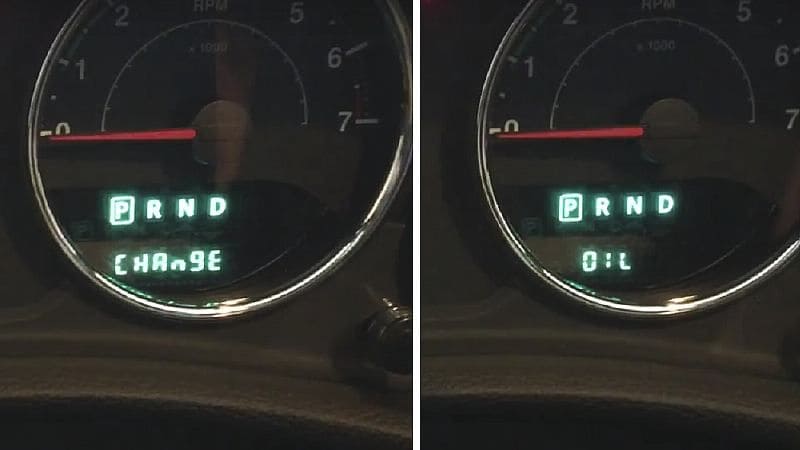
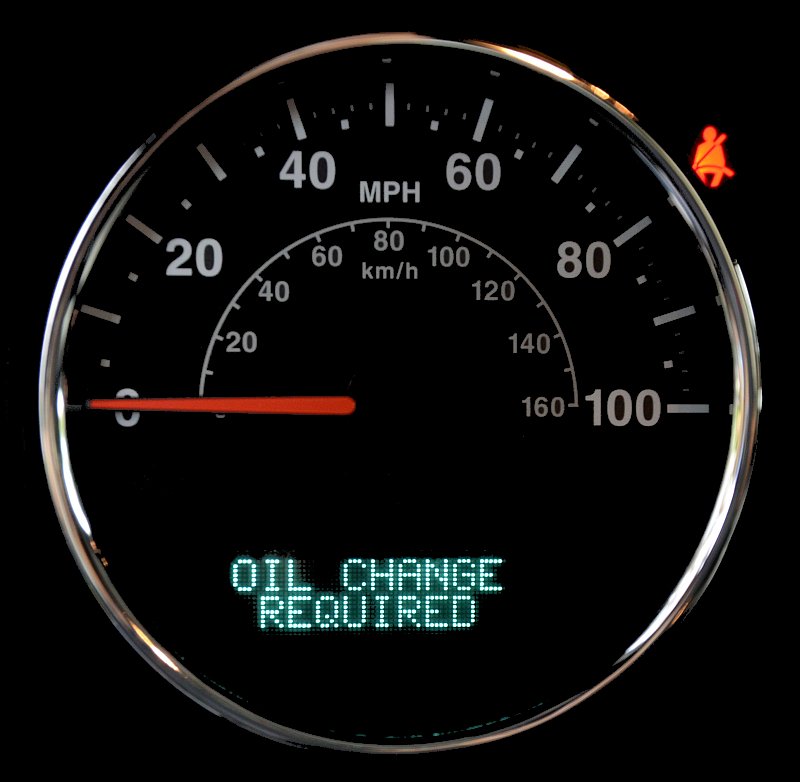
When the oil light appears, it usually means the car’s system has detected that the oil life is low based on distance driven or time passed since the last reset. The light may say “Oil Change Required” or show a simple oil can icon.
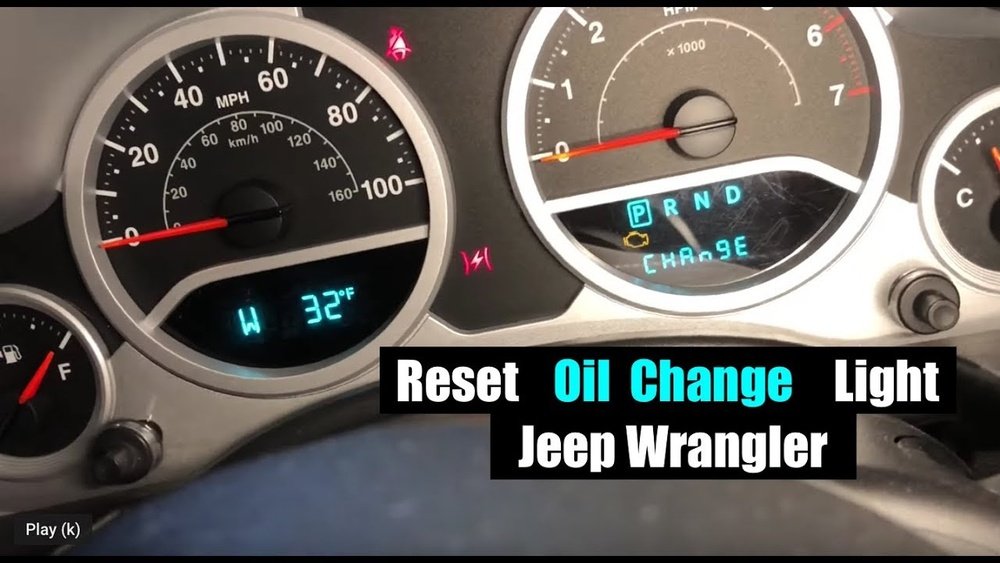
It does not always mean the oil level is low, but you should always confirm you have changed the oil before resetting the light.
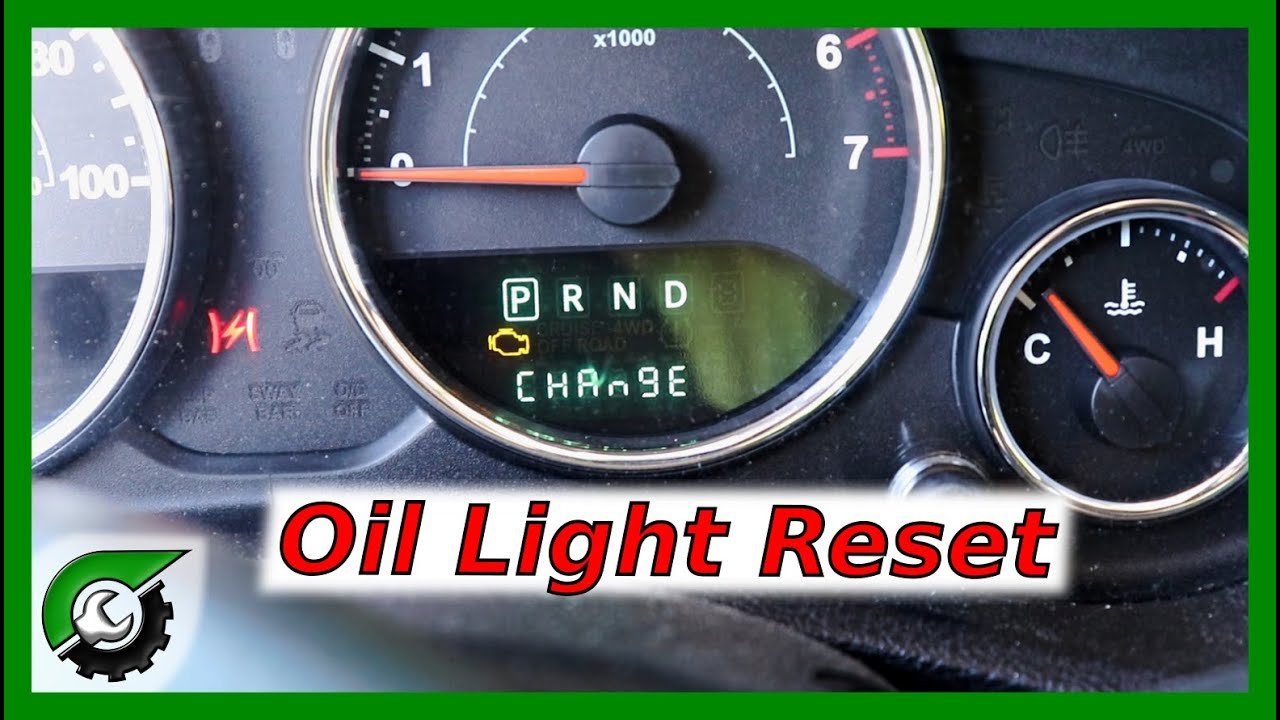
Step-by-step: How To Reset Oil Light 2014 Jeep Wrangler
Resetting the oil change light is a straightforward process. Here’s how you can do it yourself:
- Turn the ignition to ON: Insert your key and turn it to the ON position. Do not start the engine. All the dashboard lights should come on.
- Press the gas pedal slowly three times: Within 10 seconds, press the accelerator pedal all the way to the floor and release it. Do this three times.
- Switch the ignition off: Turn the key back to the OFF position.
- Start the engine: Now start the Jeep as normal. The oil change light should be off.
This process works for most 2014 Jeep Wranglers. If the light stays on, repeat the steps carefully, making sure to press the gas pedal all the way each time.
Common Problems When Resetting The Oil Light
Sometimes, the oil light does not reset on the first try. Here are some common reasons:
- Not pressing the gas pedal all the way down
- Waiting too long between pedal presses
- Not turning the ignition key to the correct position
If you follow the steps exactly and the light remains, you may need to check for other issues or consult a mechanic.
How The Oil Change System Works
The oil monitoring system uses sensors and mileage tracking to estimate oil life. It doesn’t actually test the oil’s quality. Instead, it counts miles and engine starts to estimate when an oil change is needed. This is why you must reset the system after every oil change, or the reminder will not be accurate.
Resetting The Oil Light: Visual Guide
Below is a simple table comparing the steps for the Jeep Wrangler to similar Jeep models:
| Model | Reset Steps | Pedal Presses |
|---|---|---|
| 2014 Jeep Wrangler | Ignition ON, pedal 3x, ignition OFF | 3 |
| 2014 Jeep Cherokee | Ignition RUN, pedal 3x, ignition OFF | 3 |
| 2014 Jeep Grand Cherokee | Start position, pedal 3x, ignition OFF | 3 |
As you can see, the process is almost the same for other Jeep vehicles from the same year.
Tips For A Successful Oil Light Reset
- Follow timing carefully: Complete all pedal presses within 10 seconds.
- Use the correct ignition position: Make sure the engine is off, but the dashboard lights are on.
- Double-check oil change: Only reset the light after you or a mechanic has changed the oil and filter.
- Keep track of your mileage: Write down the mileage and date of your oil change for future reference.
What To Do If The Oil Light Stays On
If you’ve reset the oil light and it stays on, check these things:
- Did you press the gas pedal to the floor each time?
- Did you complete the process within 10 seconds?
- Was the ignition in the correct position?
If you answered yes, and the light still remains, there could be a problem with the oil change sensor or the car’s computer. In rare cases, a faulty oil pressure sensor can cause the light to stay on even after a reset.
When To See A Mechanic
While resetting the oil light is simple, some issues require professional help. Visit a mechanic if:
- The oil light flashes or comes on while driving (this could mean low oil pressure)
- The oil light stays on after multiple reset attempts
- You notice oil leaks or engine noise
A mechanic can run diagnostic tests to see if there’s a deeper issue with the oil system or dashboard electronics.
How Often To Change Oil In A 2014 Jeep Wrangler
Most experts recommend changing the oil every 5,000 to 7,500 miles if you use synthetic oil. Driving in dusty areas, extreme temperatures, or towing can mean you need to change oil more often. Always check your owner’s manual for the recommended interval for your specific driving conditions.
Oil Types And Capacity For 2014 Jeep Wrangler
The 2014 Jeep Wrangler typically uses 5W-20 engine oil. For a standard 3.6L V6 engine, you’ll need about 6 quarts with a new filter. Using the correct oil type and amount helps your engine last longer and ensures the oil system works properly.
Here’s a quick comparison of oil types:
| Oil Type | Viscosity | Recommended For |
|---|---|---|
| Conventional | 5W-20 | Light driving, older engines |
| Synthetic Blend | 5W-20 | Moderate driving, mixed use |
| Full Synthetic | 5W-20 | Heavy use, best protection |
Resetting The Oil Light Vs. Checking Oil Level
It’s important to know that resetting the oil light does not add or change oil. Always check your oil level manually with the dipstick before resetting the light. Running your engine with low oil can cause major damage.
Mistakes To Avoid When Resetting The Oil Light
- Resetting without an oil change: This can lead to engine damage if you forget when the last oil change was done.
- Not pressing the pedal fully: The system may not register the reset.
- Ignoring the light: If the light comes back on soon after a reset, check for leaks or sensor issues.
Many beginners think resetting the oil light will fix all oil problems, but it’s only a reminder system. The oil and filter must be changed at proper intervals for your engine’s health.
Benefits Of Resetting The Oil Light Yourself
Doing this simple reset at home saves you time and money. You won’t need to visit a dealer or pay a mechanic for a basic task.
It also helps you learn more about your Jeep and boosts your confidence in handling regular maintenance.
Oil Light Reset And Warranty
If your Jeep is still under warranty, there’s no harm in resetting the oil light yourself, as long as you keep records of oil changes. Dealers may ask for proof of service if there’s a warranty claim.
Write down the date, mileage, and type of oil used each time.
How Technology Is Changing Oil Maintenance
Newer vehicles have more advanced oil monitoring systems. Some even connect to your phone and tell you exactly when to change oil. The 2014 Jeep Wrangler system is simple but effective. It’s always a good idea to stay updated by reading your owner’s manual or checking reliable sources like the Jeep Official Website.
Quick Reference: Oil Light Reset Steps
| Step | Action |
|---|---|
| 1 | Turn key to ON (don’t start engine) |
| 2 | Press gas pedal to floor three times (within 10 seconds) |
| 3 | Turn key to OFF |
| 4 | Start engine and check oil light |
Two Insights Most People Miss
- Resetting the oil light is not enough: Many drivers think the reset means the oil is good. Always change the oil before resetting the light. The reset is only for the reminder, not the oil quality.
- Oil life monitoring is an estimate: The system doesn’t test your oil’s real condition. If you drive in tough conditions, change oil more often than the reminder suggests.
Staying On Top Of Routine Maintenance
Resetting the oil light is one small part of caring for your 2014 Jeep Wrangler. Make a habit of checking other fluids, tire pressure, and brakes regularly. Keeping a simple log in your glove box or phone can help you track when maintenance is due.
A well-maintained Wrangler lasts longer and gives you more peace of mind on every adventure. With just a few minutes and the right steps, you can keep your Jeep’s systems working as they should.
Frequently Asked Questions
How Often Should I Change Oil In My 2014 Jeep Wrangler?
For most drivers, every 5,000 to 7,500 miles is ideal. If you drive in tough conditions (extreme weather, off-road, towing), change oil more often.
Will Resetting The Oil Light Fix Oil Problems?
No. Resetting the light only turns off the reminder.
It does not fix low oil, leaks, or engine problems.
What If The Oil Light Comes Back Soon After Resetting?
Double-check that you changed the oil. If you did, and the light still returns, there may be a sensor or wiring issue. See a mechanic.
Can I Reset The Oil Light Without Changing The Oil?
Technically yes, but it’s not safe. Always change the oil before you reset the reminder to avoid engine damage.
Is It Ok To Use Synthetic Oil In My 2014 Jeep Wrangler?
Yes, synthetic oil (5W-20) is recommended for the best engine protection and longer life.
Taking care of your Wrangler’s oil system is simple but important. By learning how to reset the oil light and understanding what it means, you’ll be ready for many miles of safe driving.