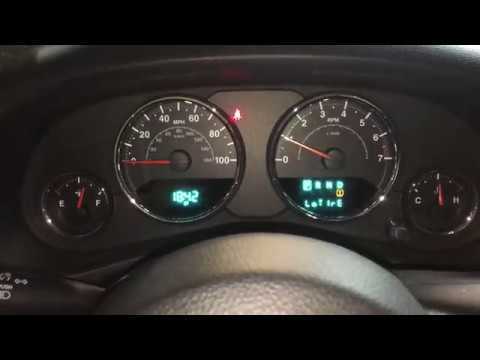
If you own a 2010 Jeep Patriot, you’ve probably seen the low tire pressure light on your dashboard at least once. This little icon can cause worry, especially if you’re not sure how to turn it off.
The good news is, resetting the low tire pressure light isn’t complicated when you understand the process and avoid common mistakes. This guide will walk you through every step, explain how your Jeep’s tire pressure monitoring system (TPMS) works, and help you avoid confusion or wasted time.
Why Does The Low Tire Pressure Light Come On?
The low tire pressure light comes on when one or more tires drop below the recommended psi (pounds per square inch). For a 2010 Jeep Patriot, the ideal tire pressure is usually 32 psi for all four tires (check your owner’s manual or the sticker inside the driver’s door for the exact number). Even a change in weather can trigger the light, since cold temperatures cause air to contract and lower the pressure.
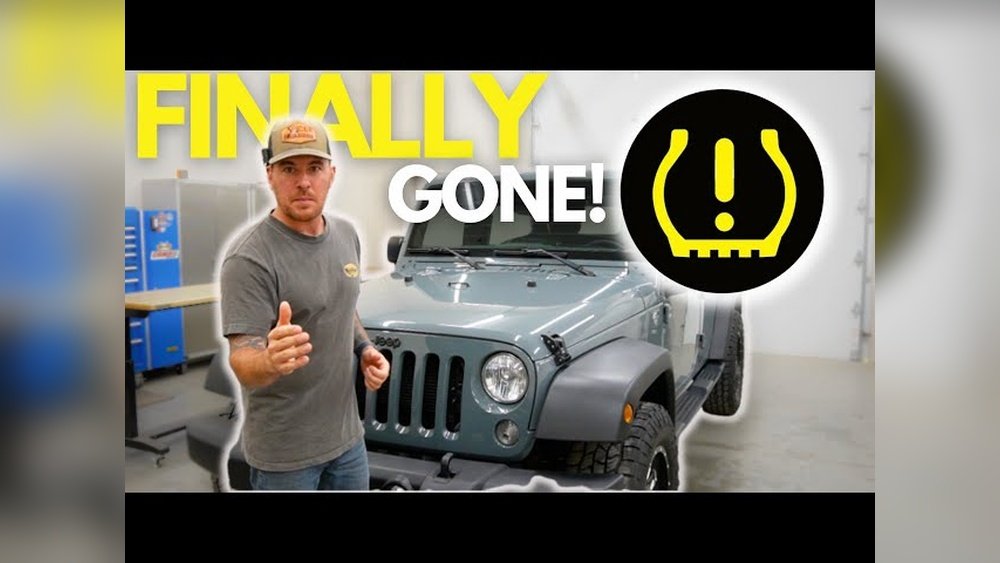
Ignoring this warning isn’t smart. Low tire pressure can:
- Lower your fuel efficiency
- Make your car handle poorly
- Increase tire wear
- Raise the chance of a blowout
So, if you see the TPMS warning, take it seriously.
How The Jeep Patriot’s Tpms Works
The Tire Pressure Monitoring System (TPMS) on your 2010 Jeep Patriot uses sensors inside each wheel to keep track of air pressure. If one or more sensors detect a drop below the set threshold, the warning light appears. The system is quite sensitive—sometimes, even a 2-3 psi drop is enough to trigger it.
There are two main types of TPMS systems:
- Direct TPMS: Sensors inside each wheel measure tire pressure.
- Indirect TPMS: Uses the ABS system to estimate tire pressure based on wheel speed.
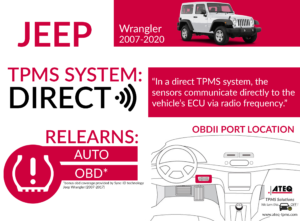
The 2010 Jeep Patriot uses a direct TPMS system. This means each tire has a battery-powered sensor inside, which communicates with the car’s computer.
Steps To Reset Low Tire Pressure Light On A 2010 Jeep Patriot
Let’s go through the full reset process. Following these steps correctly will save you frustration and help your car stay safe.
1. Check And Adjust Tire Pressure
First, make sure all tires are inflated to the correct 32 psi.
- Use a reliable tire pressure gauge (digital is best for accuracy).
- Remove the valve cap from each tire.
- Press the gauge onto the valve stem and read the number.
- If it’s too low, add air at a gas station or with a home compressor.
- If it’s too high, release a bit of air until it matches the target.
Don’t forget the spare tire—some Patriots have a full-size spare with a sensor.
2. Drive Your Jeep To Trigger The Reset
After inflating all tires, drive your Jeep at 30 mph or higher for at least 10 minutes. This allows the sensors to communicate with the car’s computer and recognize the new pressure.
- Drive on a safe, open road.
- Avoid heavy traffic or repeated stops.
- Don’t rush—steady driving helps the system reset.
Usually, the light will go off during or after this drive. If not, try again for a slightly longer distance (15-20 minutes).
3. Hard Reset The Tpms System (if Needed)
If the light stays on after inflating the tires and driving, a hard reset may be needed. Here’s how:
- Turn the ignition to the “ON” position (do not start the engine).
- Slowly deflate all four tires to below 20 psi, then re-inflate them to the correct 32 psi.
- Drive the vehicle for 10-20 minutes at 30 mph or above.
This method forces the system to re-learn the new pressures.
4. Disconnect The Battery (advanced Step)
If the above steps fail, you can try disconnecting the car battery:
- Turn off the ignition.
- Open the hood and disconnect the negative battery cable using a wrench.
- Wait 10-15 minutes.
- Reconnect the battery cable tightly.
- Start the Jeep and check if the light is off.
Only use this method if you’re comfortable working with car batteries, as it may reset other electronic settings.
5. Check For Faulty Tpms Sensors
If the light stays on, even after trying everything, you might have a bad TPMS sensor. Each sensor has a battery (life is about 7-10 years). If your Patriot is from 2010, the original sensors may be failing by now.
A mechanic can scan your system and find out which sensor is bad. Replacing a sensor usually costs $50–$150 per wheel, including labor.
Common Mistakes When Resetting The Light
Many Jeep Patriot owners make some easy-to-avoid errors:
- Assuming all tires need the same air: Sometimes one tire is much lower than the others.
- Ignoring the spare: If your spare has a sensor, it must also be at the correct pressure.
- Not driving long enough: The system needs time to update after changes.
- Using inaccurate gauges: Old or cheap gauges can give wrong readings.
- Resetting before checking tires: Always check and fill tires before attempting a reset.
When The Light Won’t Go Off: Troubleshooting Guide
If you’ve followed all steps and the light still won’t turn off, try these strategies.
Double-check Tire Pressures
Cold weather can cause pressure to drop overnight. Check your tires first thing in the morning, when they’re “cold” (haven’t been driven on for several hours).
Inspect For Slow Leaks
A small nail or screw can cause a slow leak. Spray soapy water around the tire tread and valve stem if you see bubbles, there’s a leak.
Visit A Mechanic For A Tpms Scan
Most repair shops have a TPMS scan tool. This device can check each sensor’s battery and signal.
If a sensor isn’t responding, it needs replacement.
Replace Dead Sensors
If your Jeep is over 10 years old, sensor batteries may be dead. Replacing them is the only fix.
Comparing Reset Methods
Here’s a quick comparison of the most common ways to reset the low tire pressure light on your 2010 Jeep Patriot:
| Method | Difficulty | Success Rate | Time Required |
|---|---|---|---|
| Inflate & Drive | Easy | High | 10–20 minutes |
| Hard Reset (Deflate & Inflate) | Medium | Moderate | 30–40 minutes |
| Disconnect Battery | Advanced | Low | 20–30 minutes |
| Replace Sensor | Expert | High | 1–2 hours |
Most owners succeed with the first method. Only move to advanced steps if the simple ones don’t work.
Seasonal Tire Pressure Changes
In cooler months, tire pressure drops by about 1 psi for every 10°F decrease in temperature. It’s normal for the light to come on in fall or winter, even if your tires were fine in summer. If you live in a place with big temperature swings, check your tire pressure every month, especially when seasons change.
Preventing Future Tpms Issues
You can reduce the chances of seeing the low tire pressure light by taking a few simple steps:
- Check tire pressure monthly using a quality gauge.
- Inspect tires for damage like nails, cracks, or bulges.
- Rotate your tires every 6,000–8,000 miles.
- Replace old sensors proactively if your Jeep is over 10 years old.
- Keep your spare tire inflated if it has a sensor.
How Tpms Sensors Compare To Traditional Checks
Is the TPMS system more reliable than just using a manual gauge? Here’s a side-by-side look:
| Feature | TPMS Sensors | Manual Gauge |
|---|---|---|
| Accuracy | High, real-time | High, if quality gauge is used |
| Warning System | Automatic dashboard alert | None |
| Maintenance Required | Battery replacement every 7-10 years | Manual check every month |
| Cost | More expensive to replace | Low (gauge cost only) |
A TPMS system is convenient but not a substitute for periodic manual checks, especially if you suspect a slow leak.
Real-world Example
Sarah, a 2010 Jeep Patriot owner in Michigan, noticed her TPMS light came on every fall. She used to just ignore it, but then she had a flat tire on the highway. After learning how to check tire pressure and reset the system, she caught a slow leak before it became a problem. Her advice: “Don’t rely on the light alone—check your tires yourself too.”
Extra Tips For Jeep Patriot Owners
- Store a digital gauge in your glovebox for quick checks.
- If replacing tires, ask the shop to check TPMS sensor health.
- After tire service, always confirm the shop reset the TPMS light before leaving.
- If you get aftermarket wheels, make sure they’re compatible with Jeep’s sensors.
If You Need Professional Help
Sometimes, you’ll run into a stubborn TPMS light or a faulty sensor you can’t fix yourself. Certified mechanics have special tools that can reprogram or replace sensors.
It’s better to pay for a diagnosis than guess and risk driving with underinflated tires.
For more details on how tire pressure monitoring works, you can visit the Wikipedia TPMS page.
Frequently Asked Questions
Why Does My Tpms Light Come On In Cold Weather?
Cold temperatures cause air inside tires to contract, lowering pressure. Even a small drop can trigger the TPMS light.
Check and refill your tires when the weather changes.
Can I Drive With The Low Tire Pressure Light On?
It’s not safe. Low pressure makes your tires wear out faster, hurts fuel economy, and increases the risk of a blowout. Fix the problem as soon as possible.
How Long Do Tpms Sensors Last On A 2010 Jeep Patriot?
Most TPMS sensors last 7–10 years. After that, their batteries fail, and the sensor must be replaced. If your Jeep is still using original sensors, they may be near the end of their life.
Do I Need To Reset The Tpms After Changing Tires?
Yes. New tires or rotating tires can confuse the system.
Inflate all tires to the correct pressure and drive for 10 20 minutes to allow the system to update.
What Should I Do If The Light Flashes, Not Stays On?
A flashing light usually means a sensor is malfunctioning or its battery is dead. Have a shop scan your system to identify and fix the problem.
By following these steps and tips, you’ll keep your 2010 Jeep Patriot safe and your TPMS working as intended. A little attention now can prevent bigger problems later.