If your battery light just turned on in your Jeep Grand Cherokee, you might feel worried. That little red or yellow symbol means your SUV’s electrical system needs attention. While the battery light doesn’t always mean your battery is dead, it does signal a problem that you shouldn’t ignore. Sometimes, after fixing the issue, the light stays on. Resetting it the right way can save you stress and help keep your Jeep running strong. Here’s a simple, clear guide to understanding and resetting the battery light on your Jeep Grand Cherokee.
What Does The Battery Light Mean?
When the battery warning light glows on your dashboard, it shows your Jeep’s charging system is not working as it should. This can be caused by:
- A weak or dead battery
- A broken alternator
- Loose or corroded battery cables
- Faulty wiring or connectors
Ignoring the light can lead to your car stalling or not starting at all. Around 43% of breakdowns are related to battery or electrical problems, so acting quickly is smart.
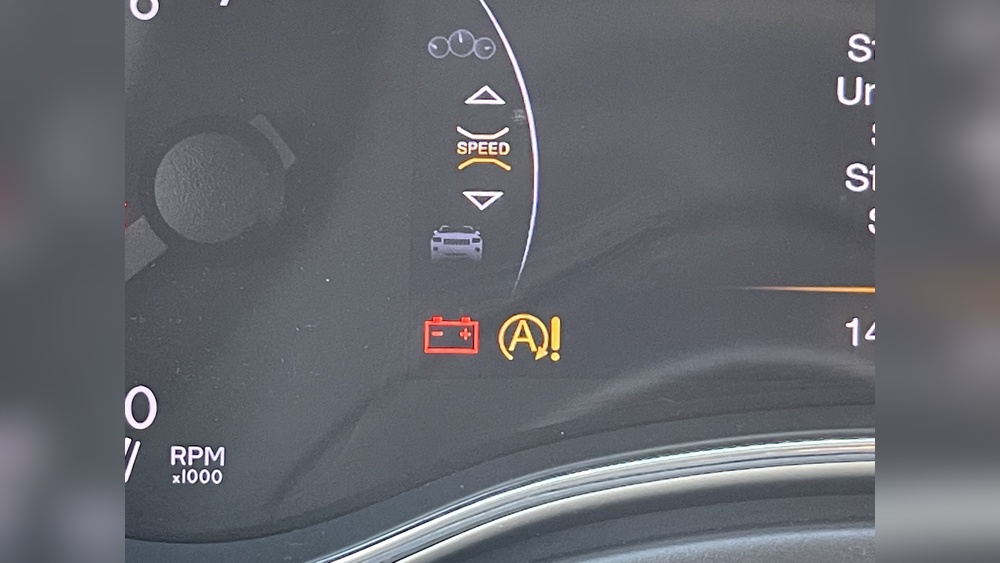
Common Causes: Why The Battery Light Stays On
Before you try to reset the battery light, it’s important to know why it came on. Resetting without fixing the root cause won’t solve the problem. Let’s look at the main reasons:
| Cause | How It Affects Your Jeep |
|---|---|
| Bad Battery | Car may not start, electronics fail |
| Faulty Alternator | Battery drains while driving |
| Loose Cables | Weak connection, warning light on |
| Broken Belt | Alternator cannot charge battery |
Many people forget to check the serpentine belt. If this belt breaks, the alternator stops working, and the light comes on even if your battery is new.

How To Reset The Battery Light On Your Jeep Grand Cherokee
Resetting the battery light is simple once you’ve fixed the real problem. Here are the steps:
1. Fix The Underlying Issue
Before any reset, make sure you have:
- Tested the battery – Use a voltmeter. A healthy battery should read 12.6 volts when the engine is off and 13.7–14.7 volts when running.
- Checked the alternator – If the voltage drops below 13 volts when running, the alternator may be bad.
- Inspected cables and connectors – Clean off any corrosion and tighten loose connections.
2. Soft Reset (disconnect Battery)
A soft reset often turns off the battery light if the issue is fixed.
- Turn off the engine and remove the key.
- Open the hood and use a wrench to disconnect the negative battery terminal (the black cable).
- Wait 10–15 minutes. This lets the car’s computer (ECU) reset.
- Reconnect the negative cable and tighten it.
- Start your Jeep. If the light is off, you’re done.
3. Use An Obd2 Scanner
If the light stays on, try an OBD2 scanner. This tool checks and clears error codes.
- Plug the scanner into the port below the steering wheel.
- Turn the ignition to ON (engine off).
- Read the codes. Fix any problems listed.
- Use the scanner’s menu to clear error codes.
- Start the engine and check the dashboard.
Most auto parts stores will scan your codes for free if you don’t have a scanner.
4. Hard Reset (battery Disconnect For 30 Minutes)
If the light still won’t go away, a longer battery disconnect may help.
- Remove the negative battery cable again.
- Wait 30 minutes or more.
- Reconnect and start the car.
This deeper reset sometimes works for stubborn warning lights.
Key Differences: Battery Light Vs. Other Warning Lights
It’s easy to confuse the battery light with other dashboard warnings. Here’s a quick comparison:
| Light | Meaning | Action Needed |
|---|---|---|
| Battery Light | Charging system fault | Check battery/alternator |
| Check Engine | Many possible issues | Scan for codes |
| Oil Pressure | Low oil | Check oil level |
The battery light is only about charging and electrical power. Don’t confuse it with the check engine light.

Important Tips And Mistakes To Avoid
Many Jeep owners try to reset the light without fixing the real problem. This is a common mistake. The light will come back if the issue is not fixed.
- Tip: Always test your battery and alternator before resetting.
- Tip: If you see flickering lights or smell burning, get your Jeep checked by a mechanic immediately.
- Don’t ignore other warning lights that may appear with the battery light.
- After a reset, drive for 10–15 minutes to let the system check itself.
A second insight many miss: A new battery doesn’t always fix the light. If your alternator is bad, the new battery will also drain quickly.
When To Seek Professional Help
If you’ve tried all the steps and the light stays on, your Jeep may have a deeper electrical problem. Modern Grand Cherokees (2011 and newer) have complex systems that sometimes need special tools to reset.
In these cases, a certified Jeep technician can help.
They have factory-level scanners and can update your car’s software if needed.

Frequently Asked Questions
How Long Can I Drive With The Battery Light On?
You should not drive long with the battery light on. Your Jeep can lose all electrical power in as little as 15 to 30 minutes if the alternator isn’t charging. Turn off extra electronics and get help quickly.
Will Disconnecting The Battery Reset The Battery Light?
Yes, disconnecting the negative terminal can reset the light, but only if the problem is fixed. If not, the light will return once you drive again.
Can A Bad Alternator Cause The Battery Light To Stay On?
Absolutely. A faulty alternator is a top reason for the battery light. If the alternator fails, your battery will not recharge, and the light will stay on until it’s repaired.
What Voltage Should My Jeep’s Battery Show?
A healthy battery should show 12.6 volts when the car is off and 13.7–14.7 volts while running. Lower readings mean your charging system needs attention.
Where Can I Learn More About Jeep Dashboard Warning Lights?
For more information, check the official Jeep Maintenance Guide. It explains dashboard lights, maintenance tips, and when to see a dealer.
Taking care of your Jeep Grand Cherokee’s battery light is more than just resetting a symbol. Fix the true cause, follow these steps, and your SUV will stay reliable for years. If in doubt, trust a professional to keep you safe on the road.