Replacing windshield wipers on your Jeep Wrangler may seem small, but it makes a big difference in safety and visibility. Worn-out wipers can leave streaks and reduce your ability to see in rain or snow. The good news: changing them yourself is simple, affordable, and takes just a few minutes. In this guide, you’ll learn exactly how to replace windshield wipers on a Jeep Wrangler, what tools you need, and some useful tips that most beginners miss.
Why Replacing Wipers Matters
Your windshield wipers are your first line of defense against bad weather. Old blades can chatter, skip, or smear water instead of clearing it. According to the National Highway Traffic Safety Administration, poor visibility is a key factor in thousands of accidents every year. For Jeep Wrangler owners, who often drive in off-road or tough conditions, reliable wipers are even more important.
Choosing The Right Wiper Blades
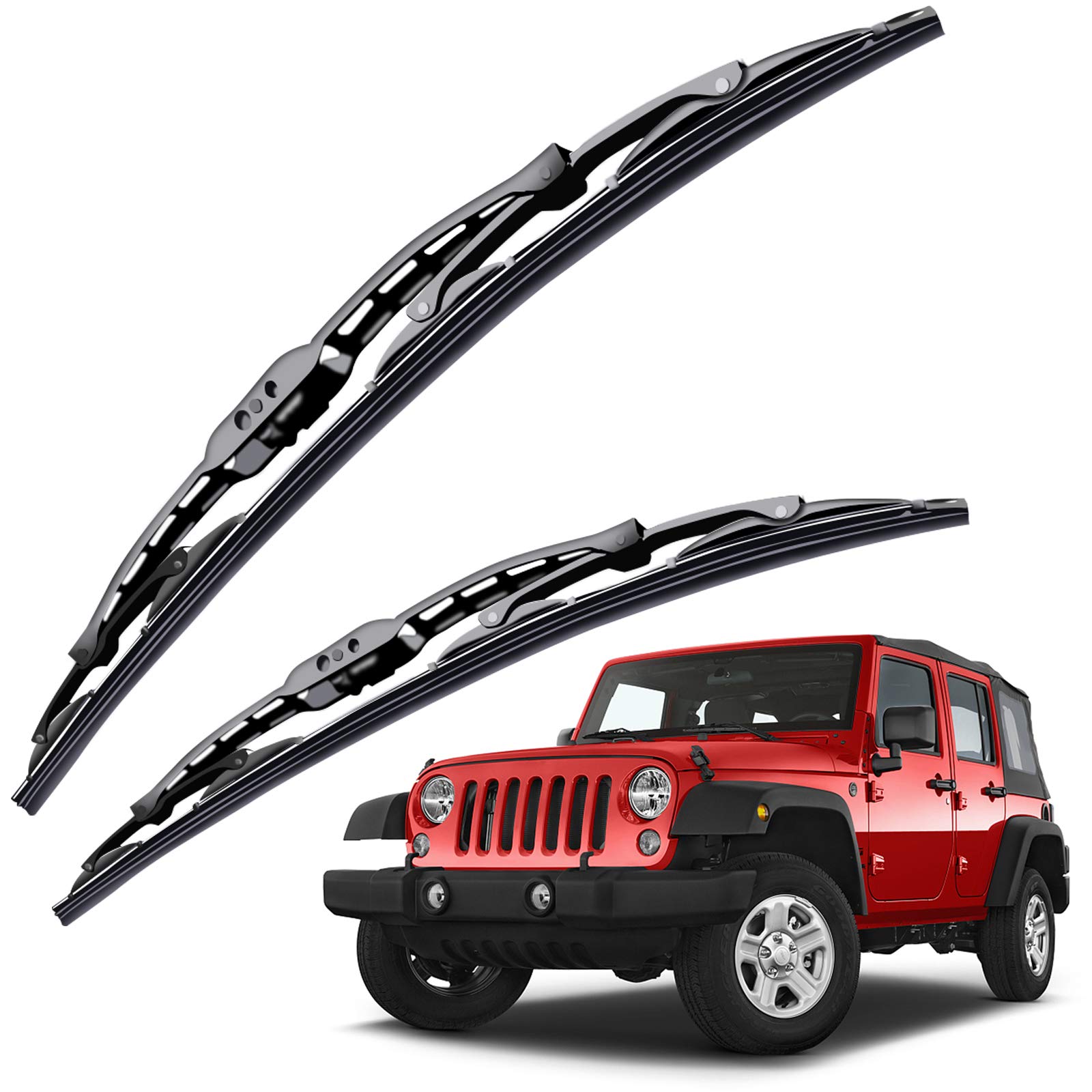
Before you start, you need the correct size and type of wiper blade. Jeep Wrangler wipers vary by model year, so always check your owner’s manual or measure your old blades. Most modern Wranglers use:
| Model Year | Driver Side | Passenger Side |
|---|---|---|
| 2018–2024 (JL) | 18 inches | 18 inches |
| 2007–2017 (JK) | 15 inches | 15 inches |
| 1997–2006 (TJ) | 13 inches | 13 inches |
Not all wipers are the same. You’ll see conventional, beam, and hybrid blades. Beam blades are more flexible and perform better in snow or mud, which is common for Jeep owners. Choose a quality brand for better durability.
Tools And Materials Needed
You won’t need any special tools, but having these items ready helps:
- New wiper blades (correct size)
- Clean towel
- Small screwdriver (rarely needed)
Some wiper arms have a locking tab that may require a small flathead screwdriver. Most do not.
Step-by-step: How To Replace Windshield Wipers Jeep Wrangler
Follow these steps for a quick, safe swap:
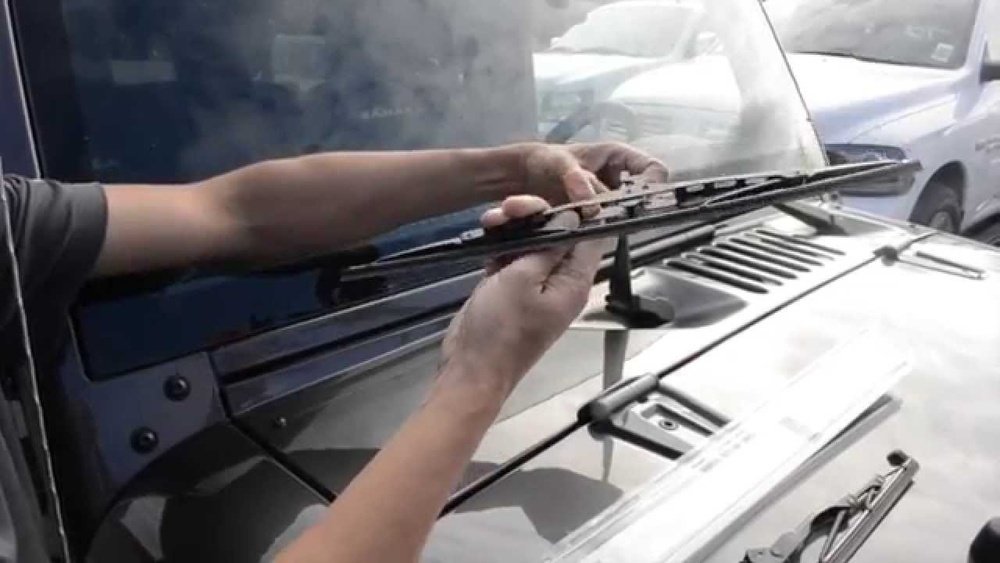
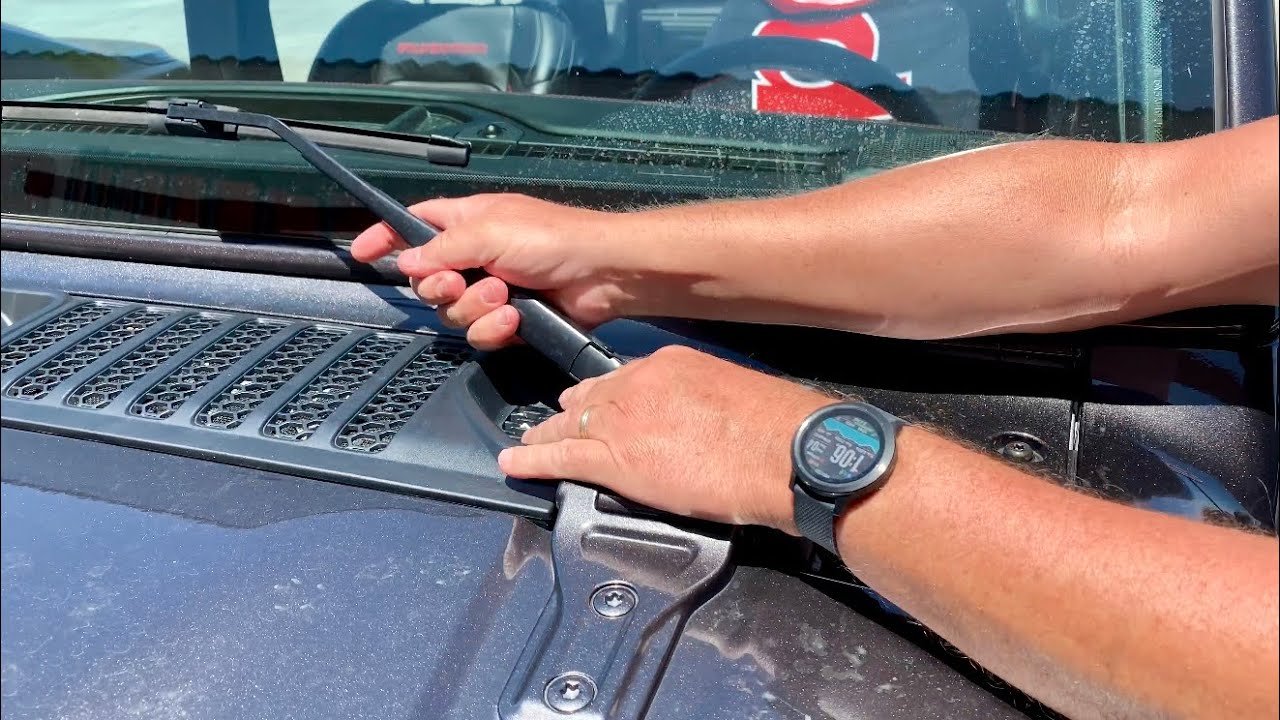
- Lift the wiper arm: Gently pull the wiper arm away from the windshield until it stands up. Don’t force it—Wrangler arms are spring-loaded.
- Locate the release tab: On most Wranglers, you’ll find a small tab or button where the wiper blade connects to the arm. Press or pull this to release the blade.
- Slide the old blade off: While holding the tab, slide the blade downward (toward the base of the arm) to unhook it.
- Prepare the new blade: Remove any protective cover from the rubber edge. Some blades have adapters; choose the one that matches your Jeep.
- Attach the new blade: Hook the new blade onto the arm’s J-hook (or snap-in fitting, depending on your model). You’ll hear a click when it’s secure.
- Lower the arm gently: Don’t let it snap back—this can crack your windshield.
- Test the new blades: Spray washer fluid and check for smooth, streak-free wiping.
A Visual Comparison: Old Vs. New Blades
Here’s how to tell when your wipers need changing:
| Condition | Old Blade | New Blade |
|---|---|---|
| Appearance | Cracked, bent, or split rubber | Smooth, flexible rubber |
| Performance | Leaves streaks or misses spots | Wipes cleanly in one pass |
| Sound | Chattering or squeaking | Quiet, even movement |
Common Mistakes To Avoid
Replacing wiper blades is straightforward, but these errors are common:
- Forcing the arm: This can bend the mechanism or crack the windshield.
- Wrong blade size: Even one inch off can cause poor coverage or scratching.
- Skipping the test: Always run the wipers after installation to check for proper contact.
- Not cleaning the windshield: Dirt can reduce blade life and scratch glass.
Extra Tips For Jeep Wrangler Owners
Jeep Wranglers often face mud, dust, and harsh sun. Here are a few extra pointers:
- Replace blades every 6–12 months, or sooner if you drive off-road often.
- Lift wipers off the glass in snow or ice to prevent sticking.
- Clean your wiper blades with a damp towel during oil changes.
- Keep spare blades in your glovebox if you go on long trips.
Most beginners forget that sun and UV exposure can wear out wipers just as quickly as use. If your Jeep spends a lot of time outdoors, check your blades more often.

Cost And Value
Wiper blades for Jeep Wranglers usually cost $15–$30 per blade. Premium beam blades may cost more, but they last longer and perform better in tough weather. Here’s a quick price comparison:
| Type | Average Price (each) | Expected Lifespan |
|---|---|---|
| Conventional | $10–$20 | 6 months |
| Beam | $20–$35 | 9–12 months |
| Hybrid | $18–$28 | 9 months |
Safety Reminders
Always handle the wiper arms with care. If they snap down without a blade, your windshield can chip or crack. If you’re unsure about the process, many auto parts stores will install blades for free if you buy from them.
For more detailed Jeep-specific maintenance, you can visit the official Jeep Owner Site.
Frequently Asked Questions
How Often Should I Replace My Jeep Wrangler Wiper Blades?
Most experts recommend replacing wipers every 6 to 12 months, but check more often if you notice streaking, noise, or if you drive in harsh conditions.
Can I Use Universal Wiper Blades On My Jeep Wrangler?
Yes, as long as the size and connector match your Wrangler’s wiper arm. Universal blades often come with multiple adapters, but always double-check fit before buying.
Do I Need Any Tools To Change The Wiper Blades?
Usually, no tools are needed. Some models may require a small flathead screwdriver to release a locking tab, but most Jeep Wranglers use a simple hook or clip system.
What If My New Wipers Are Streaking Or Making Noise?
Make sure the wiper blades are installed correctly and the windshield is clean. If streaking continues, the blades may be defective or the wrong size.
Premium blades like beam wipers cost more but offer better performance in heavy rain, snow, and mud—common for Jeep Wranglers. They also tend to last longer, making them a good value for most drivers.
Changing your Jeep Wrangler’s windshield wipers is a quick job that pays off in safer driving. With the right blades and a few careful steps, you’ll enjoy clear vision in any weather.
Check your wipers regularly, and don’t wait until the next big storm to make this simple upgrade.


















