Replacing a wheel stud on your Jeep Liberty can seem intimidating, especially if you’ve never worked on your vehicle before. But with the right guidance, tools, and patience, you can safely restore your wheel’s security and avoid expensive mechanic fees.
This guide breaks down the process in simple steps, explains the parts involved, highlights common mistakes, and provides practical tips so you can finish the job confidently—even if English isn’t your first language.
Understanding Wheel Studs
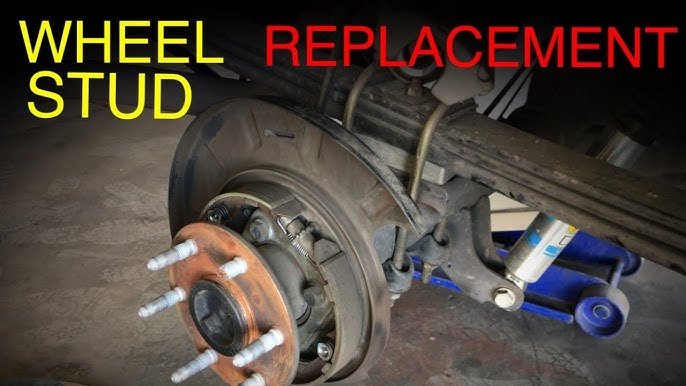
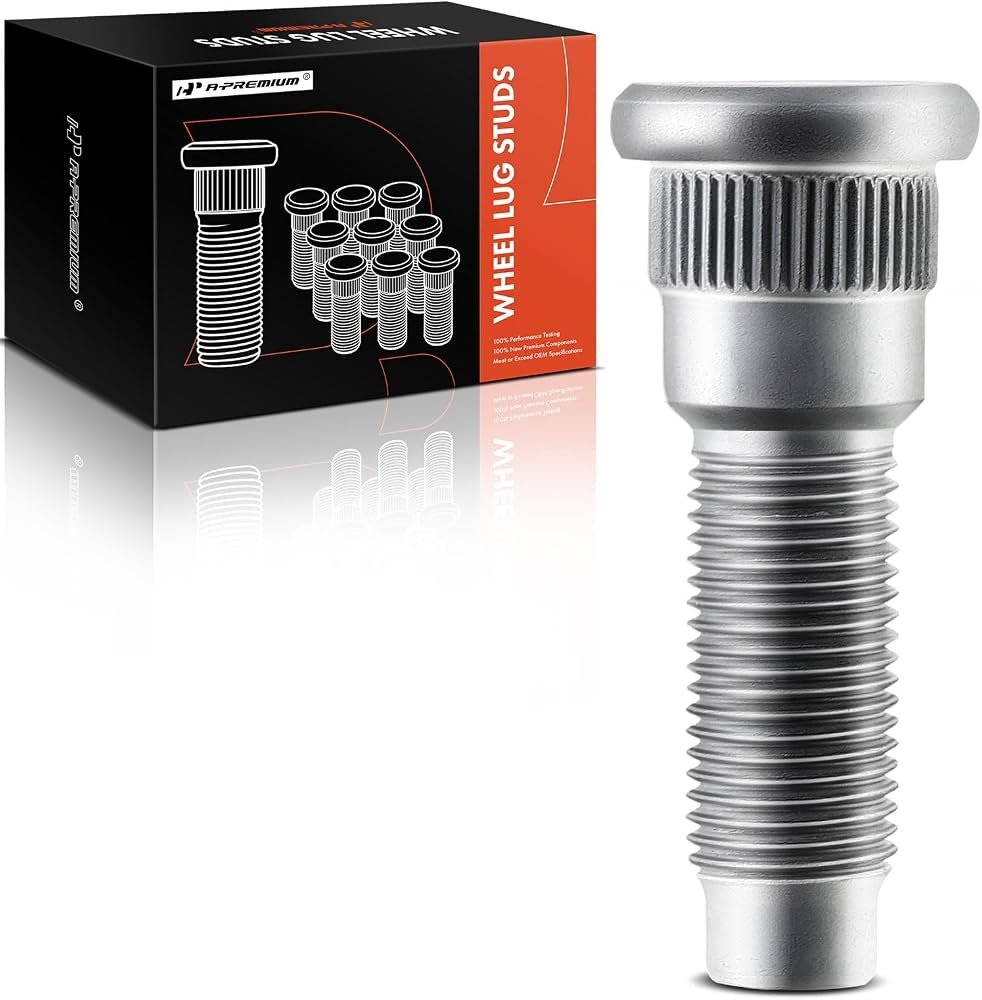
Wheel studs are the threaded rods that stick out from your car’s wheel hub. You place the wheel onto these studs, then secure it with lug nuts. If a stud is damaged, broken, or stripped, it can make your wheel unsafe. Driving with a missing or broken stud can risk wheel detachment—which is very dangerous.
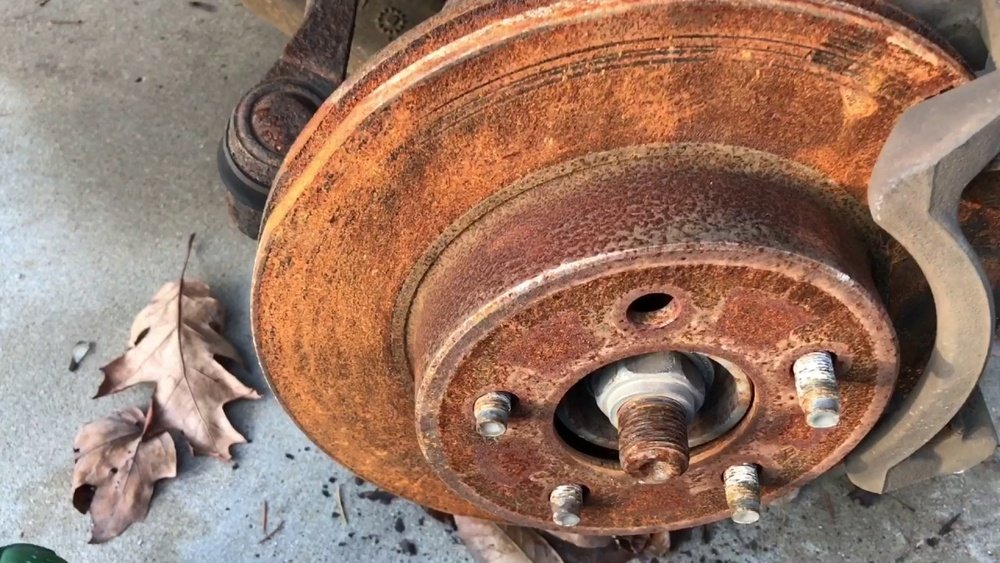
A Jeep Liberty uses standard wheel studs, but the process to replace them is similar to other vehicles. Knowing how wheel studs work helps you understand why replacing them correctly is important.
Why Wheel Studs Fail
- Corrosion: Water, salt, and dirt can rust the studs.
- Over-tightening: Using too much force when tightening lug nuts can break or stretch studs.
- Cross-threading: Lug nuts not lined up properly can damage the threads.
- Accidents: Impact or rough terrain can bend or snap studs.
If you notice a missing or damaged stud, fix it as soon as possible. Do not drive with fewer than the required number of lug nuts.
Tools And Materials You Will Need
Before starting, gather the following tools and materials:
- Socket set (with various sizes)
- Breaker bar or sturdy wrench
- Torque wrench (for correct tightening)
- Hammer (preferably a brass or rubber mallet)
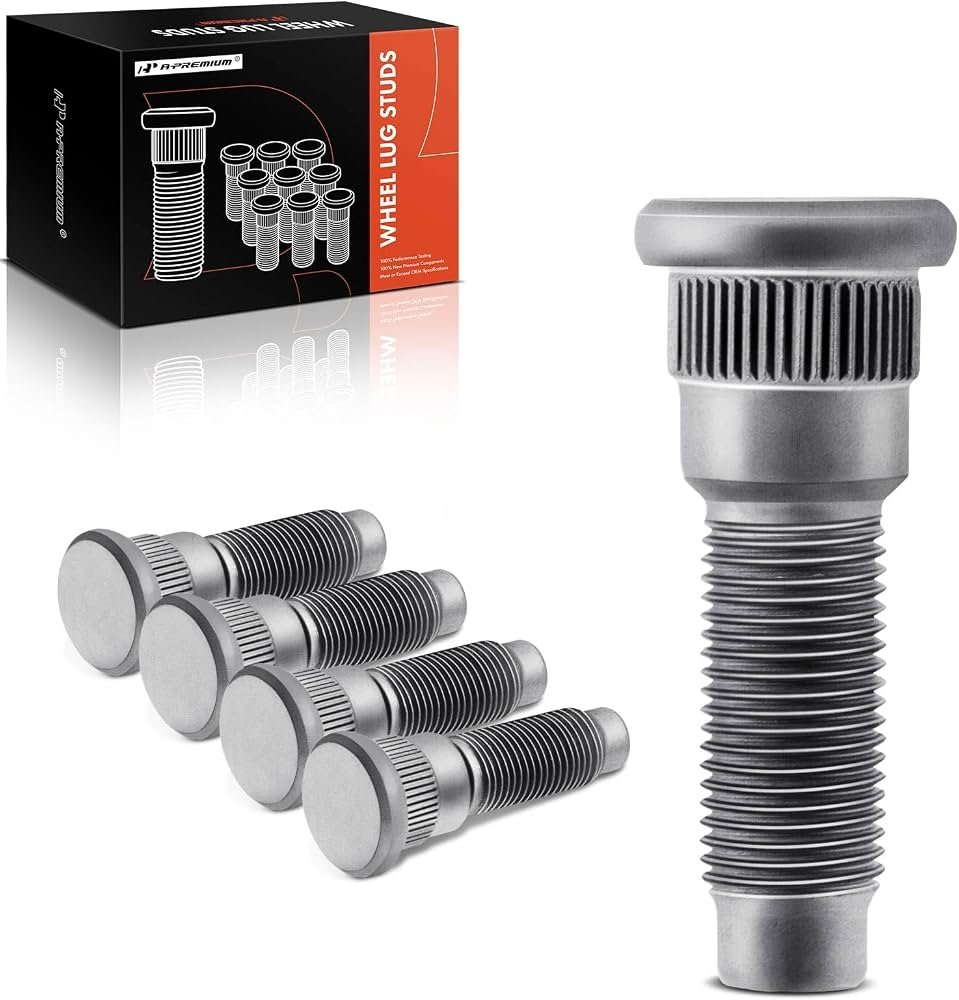
- Wheel stud (matching Jeep Liberty specs)
- Lug nut (if the old one is damaged)
- Jack and jack stands
- Penetrating oil (to loosen rusted parts)
- Pry bar (optional, for stubborn parts)
- Grease (for lubrication)
- Safety glasses and gloves
Having all tools ready saves time and prevents mistakes. Make sure your replacement stud matches the factory size. Jeep Liberty wheel studs are typically M12 x 1.5 with a length of about 42mm.
Safety Precautions
Always work on a flat, stable surface. Use jack stands never rely only on a jack, which can slip.
Wear gloves and eye protection. If you’re unsure about any step, ask for help or consult a mechanic.
Common Safety Mistakes
- Lifting the car on uneven ground
- Not using jack stands
- Forgetting to block the wheels
- Working without eye protection
Taking these precautions reduces risk and helps you avoid injuries or damage.
Step-by-step Guide To Replacing A Wheel Stud
1. Prepare The Vehicle
Park your Jeep Liberty on a flat surface. Engage the parking brake.
Place wheel chocks behind the wheels you’re not working on.
Loosen the lug nuts on the wheel you’ll remove but do not take them off yet. This prevents the wheel from spinning when lifted.
2. Lift And Secure The Jeep
Use the jack to lift the side of your Jeep Liberty where the damaged stud is. Place jack stands under the frame for support.
Lower the vehicle onto the stands. Make sure it is stable.
Remove the loosened lug nuts, then take off the wheel.
3. Access The Wheel Hub
If you’re working on the rear wheel, you may need to remove the brake drum. For front wheels, remove the brake caliper and rotor.
Use your socket set for bolts. Spray penetrating oil if bolts are rusted.
4. Remove The Damaged Stud
Look at the back of the hub. The stud will be pressed into place.
Use a hammer to knock the stud out from the back. Hit it hard enough to push it through, but avoid damaging the hub.
If the stud is stuck, use penetrating oil and let it sit for several minutes.
5. Install The New Wheel Stud
Insert the new stud into the hole from the back of the hub. Make sure it lines up straight.
Place a few washers over the stud, then screw on a lug nut.
Tighten the lug nut with a wrench. As you tighten, the stud will pull itself into place.
Stop when the stud head is flush with the back of the hub.
Remove the lug nut and washers.
6. Reassemble And Tighten
Replace the brake rotor or drum, caliper, and wheel. Hand-tighten the lug nuts.
Lower your Jeep Liberty off the jack stands. Use a torque wrench to tighten each lug nut to 100 ft-lbs (Jeep Liberty specification). Tighten nuts in a star pattern for even pressure.
7. Final Safety Check
Spin the wheel by hand. Make sure there is no rubbing or strange noise.
Check the new stud and all lug nuts.
Drive slowly at first. After 50 miles, recheck the lug nut torque.
Jeep Liberty Wheel Stud Sizes And Torque Settings
To help you choose the correct replacement stud and avoid mistakes, here is a comparison of typical wheel stud sizes and torque values for the Jeep Liberty:
| Year | Stud Size | Thread Pitch | Torque Spec |
|---|---|---|---|
| 2002-2007 | M12 x 1.5 | 1.5 mm | 100 ft-lbs |
| 2008-2012 | M12 x 1.5 | 1.5 mm | 100 ft-lbs |
Always check your owner’s manual or parts catalog for your exact model year.
Practical Tips For A Smooth Replacement
Lubrication And Rust Removal
Use penetrating oil on rusted bolts or studs. It makes removal much easier and prevents breaking bolts. If you see a lot of rust, scrub with a wire brush before starting.
Avoid Cross-threading
When installing the new stud, make sure it is straight. If you force it at an angle, the threads can be damaged.
Always start the lug nut by hand before using a wrench.
Proper Torque
Using a torque wrench is important. Over-tightening can damage the stud or stretch threads. Under-tightening can make the wheel unsafe. The correct torque for a Jeep Liberty is 100 ft-lbs.
Star Pattern Tightening
When reinstalling the wheel, tighten the lug nuts in a star pattern. This gives even pressure and prevents the rotor from warping.
Double-check Parts
Always compare your new stud with the old one. Check length, diameter, and thread pitch.
If you install the wrong size, it may not hold the wheel securely.
Common Mistakes And How To Avoid Them
- Using the wrong stud size: Always check your vehicle specs.
- Not cleaning the hub: Dirt and rust can prevent the stud from seating fully.
- Forgetting washers when pulling the stud in: Washers protect the hub from damage.
- Not using a torque wrench: Guessing tightness is risky.
- Skipping safety steps: Always use jack stands and protective gear.
These mistakes are easy to avoid with careful preparation.
Jeep Liberty Wheel Stud Replacement Cost Comparison
If you consider doing it yourself versus a mechanic, here’s a comparison:
| Method | Parts Cost | Labor Cost | Total | Time Required |
|---|---|---|---|---|
| DIY | $4–$10 per stud | $0 | $4–$10 | 1–2 hours |
| Mechanic | $4–$10 per stud | $80–$120 | $84–$130 | 1–2 hours |
You can save about $80 $120 by doing the job yourself. However, a mechanic has experience and tools for complex situations.
Real-world Example
Let’s look at a real-world scenario. A Jeep Liberty owner notices a broken stud after changing a tire.
They buy a replacement stud for $8 and spend 90 minutes on the job. The hardest part was removing the brake rotor, which was stuck from rust.
Using penetrating oil and a rubber mallet solved the problem.
After finishing, they checked torque and drove for a week without issues. This simple repair saved them over $100 compared to a shop.
Non-obvious Insights For Beginners
- Studs are not universal: Even if two studs look similar, slight differences in length or thread pitch can cause problems. Always match the part number or use your VIN for accuracy.
- Heat can help removal: If a stud or brake rotor is stuck, carefully heating the area with a heat gun (not a flame) can loosen rust. But do not overheat—plastic parts can melt.
- Brake dust is harmful: When removing the rotor, brake dust can irritate eyes and lungs. Wearing a mask and cleaning the area with a damp cloth helps protect you.
Jeep Liberty Vs Other Suvs: Wheel Stud Replacement
Here’s a quick comparison of wheel stud replacement in a Jeep Liberty versus similar SUVs:
| Vehicle | Stud Size | Ease of Replacement | Parts Cost |
|---|---|---|---|
| Jeep Liberty | M12 x 1.5 | Moderate | $4–$10 |
| Ford Escape | M12 x 1.5 | Easy | $6–$12 |
| Chevrolet Equinox | M14 x 1.5 | Moderate | $7–$14 |
Jeep Liberty’s stud replacement is easier than some larger SUVs but requires care with brake components.
Where To Find Reliable Information
For official specifications and step-by-step diagrams, always check Jeep’s repair manuals or reputable automotive sites. A good resource is AutoZone Repair Guides, which provide detailed instructions and illustrations.
Frequently Asked Questions
How Do I Know If A Wheel Stud Needs Replacing?
If you see a stud is broken, bent, stripped, or missing, it needs to be replaced. Also, if lug nuts don’t tighten properly, the stud may be damaged.
Can I Drive With A Missing Wheel Stud?
Driving with a missing stud is not safe. Your wheel may loosen or detach. Always replace damaged studs before driving.
What Is The Correct Torque For Jeep Liberty Lug Nuts?
The correct torque is 100 ft-lbs. Using a torque wrench ensures proper tightness and safety.
Do I Need To Remove The Brake Rotor To Replace A Wheel Stud?
In most cases, yes. Removing the brake rotor (or drum for rear wheels) gives access to the hub so you can remove and install the stud.
Are Wheel Studs Universal Across All Jeep Models?
No. Stud sizes and thread pitches vary between models and years. Always check your owner’s manual or use your VIN to find the correct part.
Replacing a wheel stud on your Jeep Liberty is a manageable task with the right tools and knowledge. With careful preparation, safety steps, and attention to detail, you can complete the job in under two hours and save money.
This repair improves your vehicle’s safety and gives you confidence in your own skills.
If you’re ever unsure, don’t hesitate to ask for help or consult a trusted mechanic.