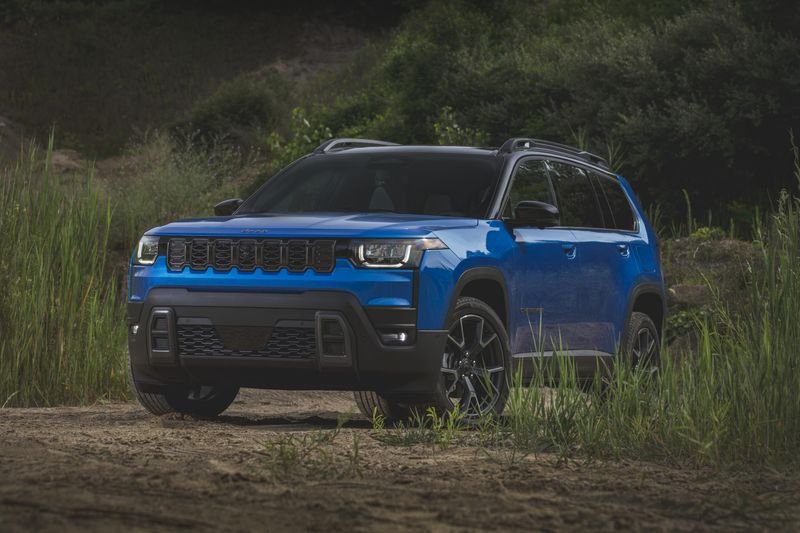
Replacing a wheel stud on a 2012 Jeep Wrangler is a job that many owners can do at home with basic tools and a bit of patience. A broken or stripped stud can be a real problem, especially if it leads to unsafe driving or causes a wheel to come loose.
The good news is you don’t always need to visit a mechanic for this repair. With the right steps, you can fix it yourself and save money.
In this guide, you’ll learn how to safely and correctly replace a wheel stud, which tools you need, and how to avoid common mistakes that often lead to bigger issues. Let’s get started and make sure your Jeep is safe on the road again.
Why Wheel Studs Matter
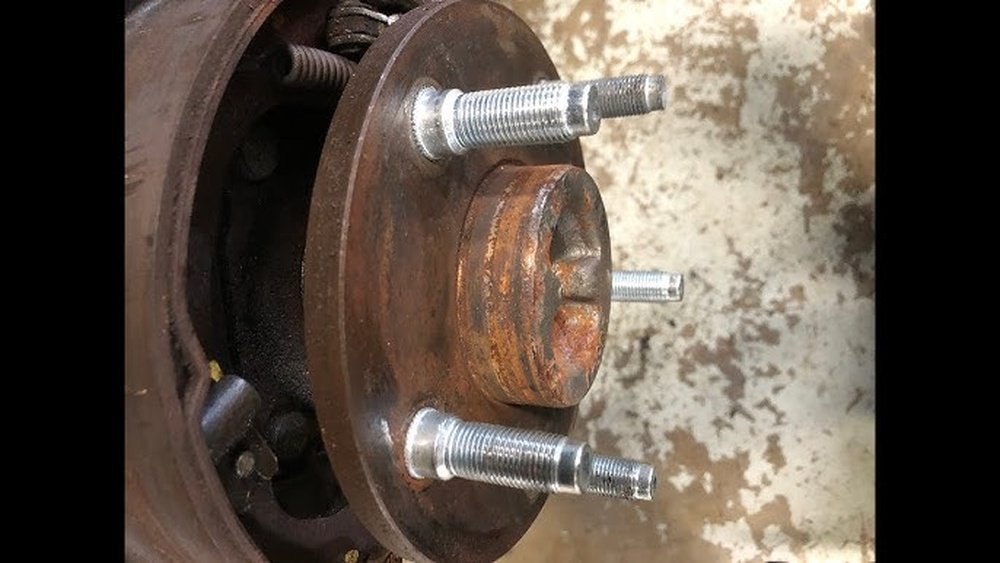
Wheel studs are the bolts that hold your wheel in place on the hub. When you tighten the lug nuts, they clamp the wheel against the hub using these studs. If a stud is damaged, over-torqued, or rusted, it can break. This not only makes it impossible to tighten your wheel correctly but can also cause the wheel to wobble or even fall off during driving. For a vehicle like the 2012 Jeep Wrangler, which often faces tough off-road conditions, having strong, undamaged studs is even more important.
Signs Of A Damaged Wheel Stud
Before you start, you should know when replacement is needed. Common signs include:
- Visible cracks or bends
- Missing threads or stripped threads
- Broken off stud (usually flush with the hub)
- Lug nut won’t tighten properly or spins freely
- Strange noises from the wheel area
Don’t ignore these signs. Replacing a bad stud early can prevent expensive damage later.
Tools And Materials You’ll Need
Gather these items before starting:
- Replacement wheel stud (make sure it fits your 2012 Wrangler)
- Lug wrench or breaker bar
- Socket set (metric/SAE as needed)
- Hammer
- Torque wrench
- Ball joint separator (sometimes called a pickle fork) or a pry bar
- C-clamp or wheel stud installer tool
- Jack and jack stands
- Wheel chocks
- Penetrating oil
- Grease
- Safety glasses and gloves
Having all tools ready will make the process smoother. Sometimes, getting the correct stud from a dealership or parts store is the hardest part.
Always double-check the part number for your specific Wrangler model.
Step-by-step: How To Replace Wheel Stud On 2012 Jeep Wrangler
Let’s break down the process into clear steps.
1. Prepare Your Jeep
- Park on a flat surface. Engage the parking brake and put wheel chocks behind the wheels.
- Loosen the lug nuts on the wheel with the damaged stud, but don’t remove them yet.
- Lift the vehicle using a jack, then support it with jack stands. Never rely on the jack alone.
2. Remove The Wheel
- Take off the loosened lug nuts and remove the wheel. Set everything aside in a safe place.
- If you’re working on the front wheel, you might need to remove the brake caliper and rotor for better access. For the rear, you may have to remove the drum or rotor.
3. Access The Broken Stud
- Spray penetrating oil on the back of the damaged stud. This helps loosen any rust or debris.
- Use a hammer to knock the old stud out from the back of the hub. You may need to tap firmly, but don’t use excessive force. If space is tight, rotate the hub to find the best angle.
Pro tip: If you have ABS sensors or brake shields, move them gently aside so you don’t damage them.
4. Install The New Wheel Stud
- Insert the new stud from the back of the hub. Make sure it’s straight and fully seated.
- Place a few washers or a special wheel stud installer tool over the new stud.
- Thread a lug nut backwards (flat side against the washers) and tighten it. This will pull the stud into place.
Important: Use a wrench, not an impact gun, to avoid damaging the new stud. Watch as the head of the stud seats fully against the back of the hub.
5. Reassemble Everything
- Remove the washers and lug nut.
- Reinstall the rotor and caliper if removed. Make sure everything is torqued to spec.
- Put the wheel back on, hand-tighten the lug nuts.
6. Lower The Vehicle And Torque Lug Nuts
- Remove the jack stands and lower the Jeep to the ground.
- Use a torque wrench to tighten the lug nuts to 95 ft-lbs (Jeep’s spec for most models).
- Tighten in a star pattern for even pressure.
Double-check: After driving 25-50 miles, recheck the lug nut torque.

Comparison: Oem Vs Aftermarket Wheel Studs
It can be tempting to buy the cheapest replacement stud, but not all are equal. Here’s a quick look at how OEM (Original Equipment Manufacturer) and aftermarket studs compare:
| Feature | OEM Wheel Stud | Aftermarket Wheel Stud |
|---|---|---|
| Fit and Finish | Excellent, guaranteed match | Varies, may need adjustment |
| Durability | High, meets factory specs | Depends on brand/material |
| Price | Higher | Lower |
| Warranty | Usually included | Varies |
Tip: For off-roading or heavy use, stick with OEM or top-quality aftermarket brands.
Common Mistakes To Avoid
Many beginners make simple errors. Here’s what to watch out for:
- Using an impact gun to pull in the new stud. This can stretch or damage threads.
- Not seating the stud fully. If it’s not flush with the hub, it can loosen over time.
- Skipping the torque wrench. Guessing lug nut tightness can lead to warped rotors or broken studs.
- Forgetting to clean the hub. Dirt and rust can stop the new stud from seating right.
- Installing the wrong stud size. Always match length, diameter, and thread pitch.
How Often Do Wheel Studs Fail?
Most Jeep owners never have to replace a stud, but failures do happen. Based on user forums and mechanic reports, about 2-5% of 2012 Jeep Wranglers will need at least one stud replaced during their lifetime. The main causes are:
- Over-tightening with an impact wrench
- Rust from road salt or off-road water exposure
- Cross-threading lug nuts
How Much Does It Cost To Replace A Wheel Stud?
If you do it yourself, the cost is low. Here’s a breakdown:
| Item | Typical Cost |
|---|---|
| Wheel Stud | $3-$10 each |
| Basic Tools (if needed) | $30-$100 (one-time buy) |
| Mechanic Labor (if not DIY) | $50-$120 per stud |
Doing it yourself saves money and helps you learn more about your Jeep.
Advanced Tip: Upgrading To Stronger Wheel Studs
If you often use your Jeep off-road or with larger tires, consider upgrading to high-strength studs. Some brands offer hardened steel or extended studs for extra durability. These can handle higher torque and reduce the risk of failure. However, always verify compatibility with your wheels and lug nuts.
Safety Reminders
- Always use jack stands—never trust only the jack.
- Wear safety glasses when hammering.
- Double-check that all components are reinstalled and torqued before driving.
When To Seek Professional Help
If you notice the stud won’t seat fully, or you see damage to the hub, it’s best to consult a mechanic. Also, if you’re unsure about removing the brake components, don’t risk your safety.
Real-world Example
One Jeep owner reported breaking a stud during a tire rotation because of over-tightening with an impact gun. They replaced it themselves, but forgot to re-torque the lugs after driving. The wheel vibrated, causing damage to other studs. This shows how important it is to torque properly and check your work.
Environmental Impact: Recycling Old Studs
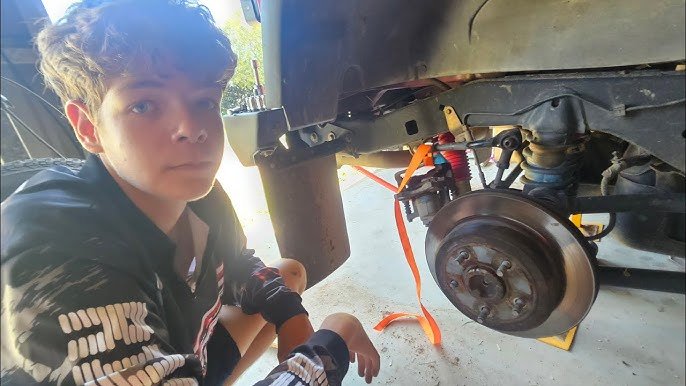
When you replace a stud, don’t just throw the old one away. Steel studs can be recycled at most auto parts stores or recycling centers. This helps reduce environmental waste and supports responsible vehicle repair.
How To Choose The Right Replacement Stud
There are small differences between front and rear studs, and between different Jeep trims. Always check:
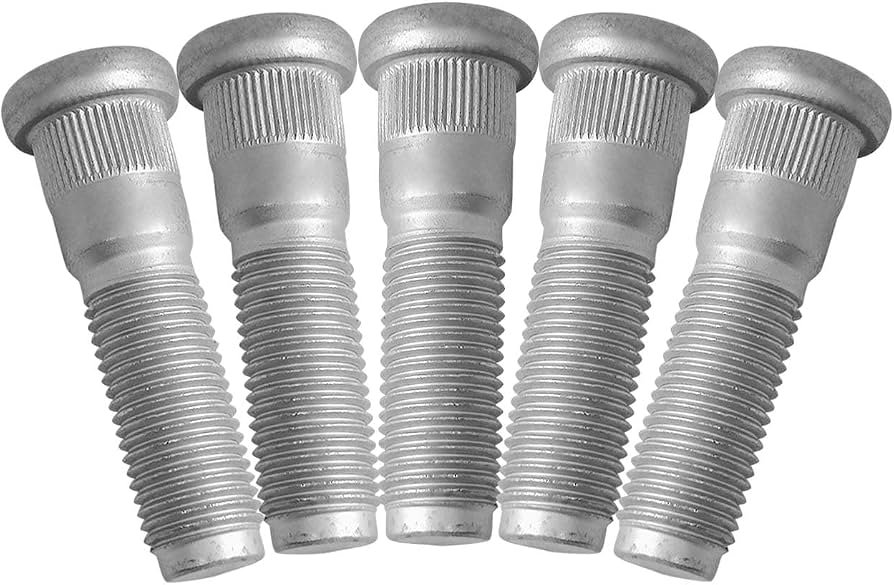
- Thread size (most 2012 Wranglers use M12x1.5)
- Length (should match the other studs)
- Knurl diameter (the part that fits into the hub)
If you’re unsure, bring the old stud to the parts store for comparison.
Quick Reference: Replacement Steps Overview
Here’s a summary for fast reference:
- Park, chock, and lift vehicle
- Remove wheel and brake components (if needed)
- Knock out broken stud
- Insert new stud and seat it using washers/lug nut
- Reassemble brakes and wheel
- Lower vehicle and torque lugs
External Resource
If you want to see detailed diagrams or original specifications, check the Jeep Wrangler Wikipedia page.
Frequently Asked Questions
Can I Drive With A Missing Wheel Stud?
It’s not safe. While you might be able to drive short distances, you risk damaging the wheel, hub, or other studs.
Always replace missing or broken studs as soon as possible.
Do I Need To Replace All Studs If One Breaks?
Not always. If only one is damaged and the others are in good condition, just replace the bad one.
But if several are rusty or worn, replacing them all is a smart idea.
How Tight Should I Make The Lug Nuts?
For a 2012 Jeep Wrangler, the torque spec is usually 95 ft-lbs. Use a torque wrench for accuracy. Never guess.
What Causes Wheel Studs To Break?
The most common reasons are over-tightening, cross-threading, and corrosion. Using an impact gun without care is a frequent cause.
Can I Use Anti-seize On Wheel Studs?
Most experts recommend not using anti-seize on wheel studs, as it can alter torque values. If you must, use only a small amount on the threads, but always follow the Jeep’s service manual.
Replacing a wheel stud on your 2012 Jeep Wrangler is a task you can tackle with confidence. With the right tools and careful attention, you’ll keep your Jeep safe and ready for any adventure.
Taking the time to do it right now saves you bigger headaches and repair costs down the road.