Replacing the wheel bearing on a 2011 Jeep Compass can feel intimidating if you haven’t worked on cars before. Yet, with the right tools, clear steps, and some patience, you can do this job at home and save money.
This guide covers everything you need to know to replace a wheel bearing on your Jeep Compass, including practical advice, common mistakes, and expert tips that many beginners miss. If you want to restore safe handling and reduce road noise, this step-by-step approach will help you get there.
Understanding Wheel Bearings And Why Replacement Matters
The wheel bearing is a small but essential part that lets your wheels spin smoothly with minimal friction. Over time, bearings wear out due to heat, dirt, and moisture. If you hear a rumbling sound, feel vibration in your steering, or notice uneven tire wear, your bearing may be failing. Driving with a bad bearing is dangerous—it can cause the wheel to lock up or fall off.
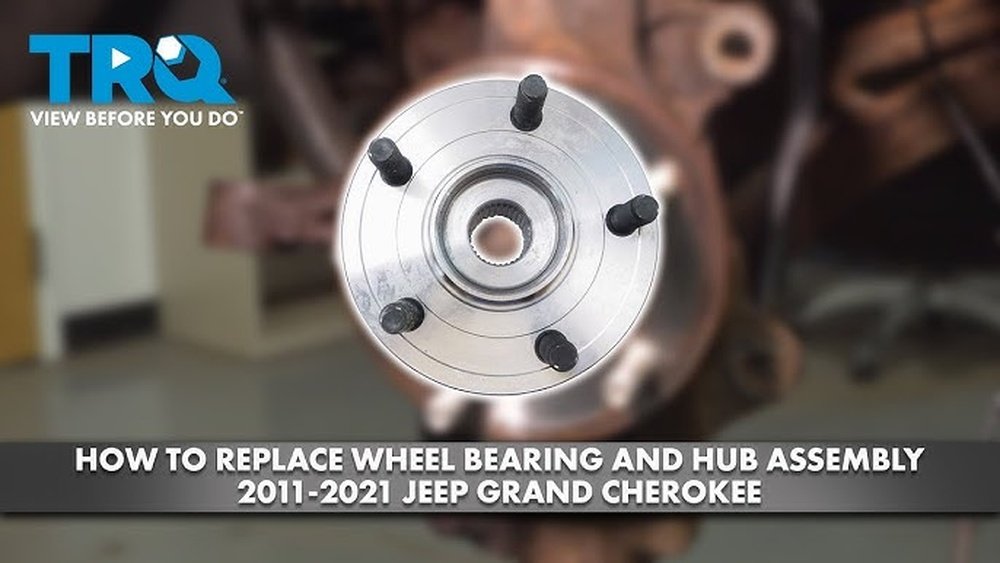
On the 2011 Jeep Compass, the front wheel bearings are part of the hub assembly, making replacement easier but still requiring care. Rear bearings are similar, but most failures happen up front. Faulty bearings can harm your suspension and brakes, so timely replacement is important.
Essential Tools And Parts For The Job
Before starting, gather the right tools and parts. Missing tools can turn a simple job into a headache. Here’s what you need:
- New wheel bearing/hub assembly (for 2011 Jeep Compass)
- Socket set (including deep sockets, metric sizes)
- Breaker bar
- Torque wrench
- Jack and jack stands
- Pry bar
- Hammer (rubber and steel)
- Screwdrivers
- Needle nose pliers
- Punch tool
- WD-40 or penetrating oil
- Grease (for reassembly)
- Wheel chocks
- Replacement axle nut (recommended, not always required)
Most parts stores carry hub assemblies for the Compass. Check for quality brands—cheap bearings fail early. For a reliable source, see RockAuto.
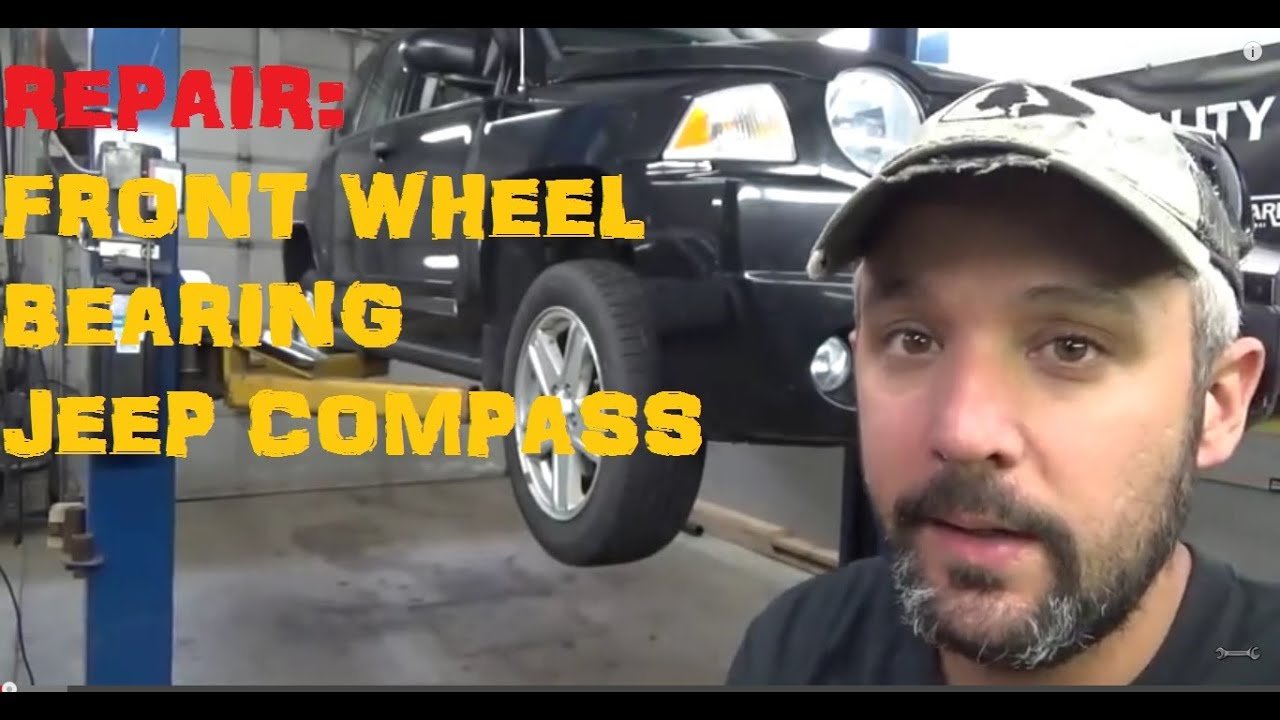
Preparation: Safety First
Working under your car is risky. Always use jack stands and wheel chocks. Wear gloves and eye protection. Before lifting the car, loosen the lug nuts slightly. Never work with just a jack—stands are critical. If you’re unsure, ask someone with experience for help.
Step-by-step Guide: Replacing The Wheel Bearing
Each step matters. Skipping details can lead to mistakes or injury. Here’s how to do it right:
1. Loosen Lug Nuts And Lift The Vehicle
- Park on a level surface.
- Place wheel chocks behind the rear wheels.
- Loosen (do not remove) the lug nuts on the wheel you’re working on.
- Use a jack to lift the car. Place jack stands under the frame for support.
- Remove the wheel.
2. Remove The Brake Caliper And Rotor
- Unbolt the brake caliper using the socket set.
- Hang the caliper with a wire or rope—never let it dangle from the brake line.
- Remove the brake rotor. If it’s stuck, tap it gently with a rubber hammer.
3. Remove The Axle Nut
- Use a breaker bar and the correct socket to remove the axle nut.
- If the nut is rusted, spray WD-40 and wait a few minutes.
- Keep the nut if it’s in good condition, but a new one is safer.
4. Detach The Wheel Hub Assembly
- Locate the hub bolts at the back of the knuckle.
- Spray bolts with penetrating oil to loosen rust.
- Remove bolts with the socket set.
- Use a punch tool and hammer to gently knock the hub loose from the knuckle.
- If stuck, alternate tapping and pulling. Avoid damaging the knuckle.
5. Remove The Old Wheel Bearing
- Pull the hub assembly off the axle shaft.
- Check for damage or corrosion on the shaft.
- Clean the area with a rag and apply grease for smooth reassembly.
6. Install The New Wheel Bearing
- Slide the new hub assembly onto the axle shaft.
- Align bolt holes carefully.
- Insert and tighten the bolts to the manufacturer’s torque spec (usually 85–115 ft-lbs).
- Reinstall the axle nut and torque it to spec (about 150 ft-lbs, but check your manual).
7. Reinstall The Brake Rotor And Caliper
- Place the rotor back on the hub.
- Bolt the caliper in place.
- Double-check all bolts for correct tightness.
8. Reinstall The Wheel And Lower The Vehicle
- Put the wheel back on.
- Tighten the lug nuts by hand.
- Lower the car slowly and remove jack stands.
- Torque the lug nuts in a star pattern to spec (usually 100 ft-lbs).
9. Test Drive And Check For Issues
- Before driving, pump the brakes a few times to ensure the caliper is seated.
- Start with a short drive, listen for noise, and check for vibration.
- If you hear grinding or feel wobble, recheck your work.
Comparison: Diy Vs Professional Replacement
Is it worth doing yourself? Here’s a simple comparison:
| Factor | DIY Replacement | Professional Service |
|---|---|---|
| Cost | $80–$200 (parts) | $250–$500 (parts & labor) |
| Time | 2–3 hours | 1–2 hours |
| Skill Required | Intermediate | None |
| Warranty | Parts only | Parts & labor |
| Common Mistakes | Improper torque, missing steps | Rare |
DIY saves money, but you must follow steps carefully and double-check your work.
Common Mistakes And How To Avoid Them
Even experienced mechanics slip up. Here are mistakes to watch for:
- Skipping torque specs: Overtightening or undertightening bolts can cause failure.
- Damaging the ABS sensor: The 2011 Compass has ABS sensors near the hub. Move them gently.
- Letting the caliper hang: Always support the caliper to avoid brake line damage.
- Forgetting to clean mating surfaces: Dirt or rust can cause uneven installation.
- Not checking the axle shaft: If the shaft is damaged, the new bearing may fail quickly.
Many beginners also miss that the hub assembly needs to be seated squarely. If it’s crooked, you’ll get vibration or premature wear.
Real-world Tips For Smooth Replacement
- Soak bolts with penetrating oil overnight if your Compass has high mileage.
- If the hub is stuck, use a puller tool instead of just hammering—this protects the knuckle.
- Check the brake pads and rotors while you’re there. If they’re worn, it’s easier to replace them now.
- Take photos as you go. This helps if you forget how things fit together.
- If your Compass has a lot of rust, consider using anti-seize on bolts during reassembly.
When To Replace Both Sides
On the Compass, wheel bearings often fail in pairs, especially with high mileage. If one side is bad, the other may soon follow.
Replacing both at once saves time and prevents further issues. Mechanics often recommend this when the car has over 100,000 miles.
Signs You Need Professional Help
If you notice any of these after replacement, see a mechanic:
- Persistent grinding noise
- Steering vibration
- ABS warning light
- Wheel wobble
Sometimes the hub is damaged, or the axle shaft is bent. These need expert tools and diagnosis.
Data Table: Wheel Bearing Lifespan And Failure Rates
Here’s some data on how long wheel bearings last and what causes failure:
| Factor | Typical Value | Failure Rate (%) |
|---|---|---|
| Normal lifespan | 85,000–125,000 miles | 10 |
| Heavy use (off-road) | 60,000–85,000 miles | 25 |
| Water intrusion | 40,000–60,000 miles | 35 |
| Improper installation | Immediate–10,000 miles | 50 |
Notice that improper installation is the leading cause of early failure. Always follow the correct steps.
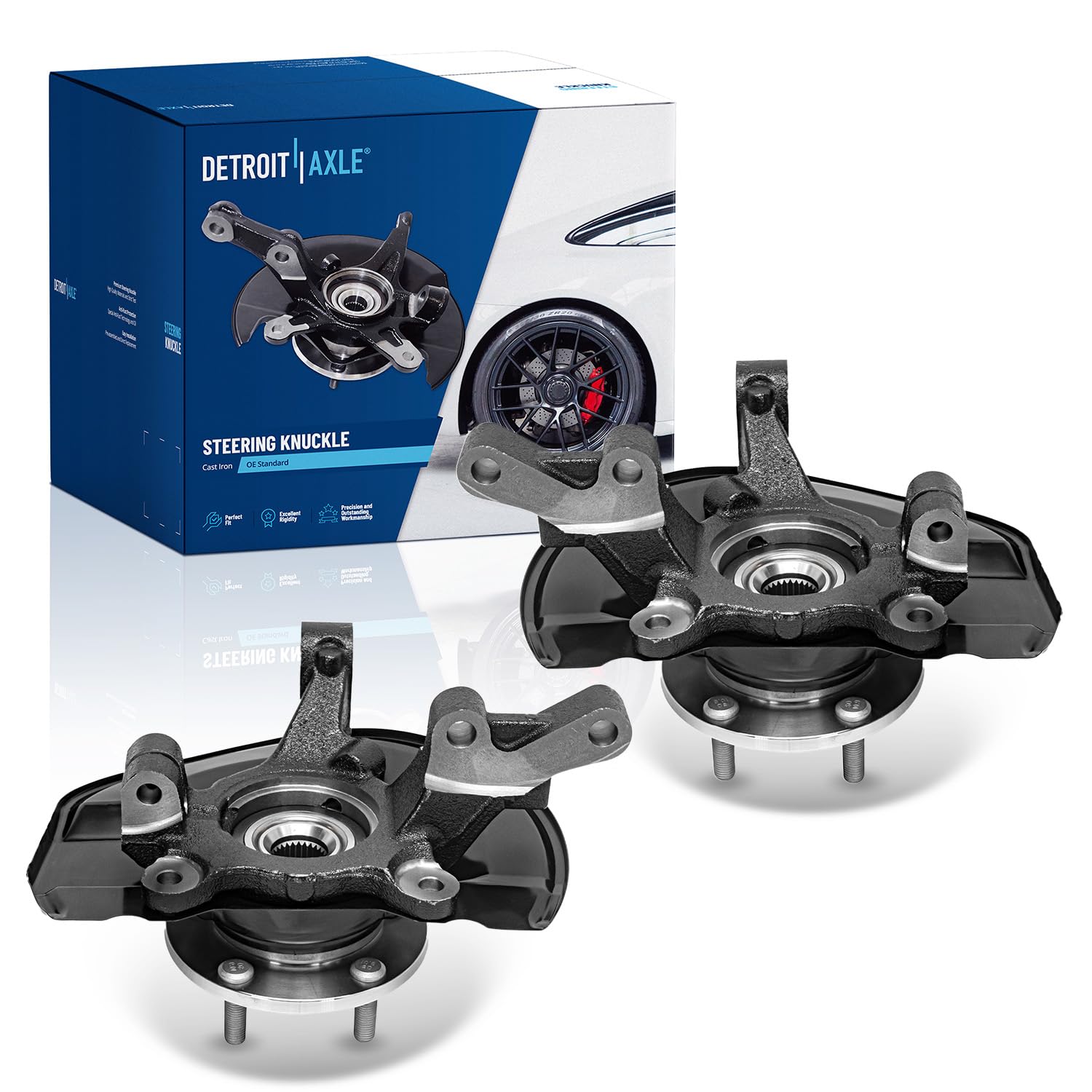
How To Choose The Right Wheel Bearing
Not all bearings are equal. Look for:
- OEM quality: Matches original specs for durability.
- Sealed design: Better for resisting dirt and moisture.
- Warranty: Good brands offer at least 1 year.
Avoid unknown brands cheap parts often fail and can damage other components.
Practical Insight: Why Bearings Fail Early
Many beginners don’t realize that over-torquing the axle nut is a leading cause of early bearing failure. Always use a torque wrench. Another insight: If you drive through deep water often, bearings wear out faster due to moisture.
Frequently Asked Questions
How Do I Know My Wheel Bearing Is Bad?
Common signs are rumbling noise, steering vibration, and uneven tire wear. You might also feel looseness when shaking the wheel by hand.
Can I Drive With A Bad Wheel Bearing?
It’s risky. The wheel can lock up or come off, leading to an accident. Replace it as soon as possible.
Do I Need Any Special Tools?
Most jobs need basic tools. If the hub is stuck, a puller tool helps. For torque specs, a torque wrench is essential.
How Long Does The Job Take?
For a beginner, expect 2–3 hours. Professionals can do it faster, but rushing increases mistakes.
Should I Replace Both Bearings At Once?
If your Compass has over 100,000 miles or you hear noise on both sides, it’s wise to replace both bearings for safety and efficiency.
Replacing the wheel bearing on your 2011 Jeep Compass isn’t just about stopping noise or vibration—it’s about safety and long-term reliability. By following these steps, using the right tools, and avoiding common mistakes, you’ll restore smooth driving and protect your vehicle. If you ever feel unsure, don’t hesitate to get help from a trusted mechanic.