If your Jeep Compass is making a grinding noise, or you feel vibrations coming from a wheel, it might be time to replace the wheel bearing. Ignoring a bad bearing can lead to bigger problems, like unsafe driving conditions or expensive damage. Many car owners feel nervous about replacing wheel bearings, but with the right tools and a careful approach, you can tackle this job at home and save money. This guide will show you step-by-step how to replace a wheel bearing on your Jeep Compass, highlight key safety tips, and share practical insights that even experienced DIYers sometimes overlook.
Signs You Need To Replace Your Wheel Bearing
Wheel bearings can fail gradually, so it’s important to recognize the symptoms early. Here are the most common signs:
- Grinding or humming noise from the wheel area, especially at certain speeds
- Steering wheel vibration that changes with speed
- Loose or wobbly wheel when you jack up the car and try to move the wheel side to side
- ABS warning light may appear, since some bearings have built-in sensors
Not every strange noise means a bad bearing, so always diagnose carefully before replacing parts.
Tools And Parts You’ll Need
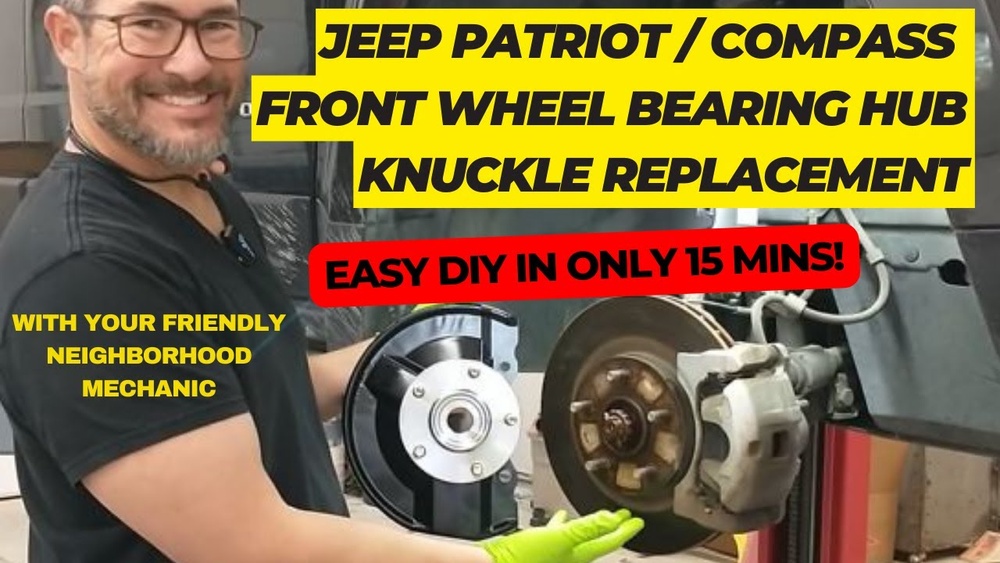
Before you start, gather the necessary tools and parts. Having everything ready will make the job smoother.
Basic Tools
- Jack and jack stands
- Lug wrench
- Socket set (including 32mm or 36mm socket for axle nut, depending on year)
- Torque wrench (for precise reassembly)
- Pry bar or flathead screwdriver
- Hammer and punch
Special Tools
- Bearing puller or press kit (for pressing out/in the bearing)
- Snap ring pliers
- Breaker bar (for stubborn nuts)
- Impact wrench (optional, but helpful)
Replacement Parts
- New wheel bearing (make sure it matches your Jeep Compass model year)
- New axle nut (recommended)
- New snap ring (if required)
- Grease (high-temperature wheel bearing grease)
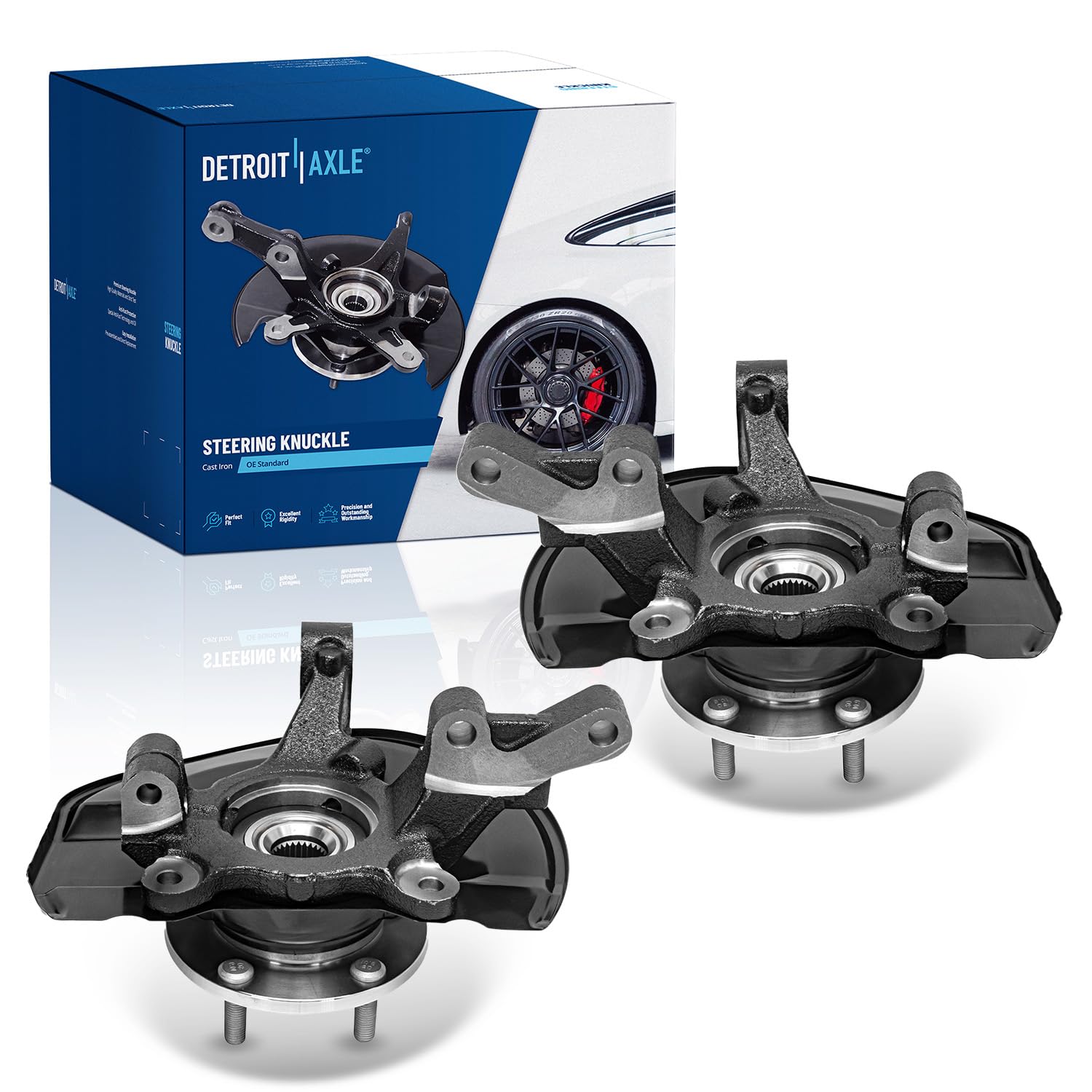
Tip: Some Jeep Compass models have a hub assembly that includes the bearing. In this case, you replace the whole hub, which is easier than pressing a bearing in and out.
Safety Gear
- Safety glasses
- Mechanic gloves
Preparing Your Jeep Compass
Working safely is always the top priority. Follow these steps before you begin:
- Park on a level surface and set the parking brake.
- Loosen the lug nuts slightly on the wheel you’re working on.
- Jack up the car and secure it with jack stands. Never work under a car held up only by a jack.
- Remove the wheel to expose the brake components.
Step-by-step: How To Replace The Wheel Bearing
Replacing a wheel bearing involves several steps. The exact process can vary by model year, but most Jeep Compass vehicles follow this pattern.
1. Remove The Brake Assembly
- Take off the brake caliper by unbolting it and hanging it with a wire (do not let it dangle from the brake hose).
- Remove the brake rotor.
2. Remove The Axle Nut
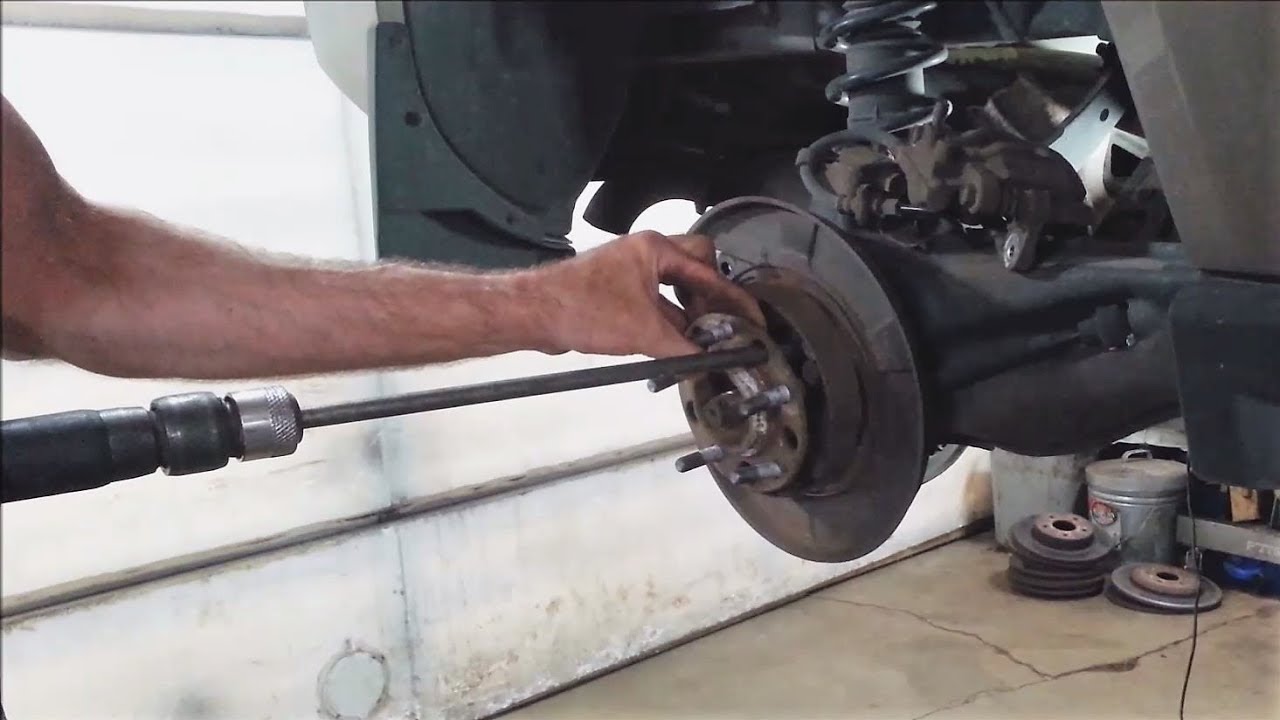
- Use a socket and breaker bar (or impact wrench) to loosen the axle nut. This nut is often very tight.
- If the nut is stuck, apply penetrating oil and let it soak for a few minutes.
3. Disconnect The Wheel Hub
- Unbolt the wheel hub assembly from the steering knuckle.
- You may need to tap gently with a hammer to break it free.
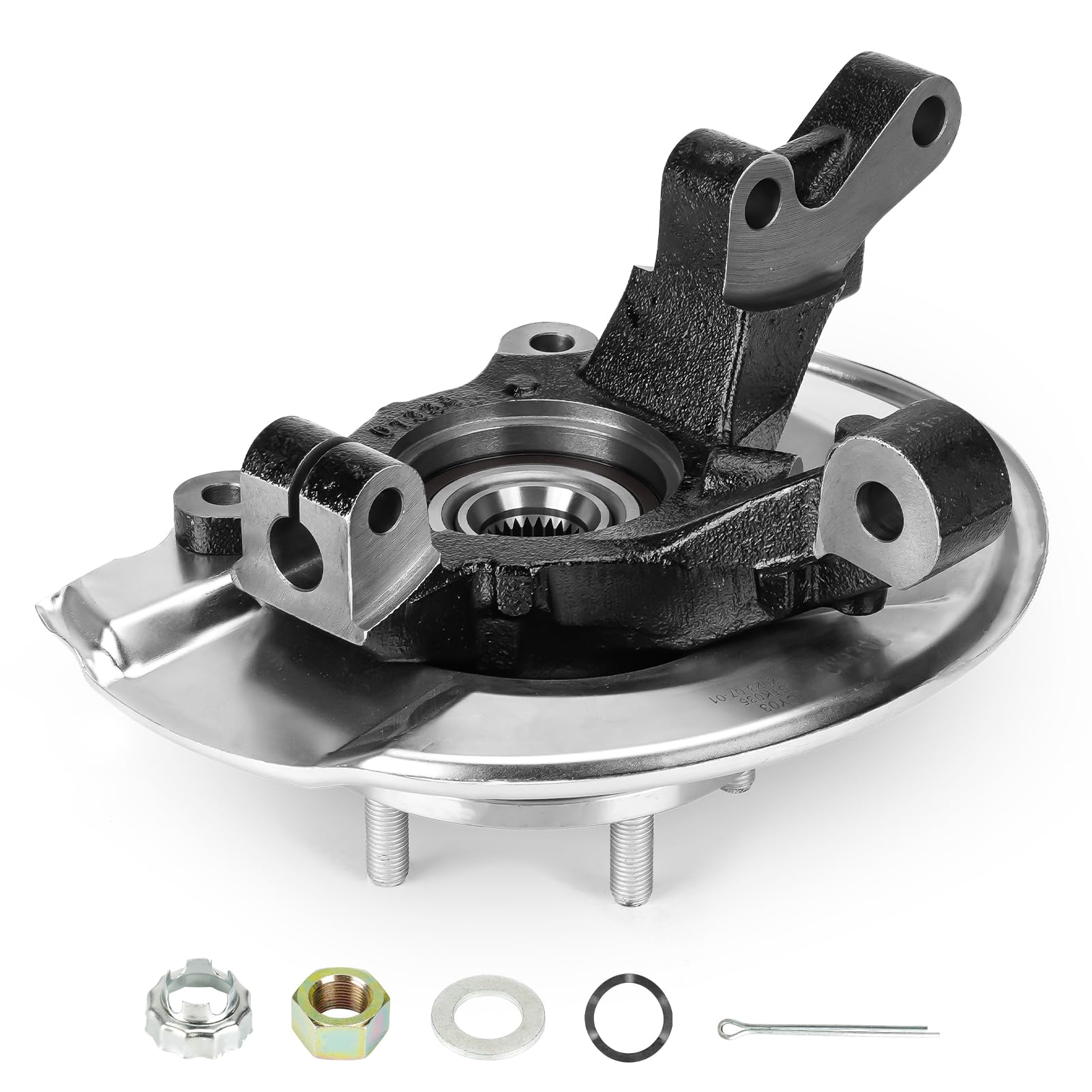
4. Remove The Old Wheel Bearing
If your Compass has a separate bearing (not a hub assembly), use the bearing puller or press kit:
- Remove the snap ring that holds the bearing in place.
- Use the press kit to push out the old bearing.
- Clean the inside of the hub and check for damage.
5. Install The New Bearing
- Grease the new bearing lightly.
- Use the press kit to install it into the hub.
- Install the new snap ring if required.
If using a hub assembly:
- Simply bolt the new hub in place of the old one.
6. Reassemble Everything
- Reattach the wheel hub to the steering knuckle.
- Torque all bolts to the manufacturer’s specs.
- Reinstall the brake rotor and caliper.
- Put the new axle nut on and torque it properly.
- Reinstall the wheel and hand-tighten the lug nuts.
7. Lower And Test
- Lower the car to the ground.
- Torque the lug nuts in a star pattern.
- Take a short test drive, listening for any unusual noises.
Here’s a quick comparison of the steps for a bearing-only replacement vs. hub assembly replacement:
| Step | Bearing Only | Hub Assembly |
|---|---|---|
| Special Tools Needed | Bearing press, snap ring pliers | None (standard sockets) |
| Difficulty | High | Medium |
| Time Needed | 2-3 hours | 1-2 hours |
| Cost | Lower for part, higher for labor/tools | Higher for part, lower for labor/tools |
Common Mistakes To Avoid
Even experienced DIYers can run into trouble with wheel bearing replacement. Here are some mistakes to watch out for:
- Not torquing bolts properly: Over-tightening or under-tightening can damage components or cause safety issues.
- Reusing the old axle nut: Always use a new nut, as old ones can lose their locking ability.
- Skipping the snap ring: If your model uses one, forgetting it can lead to the bearing shifting out of place.
- Touching the bearing surface with dirty hands: Even small particles can lead to early failure.
- Forgetting to check ABS sensors: Some bearings have built-in sensors. Handle them carefully and make sure you connect them properly.
Cost Comparison: Diy Vs. Professional Service
Many people consider doing this job themselves to save money. Here’s a realistic cost comparison:
| Expense | DIY | Professional Shop |
|---|---|---|
| Parts (per wheel) | $50–$130 | $50–$130 |
| Labor | $0 (your time) | $150–$300 |
| Special Tool Rental | $30–$60 | $0 |
| Total Estimated Cost | $80–$190 | $200–$430 |
Tip: Many auto parts stores loan special tools for free when you buy the parts, saving you rental fees.
Tips For A Smooth Wheel Bearing Replacement
- Label bolts and parts as you remove them to make reassembly easier.
- Take pictures at each step, so you remember how everything fits.
- Work on one side at a time to avoid confusion.
- If you’re unsure about pressing in a bearing, consider replacing the hub assembly instead.
- Always check the manufacturer’s torque specs — these numbers are critical for safety.
What To Do After Replacing The Wheel Bearing
Once you’ve finished the replacement, there are a few more steps to ensure your Jeep Compass is safe and ready for the road:
- Double-check all bolts and nuts for proper tightness.
- Listen for noises during your test drive. Some light sounds may be normal at first, but grinding or growling is not.
- Check for ABS warning lights if your model has ABS.
- Inspect for leaks or loose parts after a short drive.
If you hear any new noises or feel vibrations, stop and recheck your work. Sometimes, even experienced mechanics need to double-check their steps.
When To Seek Professional Help
While many DIYers can handle wheel bearing replacement, there are times when calling a professional makes sense:
- If you don’t have the right tools or space
- If you’re unsure about pressing in a bearing
- If you see damage to the hub, spindle, or other components
- If you feel uncomfortable with any step
A professional mechanic has experience, tools, and a lift, making the job faster and safer. If you want to learn more about how wheel bearings work and why they fail, the Wikipedia Wheel Bearing page is a good resource.
How Long Do Wheel Bearings Last On A Jeep Compass?
Most wheel bearings last between 85,000 and 100,000 miles. However, driving through water, hitting potholes, or carrying heavy loads can shorten their lifespan.
Can I Drive With A Bad Wheel Bearing?
It’s not safe. A failing bearing can lead to the wheel locking up or coming off, especially at high speeds.
Replace it as soon as possible to avoid accidents or expensive repairs.
Do I Need An Alignment After Replacing A Wheel Bearing?
Generally, wheel bearing replacement does not affect alignment. But if you had to remove suspension parts or if the vehicle feels unstable after the repair, have the alignment checked.
What Are The Risks Of Not Replacing A Bad Wheel Bearing?
Driving with a bad bearing can damage the hub, spindle, and even the transmission. It can also cause unsafe handling or sudden failure, which is dangerous.
How Do I Know If I Have A Hub Assembly Or A Press-in Bearing?
Check your Jeep Compass owner’s manual or look up your model and year online. Many newer models use a hub assembly (easier to replace), while older models may have a press-in bearing.
Replacing a wheel bearing on your Jeep Compass is not a quick job, but with patience and the right tools, it’s a great way to learn more about your vehicle and save money.
Always put safety first, follow each step closely, and don’t be afraid to ask for help if you need it.
The sense of accomplishment and a smoother, quieter ride are well worth the effort.