Replacing the rear wheel bearing on a Jeep Compass is a job many car owners can handle with the right tools, patience, and step-by-step guidance. Taking on this repair yourself can save hundreds of dollars on labor.
But it’s important to know when a wheel bearing is failing, what makes this job challenging, and how to do it safely. Whether you’re a weekend DIYer or just want to understand the process, this guide will help you get the job done right.
Why Replacing A Rear Wheel Bearing Matters
The wheel bearing lets your wheels spin with minimal friction. On your Jeep Compass, worn bearings can make a humming or grinding noise, especially when you turn or change speeds. Ignoring this problem can lead to more damage, unsafe driving, or even losing a wheel. Rear bearings often last over 100,000 miles, but rough roads, water, or impacts can wear them out sooner.

Many drivers miss early signs of a failing bearing, thinking the noise is just tire wear. One key clue: the sound usually gets louder as you speed up or turn. If your Compass starts to vibrate or the anti-lock brake (ABS) light comes on, don’t wait—bearing failure can cause major safety problems.
Tools And Parts You’ll Need
Before you start, gather the right tools and parts. Skipping a special tool can make the job much harder or damage your Jeep.
Essential tools:
- Jack and sturdy jack stands
- Lug wrench
- Socket set (metric, deep sockets included)
- Breaker bar
- Torque wrench
- Hammer and punch
- Pry bar
- Flathead screwdriver
- Needle-nose pliers
- Penetrating oil (like PB Blaster)
- Rubber mallet
- Allen wrenches (if needed for your Compass year)
- Wire brush
Parts and supplies:
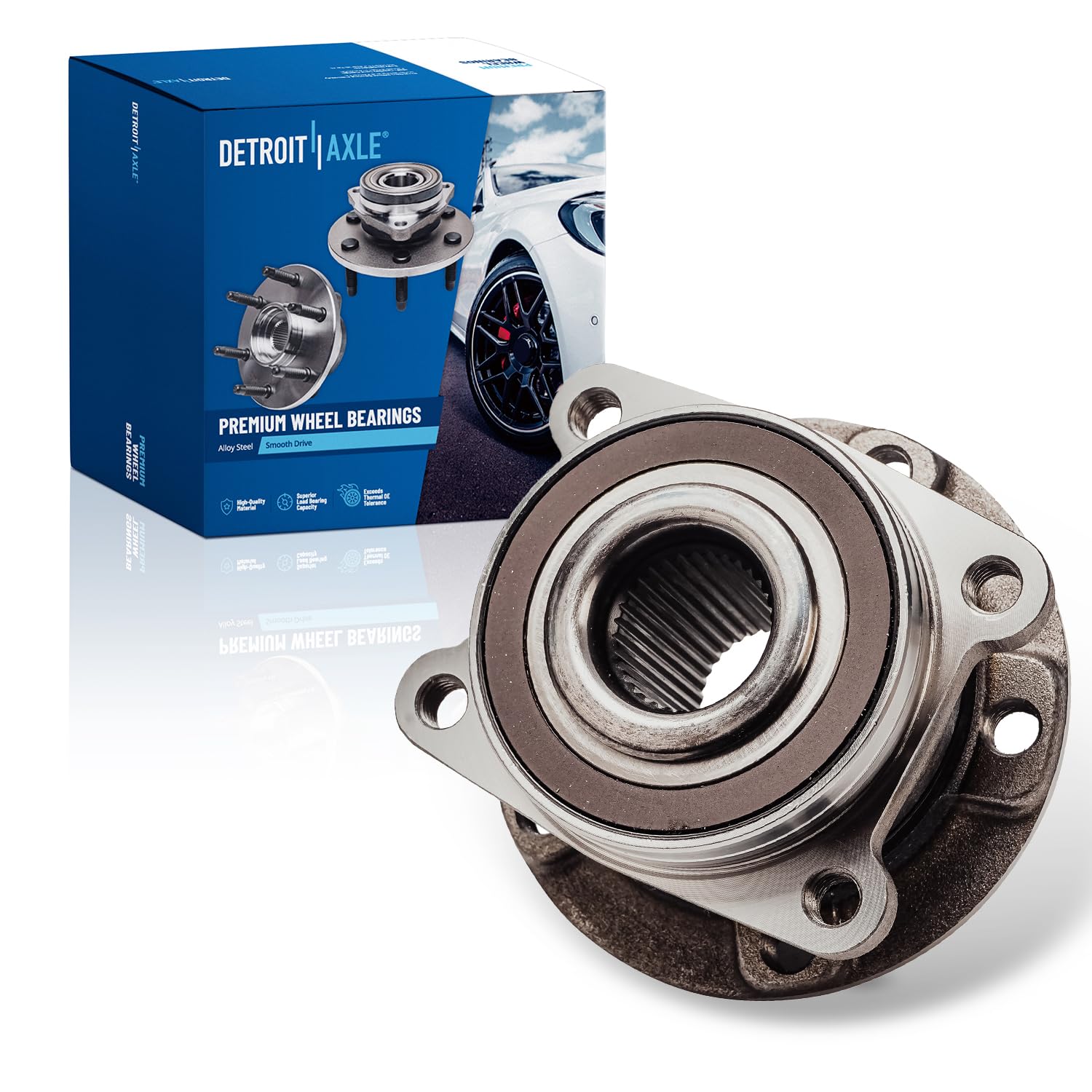
- Replacement rear wheel bearing (check year/model compatibility)
- New axle nut (often required)
- Brake cleaner
- Grease
- Thread locker (medium strength)
- Shop rags and gloves
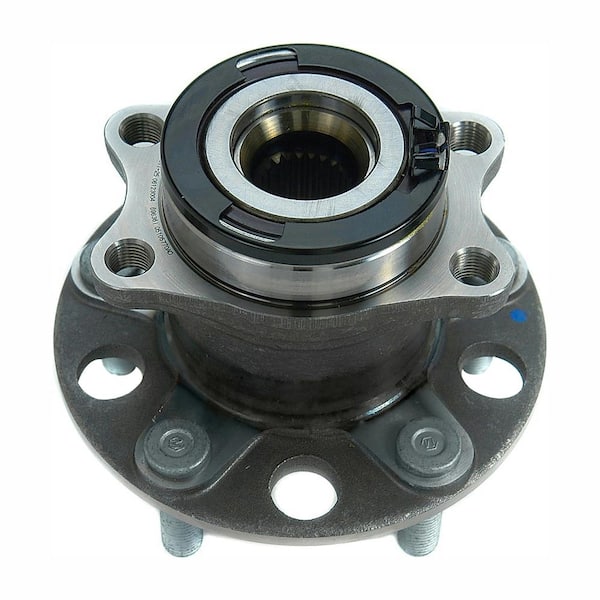
Pro tip: Some Jeep Compass models use a hub assembly that combines the bearing and hub. Always confirm which type your Jeep uses before buying parts.
Preparing Your Jeep Compass
Safety is always the first step. Changing a wheel bearing means the car will be up in the air, and you’ll be working near brakes and suspension. Here’s how to get ready:
- Park on a flat, stable surface and set the parking brake.
- Loosen the lug nuts slightly before raising the car.
- Use a jack to lift the rear of the vehicle. Place jack stands under the frame for extra security.
- Remove the rear wheel.
Check your owner’s manual for proper jacking points. Never trust only the jack always use stands.
Removing The Rear Wheel Bearing
This is where most of the real work happens. Take your time, and don’t rush or force stuck parts. Here’s a step-by-step process:
1. Remove The Brake Caliper And Rotor
- Use your socket set to remove the bolts holding the brake caliper.
- Carefully hang the caliper with a hook or wire—do not let it dangle from the brake hose.
- Slide the brake rotor off. If it’s stuck, tap gently with a rubber mallet.
2. Disconnect The Abs Sensor (if Equipped)
- Many Jeep Compass models have an ABS sensor attached to the hub.
- Remove the sensor bolt and gently pull out the sensor. Set it aside to prevent damage.
3. Remove The Hub/bearing Assembly
- Remove the axle nut with a breaker bar. You may need to hold the hub with a pry bar.
- Spray penetrating oil on bolts and let it soak for several minutes.
- Remove the bolts securing the hub/bearing assembly to the knuckle.
- Use a hammer and punch to loosen the hub if it’s rusted in place. A wire brush can help clean the area.
Non-obvious insight: Some Jeep Compass models have the wheel bearing pressed into the knuckle, while others use a bolt-on hub. If your bearing is pressed, you’ll need a shop press or a bearing puller tool.
4. Remove The Old Bearing
- If it’s a bolt-on assembly, pull the hub/bearing out by hand or with gentle prying.
- If pressed, use the puller or take the knuckle to a machine shop to press out the old bearing.
Installing The New Rear Wheel Bearing
This part requires accuracy and some patience. A rushed or incorrect install can lead to early bearing failure.
1. Clean The Mounting Surface
- Remove all rust and debris with a wire brush.
- Spray with brake cleaner and wipe dry.
2. Install The New Bearing Or Hub Assembly
- Position the new bearing or hub assembly in the knuckle.
- If bolt-on, align the holes and insert bolts by hand first.
- Torque bolts to the manufacturer’s specs (usually between 70–110 ft-lbs for most Compass models).
- Apply thread locker for extra security.
Second non-obvious insight: Always replace the axle nut with a new one—reusing it can cause it to loosen over time, which can ruin the new bearing.
3. Reinstall The Abs Sensor
- Insert the sensor carefully and tighten its bolt. Make sure it’s clean and free of grease or debris.
4. Reinstall The Brake Rotor And Caliper
- Slide the rotor back in place.
- Reattach the brake caliper and tighten bolts to spec.
5. Refit The Wheel
- Mount the wheel, hand-tighten the lug nuts, and lower the Jeep.
- Use a torque wrench to tighten lug nuts to the recommended spec (usually 95–110 ft-lbs).
Comparing Diy Vs. Professional Repair
If you’re deciding whether to do this job yourself or visit a mechanic, it helps to compare the main factors:
| Factor | DIY | Professional Shop |
|---|---|---|
| Cost | $70–$180 (parts only) | $300–$600 (parts + labor) |
| Time Required | 2–4 hours | 1–2 hours |
| Tools Needed | Special tools may be required | Shop has all tools |
| Skill Level | Medium to high | Mechanic certified |
| Warranty | Parts only | Parts + labor |
Common Mistakes And How To Avoid Them
Even careful DIYers can make mistakes when replacing a rear wheel bearing. Here are some to watch out for:
- Not torquing bolts properly – Under- or over-tightening can lead to early failure or unsafe driving.
- Damaging the ABS sensor – Pull gently, and clean before reinstalling.
- Skipping rust removal – Rust or debris can prevent proper seating of the new bearing.
- Reusing the axle nut – Always use a new nut and torque to spec.
- Forgetting thread locker – Helps keep bolts tight under vibration.
Real-world tip: If you’re not sure about the torque specs or bearing type, check your Compass’s repair manual or look up your exact year and trim online. Mistakes here can cost much more than a mechanic visit.
How To Tell If The Job Was Done Right
After you finish, it’s important to check your work. Here’s how:
- Spin the wheel by hand before reinstalling the tire. It should feel smooth, with no grinding.
- After lowering the Jeep, test drive slowly. Listen for noise. If you hear clicking or humming, stop and recheck your work.
- No ABS warning lights should appear. If they do, check the sensor connection.
If you notice any vibration, noise, or warning lights, don’t ignore them. It’s safer to double-check your work than to risk a failed bearing.
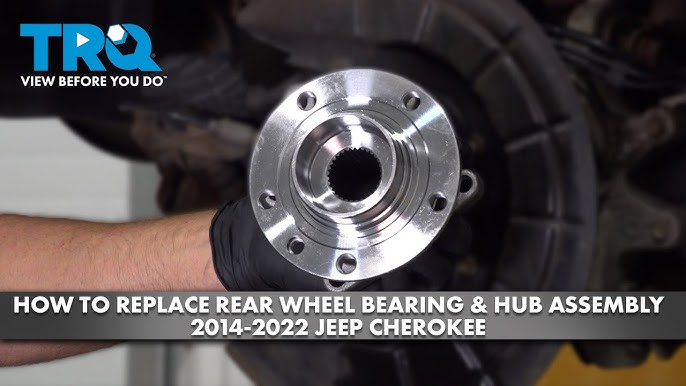
Jeep Compass Rear Wheel Bearing Types And Compatibility
Jeep Compass models from 2007 to present use a few different rear wheel bearing designs. The two main types are bolt-on hub assemblies and pressed-in bearings. Knowing your exact model year is essential for ordering the right part.
Here is a quick comparison for different model years:
| Model Year | Bearing Type | Special Tools Needed |
|---|---|---|
| 2007–2010 | Bolt-on hub | Basic hand tools |
| 2011–2016 | Bolt-on hub | Basic hand tools |
| 2017–2022 | Pressed-in bearing | Bearing puller/press |
If you have a 2017 or newer Compass, you may need to take the knuckle to a shop for pressing the bearing, unless you own a hydraulic press.
When To Replace Both Rear Wheel Bearings
A common question is whether to replace both rear bearings at once. If one has failed due to high mileage or severe conditions, the other may not be far behind.
However, if one bearing failed early because of an impact or water, the other may still be fine.
General rule: If your Jeep has over 100,000 miles, replacing both can save time and avoid a second repair soon after. If the car is newer or only one side is noisy, you can replace just the failed bearing.
Safety Tips Most People Forget
- Double-check jack stands before getting under your car.
- Use eye protection—rust and debris can fall when removing old parts.
- Never use impact tools on sensitive bolts (like ABS sensors or small caliper bolts).
- Dispose of old bearings at a recycling center—never in household trash.
Many beginners forget to clean their tools and workspace after finishing. Keeping tools organized makes future repairs much easier.
Where To Find More Help
If you run into trouble, don’t be afraid to ask for help. Many Jeep forums and YouTube channels offer step-by-step videos. For official specs and diagrams, the Mopar official website is a reliable source.
Frequently Asked Questions
How Do I Know My Jeep Compass Needs A New Rear Wheel Bearing?
Listen for a humming or grinding noise coming from the rear wheels, especially when turning or speeding up. You might also feel vibration or see an ABS warning light. If the sound changes with speed, it’s likely a bad wheel bearing.
Can I Drive With A Bad Rear Wheel Bearing?
It’s not safe. A failing bearing can cause wheel wobble, brake problems, or even let the wheel come off. Driving further can also damage the axle or suspension. Replace the bearing as soon as you notice signs of failure.
Do I Need A Wheel Alignment After Replacing The Rear Bearing?
Usually, you do not need a wheel alignment if you only replace the rear bearing and do not disturb suspension parts. But if you feel the car pulling to one side after the repair, get an alignment checked.
How Long Does It Take To Replace A Jeep Compass Rear Wheel Bearing?
A DIY replacement takes 2 to 4 hours depending on your experience and whether parts are rusted. A professional shop can do it in 1–2 hours.
What’s The Cost To Replace A Rear Wheel Bearing On A Jeep Compass?
DIY costs range from $70 to $180 for the part. At a repair shop, expect $300 to $600 including labor. Pressed-in bearings (2017+) may cost more due to extra labor.
Taking on a rear wheel bearing replacement for your Jeep Compass can be rewarding and cost-effective. With the right tools, careful steps, and attention to detail, you can restore smooth, quiet driving and keep your Compass safe for many more miles.
Always double-check your work and seek expert advice if you’re unsure. Happy wrenching!