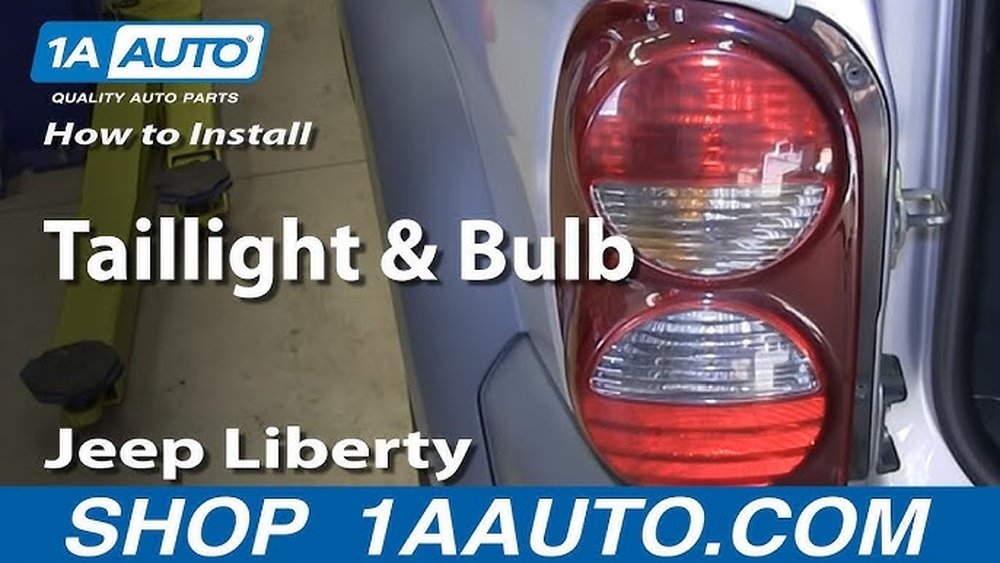
Replacing a Jeep Liberty tail light might sound complex, but it’s actually a task most people can do with basic tools and some patience. Whether your tail light is broken, faded, or simply not working, changing it yourself saves money and helps you learn more about your vehicle. This guide will walk you through the process, offer helpful tips, and point out common mistakes to avoid.
Why Replace A Tail Light?
Your Jeep Liberty’s tail lights are important for safety. They let other drivers see you at night and signal when you’re braking or turning. A broken tail light can lead to a ticket or, worse, an accident. If you notice your tail light isn’t working or the lens is cracked, replacing it quickly is a smart move.
Tools And Materials Needed
Before you start, gather these items:
- Replacement tail light assembly (make sure it fits your Jeep Liberty’s model year)
- Phillips head screwdriver
- Flathead screwdriver (optional)
- Socket wrench set (sometimes needed)
- Clean gloves
- Cloth or towel to protect your car’s paint
Having the right tools ready makes the job smoother. If you’re unsure about the exact tail light part, check your owner’s manual or ask an auto parts store for help.

Step-by-step Replacement Guide
Follow these steps to remove the old tail light and install a new one:
1. Open The Rear Hatch
Start by opening the rear hatch or tailgate. This gives you access to the screws that secure the tail light assembly.
2. Locate And Remove Screws
Look for two or three screws holding the tail light in place, usually along the inside edge.
- Use a Phillips head screwdriver to remove the screws.
- Place the screws in a small container so you don’t lose them.
Some Jeep Liberty models have plastic covers over the screws. If so, gently pop these off with a flathead screwdriver.
3. Pull Out The Tail Light Assembly
Carefully pull the tail light housing straight out. It may feel tight because of plastic clips, but avoid twisting or forcing it.
Pro Tip: Wiggle the assembly gently. If it doesn’t budge, double-check for hidden screws.
4. Disconnect The Wiring Harness
On the back of the tail light assembly, you’ll see a wiring connector. Press the tab and pull the connector out.
If your model uses individual bulb sockets, twist each one counterclockwise to remove.
5. Compare Old And New Parts
Before installing, compare the new tail light with the old one. Check for matching connector types, bulb sockets, and screw holes.
Here’s a quick comparison:
| Feature | Old Tail Light | New Tail Light |
|---|---|---|
| Connector Type | 3-pin plug | 3-pin plug |
| Screw Location | Top & bottom | Top & bottom |
| Lens Color | Red/Clear | Red/Clear |
6. Install The New Tail Light
- Connect the wiring harness or bulb sockets to the new assembly.
- Line up the tail light with the mounting holes.
- Push it gently into place, making sure all clips snap in.
- Reinstall the screws and tighten them until snug (don’t overtighten).
7. Test The New Tail Light
Before closing everything up, turn on your Jeep’s lights and test:
- Brake lights
- Turn signals
- Reverse lights (if integrated)
If any light doesn’t work, double-check the connections and bulbs.
8. Clean Up
Replace any plastic covers you removed. Wipe fingerprints off the new lens with a clean cloth.
Common Mistakes And How To Avoid Them
Many first-timers run into small problems. Here’s how to prevent them:
- Forcing the assembly: If it won’t budge, look for hidden screws or clips. Forcing can crack the housing or damage paint.
- Mixing up bulbs: If your Liberty uses separate bulbs, note their positions during removal.
- Mismatched parts: Always compare old and new tail lights side-by-side before installing.
Cost And Time Estimates
Replacing a Jeep Liberty tail light is affordable and quick:
| Item | Cost Range | Time Needed |
|---|---|---|
| Tail Light Assembly | $40–$120 | – |
| Labor (if done by mechanic) | $50–$100 | 30–45 minutes |
| DIY Time | – | 15–30 minutes |
You can find exact parts and prices at local auto stores or on trusted sites.
Practical Tips For Best Results
- Always wear clean gloves to avoid leaving fingerprints or smudges inside the lens.
- If your new assembly doesn’t include bulbs, reuse the old ones if they’re still good.
- After installation, keep your receipt and the old tail light for a few weeks, just in case there’s a problem with the new part.
- For tough-to-remove screws, a little spray lubricant can help loosen them.

When To Call A Professional
Most people can replace a Jeep Liberty tail light themselves. But call a mechanic if:
- The wiring looks damaged or corroded.
- The new tail light doesn’t work after proper installation.
- You feel unsure at any step and don’t want to risk damage.
A professional can quickly diagnose and fix tricky issues.
Frequently Asked Questions
How Do I Know If My Jeep Liberty Tail Light Is Bad?
Check if the tail light fails to illuminate when you turn on the lights, press the brakes, or use the turn signal. Cracks or moisture inside the lens also mean it’s time to replace it.
Can I Use Led Bulbs In My Jeep Liberty Tail Light?
Yes, many Jeep Liberty models support LED bulbs. Make sure the LED bulbs are compatible with your vehicle’s wiring and fit the socket properly. Always test after installation.
Do I Need To Disconnect The Battery Before Replacing The Tail Light?
It’s not required, but disconnecting the battery adds safety, especially if you’ll be working near wiring. If you’re only unplugging the tail light connector, it’s usually safe to skip this step.
Where Can I Buy A Replacement Tail Light For A Jeep Liberty?
You can find replacement tail lights at auto parts stores, online retailers, or through your Jeep dealership. For high-quality parts, try sites like RockAuto.
What Should I Do If My New Tail Light Still Doesn’t Work?
Double-check all connections and bulbs. If the problem remains, check the fuse for the tail lights.
If everything looks fine, there may be a wiring issue that needs professional attention.
Replacing a Jeep Liberty tail light is one of those simple tasks that can save you time and money. With the right tools, some care, and these tips, you can get your Jeep back on the road—and stay safe—without a trip to the shop.