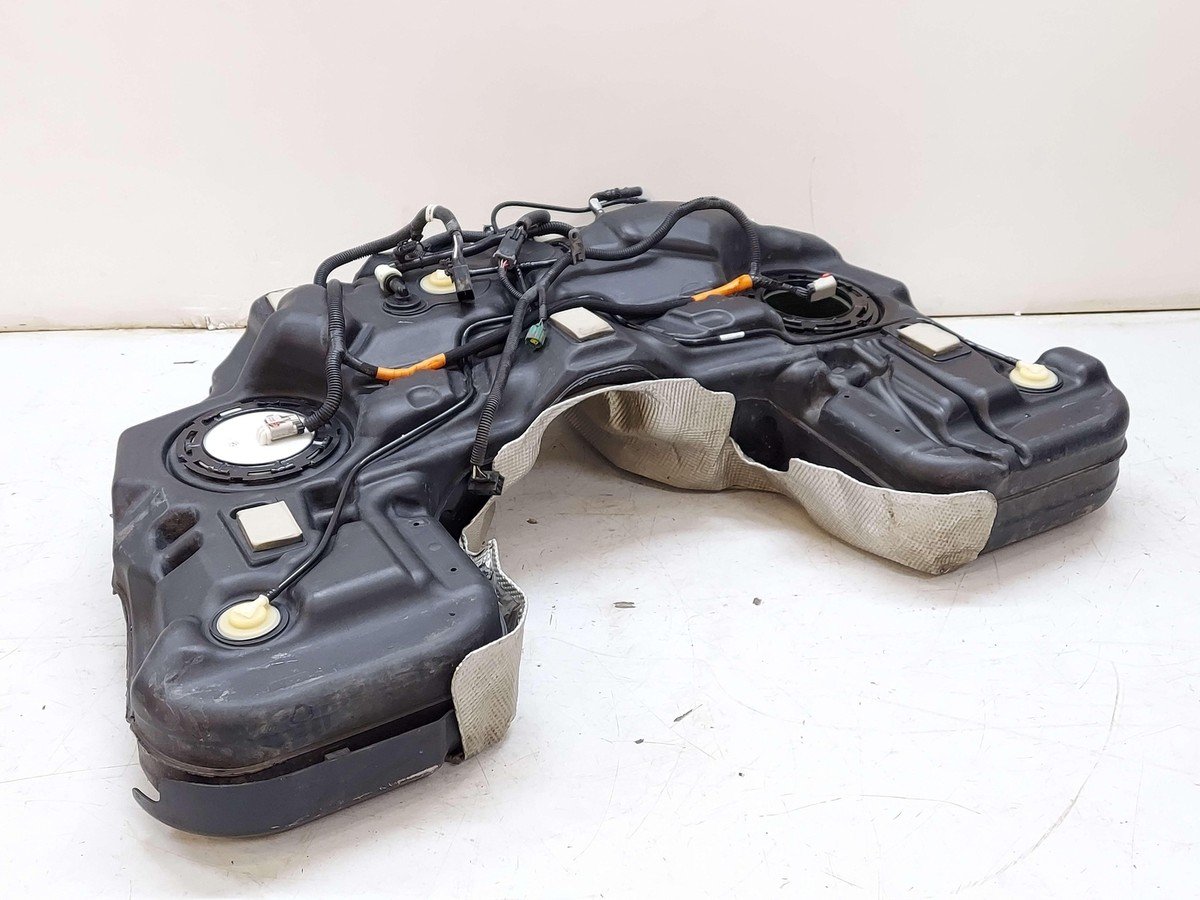
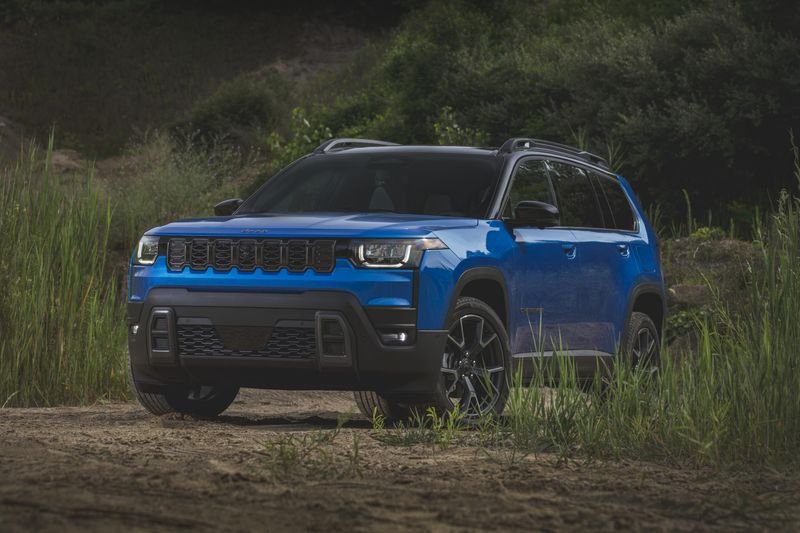
Replacing a fuel tank on a 2014 Jeep Grand Cherokee is a task that requires patience, the right tools, and careful attention to safety. While mechanics do this job often, many car owners with some DIY experience can handle it at home. If your fuel tank is leaking, rusted, or damaged, replacing it quickly is important for both safety and reliability. Below, you’ll find a complete guide to help you through the process step by step.
Tools And Materials You’ll Need
Before you start, gather these essentials:
- Socket set (metric and SAE)
- Screwdrivers
- Floor jack and sturdy jack stands
- Fuel line disconnect tool
- Safety glasses and gloves
- New fuel tank
- Replacement fuel tank straps (optional)
- Drain pan
- Shop rags
Having everything within reach saves time and frustration.
Preparing Your Jeep Grand Cherokee
Safety should always come first. Work in a well-ventilated area and keep fire extinguishers nearby. Gasoline vapors are highly flammable.
- Disconnect the battery to avoid electrical sparks.
- Run the fuel low. Try to have less than a quarter tank to make the tank lighter.
- Lift the vehicle using the floor jack and secure with jack stands under the frame rails.
- Relieve fuel system pressure by removing the fuel pump relay and starting the engine until it stalls.
A common mistake is skipping the pressure relief don’t, or you could get sprayed with fuel.
Draining And Disconnecting The Fuel Tank
With the Jeep secure, you’re ready to drain the old tank:
- Place a drain pan under the fuel tank.
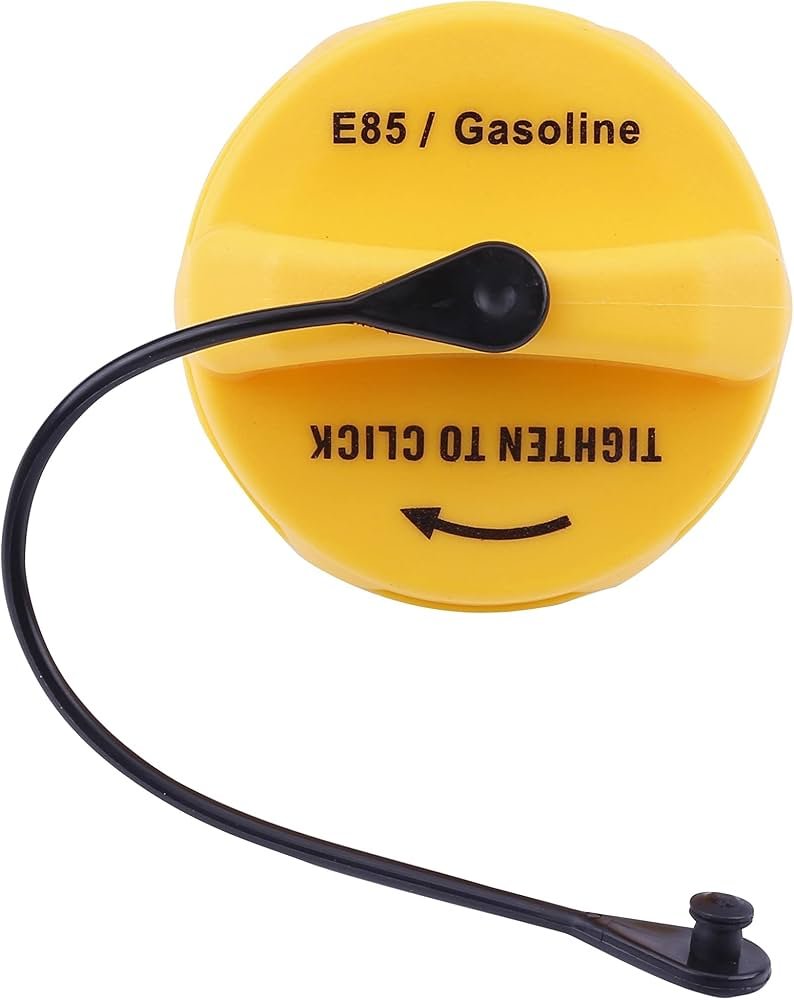
- Remove the fuel filler cap to release any pressure.
- Disconnect the fuel lines using the disconnect tool. Be careful—some fuel may spill.
- Disconnect the EVAP lines (these control fuel vapor emissions).
- Unplug the fuel pump wiring harness.
Beginners often forget one of the small EVAP or return lines. Check all connections carefully.
Removing The Old Fuel Tank
Now, you’ll take out the tank itself:
- Support the tank with a floor jack.
- Remove the fuel tank straps by unscrewing the bolts.
- Lower the tank slowly. Watch for any lines or wires that might still be attached.
- Slide the tank out from under the vehicle.
If the tank sticks, double-check for hidden bolts or clips, especially near the rear axle.
Key Specs Comparison
Here’s a quick look at the 2014 Grand Cherokee’s fuel tank details:
| Specification | Details |
|---|---|
| Fuel Tank Capacity | 24.6 gallons |
| Material | Steel or High-Density Plastic |
| Average Replacement Time | 2–3 hours |
Installing The New Fuel Tank
With the old tank out, prepare your new one:
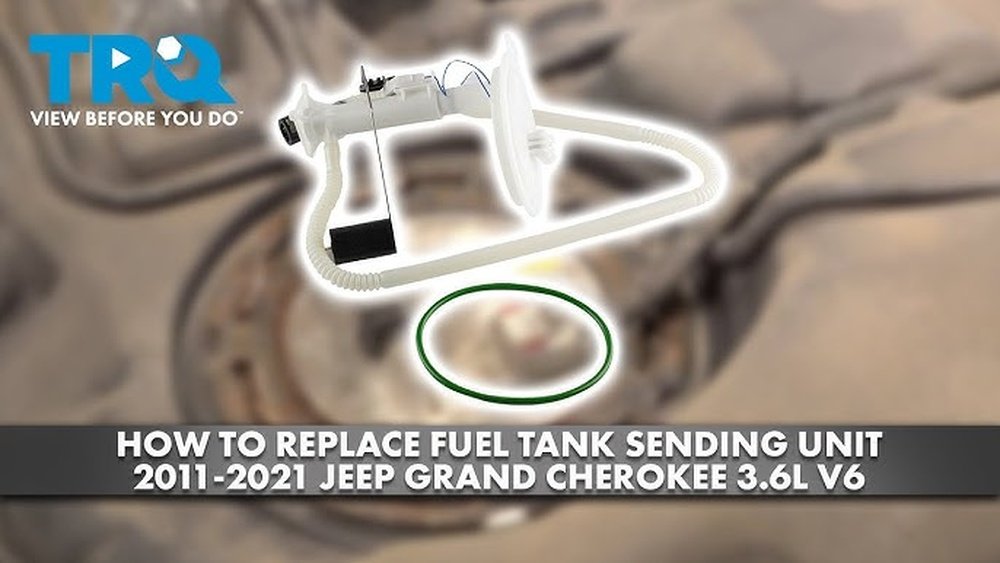
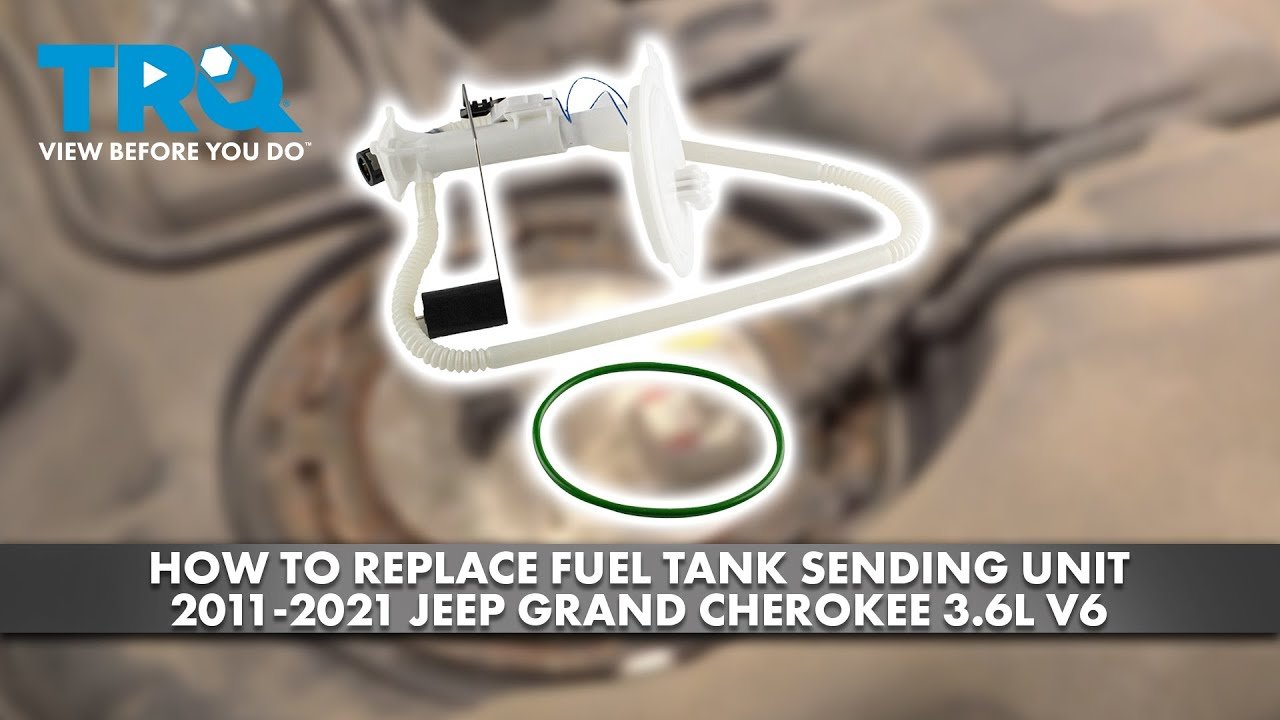
- Transfer the fuel pump and sending unit from the old tank to the new one, if needed.
- Install new tank straps if the old ones are rusty.
- Slide the new tank under the Jeep and lift it into place using the floor jack.
- Reconnect fuel lines, EVAP lines, and wiring harness.
- Bolt the tank straps back in place, ensuring the tank is secure.
Don’t overtighten the straps this can damage the tank, especially if it’s plastic.
Fuel System Connections
Here’s a reminder of the main connections you must check:
| Connection | Location |
|---|---|
| Fuel Supply Line | Top of tank, near pump |
| EVAP Line | Rear of tank |
| Fuel Pump Wiring | Plug connector, top of tank |
Finishing Up And Testing
Once everything is reconnected:
- Double-check all connections for tightness and fit.
- Lower the vehicle back to the ground.
- Reconnect the battery.
- Turn the ignition to “ON” but don’t start the engine yet. This will prime the fuel system.
- Check for leaks under the vehicle.
- Start the engine and let it idle. Watch for any warning lights or fuel smell.
If you notice leaks or the engine runs rough, turn off the Jeep and inspect all connections again.
Cost Comparison
Here’s a breakdown of DIY vs. Professional Replacement:
| Method | Estimated Cost | Time Required |
|---|---|---|
| DIY Replacement | $350–$600 (parts only) | 2–4 hours |
| Professional Shop | $700–$1,200 (parts + labor) | Same day |
Tips For A Smooth Fuel Tank Replacement
- Label each line as you disconnect them to avoid confusion.
- Replace fuel filter if it’s accessible during the job.
- Take photos before and during disassembly for reference.
- If you smell fuel after installation, stop and check for leaks.
- Always use OEM or quality aftermarket parts for a reliable result.
People often overlook the need to replace worn tank straps doing so can prevent future problems.
Frequently Asked Questions
How Long Does It Take To Replace A Fuel Tank On A 2014 Jeep Grand Cherokee?
Most DIYers can finish in 2–4 hours. A professional may complete it faster, usually within 2 hours, if there are no complications.
Do I Need To Drop The Exhaust To Remove The Fuel Tank?
On some Grand Cherokee models, the exhaust system may block fuel tank removal. If so, you’ll need to unbolt and lower the exhaust first. Check your undercarriage before starting.
Can I Reuse The Old Fuel Pump With The New Tank?
Yes, if the fuel pump is in good shape and compatible with the new tank, you can transfer it. Always inspect the pump and gasket for damage or wear.
Is It Safe To Replace A Fuel Tank Myself?
With proper tools, safety gear, and knowledge, it’s safe for experienced DIYers. Always work in a well-ventilated area and keep ignition sources away from gasoline.
Where Can I Find A Reliable Replacement Fuel Tank?
You can order from auto parts stores, dealerships, or reputable online suppliers. For more details, visit the NHTSA Vehicle Safety Information site.
Replacing your 2014 Jeep Grand Cherokee’s fuel tank is a manageable project with the right steps and care. Take your time, double-check each connection, and you’ll have your Jeep back on the road safely.