Replacing the front wheel bearing on a Jeep Grand Cherokee is a task that can save you significant money and restore your vehicle’s smoothness and safety. If you notice a humming noise, grinding sound, or vibration coming from the front wheels, it’s often a sign of a failing wheel bearing.
While the job requires some mechanical skill, the right guidance and preparation can make it manageable for a confident DIYer. This article will walk you through everything you need to know—tools, steps, common mistakes, and tips—to get your Jeep Grand Cherokee rolling quietly and safely again.
Understanding Front Wheel Bearings In A Jeep Grand Cherokee
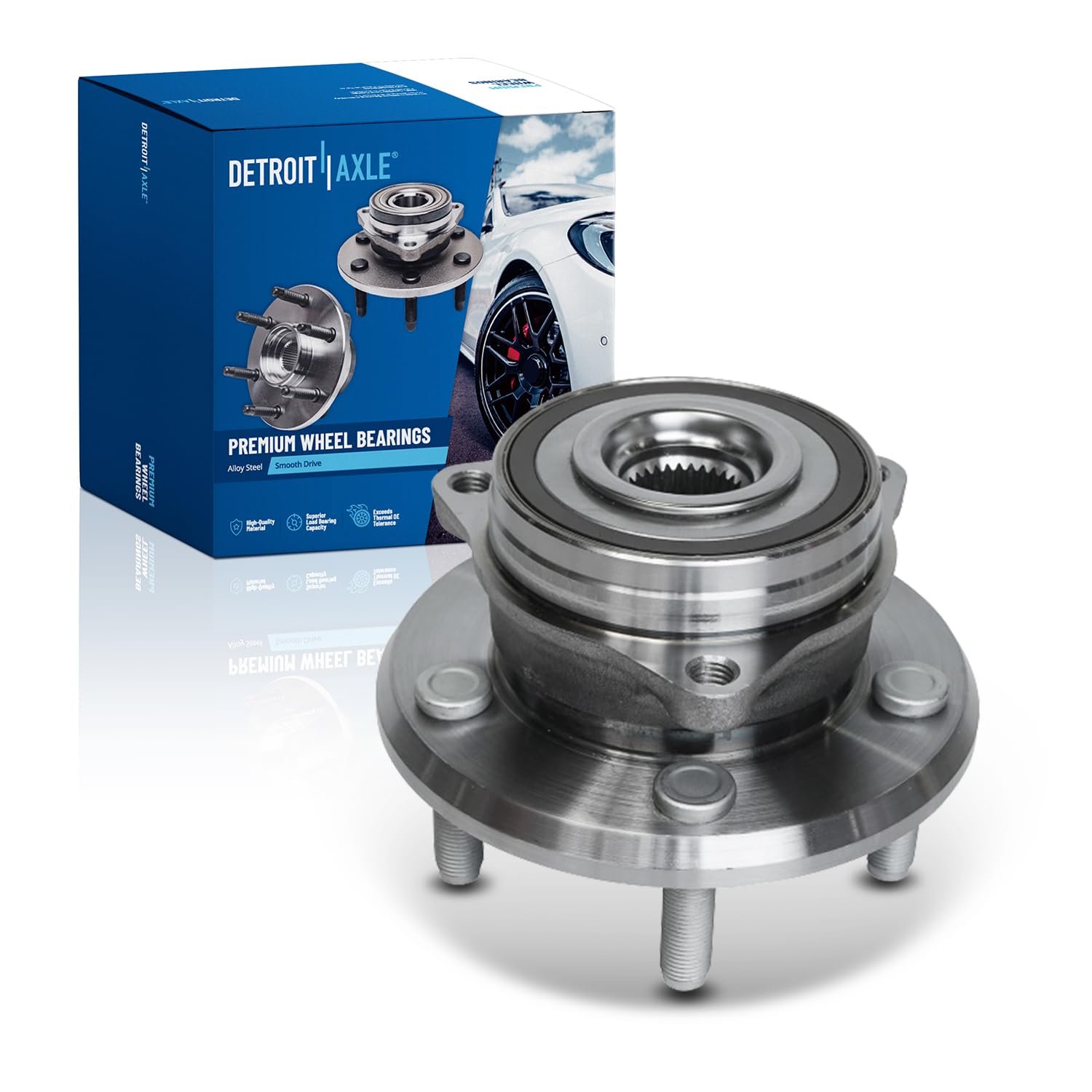
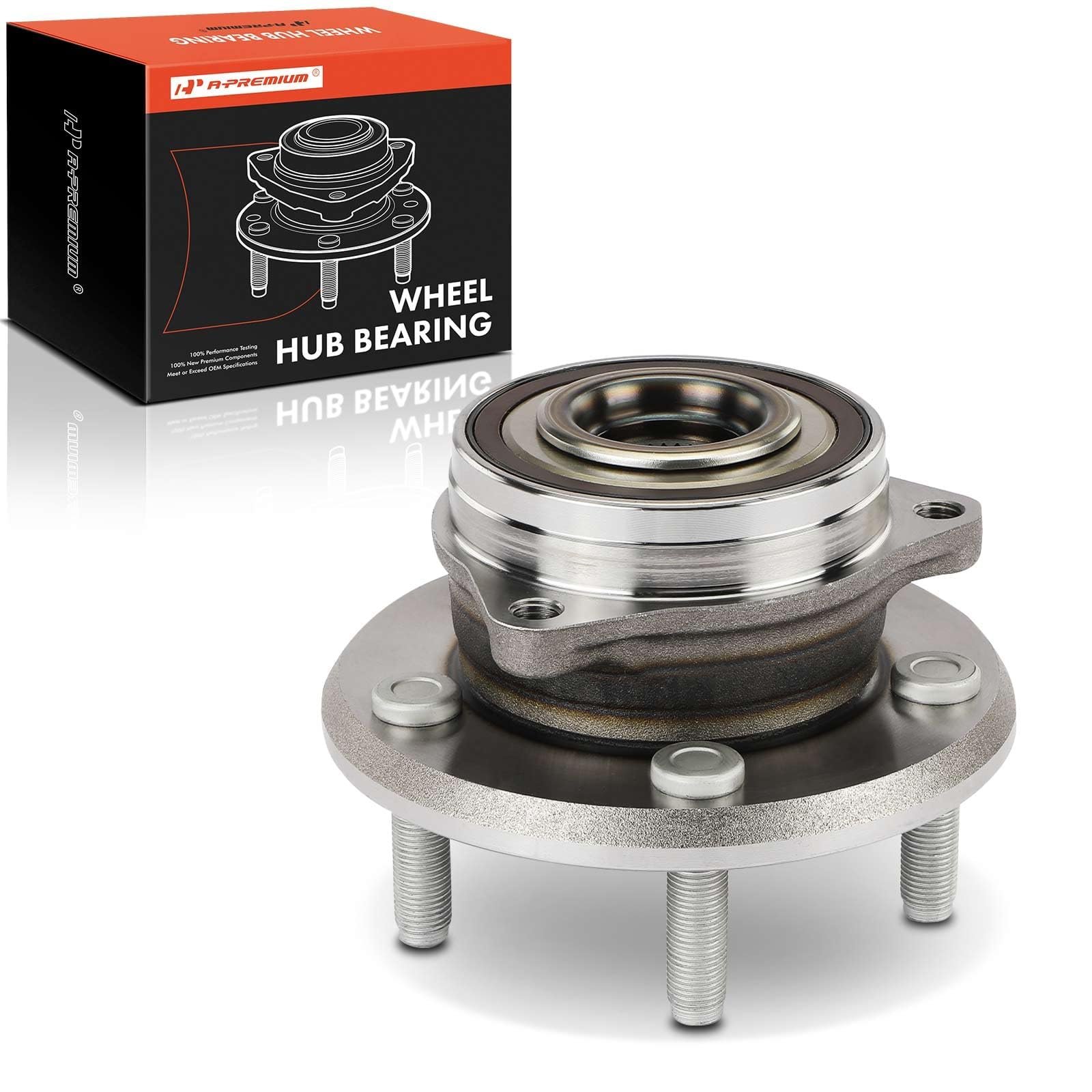
Front wheel bearings allow the wheels to spin freely while supporting the vehicle’s weight. In the Jeep Grand Cherokee, these bearings are usually part of a hub assembly, which means you replace the whole unit, not just the bearing. Over time, water, salt, and road debris can wear out these components. Driving with a bad bearing can damage other parts and even become dangerous if ignored.
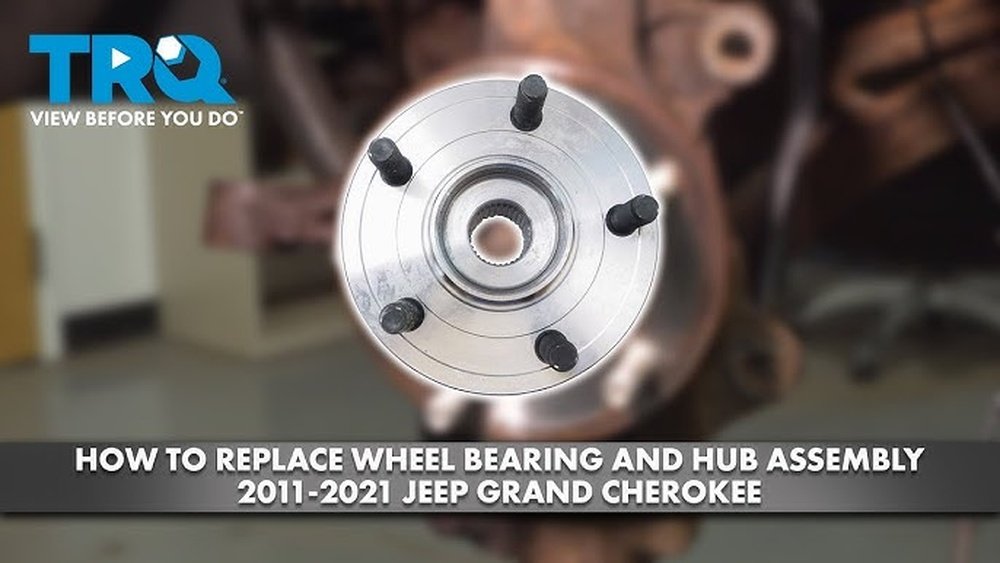
A new wheel bearing restores proper rotation, reduces noise, and ensures your ABS system functions correctly. But before you start, it’s smart to understand exactly what you’re getting into.
Signs Your Front Wheel Bearing Needs Replacement
Not all noises mean a bad bearing. Here are the most reliable indicators:
- Humming or growling noise that increases with speed
- Vibration in the steering wheel
- ABS warning light turning on (due to sensor issues in the hub)
- Wobbling wheel when the vehicle is lifted
A common mistake is confusing brake noise or tire issues for a bad bearing. Always check your tires and brakes first.
Tools And Parts Needed
Having the right tools will make the process safer and smoother. Here’s what you’ll need:
- Jack and jack stands
- Lug wrench
- Socket set (especially 13mm, 18mm, 21mm, 36mm sockets)
- Breaker bar
- Torque wrench
- Flathead screwdriver
- Pry bar
- Hammer
- Needle-nose pliers
- Replacement front wheel bearing/hub assembly (specific to your Jeep model year)
- Anti-seize compound
- Brake cleaner
- Shop towels
- Safety glasses and gloves
For best results, use quality hub assemblies from brands like Timken or Moog. Cheaper parts often fail quickly and may not fit perfectly.
Preparation And Safety
Before starting, make sure your Jeep is parked on a level surface with the parking brake engaged. Loosen the lug nuts before lifting the vehicle. Always use jack stands—never rely on a jack alone.
Disconnect the negative battery cable to avoid triggering any ABS warning lights or airbag issues. Read your Jeep’s service manual for any year-specific procedures.
Step-by-step: How To Replace The Front Wheel Bearing
Here’s a detailed process to change the front wheel bearing on most Jeep Grand Cherokee models (1999 2021). Always verify steps for your specific year.
1. Loosen Lug Nuts And Lift The Vehicle
Use a breaker bar to loosen the front wheel lug nuts (don’t remove them yet). Jack up the front of the vehicle and secure it with jack stands. Remove the wheel.
2. Remove Brake Caliper And Rotor
- Use the correct socket (usually 18mm or 21mm) to unbolt the brake caliper.
- Hang the caliper with a bungee cord or wire—do not let it dangle from the brake line.
- Slide off the brake rotor. If stuck, tap gently with a hammer.
3. Disconnect The Abs Sensor (if Equipped)
Most newer Grand Cherokees have an ABS sensor on the hub. Unplug it carefully to avoid damage. Note its routing for reinstallation.
4. Remove The Axle Nut
The large axle nut (often 36mm) holds the hub assembly in place. Use a breaker bar or impact wrench to remove it.
You may need someone to hold the brakes or wedge the rotor.
5. Remove The Hub Assembly
- Unbolt the three hub mounting bolts from the knuckle (usually 13mm or 15mm).
- Tap the old hub assembly with a hammer or use a puller if it’s stuck due to rust.
- Clean the knuckle surface with brake cleaner and a rag.
6. Install The New Hub Assembly
- Apply anti-seize compound to the hub mating surface.
- Align the new hub with the knuckle and insert bolts. Tighten evenly in a star pattern.
- Torque the hub bolts to spec (usually 75–100 ft-lbs; check your manual).
- Reinstall the axle nut, torquing to about 150 ft-lbs.
7. Reinstall Abs Sensor And Brakes
- Plug in the ABS sensor and secure its wiring.
- Slide the rotor back on.
- Reinstall the brake caliper and bolts, tightening to spec.
8. Reinstall The Wheel
Place the wheel on, hand-tighten the lug nuts, lower the vehicle, then torque the lug nuts in a star pattern (usually 100 ft-lbs).
9. Test And Inspect
Start the Jeep and check for warning lights. Spin the wheel and listen for noise.
Test drive at low speed first, then increase speed gradually.
Typical Costs: Diy Vs Professional Service
Here’s how the costs can differ between doing the job yourself and hiring a mechanic:
| Option | Parts Cost | Labor Cost | Total Cost |
|---|---|---|---|
| DIY Replacement | $80 – $180 | $0 | $80 – $180 |
| Professional Shop | $120 – $250 | $150 – $300 | $270 – $550 |
Choosing DIY can save over $300, but only if you do the job right. If you lack proper tools, factor in rental costs.
Common Mistakes And How To Avoid Them
Many first-timers make errors that can lead to extra expense or even danger. Here’s what to watch out for:
- Forgetting to torque bolts: Always use a torque wrench. Under-tightening can cause vibration or even wheel loss.
- Damaging the ABS sensor: Be gentle when unplugging and rerouting the sensor.
- Not cleaning the mating surface: Rust and debris can cause the new bearing to seat unevenly, leading to noise or early failure.
- Not using anti-seize: This step makes future replacements much easier.
- Skipping a test drive: Always check for warning lights and unusual sounds before considering the job done.
Extra Tips For A Smooth Replacement
- If your hub is stuck, spray penetrating oil on the bolts and let it sit for 15 minutes.
- Mark the position of the rotor and hub before removal to help realign them.
- Always replace the cotter pin or axle nut retainer if your model uses one.
- If both sides have high mileage, consider replacing both bearings for even wear.
- Don’t ignore a failed bearing—driving with one can damage the axle or knuckle.
How Long Does It Take?
Most DIYers need 2–3 hours for the first wheel bearing replacement. With experience, it can take less than 90 minutes per side. If you run into rust or seized parts, add extra time.
Jeep Grand Cherokee Generations: Bearing Differences
Not all Grand Cherokees use the same hub assembly. Here’s a quick comparison for popular generations:
| Model Year | Hub Type | ABS Sensor | Notes |
|---|---|---|---|
| 1999–2004 (WJ) | Unitized hub | Usually external | ABS wire may be separate |
| 2005–2010 (WK) | Unitized hub | Integrated sensor | One-piece assembly |
| 2011–2021 (WK2) | Unitized hub | Integrated sensor | Some AWD models have specific hubs |
Always match the part number to your VIN or use a reputable parts source.
Signs You Did The Job Right
After replacing the bearing, your Jeep should:
- Drive quietly (no humming or grinding from the wheel area)
- Have no ABS or traction control warning lights
- Steer smoothly, without vibration or wandering
If you notice persistent noise or warning lights, double-check your work. Sometimes, the ABS connector isn’t fully seated, or the rotor was installed backward.
When To Seek Professional Help
Some situations call for a pro:
- Severe rust or seized bolts
- Damaged axle splines
- Unusual noises after replacement
If you lack the right tools or feel unsure, it’s safer to let a mechanic handle the repair. Mistakes can lead to dangerous failures.
Tools Comparison: Basic Vs Advanced
Curious about whether you need special tools? Here’s a summary:
| Tool Type | Needed for Job? | Example Use |
|---|---|---|
| Breaker Bar | Yes | Axle nut removal |
| Impact Wrench | Optional | Faster removal, stuck bolts |
| Torque Wrench | Yes | Critical for bolt safety |
| Hub Puller | Optional | Removing rusted hub |
A torque wrench is non-negotiable. Impact tools speed things up but aren’t required.
Useful Resources
If you want official torque specs and diagrams, check the Jeep Grand Cherokee service manual or visit Jeep Official Site for factory guides.
Frequently Asked Questions
How Do I Know If My Jeep Grand Cherokee’s Front Wheel Bearing Is Bad?
Listen for a steady humming or grinding noise from the front wheel that gets louder at higher speeds. You may also feel vibration in the steering wheel or see the ABS warning light turn on.
If the wheel wobbles when you try to shake it by hand (with the vehicle lifted), the bearing is likely worn out.
Can I Drive With A Bad Front Wheel Bearing?
It’s risky. A failing bearing can cause the wheel to lock up or fall off in extreme cases.
It also puts stress on the axle and suspension. Always replace a bad bearing as soon as possible.
Do I Need An Alignment After Replacing The Wheel Bearing?
Usually not, because the hub bolts directly to the knuckle and doesn’t change suspension geometry. But if you also replaced suspension parts or loosened control arm bolts, an alignment is a smart idea.
What Torque Values Should I Use For The Bolts?
Common torque specs:
- Hub bolts: 75–100 ft-lbs
- Axle nut: 150 ft-lbs
- Wheel lug nuts: 100 ft-lbs
Always check your service manual for your exact model year.
Where Can I Find Quality Replacement Parts?
Buy from reputable auto parts stores or online retailers. Brands like Timken, Moog, and SKF are trusted for durability and fit. Avoid no-name brands from unknown sellers, as they may fail quickly.
Replacing the front wheel bearing on a Jeep Grand Cherokee is a rewarding DIY project. Take your time, use the right tools, and double-check each step.
With care, you’ll have your Jeep running smoothly and safely for many more miles.