Replacing the front wheel bearing on a 2004 Jeep Grand Cherokee is a task that can save you money and help you understand your vehicle better. If you notice a humming noise, uneven tire wear, or vibration coming from the front, your wheel bearings may be worn out. Changing them yourself isn’t just about fixing the problem—it’s about learning how your SUV works and making it safer for the road. This guide explains the process step by step, shares practical tips, and helps you avoid common mistakes. Whether you’re new to car repair or have some experience, you’ll find clear instructions here.
Understanding Front Wheel Bearings
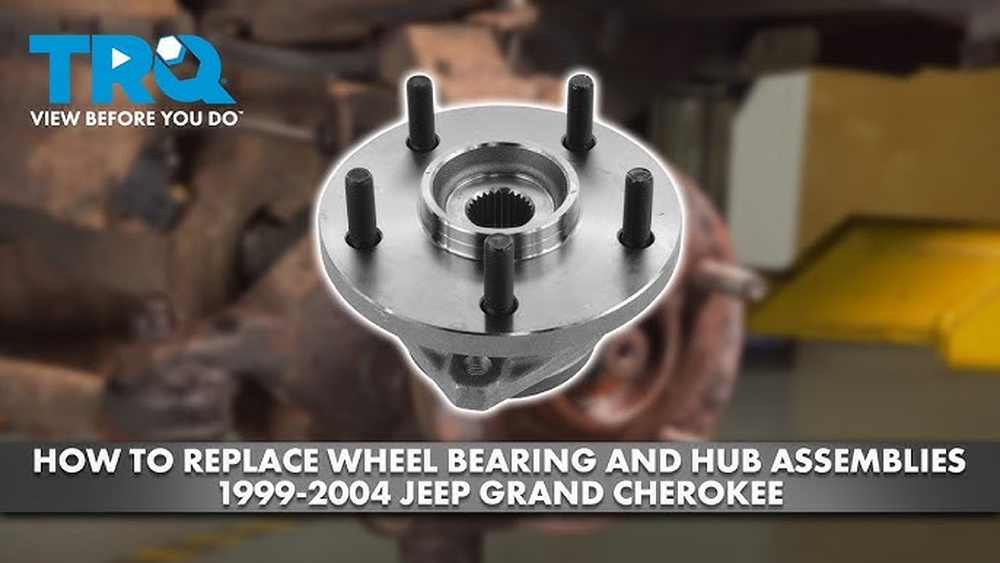
Wheel bearings are small, but vital. They let your wheels spin smoothly and safely. On the 2004 Jeep Grand Cherokee, the front wheel bearings are pressed into the wheel hub assembly. When bearings wear out, you’ll hear a growl or feel roughness as you drive. Ignoring them can lead to bigger problems, like damaged hubs or even losing a wheel.
A front wheel bearing usually lasts 100,000 miles, but rough roads or heavy loads can shorten its life. If you replace it early, you protect other parts like brakes and suspension.
Tools And Parts You’ll Need
Having the right tools makes the job faster and safer. Here’s what you need:
- New wheel bearing and hub assembly (for your Jeep’s model)
- Socket set (including 13mm, 15mm, 21mm)
- Breaker bar
- Torque wrench
- Jack and jack stands
- Hammer
- Pry bar
- Screwdriver
- Needle-nose pliers
- Axle nut socket (usually 36mm for this Jeep)
- Penetrating oil
- Wheel chocks
- Safety gloves and goggles
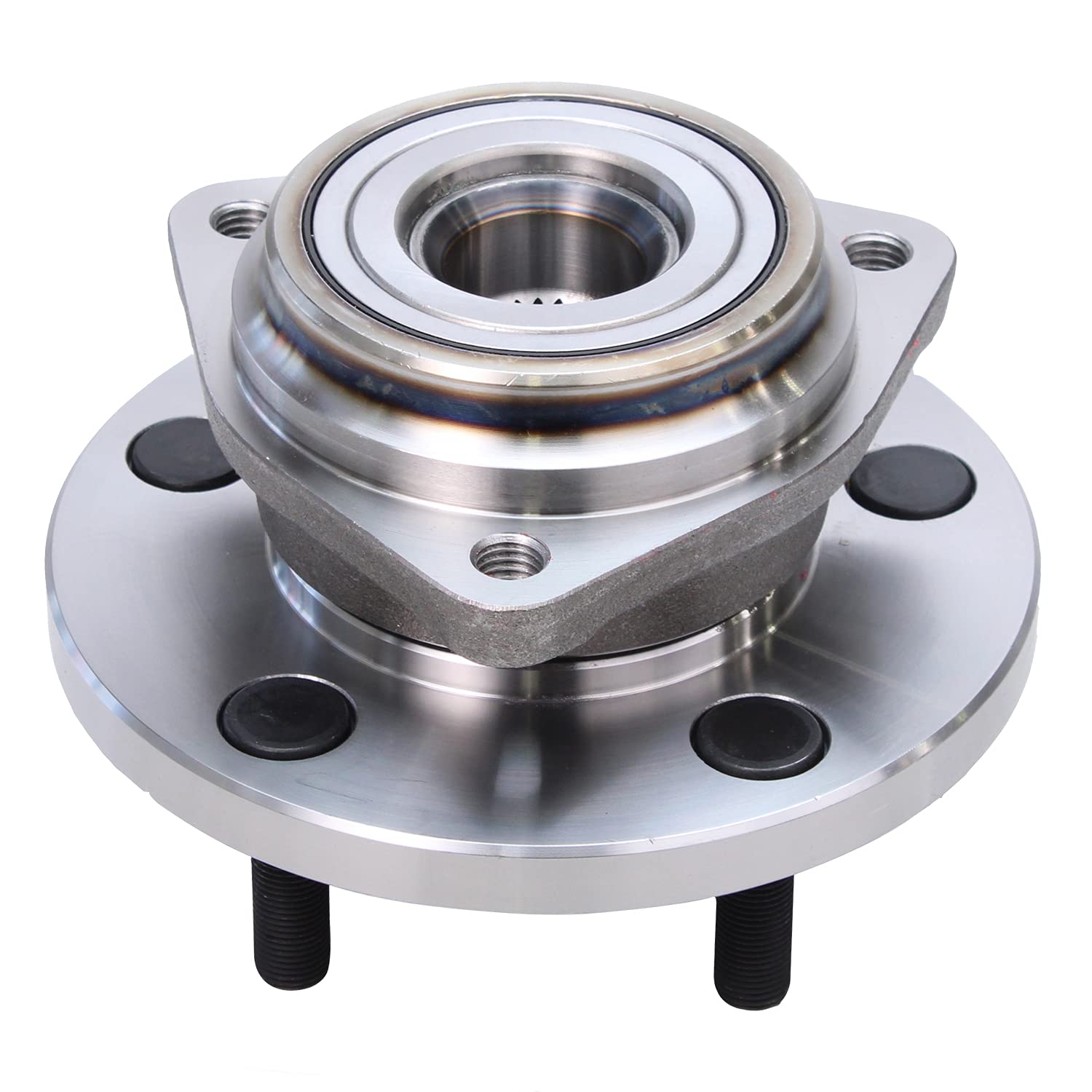
A complete hub assembly is easier for beginners, as it includes the bearing pre-installed. This saves time and avoids pressing the bearing in and out.
Safety Precautions
Before you start:
- Park on a flat surface.
- Set the parking brake.
- Use wheel chocks behind the rear tires.
- Wear safety gloves and goggles.
- Never work under a car supported only by a jack—always use jack stands.
Step-by-step Guide To Replacing The Front Wheel Bearing
Follow these steps closely. One small mistake can lead to big issues, so take your time.
1. Loosen The Lug Nuts
Before lifting the vehicle, use a breaker bar to loosen the lug nuts on the front wheel you’re working on. Don’t remove them yet—just break them loose.
2. Lift The Vehicle
Place the jack under the recommended jacking point. Raise the vehicle and secure it with jack stands. Never trust the jack alone.
3. Remove The Wheel
Take off the loosened lug nuts and slide the wheel off. Put it aside.
4. Remove The Brake Caliper And Rotor
- Find the caliper bolts (usually 13mm or 15mm).
- Remove them and carefully hang the caliper with a wire (don’t let it dangle by the brake hose).
- Slide the rotor off. If it’s stuck, use penetrating oil and tap with a hammer.
5. Remove The Axle Nut
Use the axle nut socket (36mm) and breaker bar. Sometimes, you may need a helper to hold the hub while you loosen the nut.
6. Detach The Wheel Hub Assembly
- Find the three bolts holding the hub (usually 13mm or 15mm).
- Spray them with penetrating oil—they can be rusty.
- Remove the bolts. If the hub is stuck, use a hammer and pry bar to gently free it.
7. Remove The Old Bearing
The hub assembly with the bearing will come out together. Inspect the area for rust or damage.
8. Install The New Hub Assembly
- Clean the mounting surface with a wire brush.
- Slide in the new hub assembly.
- Align and tighten the three bolts to manufacturer’s torque specs (often 75–100 ft-lbs).
9. Reinstall The Axle Nut
Thread the axle nut by hand. Use a torque wrench to tighten it to 175 185 ft-lbs (check your manual for exact value).
10. Put The Rotor And Caliper Back
- Slide the rotor onto the hub.
- Bolt the caliper in place.
- Make sure everything is snug but not overtightened.
11. Reinstall The Wheel
Put the wheel back on, thread the lug nuts, and lower the vehicle. Tighten the lug nuts in a star pattern to 95 105 ft-lbs.
12. Test Your Work
Before driving, spin the wheel by hand and check for smooth rotation. Pump the brake pedal so the caliper resets.
Take a short test drive to check for noises or vibrations.
Common Mistakes And How To Avoid Them
- Skipping torque specs: Under- or overtightening bolts can lead to failure. Always use a torque wrench.
- Letting the caliper hang: This can damage brake hoses.
- Forgetting to clean surfaces: Dirt or rust can cause vibration or uneven wear.
- Misplacing bolts: Keep bolts organized as you remove them.
- Ignoring safety steps: Always use jack stands and protective gear.
Many beginners miss the importance of cleaning the mounting surface and properly torquing the axle nut. These steps prevent future bearing failure and keep your Jeep safe.
Jeep Grand Cherokee Front Wheel Bearing Data
Here’s a quick comparison of wheel bearing specs for the 2004 Jeep Grand Cherokee:
| Feature | Front Wheel Bearing | Rear Wheel Bearing |
|---|---|---|
| Bearing Type | Sealed Hub Assembly | Ball Bearing |
| Torque Spec (Axle Nut) | 175–185 ft-lbs | 150–160 ft-lbs |
| Typical Lifespan | 100,000 miles | 120,000 miles |
| Replacement Time | 1–2 hours | 1–2 hours |
Signs Your Wheel Bearing Needs Replacement
Not sure if your bearing is bad? Look for these clues:
- Humming noise that gets louder with speed
- Vibration in the steering wheel
- Uneven tire wear
- ABS warning light (sometimes triggered by bearing failure)
- Wheel feels loose when rocked side to side
If you spot these, inspect the bearing soon.
Tips For A Smooth Replacement
- Use penetrating oil on all bolts before starting. It makes removal easier.
- Have a helper hold the hub if you struggle with the axle nut.
- Take photos as you go. This helps you remember how parts fit together.
- If the hub is really stuck, tap it gently all around—don’t smash it in one spot.
- Always double-check torque specs in your Jeep’s service manual.
Cost Comparison: Diy Vs. Shop
Many people ask, “Is it worth doing myself?” Here’s a cost breakdown:
| Method | Parts Cost | Labor Cost | Total Cost | Time Needed |
|---|---|---|---|---|
| DIY | $90–$130 | $0 | $90–$130 | 1–2 hours |
| Shop | $90–$130 | $160–$250 | $250–$380 | 3–4 hours |
Doing it yourself saves money, but the job requires patience and careful work.
Wheel Bearing Brands Compared
Choosing the right part matters. Here’s how popular brands stack up:
| Brand | Warranty | Known Quality | Price Range |
|---|---|---|---|
| Timken | 1–3 years | High | $120–$140 |
| Moog | Limited Lifetime | High | $110–$130 |
| Dorman | 1 year | Medium | $90–$120 |
| OEM Mopar | 2 years | Very High | $130–$160 |
Choose Timken or Moog for reliable performance. Avoid very cheap brands—they don’t last as long.
Non-obvious Insights
Most beginners don’t realize that:
- ABS sensors are often built into the hub assembly on this Jeep. If your ABS light is on after replacement, check the sensor connection before assuming the bearing is bad.
- Sometimes, the bearing fails because of damaged seals or contaminated grease—not just normal wear. When inspecting the old bearing, look for cracked rubber seals or dirty grease.
What To Do After Replacement
After installing the new bearing:
- Drive gently for the first 10 miles.
- Listen for any unusual noises.
- Re-check torque on lug nuts after 50 miles.
- If your ABS light comes on, check the sensor wiring.
When To Get Professional Help
If you notice:
- The hub won’t come off, even after soaking with oil and tapping.
- You can’t torque the axle nut properly.
- The wheel still feels loose after installing the new bearing.
Stop and get help. Mistakes here can damage your Jeep or make it unsafe.
How Long Does A Wheel Bearing Last On A 2004 Jeep Grand Cherokee?
A quality front wheel bearing should last 100,000 miles or more. Rough roads, heavy loads, or water exposure can reduce lifespan.
Can I Drive With A Bad Wheel Bearing?
It’s risky. A bad bearing can make the wheel come loose or damage suspension and brakes.
Drive only to a repair shop if needed.
What’s The Torque Spec For The Axle Nut?
On most 2004 Jeep Grand Cherokees, it’s 175–185 ft-lbs. Always check your owner’s manual for the exact figure.
Do I Need A Special Tool To Remove The Bearing?
You need a 36mm axle nut socket and a torque wrench. If you buy a hub assembly, you won’t need a bearing press.
Where Can I Find More Details Or Diagrams?
The official Jeep service manual has diagrams and torque specs. For trusted info, visit Jeep Official Manuals.
Replacing the front wheel bearing on your 2004 Jeep Grand Cherokee isn’t just a repair—it’s a chance to learn and make your vehicle safer. With careful steps, the right tools, and attention to detail, you’ll get the job done right and avoid costly mistakes. Always double-check torque, keep your workspace organized, and don’t rush. Enjoy the sense of accomplishment that comes from fixing your own Jeep.