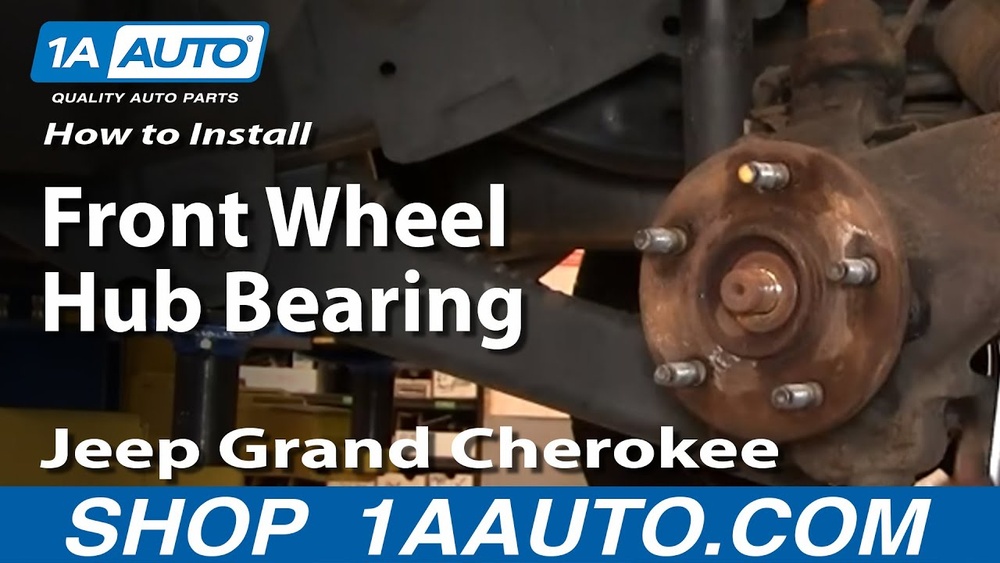
Replacing the front wheel bearing on a 2001 Jeep Grand Cherokee is a job that can bring your SUV back to a smooth, quiet ride. If you notice a humming sound, vibration, or play in the wheel, it might be time to change the bearing. While it sounds complex, with patience and the right tools, many owners can tackle this repair at home. This guide will help you understand the process, avoid common mistakes, and know when to ask for help.
Understanding The Front Wheel Bearing
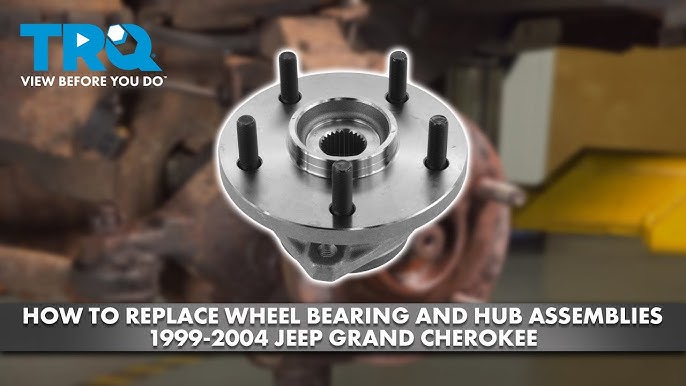
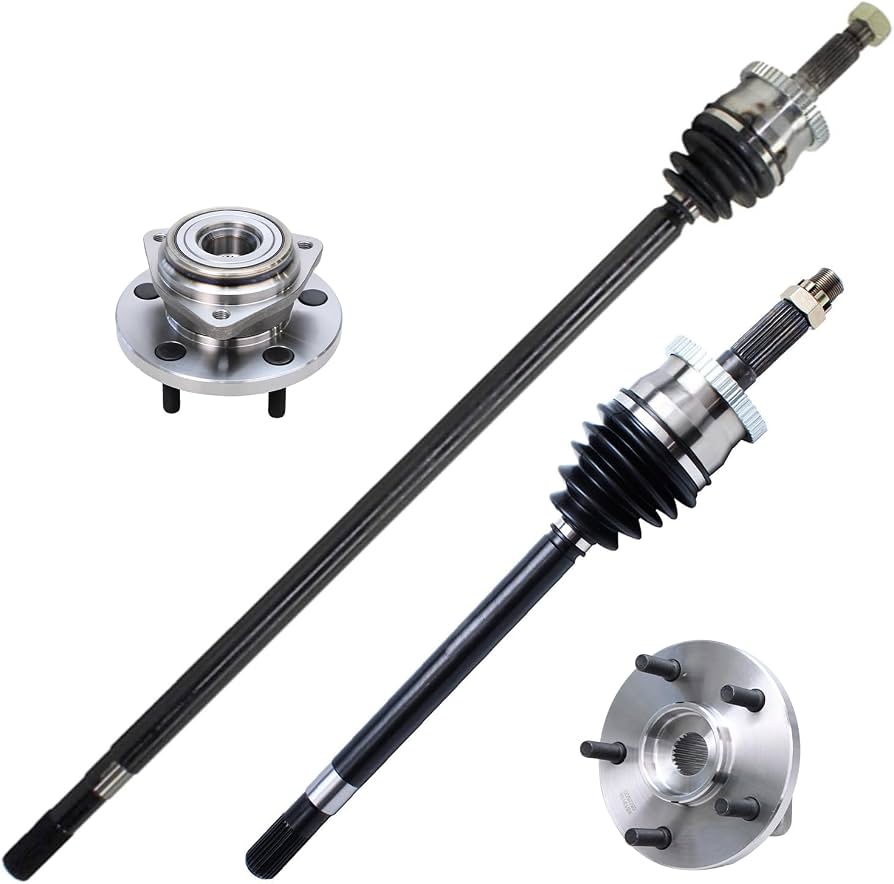
The front wheel bearing allows the wheel to spin with minimal friction. In the 2001 Jeep Grand Cherokee, it’s a sealed unit called a hub assembly. Over time, this part can wear out due to road conditions, moisture, and normal use. Symptoms of a bad bearing include:
- Grinding or humming noise from the wheel area
- Steering wheel vibration
- Loose or wobbly wheel
- ABS warning light (sometimes)
Ignoring these signs can lead to more serious damage, such as brake or axle failure.
Tools And Parts Needed
Before you start, gather these tools and supplies:
- Jack and jack stands
- Lug wrench
- Socket set (including 13mm, 15mm, 18mm, 21mm, 36mm)
- Breaker bar
- Torque wrench
- Screwdrivers (flathead and Phillips)
- Pry bar
- Hammer and punch
- Penetrating oil
- Wheel chocks
- Replacement hub assembly
- New axle nut (recommended)
- Anti-seize compound
- Gloves and eye protection
A quality hub assembly costs around $80–$160 per side, depending on the brand.
Preparation And Safety
Working safely is critical. Park your Jeep on a flat surface, set the parking brake, and block the rear wheels. Wear gloves and safety glasses. Make sure you have enough time—expect 2–3 hours for a first-time DIY attempt.
Step-by-step Wheel Bearing Replacement
Follow each step carefully to avoid issues.
1. Loosen The Lug Nuts
Before lifting the vehicle, loosen (but do not remove) the front wheel lug nuts with a breaker bar. This prevents the wheel from spinning while you work.
2. Lift The Vehicle
Raise the front of the Jeep with a jack and secure it using jack stands under the frame. Never rely only on a jack for support.
3. Remove The Wheel
Finish removing the lug nuts and take off the front wheel. Place the nuts in a safe spot.
4. Remove The Brake Caliper And Bracket
Locate the brake caliper bolts (usually 13mm or 15mm). Remove them and carefully slide the caliper off the rotor. Hang it from the suspension using a wire or bungee cord—never let it hang by the brake hose.
Remove the caliper bracket by loosening its bolts (typically 18mm). Take off the rotor.
5. Remove The Axle Nut
Find the axle nut at the center of the hub. Use a 36mm socket and a breaker bar to loosen it. If it’s stuck, spray with penetrating oil and try again. You may need to use a helper bar for extra leverage.
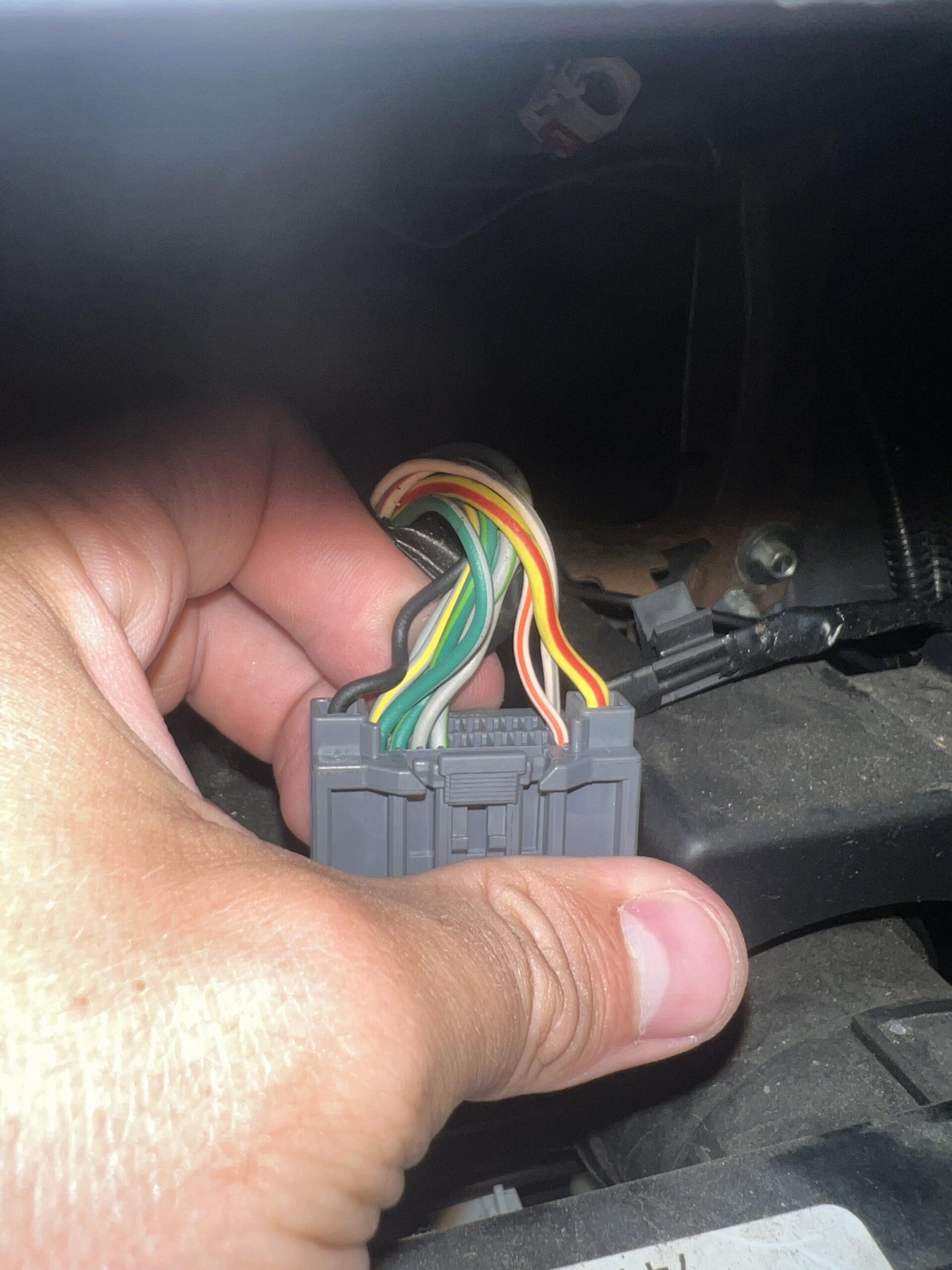
6. Disconnect The Abs Sensor
The ABS sensor wire attaches to the hub assembly. Gently disconnect the connector to avoid damage.
7. Remove The Hub Assembly
Remove the three bolts (usually 12-point 13mm) on the back of the steering knuckle that hold the hub assembly. These bolts can be very tight and sometimes rusted penetrating oil helps.
Use a hammer and punch to tap the hub free if it’s stuck. Don’t hit the sensor or threads.
8. Clean The Steering Knuckle
After removing the old hub, clean the knuckle surface with a wire brush. Remove all rust and debris this ensures the new hub fits correctly.
9. Install The New Hub Assembly
Apply a thin layer of anti-seize compound to the mounting surface. Slide the new hub into place, aligning the ABS sensor.
Install and hand-tighten the three hub bolts. Torque them to 75 ft-lbs in a crisscross pattern.
10. Reconnect The Abs Sensor
Plug in the ABS sensor wire. Be sure the connection is secure and the wire is routed away from moving parts.
11. Install The Axle Nut
Thread the new axle nut by hand. Torque it to 175 ft-lbs. Overtightening or undertightening can cause bearing failure.
12. Reinstall The Brake Rotor And Caliper
Place the rotor on the hub. Install the caliper bracket and torque its bolts to 120 ft-lbs. Mount the caliper and torque the bolts to 20 ft-lbs.
13. Reinstall The Wheel
Mount the wheel and hand-tighten the lug nuts.
14. Lower The Vehicle
Remove the jack stands and lower the Jeep. Torque the lug nuts to 100 ft-lbs in a star pattern.
15. Test Drive
Start the engine and check for warning lights. Take a short, careful test drive.
Listen for noise and check for smooth steering.
Common Mistakes And How To Avoid Them
Many first-time DIYers make these errors:
- Not using a torque wrench—over- or undertightening bolts leads to premature failure.
- Forgetting the ABS sensor—a loose or broken connection triggers warning lights.
- Skipping cleaning—dirt and rust cause improper hub seating and noise.
- Not replacing the axle nut—the old nut may not hold torque and can loosen over time.
A less obvious mistake is not checking the other side. If one bearing failed, the other might be worn too. Inspect both sides before finishing the job.
Practical Tips For Success
- Soak rusty bolts in penetrating oil overnight for easier removal.
- Take photos during disassembly so you remember part orientation.
- Use only high-quality bearings. Cheap parts often fail quickly.
- After installation, recheck torque on all bolts after your test drive.
- If the hub won’t come off, thread the bolts halfway in and tap them gently to help break the rust bond.
Cost Comparison: Diy Vs. Shop
Here’s a look at cost savings if you do it yourself versus hiring a shop.
| Repair Option | Parts | Labor | Total Cost (per side) |
|---|---|---|---|
| DIY | $80–$160 | $0 | $80–$160 |
| Professional Shop | $80–$160 | $120–$250 | $200–$410 |
You can save about $120–$250 per wheel by doing it yourself.
Signs You Should Not Diy
While many people can do this repair, it’s smart to ask for help if:
- You lack the correct tools (especially a torque wrench and large sockets)
- The hub is badly rusted or seized
- The ABS light stays on after installation
- You do not feel confident
In these cases, a mechanic can complete the job safely.
How Long Does A Wheel Bearing Last?
A Jeep Grand Cherokee wheel bearing usually lasts 80,000–150,000 miles. Off-road use, heavy towing, or lots of potholes can shorten its life. If you replace one, consider doing both sides for peace of mind.
Comparison: Oem Vs. Aftermarket Bearings
Choosing the right replacement part is important. Here’s a quick comparison:
| Type | Cost | Warranty | Durability |
|---|---|---|---|
| OEM (Mopar) | Higher | 12–24 months | Excellent |
| Aftermarket (Quality Brand) | Moderate | 12 months | Good |
| Aftermarket (Budget) | Low | 3–6 months | Poor |
OEM parts are more expensive but often last longer. Quality aftermarket brands like Timken or Moog offer a good balance of price and reliability.
When To Replace Both Front Bearings
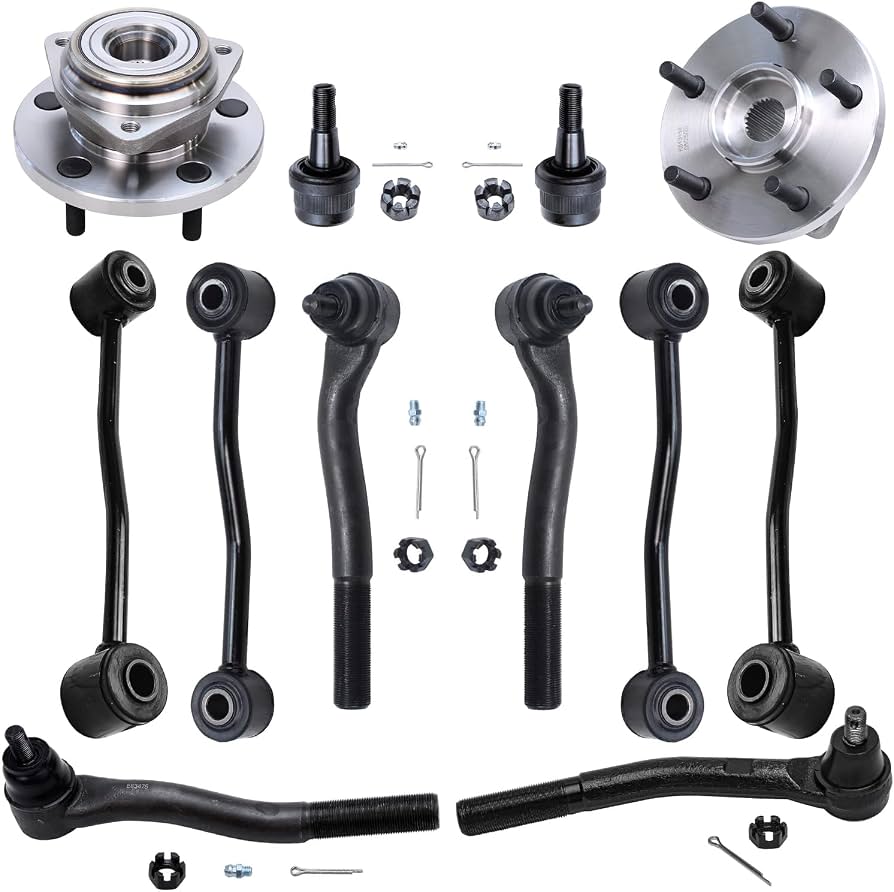
If your Jeep has over 120,000 miles or you hear noise from both sides, replacing both bearings at once saves labor and prevents future breakdowns. Mechanics often recommend this, especially if you plan to keep the vehicle for several more years.
Environmental And Driving Factors
The life of a wheel bearing depends on where and how you drive. For example:
- Salted winter roads speed up rust and bearing wear.
- Off-roading puts extra stress on suspension parts.
- Frequent water crossings can allow moisture inside the bearing.
Inspect bearings regularly if you drive in rough conditions.
What To Do After Installation
A few extra steps help ensure success:
- Reset your Jeep’s ABS system by disconnecting the battery for a few minutes if the light stays on.
- Check for leaks around the hub area.
- Listen closely for any new noises.
If problems continue, double-check all connections and bolt torques.
Resources For More Help
For detailed diagrams and repair manuals, visit the official Jeep website or trusted forums. You can also find video tutorials specific to the 2001 model.
How Do I Know If My 2001 Jeep Grand Cherokee’s Front Wheel Bearing Is Bad?
Listen for a humming, rumbling, or grinding noise from the front wheel area. The sound usually increases with speed. You may also feel vibration in the steering wheel or notice the ABS light is on.
Can I Drive With A Bad Wheel Bearing?
It’s not safe to drive long distances with a bad wheel bearing. It can suddenly fail, leading to loss of control or damage to other parts. Replace it as soon as possible.
Do I Need An Alignment After Replacing The Wheel Bearing?
Usually, no alignment is needed after a wheel bearing change. However, if you also replaced other suspension parts or noticed uneven tire wear, an alignment is a good idea.
How Tight Should The Axle Nut Be?
The axle nut should be torqued to 175 ft-lbs. Always use a torque wrench for this step to avoid over-tightening or leaving it too loose.
What If The Abs Light Stays On After Replacement?
Check the ABS sensor connection and wiring. If everything looks fine, try resetting the ABS system by disconnecting the battery for a few minutes. If the light remains on, scan for error codes or consult a mechanic.
Replacing the front wheel bearing on your 2001 Jeep Grand Cherokee is a rewarding project that can save you hundreds of dollars. With attention to detail, the right tools, and this guide, you’ll restore your Jeep’s ride and safety.
Take your time, double-check your work, and enjoy the satisfaction of a job well done.