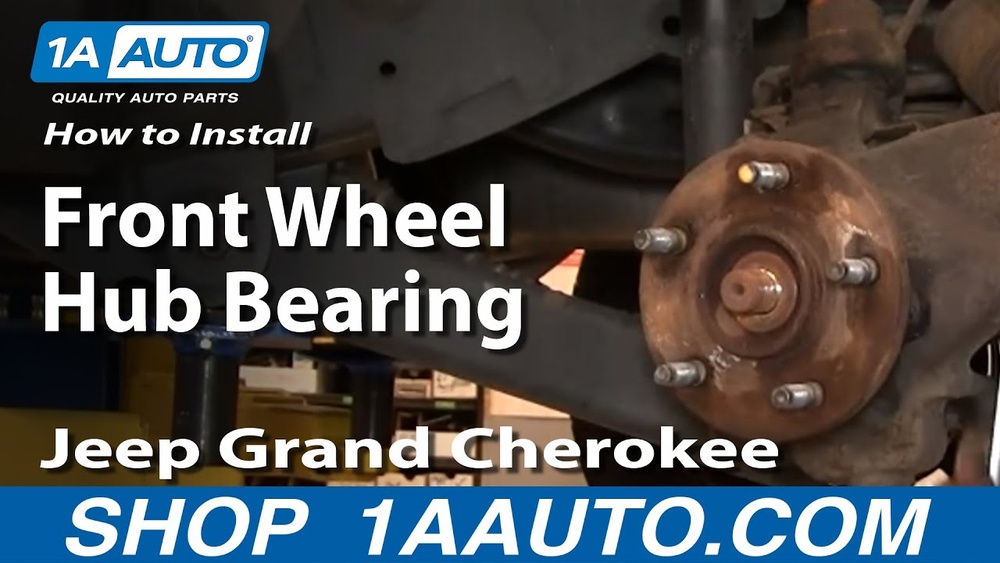
Replacing a front wheel bearing on a 2000 Jeep Cherokee can sound intimidating, but with the right tools and guidance, you can handle this job yourself. Wheel bearings are key components in your vehicle’s suspension. They help the wheels spin smoothly and support the weight of your Jeep. Over time, they can wear out, causing noise, roughness, and even unsafe driving conditions. If you hear a humming or grinding sound coming from the front of your Cherokee, especially when turning, it’s probably time for a replacement.
This guide will walk you step-by-step through the process, explain what you need, and help you avoid common mistakes.
Whether you’re a hobbyist or a first-time DIYer, you’ll learn exactly how to replace your 2000 Jeep Cherokee’s front wheel bearing safely and confidently.
Understanding The Front Wheel Bearing
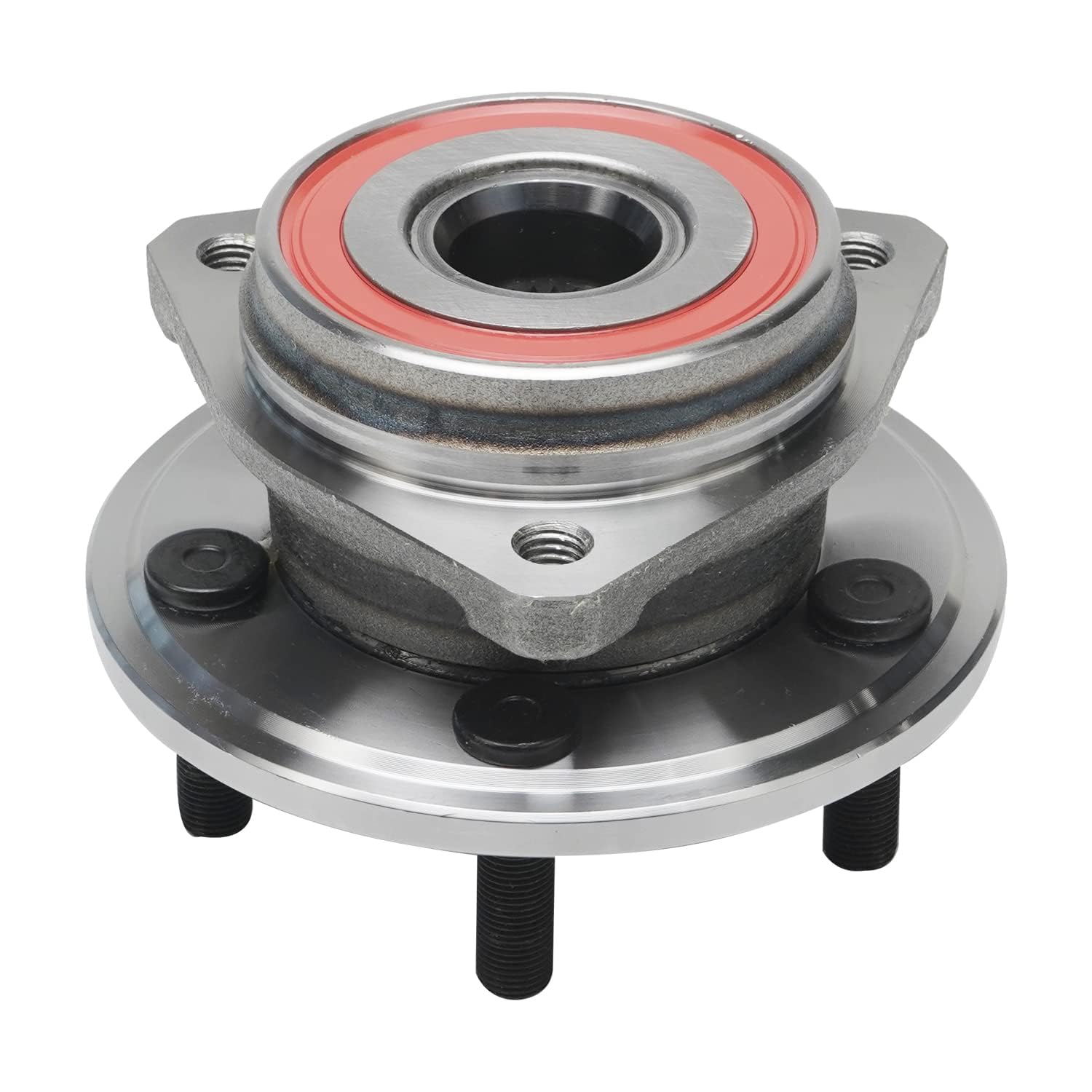
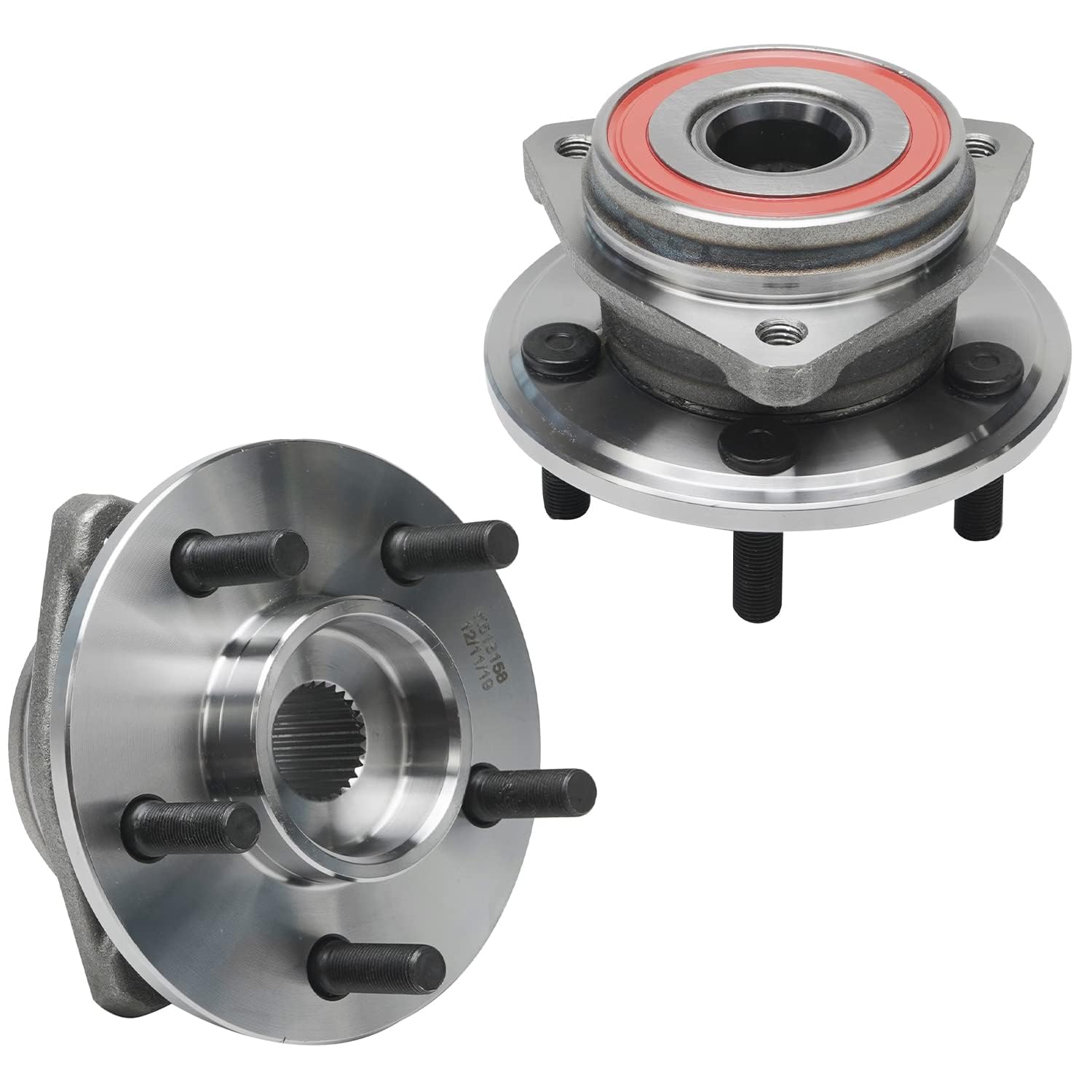
The wheel bearing is a set of steel balls or rollers held together by a metal ring called a race. In the 2000 Jeep Cherokee, the bearing comes as a hub assembly. This means you replace the whole hub as one unit, not just the bearing inside. The design makes the job easier and safer.
Failing wheel bearings can cause:
- Loud humming or grinding noises
- Vibration in the steering wheel
- Uneven tire wear
- ABS warning light (in some cases)
Driving too long on a bad bearing can lead to wheel or brake failure, so timely repair is crucial.
Tools And Parts You Will Need
Before you start, gather these items:
- Jack and jack stands
- Lug wrench or impact gun
- Socket set (metric and SAE)
- Breaker bar
- Torque wrench
- Hammer (soft-faced)
- Pry bar (optional)
- Flathead screwdriver
- Needle-nose pliers
- Replacement front wheel bearing & hub assembly (specific for 2000 Jeep Cherokee)
- New axle nut (recommended)
- Anti-seize compound
- Brake cleaner
Tip: Quality matters for bearings. Cheap parts may fail early. Stick to trusted brands like Timken or Moog.
Preparing Your Jeep Cherokee
- Park on a level surface and set the parking brake. Chock the rear wheels for safety.
- Loosen lug nuts on the front wheel while the Jeep is on the ground. Don’t remove them yet.
- Lift the vehicle using a jack at the recommended lift point, then secure with jack stands under the frame.
- Remove the wheel. Now you have access to the brakes and hub assembly.
Non-obvious insight: Always loosen the axle nut before raising the vehicle. It’s much easier and safer with the tire holding the hub steady.
Removing The Old Wheel Bearing
Follow these steps carefully:
- Take off the brake caliper: Use the socket set to remove the two mounting bolts. Hang the caliper with a wire or bungee cord—never let it dangle from the brake line.
- Remove the brake rotor: It should slide off. If it’s stuck, tap gently with a hammer.
- Remove the axle nut: This is usually a 36mm nut. A breaker bar works well. If it’s corroded, apply penetrating oil and let it sit.
- Disconnect ABS sensor (if equipped): Unplug the connector from the hub.
- Unbolt the hub assembly: There are three 13mm 12-point bolts at the back of the knuckle. They may be tight—penetrating oil helps.
- Separate the hub from the knuckle: Sometimes, corrosion holds the hub in place. Use a soft-faced hammer or pry bar to gently loosen it.
Common mistake: Forgetting to unplug the ABS sensor can lead to wire damage. Always check before pulling the hub free.
Installing The New Wheel Bearing
- Clean the knuckle surface: Remove all rust and debris. A clean surface helps the new hub seat properly and prevents noise.
- Apply anti-seize compound: Coat the hub mounting surface and bolts lightly.
- Insert the new hub assembly: Align the bolt holes and push the hub into place.
- Install and torque the bolts: Start all three bolts by hand to avoid cross-threading. Tighten to factory specs (usually around 75 ft-lbs).
- Reconnect the ABS sensor: If your Jeep has ABS, plug the sensor back in.
- Install the axle nut: Start by hand, then tighten with a torque wrench (usually 175-200 ft-lbs for the 2000 Cherokee, but always check your manual).
- Reinstall the brake rotor and caliper: Slide the rotor on, then bolt the caliper back in place.
Tip: Spin the hub before putting the wheel back on. It should turn quietly and smoothly.
Reassembly And Testing
- Mount the wheel: Hand-tighten the lug nuts.
- Lower the Jeep: Remove the jack stands and set the Jeep back on the ground.
- Torque the lug nuts: Use a star pattern and tighten to factory specs (around 95 ft-lbs).
- Double-check everything: Make sure all bolts are tight, the ABS wire is connected, and tools are cleared away.
Non-obvious insight: Pump the brake pedal before driving. This resets the caliper piston and ensures full braking power.
Maintenance Tips For Wheel Bearings
- Check for noise after installation. A new bearing should be silent.
- Avoid power washing the hub area. Water can enter the bearing and shorten its life.
- Inspect after 500 miles for any signs of looseness or noise.
Troubleshooting Common Issues
Problem: The hub won’t come off.
- Solution: Spray more penetrating oil and let it soak. Tap around the hub with a hammer. In stubborn cases, a hub puller tool helps.
Problem: New bearing is noisy.
- Solution: Double-check installation. Make sure the hub is seated flat and bolts are torqued properly.
Problem: ABS light stays on.
- Solution: Check the sensor connection and wire routing. A damaged sensor or wire may need replacement.
Comparing Diy Vs. Professional Replacement
Here’s a quick comparison to help you decide if DIY is right for you:
| Factor | DIY Replacement | Professional Shop |
|---|---|---|
| Cost | $80–$180 (parts + tools) | $250–$450 (parts + labor) |
| Time Needed | 2–3 hours | 1–2 hours |
| Skill Required | Intermediate | None |
| Satisfaction | High (DIY pride) | Medium |
Wheel Bearing Lifespan And Replacement Intervals
Most wheel bearings in a 2000 Jeep Cherokee last between 80,000 and 120,000 miles. However, rough roads, water exposure, or oversized tires can shorten their lifespan.
| Driving Condition | Expected Bearing Life |
|---|---|
| Normal city/highway | 100,000 miles |
| Off-road/rough | 60,000–80,000 miles |
| Frequent water crossings | 50,000–70,000 miles |
Tip: If you replace one front bearing, consider doing both sides. If one failed due to age or miles, the other may not be far behind.
Practical Safety Reminders
- Always use jack stands—never trust only the jack.
- Wear safety glasses when working under the vehicle.
- Torque all bolts to manufacturer specs. Over-tightening can damage new parts.
Where To Buy Quality Wheel Bearings
Buy from reputable auto parts stores or trusted online sources. Look for brands with good reviews and solid warranties.
Sometimes, official Jeep dealerships have the best fit, but they may cost more.
For more technical details, see the official Wikipedia page on wheel bearings.
How Do I Know If My Front Wheel Bearing Is Bad?
Listen for a humming or grinding noise that gets louder with speed and during turns. You might also feel vibration in the steering wheel or notice uneven tire wear.
Can I Drive With A Bad Wheel Bearing?
It’s not safe. A worn bearing can fail suddenly, causing loss of control or brake problems.
Replace it as soon as possible to avoid further damage.
Do I Need Special Tools To Replace The Bearing?
No special press is needed on a 2000 Jeep Cherokee. The hub assembly design lets you replace the whole unit with basic hand tools, a breaker bar, and a torque wrench.
How Long Does It Take To Replace A Front Wheel Bearing?
Most DIYers can finish in 2–3 hours per side. Plan for extra time if it’s your first time or the parts are rusted.
Should I Replace Both Front Wheel Bearings At The Same Time?
It’s not required, but it’s a good idea. If one bearing failed from age or wear, the other is likely close behind.
Doing both saves time and ensures even performance.
Replacing a front wheel bearing on your 2000 Jeep Cherokee is a satisfying project that can save you money and keep your vehicle safe.
With patience and the right steps, you’ll have your Jeep back on the road quiet and smooth for many more miles.