Replacing a catalytic converter on a Jeep Wrangler can sound intimidating, but with the right guidance, it’s a project many car enthusiasts and DIYers can accomplish. The catalytic converter is a key part of your Jeep’s emissions system. Its job is to reduce harmful gases before they leave your exhaust. If your Wrangler’s converter fails, you might notice a check engine light, a rough ride, or even a failed emissions test. Fixing this problem not only keeps your Jeep legal on the road but also protects the environment.
This guide will walk you through everything you need to know tools, steps, tips, and common mistakes so you can tackle the job with confidence.
Whether you’re a first-time DIY mechanic or have some experience, you’ll find practical advice here to help you succeed and avoid headaches.
Understanding The Catalytic Converter In Your Jeep Wrangler
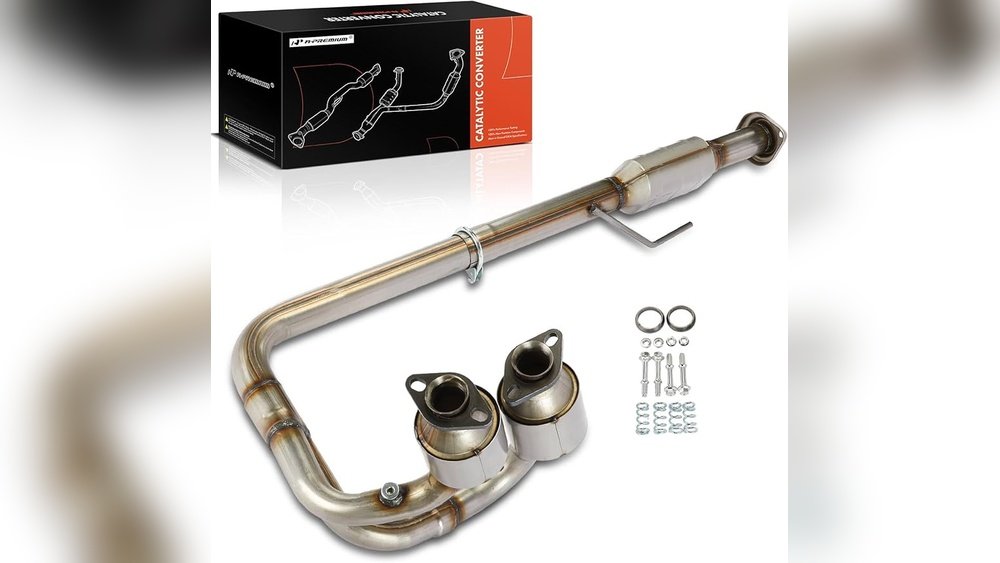
The catalytic converter is often called the “cat” or “cat-con.” It’s located in the exhaust system between the engine and the muffler. Its main purpose is to convert harmful gases like carbon monoxide and nitrogen oxides into less harmful substances before they exit your tailpipe.
Most Jeep Wranglers use a three-way catalytic converter. This type works best when your engine is running at the right temperature and air-fuel mix. Older Wranglers (like YJ and TJ) have a simpler exhaust setup. Newer Wranglers (JK, JL) often have more complex designs, sometimes with multiple converters or integrated oxygen sensors.
When Should You Replace The Catalytic Converter?
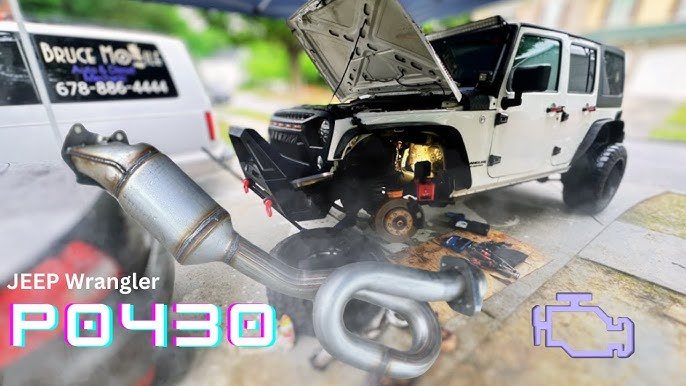
- Check engine light comes on with codes like P0420 or P0430.
- You hear rattling noises under your Jeep (from a broken honeycomb inside the converter).
- Strong rotten egg smell from the exhaust.
- Poor engine performance or trouble passing emissions tests.
Replacing the converter is not routine maintenance. You only need to do it when it fails or if it gets physically damaged.
Tools And Parts You’ll Need
Getting ready is key to a smooth replacement. Here’s what you should gather before you start:
Basic Tools:
- Socket set (metric and SAE sizes)
- Ratchet and extensions
- Wrenches (open and box)
- Breaker bar (for stubborn bolts)
- Penetrating oil (like PB Blaster)
- Safety glasses and gloves
Specialty Tools:
- Oxygen sensor socket (if you need to remove O2 sensors)
- Jack and sturdy jack stands or ramps
Parts and Supplies:
- Replacement catalytic converter (OEM or aftermarket, check local emissions laws)
- New exhaust gaskets
- New hardware (bolts, nuts, clamps if needed)
- Anti-seize compound
Optional but Helpful:
- Exhaust pipe cutter or saw (if your converter is welded, not bolted)
- Torque wrench
Choosing The Right Catalytic Converter
Not all converters fit all Wranglers. Here’s a quick comparison to help you pick the right one:
| Model Year | Engine Type | Converter Type | O2 Sensor Ports |
|---|---|---|---|
| 1997–2006 (TJ) | 4.0L Inline-6 | Single, direct-fit | 1-2 |
| 2007–2018 (JK) | 3.6L V6 / 3.8L V6 | Two, Y-pipe | 4 |
| 2018+ (JL) | 2.0L Turbo / 3.6L V6 | Dual, integrated | 4+ |
Pro tip: Always match your new converter to your Jeep’s year, engine, and emissions requirements. Some states (like California) have strict rules—make sure your part is legal for your area.

Step-by-step Guide: Replacing The Catalytic Converter
Before you start, make sure your Wrangler is parked on level ground, the engine is cool, and you have all your tools and parts ready.
1. Lift And Secure Your Jeep
Use a jack to raise the front of your Wrangler and set it securely on jack stands or ramps. Never work under a car that’s supported only by a jack. Double-check stability before you crawl underneath.
2. Locate The Catalytic Converter
Follow your exhaust pipe from the engine toward the muffler. The converter will look like a metal canister, usually with heat shields.
Take note of how it’s attached bolts, flanges, or clamps.
3. Remove Oxygen Sensors
Many converters have oxygen sensors screwed in before and after the unit. Unplug the sensor wiring first, then use an oxygen sensor socket to unscrew them. Place them safely aside—they’re fragile and expensive to replace.
4. Loosen And Remove Fasteners
Spray all bolts and nuts with penetrating oil and let it soak for 10 15 minutes. Jeep exhaust bolts can rust and seize, especially in older models or salty climates.
- Use a breaker bar for stubborn bolts. If they snap, don’t panic—you may need to drill them out or replace them.
- If your converter is welded on (common in some aftermarket setups), you’ll need an exhaust pipe cutter or reciprocating saw to remove it. Always cut carefully, avoiding damage to surrounding pipes.
5. Remove The Old Converter
Once all fasteners or welds are disconnected, slide the old converter out. Be careful it may be heavy or contain loose pieces inside.
Lay it aside for recycling (many shops will buy old converters for their precious metals).
6. Prepare The New Converter
Check your new converter matches the old one in length, diameter, and sensor ports. Install new gaskets on all flanges.
If your converter uses slip-fit connections, apply a little anti-seize compound to help with future removal.
7. Install The New Converter
Fit the new converter in place, aligning all bolt holes or pipe ends. Start all bolts or clamps by hand before tightening.
For flange bolts, tighten in a crisscross pattern to ensure a good seal.
Torque tip: Use a torque wrench if possible to avoid over-tightening, which can warp flanges.
8. Reinstall Oxygen Sensors
Carefully thread the O2 sensors back into their ports. Use a small amount of anti-seize on the threads (but not on the sensor tip). Plug the wiring back in securely.
9. Lower Your Jeep And Check For Leaks
Remove jack stands, lower your Jeep, and start the engine. Listen and feel for any leaks around the new converter hissing, popping, or rattling means something needs adjustment. If all sounds good, you’re done.
10. Test Drive And Reset Codes
Drive your Jeep for 10 15 minutes. The check engine light should clear on its own after a few cycles.
If not, use an OBD-II scanner to reset the codes. If the light comes back, double-check all work or consult a mechanic.
Common Mistakes And How To Avoid Them
Even experienced DIYers can run into trouble. Here’s how to avoid the most common problems:
- Wrong part selection: Always double-check fitment for your Jeep’s year and engine.
- Damaging oxygen sensors: They’re delicate—never force them or let them dangle.
- Skipping new gaskets: Old gaskets can cause leaks and check engine lights.
- Over-tightening bolts: Can crack flanges or strip threads.
- Ignoring state emissions laws: Some aftermarket converters are not legal in all states.
- Not securing the Jeep properly: Safety is always first.
Cost Comparison: Diy Vs Professional Replacement
Wondering if it’s worth doing this job yourself? Here’s a simple breakdown:
| Replacement Method | Typical Cost (Parts + Labor) | Time Needed | Warranty |
|---|---|---|---|
| DIY | $200–$600 (parts only) | 2–4 hours | Parts only |
| Repair Shop | $600–$1,500 | 1–2 hours | Parts + labor |
| Jeep Dealership | $1,200–$2,500 | 1–2 hours | OEM warranty |
Doing it yourself can save a lot of money, but you must be comfortable working under your vehicle and following safety steps.
Practical Tips For A Smooth Replacement
- Soak all exhaust bolts with penetrating oil the night before.
- Label O2 sensor connectors if you have more than one. Mixing them up can cause engine codes.
- Keep old parts until you’re sure the repair is successful—some shops may ask for them for warranty.
- Recycle your old converter—they’re worth money for the precious metals inside.
- Double-check local laws before buying an aftermarket converter.
What To Do After Replacement
After you’ve finished, keep an eye (and ear) on your Jeep for the next few drives:
- Watch for the check engine light.
- Listen for any exhaust leaks or rattles.
- Monitor gas mileage and performance.
If you notice anything strange, recheck all connections and sensor plugs. Sometimes a small exhaust leak or loose sensor can trigger more codes.
When To Call A Professional
Most Jeep owners with basic tools can replace a bolt-on catalytic converter. However, consider a pro if:
- Your converter is welded and you’re not comfortable cutting/welding.
- You break off multiple bolts and can’t remove them.
- The check engine light stays on after replacement.
- You’re not sure about your state’s emissions laws.
A good shop can also help with diagnostics if the problem isn’t the converter but another part of your emissions system.
Frequently Asked Questions
How Long Does It Take To Replace A Catalytic Converter On A Jeep Wrangler?
For most DIYers, expect 2 to 4 hours. If all bolts come loose easily and the converter is a direct-fit, it can be faster.
Rusted or welded parts make the job longer.
Can I Drive My Jeep Without A Catalytic Converter?
Technically, your Jeep will run, but it will be much louder, pollute more, and likely fail an emissions test. In most states, it’s illegal to drive without a converter.
Will Replacing The Catalytic Converter Improve Performance?
If your old converter was clogged, a new one can restore lost power and fuel economy. However, don’t expect a big horsepower gain converters are designed not to restrict flow when working properly.
How Do I Know If My Catalytic Converter Is Bad Or Just The O2 Sensor?
A bad O2 sensor often triggers a code but doesn’t cause rattling noises or strong smells. If you have codes like P0420 and hear rattling, it’s likely the converter.
Testing sensors first with a scanner can help you be sure.
Where Can I Find More Information About Emissions Laws In My Area?
You can check your state’s regulations on the US EPA website for up-to-date information on emissions requirements.
Replacing the catalytic converter on your Jeep Wrangler is a practical project for many DIYers. With the right tools, preparation, and attention to detail, you can save money and keep your Jeep running cleanly for years to come.


















