If your brake lights are not working on your Jeep Grand Cherokee, you might think it’s a burned-out bulb. But sometimes the real problem is a small part hidden above your brake pedal: the brake light switch. This switch tells your brake lights when to turn on and off. If it fails, not only can it make your brake lights stop working, but it can also affect your cruise control or even keep your transmission from shifting out of park.
Many Jeep Grand Cherokee owners face this issue, especially as their vehicles age. The good news is that replacing the brake light switch is a simple job for most DIYers.
You don’t need advanced tools or special skills, just some patience and care.
This guide explains everything you need to know from how the switch works, to step-by-step replacement, to common mistakes and extra tips. Let’s get your Jeep’s brake lights shining and keep you safe on the road.
What Is The Brake Light Switch And Why Does It Matter?
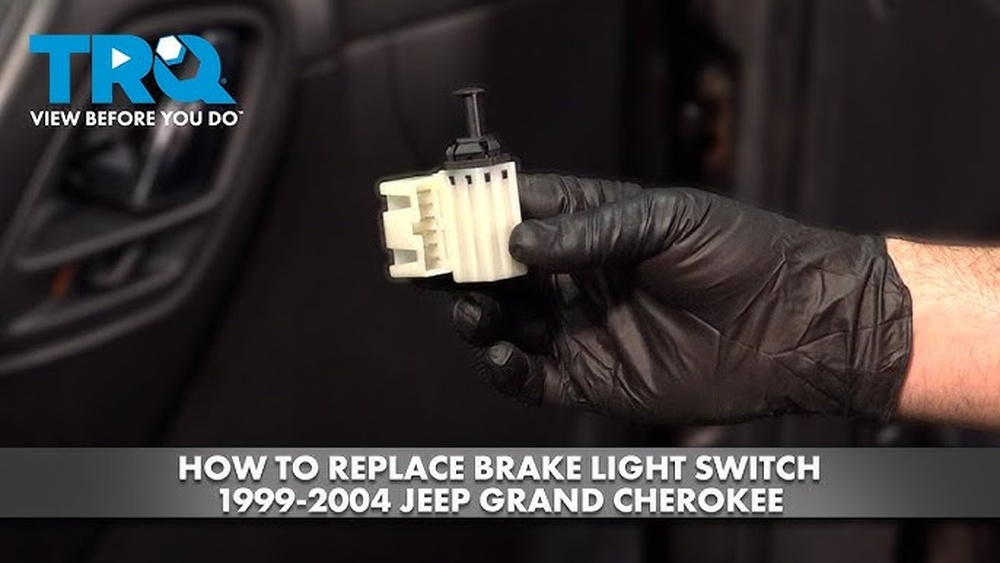
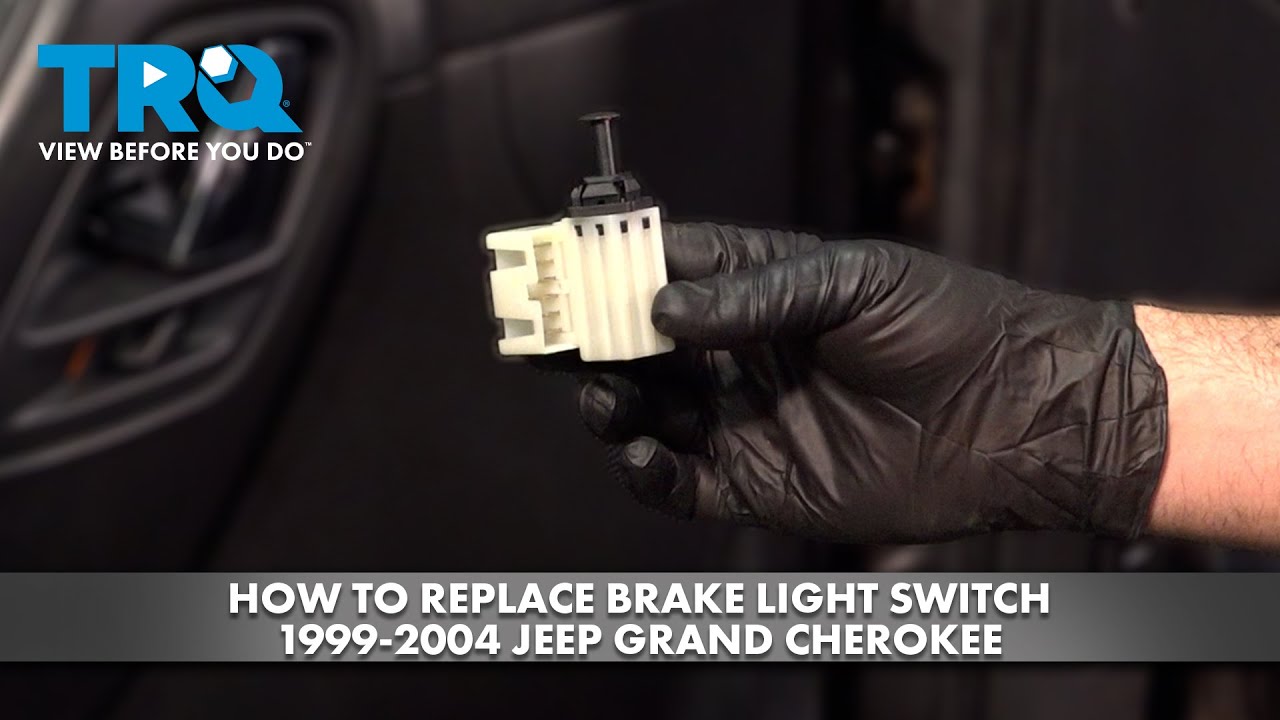
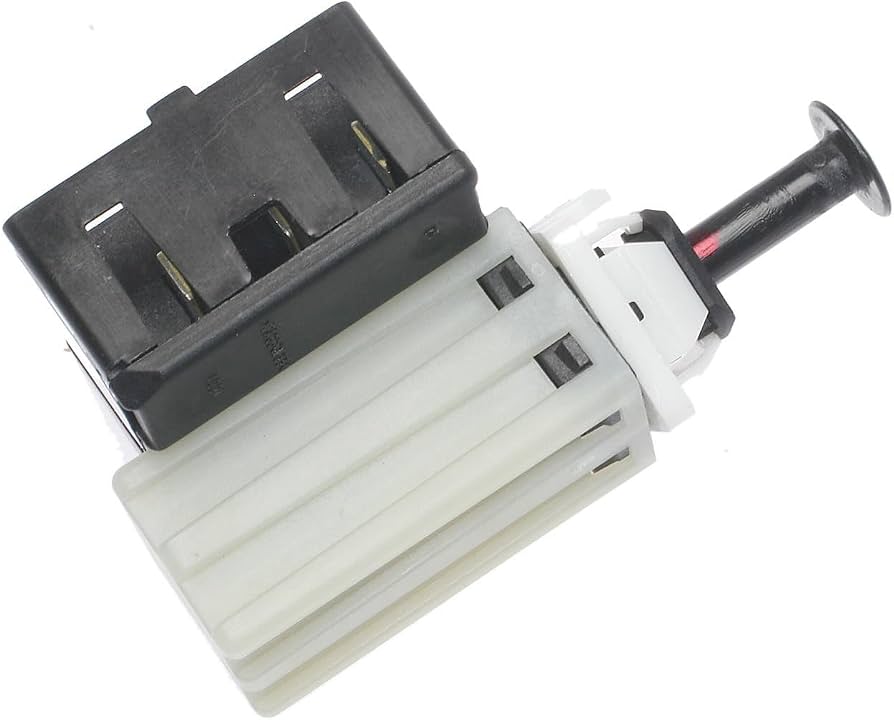
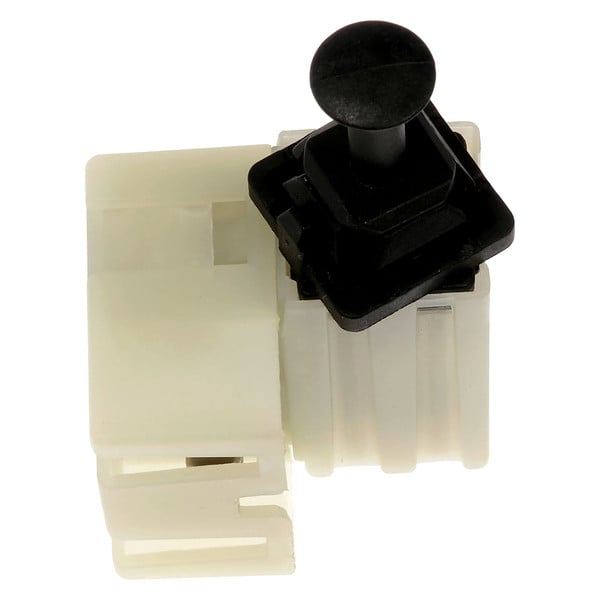
The brake light switch is a small electrical part located just above the brake pedal. When you press the pedal, the switch closes the circuit and sends power to your rear brake lights. This lets drivers behind you know when you’re slowing down or stopping.
But the switch does more than just control the lights:
- It can send signals to the cruise control system to turn off when you brake.
- In newer models, it often connects to the shift interlock, which keeps you from shifting out of Park without pressing the brake.
- On some Jeeps, it may also alert the car’s computer to a problem, turning on a warning light.
If your switch fails, you might notice:
- Brake lights don’t turn on when you press the pedal
- Cruise control stops working
- Can’t shift out of Park
- ABS or traction control lights come on
Most drivers only notice when someone tells them their brake lights are out. That’s why checking and replacing this switch is so important.
How To Diagnose A Faulty Brake Light Switch
Before you replace the switch, be sure it’s really the problem. Here are the most common signs of a failing brake light switch:
- Brake lights not working (all bulbs are good, fuses are OK)
- Brake lights stay on (even when pedal is not pressed)
- Cruise control doesn’t work or cancels unexpectedly
- Can’t shift out of Park
- ABS or traction control warning lights
Quick Diagnostic Steps
- Check the bulbs and fuses first. A blown fuse or bad bulb is more common than a failed switch.
- Test the switch: With the car off, press the brake pedal and listen for a clicking sound from the switch.
- Use a multimeter: If you have one, unplug the switch and check for continuity when you press and release the pedal.
Non-obvious insight: Some Jeep owners mistake a stuck switch for a wiring problem. If your brake lights stay on, the switch may be stuck in the closed position.
Tools And Parts Needed For Replacement
You don’t need expensive tools to replace the brake light switch on a Jeep Grand Cherokee. Here’s what you’ll need:
- New brake light switch (make sure it matches your Jeep’s year and model)
- Phillips and flathead screwdriver
- Socket set (usually 7mm or 10mm sockets)
- Needle-nose pliers (sometimes helpful)
- Flashlight (helps you see under the dash)
Tip: Always check the part number for your specific year. Jeep Grand Cherokee switches vary across generations (1999–2004, 2005–2010, 2011–2021).
How To Replace The Brake Light Switch: Step-by-step
Replacing the brake light switch is a task most owners can do in under an hour. Here’s how:
- Disconnect the battery. This prevents accidental short circuits or warning lights.
- Locate the switch. Slide your seat back, kneel by the driver’s door, and look up above the brake pedal arm. The switch is usually attached to a small bracket.
- Unplug the wiring connector. Squeeze the tab and pull the connector straight out.
- Remove the old switch. Most switches twist out (turn counterclockwise), but some are held by a small bolt. Check your model.
- Install the new switch. Insert it into the bracket and turn (or bolt) it in until secure. Make sure the plunger touches the brake pedal arm.
- Reconnect the wiring harness.
- Reconnect the battery.
- Test the brake lights. Press the pedal and check the rear lights. Also check that the shifter and cruise control work.
Example: 2014 Jeep Grand Cherokee
On the 2014 model, the switch is a twist-in type. After removing the lower dash panel with a screwdriver (two screws), you can see the switch.
It twists out and the new one twists in. No special tools are needed.
Comparing Brake Light Switch Types By Jeep Grand Cherokee Generation
Not all Jeep Grand Cherokees use the same switch. Here’s a comparison:
| Model Year Range | Switch Type | Installation Method | Special Features |
|---|---|---|---|
| 1999–2004 (WJ) | Plunger style | Twist or bolt-in | Basic electrical, no computer link |
| 2005–2010 (WK) | Plunger with extra pins | Twist-in | Connects to ABS & cruise |
| 2011–2021 (WK2) | Electronic sensor | Twist-in, more pins | Computer-controlled features |
Non-obvious insight: The newer your Jeep, the more important it is to get the exact switch type. Using the wrong one can cause error codes or even transmission problems.
Common Mistakes When Replacing The Brake Light Switch
Even simple jobs can go wrong. Here are mistakes to avoid:
- Forgetting to disconnect the battery. This can trigger warning lights or even short a fuse.
- Installing the switch backwards. The plunger must contact the brake pedal arm.
- Damaging the wiring harness. Be gentle when unplugging the connector.
- Not testing all features. Make sure cruise control and shifter work, not just the lights.
- Using the wrong switch. Double-check the part number for your exact model year.
Comparison: Professional Vs Diy Replacement
Some owners consider paying a mechanic for this repair. Here’s a quick cost and time comparison:
| Option | Average Cost | Time Required | Pros | Cons |
|---|---|---|---|---|
| DIY | $15–$50 (part only) | 30–60 minutes | Save money, learn skill | Must work in tight space |
| Professional | $80–$150 (parts + labor) | 1–2 hours (shop time) | No hassle, warranty | More expensive |
Tip: If your Jeep is still under warranty, have the dealer do it. Otherwise, most owners can handle this repair at home.
Practical Tips For A Smooth Replacement
- Have a helper check the brake lights while you press the pedal, or use a broomstick to hold the pedal down.
- Take a photo of the old switch and connector before removing. It helps with reinstallation.
- If your switch has a threaded adjustment, make sure the brake lights turn off when the pedal is released.
- Work in daylight or use a headlamp—the area above the pedal is dark.
- If you install the switch and the lights still don’t work, check the fuses and bulbs again.
What To Do If Problems Remain After Replacement
Sometimes, replacing the switch does not solve the problem. Here’s what to try:
- Check all fuses related to brake lights and ABS.
- Inspect bulbs and sockets for corrosion or damage.
- Look for loose wires at the switch or tail lights.
- If warning lights stay on, disconnect the battery for five minutes to reset the computer.
- For complex issues, consider scanning for error codes with an OBD2 scanner.
If you’re still stuck, see your owner’s manual or visit a trusted mechanic. Jeep Grand Cherokees are popular vehicles, so most shops know them well.
How Brake Light Switches Affect Safety And Legal Compliance
Driving without working brake lights is dangerous and illegal. Police often stop drivers for this, and you could get a ticket.
More importantly, other drivers may not see you stopping, which can cause rear-end collisions.
Fact: The National Highway Traffic Safety Administration (NHTSA) reports that rear-end collisions are the most common type of car accident in the US, often caused by poor signaling or non-working brake lights.
Pro tip: After replacing the switch, check your brake lights every few months. This quick check can prevent accidents and fines.
Where To Get Quality Replacement Parts
You can buy brake light switches at:
- Auto parts stores (AutoZone, Advance Auto Parts, NAPA)
- Online retailers (RockAuto, Amazon, Mopar official store)
- Jeep dealerships (for genuine OEM parts)
Always compare part numbers and reviews. Cheaper switches sometimes fail early or do not fit properly.
Look for brands like Dorman, Standard Motor Products, or Mopar.
For more on car electrical systems, see this guide from the National Highway Traffic Safety Administration.
What Does The Brake Light Switch Do In A Jeep Grand Cherokee?
The brake light switch tells your brake lights when to turn on. It also signals other systems, like cruise control and the shift interlock, that you are pressing the brake pedal. If it fails, your lights may not work, and you might have other problems.
How Long Does It Take To Replace A Brake Light Switch?
Most people can replace the switch in 30 to 60 minutes. It may take longer the first time, especially if you need to remove panels or work in a tight space.
Do I Need To Adjust The New Brake Light Switch After Installation?
Some switches are self-adjusting, but older models may require you to set the plunger position. Make sure the brake lights turn off when the pedal is released and turn on as soon as you press the pedal.
What If My Brake Lights Still Don’t Work After Replacing The Switch?
If replacing the switch does not help, check the bulbs, fuses, and wiring. Also, make sure the switch is installed correctly and the connector is secure. If everything seems fine but the problem remains, have a mechanic scan for error codes.
Can I Drive My Jeep Grand Cherokee If The Brake Light Switch Is Bad?
It’s not safe or legal to drive without working brake lights. You could get a ticket and increase your risk of a crash.
Replace the switch before driving, or use another car until it’s fixed.
Taking care of your brake light switch is a small job with a big impact on your safety. With the right part and a little patience, you can handle this repair yourself and keep your Jeep Grand Cherokee running safely for years to come.