Removing windshield wipers from a Jeep Wrangler can seem tricky, but it’s actually a simple job if you follow the right steps.
Whether you need to change your wiper blades, replace the entire arm, or fix a stuck mechanism, knowing how to do it yourself saves both time and money.
This guide will walk you through the process, highlight useful tips, and answer common questions so you can confidently handle your Jeep’s wipers.
Why Remove Windshield Wipers?
Windshield wipers are exposed to harsh weather, dust, and debris. Over time, their performance drops. Replacing them improves visibility, keeps you safer, and prevents damage to the glass. Sometimes, the wiper arm itself bends or the mechanism jams, so removal becomes necessary for repairs.
Jeep Wranglers, especially older models, face unique challenges due to their rugged design. The removal process for most Wranglers is similar, but always check your year and model before you start.
Tools And Preparation
Before you begin, gather these tools:
- Flathead screwdriver
- Socket wrench (usually 13mm or 15mm)
- Needle-nose pliers
- Protective gloves
Make sure the wipers are switched off and the key is out of the ignition. This prevents accidental movement.
Quick Comparison: Common Jeep Wrangler Models
Here’s how removal steps slightly differ across popular Wrangler generations:
| Model Year | Wiper Arm Type | Main Nut Size | Extra Steps |
|---|---|---|---|
| 1997–2006 (TJ) | Standard | 13mm | None |
| 2007–2018 (JK) | Heavy Duty | 15mm | Plastic cover removal |
| 2018–Present (JL) | Low Profile | 13mm | Locking tab disengage |
Most Jeep Wrangler wipers use a simple bolt and locking tab system. The main difference is the size of the nut and whether you need to remove a cover.
Step-by-step Removal Process
Follow these steps to remove windshield wipers from your Jeep Wrangler:
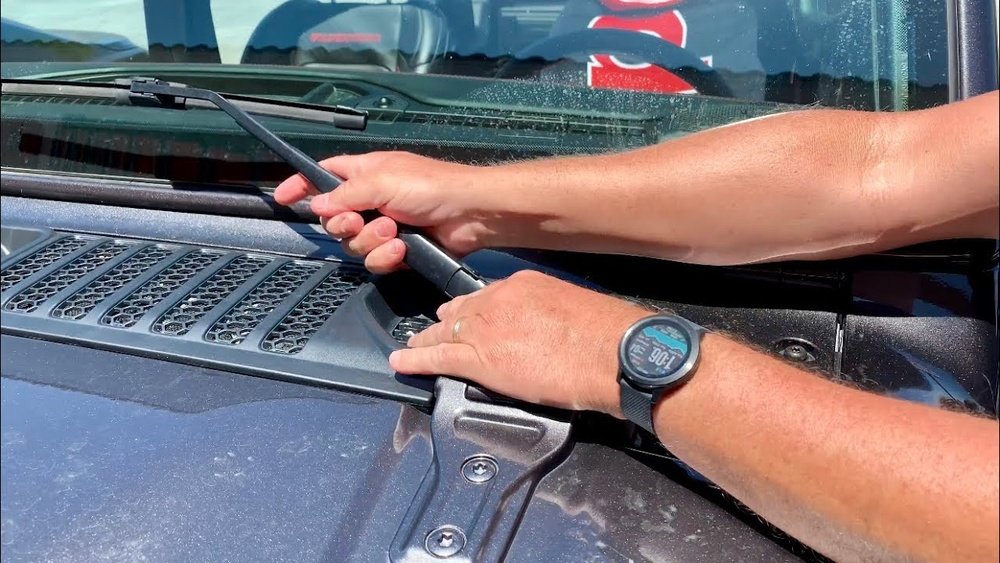
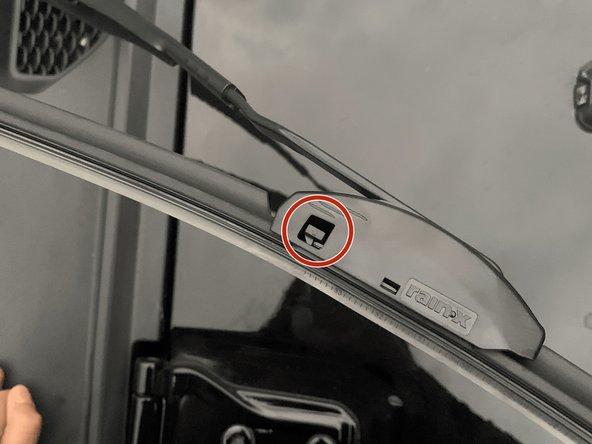
- Lift the wiper arm: Gently pull the wiper arm away from the windshield. Some models have a locking tab that keeps the arm up; others require you to hold it manually.
- Remove the cover: If there’s a plastic cap at the base, pop it off with a flathead screwdriver. This exposes the main nut.
- Unscrew the nut: Use a socket wrench to loosen and remove the nut. Keep it safe for reinstallation.
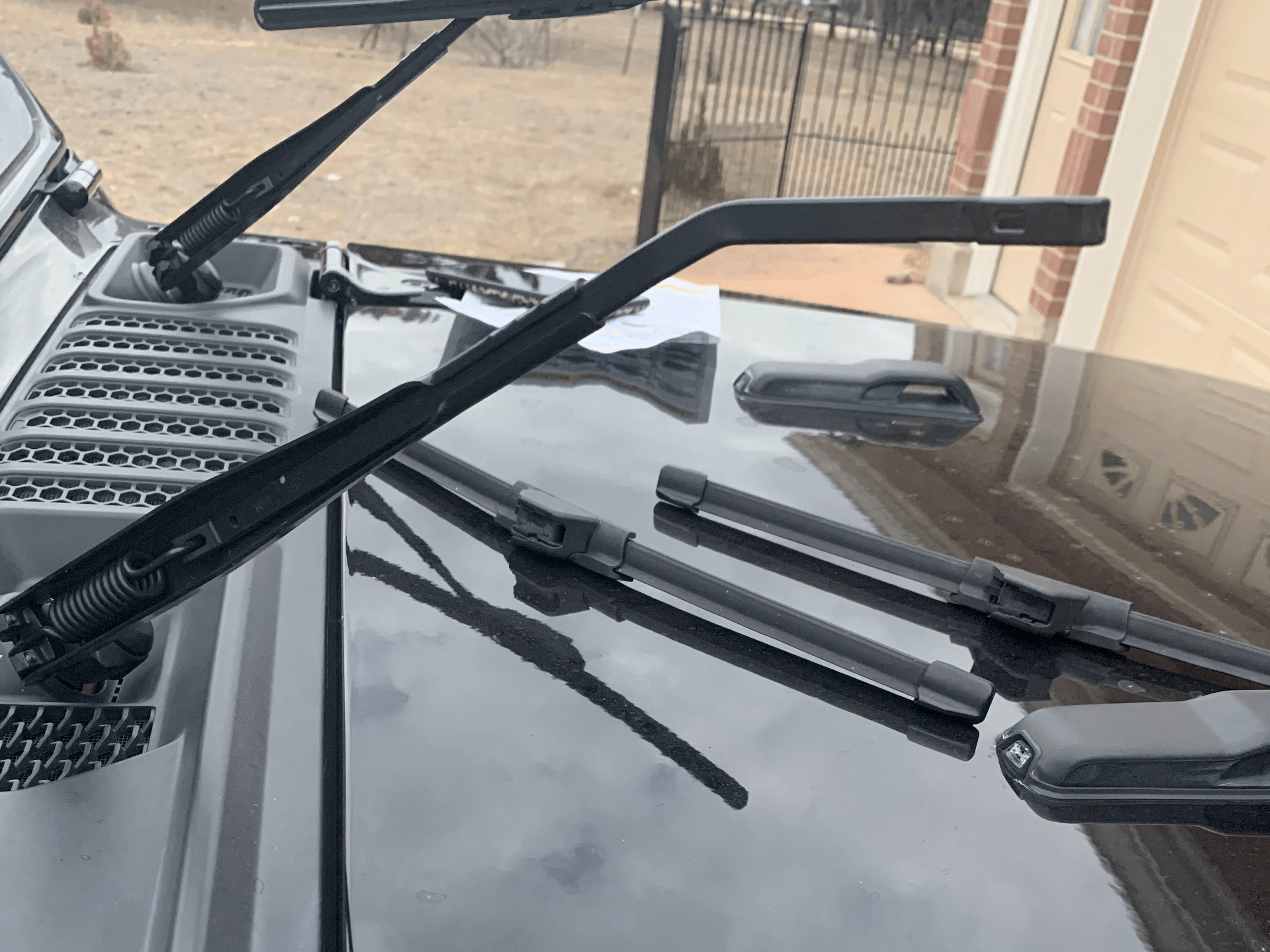
- Release the wiper arm: Wiggle the arm gently. If it’s stuck, tap around the base with pliers or your hand. Avoid using too much force, as you can damage the mount.
- Detach the arm: Once loose, pull the arm off the spindle. If you’re just changing the blade, stop here and replace the blade instead.
- Inspect the mount: Check for rust or damage. Clean the spindle with a cloth if needed.
Data Table: Typical Removal Times
Here’s how long the removal process usually takes for different Jeep Wrangler models:
| Model | Estimated Removal Time | Difficulty (1–5) |
|---|---|---|
| TJ | 10 minutes | 2 |
| JK | 12 minutes | 3 |
| JL | 8 minutes | 1 |
Most beginners finish the job in 10 15 minutes. It’s easier than expected, especially with the right tools.
Common Problems And Tips
Sometimes, wiper arms get stuck due to rust or debris. Spray a little penetrating oil (like WD-40) around the base and wait a few minutes. If the arm still won’t budge, use gentle upward pressure with pliers.
Non-obvious tip: Do not pry directly against the windshield glass. Many beginners accidentally crack the glass this way. Use a folded cloth between the tool and the glass for protection.
Another overlooked detail: After removal, check the wiper motor spindle for wear. If the spindle is stripped or loose, the new arm won’t work well. Replace the spindle if needed, or tighten it with a washer.
Reinstalling And Testing
When reinstalling, align the wiper arm so it sits just above the lower edge of the windshield. Tighten the nut firmly but avoid overtightening it can strip the threads or crack the plastic mount.
Test the wipers before finishing. Turn on the ignition and run the wipers once.
If the sweep is uneven or noisy, reposition the arm and retighten.
Example: Why Proper Alignment Matters
Many Jeep owners notice the wipers miss the corners of the windshield after reinstalling. This happens because the arm was not placed on the spindle correctly.
Always check the resting position and adjust as needed.
When To Replace The Entire Wiper Arm
If the wiper blade is worn, just swap the blade. But if the arm is bent, corroded, or won’t hold the blade securely, replace the whole arm. Genuine Jeep parts last longer and fit better.
Comparison Table: Blade Vs Arm Replacement
| Replacement | Cost Range | Frequency | Skill Needed |
|---|---|---|---|
| Blade Only | $10–$25 | 1–2 years | Beginner |
| Arm + Blade | $30–$70 | 4–6 years | Intermediate |
Don’t confuse blade replacement with arm removal. The steps above are for the arm, not just the rubber blade.
Safety Precautions
Always wear protective gloves to avoid cuts. Don’t rush the process—especially if parts are rusted or stuck. If you’re unsure, ask a friend for help or check your Jeep’s manual. You can also find official repair guides from Jeep at Jeep Official Site.
Frequently Asked Questions
How Often Should I Replace Windshield Wipers On A Jeep Wrangler?
Replace the wiper blades every 12–18 months. Replace the arm if it’s bent, rusty, or not holding the blade properly.
Can I Remove The Wiper Arm Without Special Tools?
Most Jeep Wrangler models require a socket wrench and screwdriver. You don’t need expensive tools, but the right size is important.
What If My Wiper Arm Is Stuck?
Spray penetrating oil and wait a few minutes. If still stuck, use gentle upward pressure with pliers. Avoid excessive force.
How Do I Know If The Wiper Motor Needs Replacement?
If the wipers stop moving or move slowly even after replacing the arm, the motor may be failing. Test with new arms before replacing the motor.
Is It Safe To Drive Without Windshield Wipers?
It’s unsafe and illegal in most places. Always reinstall wipers before driving, especially in rainy or snowy conditions.
Removing windshield wipers from your Jeep Wrangler is a straightforward task with the right approach. Take your time, use proper tools, and check for hidden issues like rust or alignment.
With these steps, your Jeep stays ready for all weather, and you save on repair costs.