If you ever find yourself stuck with a wheel lock on your Jeep and can’t find the special key, you’re not alone. Many Jeep owners face this problem, especially after buying a used vehicle or misplacing the original key.
Wheel locks are great for theft protection, but they become a headache when you need to change a tire or rotate your wheels without the key. The good news is, with the right steps, you can remove a wheel lock safely—even without professional tools.
This guide will walk you through everything you need to know, using clear language and practical advice so you can get back on the road.
What Is A Wheel Lock And Why Do Jeeps Use Them?
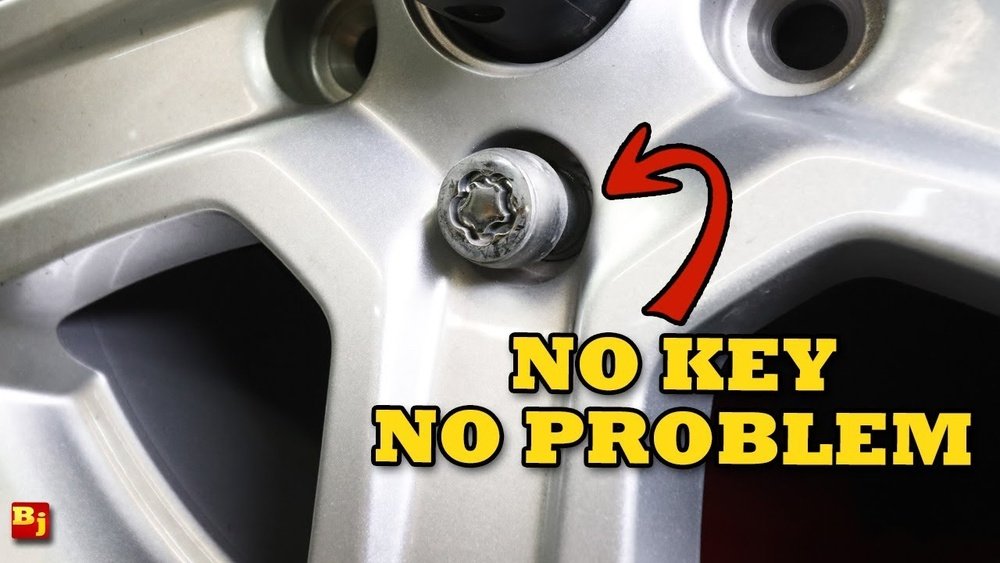
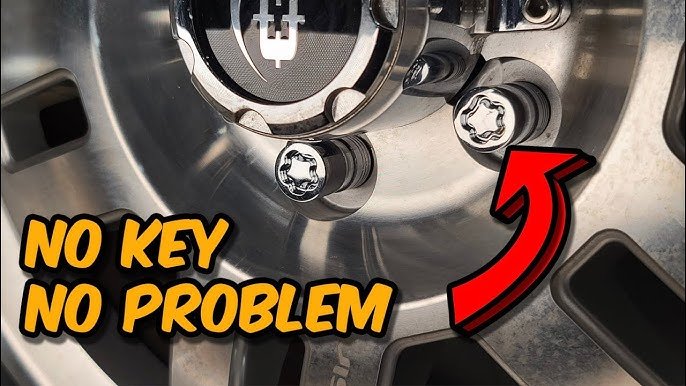
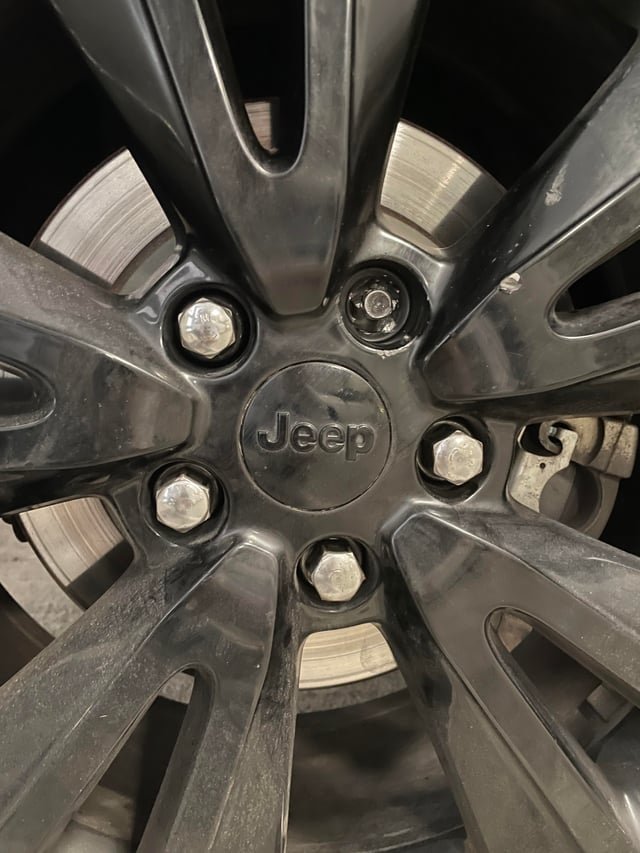
A wheel lock is a special lug nut designed to prevent thieves from stealing your wheels. Instead of a standard hex shape, it has a unique pattern. You need a matching wheel lock key (a socket with a matching pattern) to loosen or tighten it. Jeep vehicles often use wheel locks because their wheels and tires are valuable, especially on models like the Jeep Wrangler or Grand Cherokee.
A standard Jeep set-up has:
- Four or five lug nuts per wheel
- Usually, one wheel lock per wheel
- The wheel lock key is often kept in the glove box or with the spare tire tools
Most Jeep owners add wheel locks for extra security if they have custom wheels or live in areas with high theft risk.
Tools You Need To Remove A Wheel Lock
Before you start, gather the right tools. Some you may already have, while others are easy to find at any auto parts store. Here’s what you’ll need for different methods:
| Tool | Purpose | Notes |
|---|---|---|
| Wheel lock key | Proper removal | Best and safest option |
| Breaker bar or lug wrench | Torque for loosening | Essential for leverage |
| Socket set | Alternative removal | Use if key is lost |
| Hammer | Fitting socket onto lock | Useful for force fit |
| Wheel lock removal tool | Specialized extraction | Safer than sockets |
| Penetrating oil (like WD-40) | Lubrication | Reduces risk of damage |
Non-obvious tip: If you use a regular socket, choose one slightly smaller than the wheel lock. High-quality impact sockets work better and are less likely to break.
Step-by-step: How To Remove A Wheel Lock With The Key
If you have the wheel lock key, follow these steps for a safe removal:
- Park safely. Make sure your Jeep is on a flat surface and use the parking brake.
- Locate the key. It may be in the glove compartment, center console, or with your spare tire tools.
- Fit the key onto the lock. Align the patterns exactly.
- Attach your breaker bar or lug wrench. Place it over the wheel lock key.
- Turn counterclockwise. Apply steady, even pressure. Do not jerk, as this can damage the key.
- Remove the lock. Once loose, spin it off by hand.
Practical advice: Never use power tools with the wheel lock key, as they can strip the pattern and make future removal much harder.
Removing A Wheel Lock Without The Key
Lost your wheel lock key? Don’t panic. There are a few ways to remove the lock, but be aware that some may damage the wheel or lock. Here’s a comparison of common methods:
| Method | Effectiveness | Risk of Damage | Skill Needed |
|---|---|---|---|
| Universal wheel lock removal tool | High | Low to moderate | Medium |
| Hammer and socket method | Medium | Moderate to high | Medium |
| Calling a professional | Very high | Very low | None |
Using A Universal Wheel Lock Removal Tool
These kits have sockets with spiral grooves that grip the lock as you turn. Here’s how:
- Spray penetrating oil around the wheel lock.
- Select the right size removal socket from your kit.
- Hammer the socket over the wheel lock until it fits snugly.
- Attach a breaker bar and turn counterclockwise.
- Remove the lock. The spiral grooves bite into the lock, turning it loose.
Hammer And Socket Method
If you don’t have a removal tool, you can use a standard 12-point socket slightly smaller than the lock:
- Lubricate the wheel lock with penetrating oil.
- Hammer the socket onto the wheel lock until it’s tight.
- Turn the socket with a breaker bar. It may take force to start it moving.
- Remove the lock once it loosens.
Warning: This method often ruins both the socket and the lock, and can scratch your wheel. Use only as a last resort.
When To Call A Professional
Some wheel locks are extra tough or badly rusted. If your attempts fail, or you worry about damaging your wheels, call a local tire shop or mechanic.
They have special tools and can usually remove the lock in minutes without harming your Jeep.
Non-obvious insight: Many Jeep dealers keep master wheel lock keys for OEM locks. Bring your Jeep’s VIN and proof of ownership—they may be able to order a replacement key.
What To Do After Removing The Wheel Lock
Once the wheel lock is off, you need to decide what’s next:
- Replace with a standard lug nut: This allows easy future removal, but reduces theft protection.
- Install a new set of wheel locks: Consider buying a new set with a fresh key. Keep the new key in a safe place.
- Check all wheels: If one lock was removed, make sure there are no others left with missing or damaged keys.
Before buying a new set, compare key features:
| Feature | Standard Lug Nut | Wheel Lock |
|---|---|---|
| Security | Low | High |
| Ease of Removal | Very easy | Needs special key |
| Cost | Low | Moderate |
| Risk of Lost Key | None | Yes |
Expert tip: If you’re buying new wheel locks, choose a set with a serial number. Register this number online with the manufacturer—some brands like McGard let you order a replacement key if you lose yours.
Preventing Future Wheel Lock Problems
It’s easy to forget about wheel locks until you need them. Simple habits can save you a lot of stress:
- Always know where your key is. Keep it in the glove box, not at home.
- Label the key. Use a bright sticker or paint so it’s easy to spot.
- Make a note on your phone of the wheel lock brand and serial number.
- Check the key works every few months—patterns wear out over time.
Little-known fact: Some Jeep models have a small compartment under the rear cargo floor designed for tools and wheel lock keys.
Common Mistakes To Avoid
Removing a wheel lock without causing damage requires care and patience. Here are mistakes many Jeep owners make:
- Using power tools with the key. This can strip the lock pattern.
- Forcing a mismatched socket. You might round off the lock, making it much harder for professionals to help.
- Ignoring rust. If the wheel lock is corroded, let penetrating oil soak in for 10–15 minutes before trying to loosen it.
- Losing the key after removal. Store it in your Jeep, not at home, so you always have it during emergencies.
When A Wheel Lock Won’t Budge
Sometimes, even after using oil and the right tools, the lock is stuck. Here’s what to do:
- Tap gently around the lock with a rubber mallet to help break rust.
- Try both tightening and loosening—sometimes a slight turn in the opposite direction helps break it free.
- Heat the lock nut with a hair dryer (not a torch, which can damage the wheel finish), then try again. Heat can expand the metal slightly, breaking the bond.
If all else fails, don’t keep forcing it seek professional help. Damaging your wheel or stud can lead to expensive repairs.
Cost Of Removing A Wheel Lock
You may wonder if it’s worth doing it yourself or paying a mechanic. Here’s a quick breakdown of typical costs:
- Universal removal tool kit: $20–$40, reusable for future lock issues
- Professional removal at tire shop: $25–$75 per wheel lock
- New set of wheel locks: $30–$60 (includes 4 locks and a key)
- Replacement lug nut: $3–$7 per nut
If you’re not confident, the small fee to have a pro do it is often worth it especially for expensive wheels.
Real-world Example
Maria bought a used Jeep Cherokee but didn’t get the wheel lock key. When she got a flat tire, she was stuck.
She tried a standard socket but couldn’t get it to grip. Finally, she bought a universal removal tool from an auto parts store and used a breaker bar for extra leverage.
After spraying oil and tapping the socket firmly, the lock came off in minutes. She replaced all locks with regular lug nuts and kept the new key in her glove box for the future.
Frequently Asked Questions
How Do I Find My Jeep’s Wheel Lock Key?
The wheel lock key is often stored in the glove box, center console, or with the tire jack tools in the trunk. If it’s missing, check with the previous owner, dealer, or look for a serial number on the wheel lock for ordering a replacement.
Can I Drive With A Missing Wheel Lock Key?
You can drive, but you won’t be able to change a tire if you get a flat. It’s best to get the lock removed or the key replaced as soon as possible to avoid being stranded.
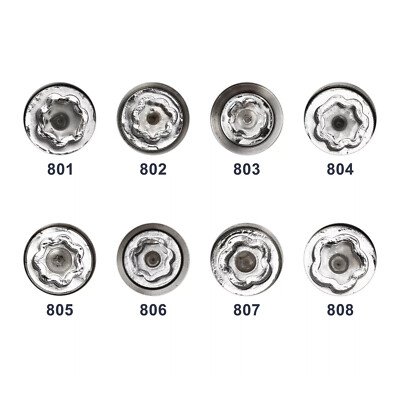
Are All Jeep Wheel Locks The Same?
No, wheel locks come in many patterns and brands. Even within Jeep models, the lock pattern can vary. Always buy a new set designed for your Jeep’s year and model, and keep the key safe.
How Much Does A Tire Shop Charge To Remove A Wheel Lock?
Most tire shops charge $25–$75 per wheel lock, depending on how difficult it is to remove. This often includes professional tools that minimize damage to your wheel.
Where Can I Learn More About Wheel Locks And Vehicle Security?
For more detailed information on wheel locks, their types, and vehicle security, visit the Wikipedia page on wheel locks.
Removing a wheel lock from your Jeep can seem frustrating, but with patience and the right tools, it’s a problem you can solve. Take your time, don’t rush, and always put safety first.
With these steps, you’ll be ready for any roadside emergency and you’ll never be stuck by a missing wheel lock key again.