Removing the wheel hub from a 2007 Jeep Liberty can seem like a big job, but with the right tools, some patience, and the correct method, it’s manageable for a dedicated DIYer. This task is often needed if you want to replace a noisy bearing or inspect worn suspension parts. Doing it yourself can save hundreds of dollars in mechanic fees. This guide explains each step in detail, highlights common mistakes, and offers tips to make the process smoother.
Understanding The Wheel Hub On A 2007 Jeep Liberty
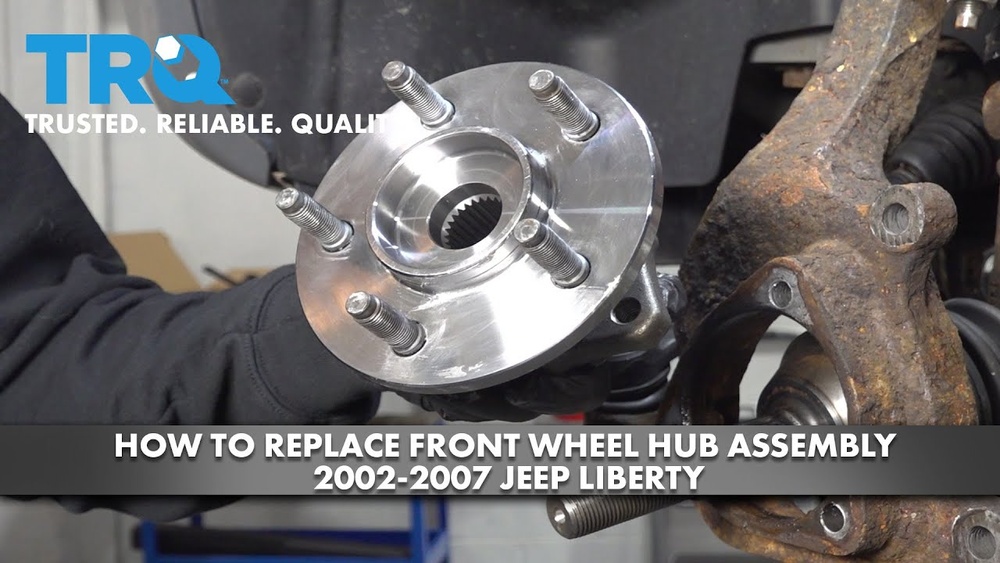
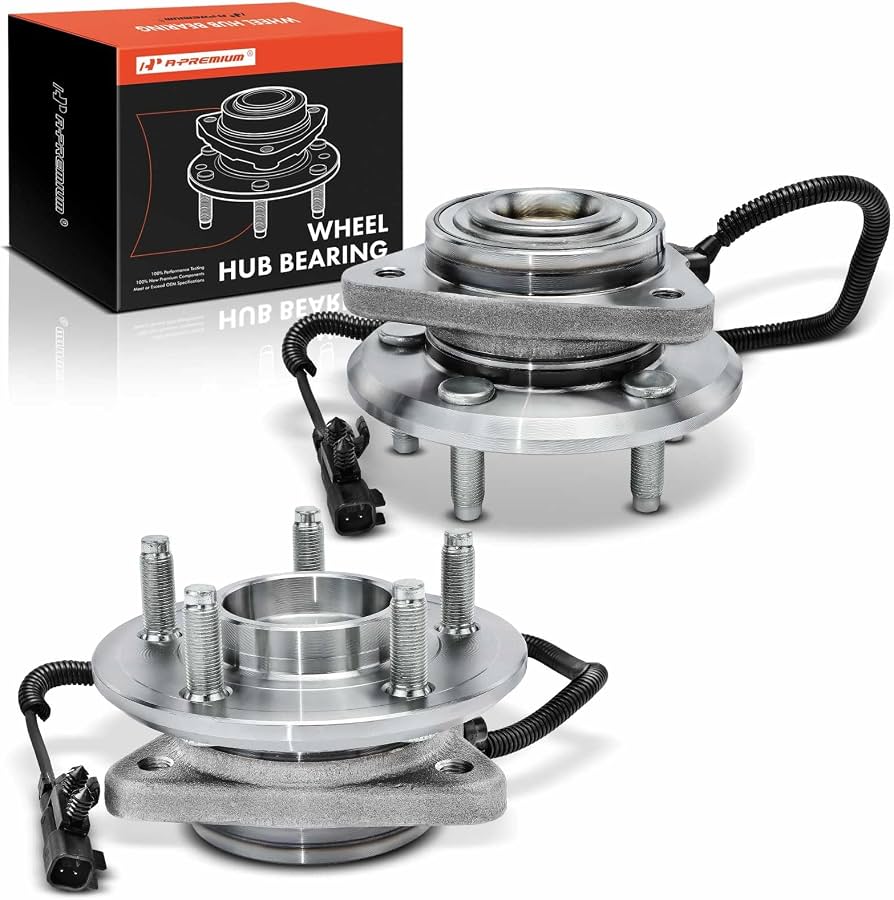
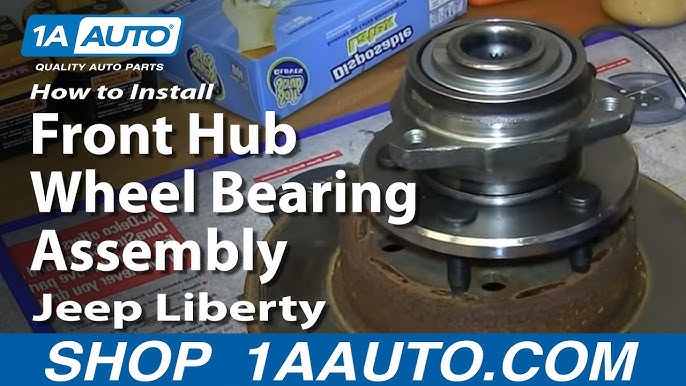
The wheel hub assembly is a crucial part of your Jeep’s suspension and steering system. It holds the wheel in place and allows it to rotate freely while keeping it secured to the vehicle. The 2007 Jeep Liberty uses a unitized hub, which means the bearing and the hub are a single piece. When the bearing fails, you must replace the entire hub assembly, not just the bearing.
Tools And Materials Needed
Before you start, gather these essential tools and supplies:
- Jack and jack stands
- Lug wrench
- Socket set (including a 36mm axle nut socket)
- Breaker bar
- Torque wrench
- Hammer (rubber mallet preferred)
- Pry bar
- Screwdrivers (flat and Phillips)
- Penetrating oil (like PB Blaster)
- Needle-nose pliers
- Bungee cord or rope
- New wheel hub assembly (OEM recommended)
- Safety glasses and gloves
Having everything within reach will make the job easier and safer.
Safety Precautions
Working on a vehicle can be dangerous if you don’t take the right steps. Always:
- Park on a flat, hard surface.
- Engage the parking brake.
- Wear safety glasses and gloves.
- Use jack stands; never rely on a jack alone.
- Keep tools and parts organized to prevent trips or mistakes.
Step-by-step Guide: Removing The Wheel Hub
Each step below focuses on one part of the process. These steps are specific to the 2007 Jeep Liberty and can differ for other vehicles.
1. Preparation And Wheel Removal
Start by loosening the lug nuts on the wheel with a lug wrench while the Jeep is still on the ground. This will prevent the wheel from spinning. Jack up the vehicle securely and place it on jack stands. Remove the lug nuts and take off the wheel to expose the brake assembly.
Pro Tip: Mark the position of your wheel before removal to help with re-installation and wheel balancing.
2. Removing The Brake Caliper And Rotor
With the wheel off, you’ll see the brake caliper and rotor. Use a socket and wrench to remove the bolts holding the caliper bracket. Carefully slide the caliper off and hang it with a bungee cord or rope to avoid putting stress on the brake hose.
Next, remove the brake rotor. If it’s stuck, gently tap around the edges with a rubber mallet to loosen it.
Be patient forcing it can damage the rotor.
Common mistake: Letting the caliper hang by the brake hose. This can cause hidden damage and lead to brake failure later.
3. Disconnecting The Abs Sensor
Many 2007 Jeep Liberties have an ABS sensor connected to the hub. Carefully disconnect it by pulling out the plug or removing a small bolt, depending on the model. Don’t yank the wire; it’s fragile.
4. Removing The Axle Nut
The axle nut is often very tight, torqued to 175 ft-lbs or more. Use a 36mm socket and breaker bar to loosen it. You may need a helper to press the brake pedal or block the rotor with a pry bar to keep the hub from spinning.
If it’s rusted, apply penetrating oil and let it soak for 10-15 minutes. Never use an impact wrench unless you’re sure the nut can handle it some nuts strip easily.
5. Detaching The Hub Assembly Bolts
Behind the hub, you’ll find three or four bolts attaching the hub assembly to the steering knuckle. These bolts can be tough due to corrosion. Use a socket and breaker bar to remove them. Penetrating oil is helpful here as well.
If the bolts won’t budge, gently tap the bolt heads with a hammer to break rust bonds. Take your time to avoid snapping a bolt, which can complicate the repair.
6. Freeing The Hub From The Knuckle
With all bolts out, you may notice the hub is still stuck to the knuckle. Years of road salt and water can cause the hub to seize.
Use a rubber mallet to tap the hub from different angles. Never hammer directly on the threads or the center of the hub.
If it’s really stuck, insert a pry bar between the hub and knuckle and twist gently. Some people use a specialized hub puller tool for this step, which can save time and reduce frustration.
7. Removing The Hub And Cleaning The Surface
Once the hub comes free, slide it off the axle shaft. Inspect the axle shaft for damage or rust.
Clean the mounting surface on the knuckle using a wire brush and some brake cleaner. A clean surface helps the new hub fit correctly and prevents vibration.
Non-obvious insight: Even a small amount of rust or debris can prevent the new hub from sitting flat, which may cause noise or premature wear.
Comparison: Common Mistakes Vs. Best Practices
Below is a comparison of what can go wrong versus what you should do for best results.
| Common Mistake | Best Practice |
|---|---|
| Letting the brake caliper hang by hose | Secure caliper with rope or bungee cord |
| Skipping penetrating oil on bolts | Use penetrating oil and allow time to soak |
| Not cleaning hub mounting surface | Thoroughly clean with wire brush and brake cleaner |
| Forcing hub off with excessive force | Tap gently and use hub puller if necessary |
Reassembly Tips
After removing the old hub, installing the new one is essentially the reverse of removal. Use the correct torque specs for each bolt (consult your repair manual).
Always reconnect the ABS sensor and check for any damaged wires.
Tip: Spin the hub by hand before reassembling the brakes and wheel. It should rotate smoothly with no grinding or roughness.
Cost And Time Estimates
Here’s a breakdown of what you can expect for this job.
| Item | Estimated Cost | Time Needed |
|---|---|---|
| New hub assembly | $60–$150 | – |
| Tools (if renting or buying) | $40–$100 | – |
| DIY labor | $0 | 2–4 hours |
| Mechanic labor | $150–$350 | 1–2 hours |
Note: Actual times vary based on rust, experience, and tool quality.
When To Replace The Hub
You should consider removing (and replacing) the wheel hub if you notice:
- A rumbling or grinding noise that changes with speed
- Loose or “wobbly” wheel feel
- ABS light on (if sensor is integrated)
- Uneven tire wear
- Vibration in the steering wheel
Ignoring these symptoms can lead to bigger problems, such as wheel detachment or brake failure.
Real-world Example
Let’s say your 2007 Jeep Liberty starts making a humming sound that gets louder as you speed up, and you feel vibration in the steering wheel. You check the wheel for play and feel a slight wobble.
This usually points to a worn hub bearing.
Following the steps above, you remove the wheel, brakes, and hub, and discover the bearing is rough and gritty. Installing a new hub fixes the noise and restores smooth handling.
Practical Tips For A Smoother Job
- Soak rusted bolts with penetrating oil a day before you start.
- Take photos during disassembly to help with reassembly.
- Keep all hardware in a tray or labeled bags.
- If you’re stuck, walk away for a break instead of forcing parts.
- Double-check torque specs for your Jeep’s model year.
What Beginners Often Miss
- Checking ABS sensor connections after reassembly. A loose or unplugged sensor will trigger warning lights.
- Test driving at low speed in a safe area before hitting the highway. Listen and feel for anything unusual.
- Using too much force when removing a stuck hub. Patience and the right tools are safer than brute strength.
External Resource
For a visual walkthrough and further technical specifications, check the official Jeep Owner’s Site.
How Do I Know If My Wheel Hub Needs To Be Replaced?
A worn wheel hub usually makes a grinding or humming noise that gets louder with speed. You might also feel vibration in the steering wheel or notice the ABS warning light. Checking for wheel “play” by rocking the wheel at 12 and 6 o’clock positions can confirm looseness.
Can I Drive With A Bad Wheel Hub?
It’s not safe to drive long with a faulty hub. A failing hub can make the wheel detach from the car, cause brake problems, or lead to uneven tire wear. Replace it as soon as possible to avoid higher repair costs and safety risks.
Do I Need Any Special Tools To Remove The Hub?
You need basic hand tools (sockets, wrenches) plus a 36mm axle nut socket and possibly a hub puller. If bolts are very rusty, an impact wrench helps but isn’t required. Penetrating oil is a must for older vehicles.
Should I Replace The Hub On Both Sides?
It’s not required, but if one hub fails, the other may be close behind—especially with high mileage or similar use. Replacing both can save time and prevent future breakdowns, but it’s not mandatory if the other side is quiet and tight.
How Tight Should I Make The Axle Nut When Reinstalling?
The axle nut should be torqued to manufacturer specifications—usually around 175 ft-lbs for a 2007 Jeep Liberty. Check your owner’s manual or a repair guide. Too loose or too tight can lead to bearing failure or unsafe driving.
Removing the wheel hub on a 2007 Jeep Liberty is a rewarding job if you follow the right steps and stay patient. Taking your time and using the correct tools will help you avoid mistakes and get your Jeep back on the road safely.