If you want to work on your own Jeep, removing the steering wheel from a 2013 Jeep Wrangler is a task you can do with basic tools and some patience.
People remove steering wheels for different reasons: to replace a worn wheel, install an aftermarket part, or repair electrical components like the clock spring or airbag system. Whatever your reason, it’s important to know the steps, the tools you need, and the common mistakes to avoid.
This guide will help you do the job safely and correctly, even if you have never tried it before.
Is It Safe To Remove Your Own Steering Wheel?
You might wonder if it’s risky to take off your own steering wheel. The answer is yes, there are risks—especially because of the airbag. If you follow the right steps and take precautions, you can do it safely. The most important thing is to disconnect the battery and let the car rest before starting. This prevents the airbag from accidentally deploying, which can be dangerous.
Tools And Materials You’ll Need
Before you begin, make sure you have everything ready. Here’s what you need:
- Socket set (with 10mm, 13mm, and 21mm sockets)
- Torx drivers (T20 and T30)
- Flathead screwdriver
- Steering wheel puller tool (many auto stores have these for rent)
- Trim removal tool (plastic preferred)
- Needle-nose pliers
- Ratchet wrench
- Torque wrench
- Gloves and safety glasses
Having the right tools makes the job faster and helps you avoid damaging parts.
Preparing Your Jeep Wrangler
Before touching the steering wheel, safety comes first. Here are the key steps:
- Park the Jeep on a flat surface. Engage the parking brake.
- Turn the steering wheel so the wheels are straight. This will help with reinstallation.
- Disconnect the negative battery cable using a 10mm socket. Wait at least 10-15 minutes before starting. This allows any electrical charge to drain from the system, especially the airbag.
A common mistake is not waiting long enough after disconnecting the battery. If you rush, you risk triggering the airbag.
Removing The Airbag Module
The airbag is the most sensitive part of this job. Here’s how to remove it safely:
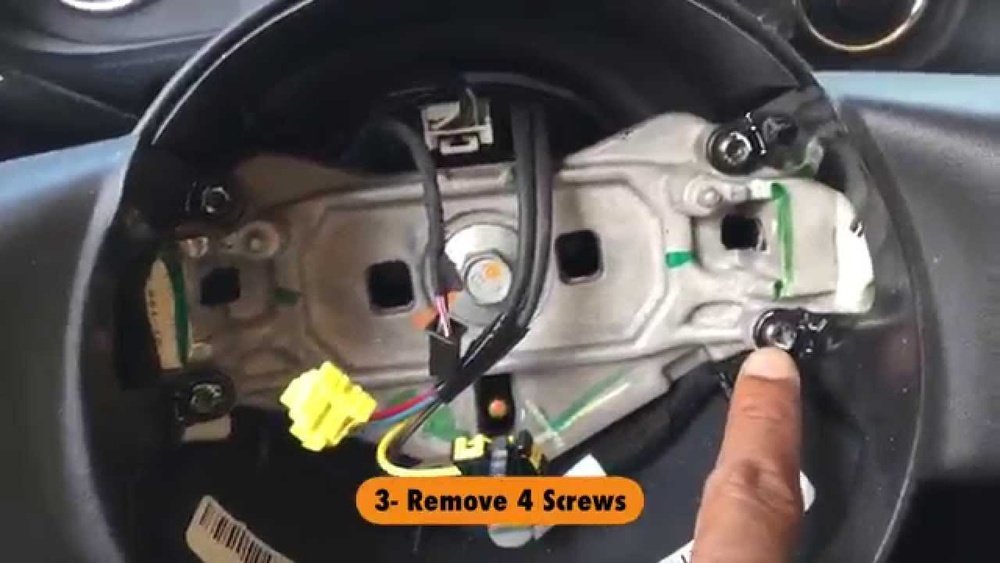
- Locate the airbag retaining screws. On the back of the steering wheel, you’ll see two Torx screws (usually T30).
- Remove both screws and set them aside.
- Gently pull the airbag module forward, but don’t yank it. There are two connectors behind it.
- Disconnect the airbag connectors by lifting the yellow tabs with a flathead screwdriver and carefully unplugging the wires.
Never use sharp metal tools near the airbag connectors. If you damage the wires, the airbag system may not work properly.

Disconnecting Steering Wheel Wiring
Behind the airbag, you’ll see more wiring. Here’s what to do:
- Unplug the horn connector (usually a black wire).
- Unclip any other connectors for audio controls or cruise control (if your model has them).
It’s a good idea to take a photo of the wiring before unplugging anything. This makes reassembly much easier.
Removing The Steering Wheel Nut
The steering wheel is held by a single large nut:
- Use a 21mm socket and ratchet to remove the nut in the center. Hold the wheel steady with your other hand.
- Mark the steering shaft and wheel with a marker or chalk. This helps you align the wheel perfectly when reinstalling.
Some people forget to mark the position. This can lead to a crooked steering wheel when you’re finished.
Pulling Off The Steering Wheel
Most steering wheels are tight on the shaft. Here’s how to remove it:
- Attach the steering wheel puller to the threaded holes on the wheel.
- Tighten the center bolt of the puller until the wheel pops free.
- Carefully slide the wheel off the shaft.
Don’t hammer or use excessive force. If you don’t have a puller, many auto parts stores will loan you one.
Comparing Steering Wheel Puller Tools
Here’s a look at three popular steering wheel puller tools for home mechanics:
| Brand | Price Range | Compatibility | User Ease |
|---|---|---|---|
| OEMTOOLS 27017 | $20–$30 | Most US cars | Easy |
| Pitman Puller 64902 | $18–$25 | Universal | Moderate |
| Lisle 45000 | $25–$35 | Wide fit | Very Easy |
The Lisle 45000 is especially popular for its simple design and strong construction.
Inspecting And Replacing Components
With the wheel off, you can inspect other parts:
- Clock spring: This is a circular device behind the wheel that controls the airbag and horn wiring. If your horn or airbag lights were on, check this part for damage.
- Steering shaft: Look for signs of rust or wear.
- Switches and controls: If you have steering wheel buttons, now is a good time to clean or replace them.
If you find broken parts, now is the best time to replace them. Many people wait until later, but reassembling twice is more work.
Reinstalling The Steering Wheel
To put everything back, follow the steps in reverse:
- Align the marks you made earlier.
- Slide the wheel onto the shaft.
- Hand-tighten the steering wheel nut, then torque it to 40–45 ft-lbs using a torque wrench.
- Reconnect all wiring for horn, cruise control, and audio controls.
- Reinstall the airbag by plugging in the connectors and tightening the Torx screws.
Double-check that all connectors are secure before moving on.

Testing The System
Before driving, test everything:
- Reconnect the battery.
- Start the Jeep and watch for warning lights.
- Check the horn and steering wheel buttons.
- Turn the steering wheel from lock to lock to make sure it moves smoothly.
If any warning lights stay on, recheck your connections. Sometimes, a loose connector is the cause.
Comparing Oem Vs Aftermarket Steering Wheels
If you’re replacing the steering wheel, you might wonder about your options. Here’s a simple comparison:
| Feature | OEM Steering Wheel | Aftermarket Steering Wheel |
|---|---|---|
| Fit | Perfect | May need adapter |
| Airbag compatibility | Guaranteed | Rarely compatible |
| Cost | Higher | Lower to higher |
| Appearance | Factory style | Customizable |
| Warranty | Yes | Usually no |
OEM wheels are best for keeping the original airbag and controls. Aftermarket wheels may offer more style but often require extra parts.
Common Mistakes And How To Avoid Them
Many beginners make small mistakes that cause big problems later. Here are two that are easy to miss:
- Forgetting to disconnect the battery: This can cause the airbag to deploy or trigger warning lights.
- Not marking the steering wheel position: The new wheel may look straight but actually be off-center.
Always double-check your work at each step.
When Should You Not Remove The Steering Wheel Yourself?
There are times when you should not attempt this job:
- If the airbag warning light is on and you don’t know why.
- If you see damaged wiring or broken connectors.
- If you don’t feel comfortable with safety systems.
In these cases, it’s safer to take your Jeep to a professional mechanic.
Tips For A Smoother Process
- Keep all screws and bolts in a tray so you don’t lose them.
- Take clear photos during each step for easier reassembly.
- If you’re replacing the steering wheel, buy a wheel that matches your Jeep’s year to avoid fit issues.
- Don’t force any connectors. If they don’t fit, check for bent pins or debris.
Estimated Time And Difficulty
Most people can remove the steering wheel in about 30–60 minutes if it’s their first time. With practice, you may finish faster. The job is not very difficult, but handling the airbag does require care.
Real-world Example
One Jeep owner, Mark, removed his steering wheel to fix a non-working horn. He discovered a broken wire in the clock spring.
By following these steps, he saved over $200 in labor charges and fixed the problem in under an hour.
Where To Find More Details
If you want more technical details or diagrams, the official Jeep service manual is a great resource. For step-by-step photos and more community tips, forums like WranglerForum.com are helpful. The National Highway Traffic Safety Administration also offers airbag safety information: NHTSA Air Bag Information.

Frequently Asked Questions
How Do I Know If My 2013 Jeep Wrangler Has A Clock Spring Problem?
If your horn, airbag, or steering wheel buttons stop working, the clock spring might be faulty. You may also see the airbag warning light. Replacing the clock spring requires removing the steering wheel.
Can I Remove The Steering Wheel Without A Puller Tool?
It’s possible but not recommended. The wheel is often stuck tightly. Using a puller tool reduces the risk of damaging the steering column or threads. Most auto parts stores offer tool rental services.
Will Removing The Battery Reset My Radio Or Other Electronics?
Disconnecting the battery can reset some electronic settings, like the clock or radio presets. Write down important settings before starting if you want to restore them later.
Do I Need To Replace The Airbag Module If I Remove It?
No, the airbag module can be reused if it’s not damaged. Handle it with care, and never place it face down.
If the airbag has deployed or shows damage, replace it with an OEM part.
What Torque Should I Use When Tightening The Steering Wheel Nut?
The steering wheel nut should be torqued to about 40–45 ft-lbs. Using the correct torque is important for safety and to prevent steering play.
Removing the steering wheel on a 2013 Jeep Wrangler is a manageable job for most people with basic tools and attention to detail. Take your time, follow each safety step, and you’ll be back on the road quickly—and maybe even with new skills and confidence for your next DIY project.