If you own an older Jeep, you know these vehicles are built for adventure but sometimes need repairs. One common job is removing the steering wheel, whether for fixing the horn, replacing the ignition switch, or restoring your dashboard.
Taking off the steering wheel may sound intimidating, but with the right steps, tools, and safety tips, you can do it yourself even if you’re not a professional mechanic.
This guide will walk you through the process step by step, highlight important details that beginners often miss, and help you avoid common mistakes.
Understanding Why You Might Remove The Steering Wheel
Removing the steering wheel isn’t something you do every day. However, there are several reasons you might need to:
- Replacing a faulty horn or switch assembly
- Fixing worn or damaged steering column parts
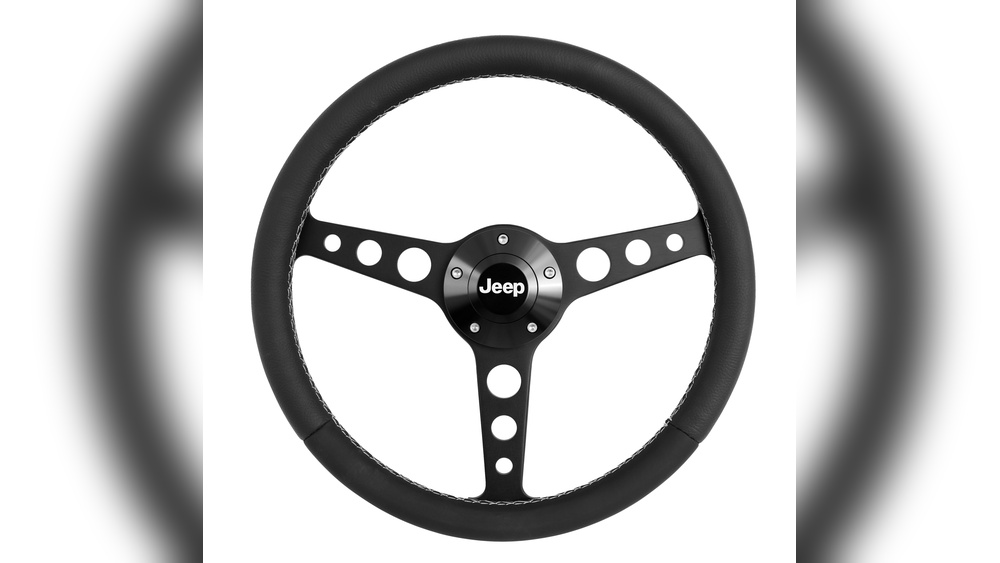
- Restoring your Jeep’s interior or changing to a sportier wheel
- Repairing ignition or turn signal issues
Always make sure removing the wheel is necessary for your repair. Sometimes, you can access switches and wiring by removing trim panels instead.
Safety First: Preparing Your Jeep
Before you touch any tools, safety comes first. The steering wheel is connected to the airbag (on some newer models) and sensitive electronics. Here’s how to get ready:
- Disconnect the battery: Always disconnect the negative terminal. This prevents accidental airbag deployment and electrical shorts.
- Wait at least 10 minutes: Airbags can still hold a charge for a few minutes after disconnecting the battery.
- Set the wheels straight: This makes it easier to align everything during reinstallation.
- Mark steering wheel position: Use a marker or tape to mark the wheel and shaft position. This helps you reinstall it perfectly straight.
Non-obvious tip: Some older Jeep models (like CJ, YJ, and early XJ) don’t have airbags, but always check your manual to be sure. Never skip the battery disconnect step.
Tools And Parts You Will Need
Having the right tools makes a big difference. Here’s a list you should prepare before starting:
- Socket set (usually 13mm, 15mm, or 19mm sockets)
- Ratchet wrench
- Phillips and flathead screwdrivers
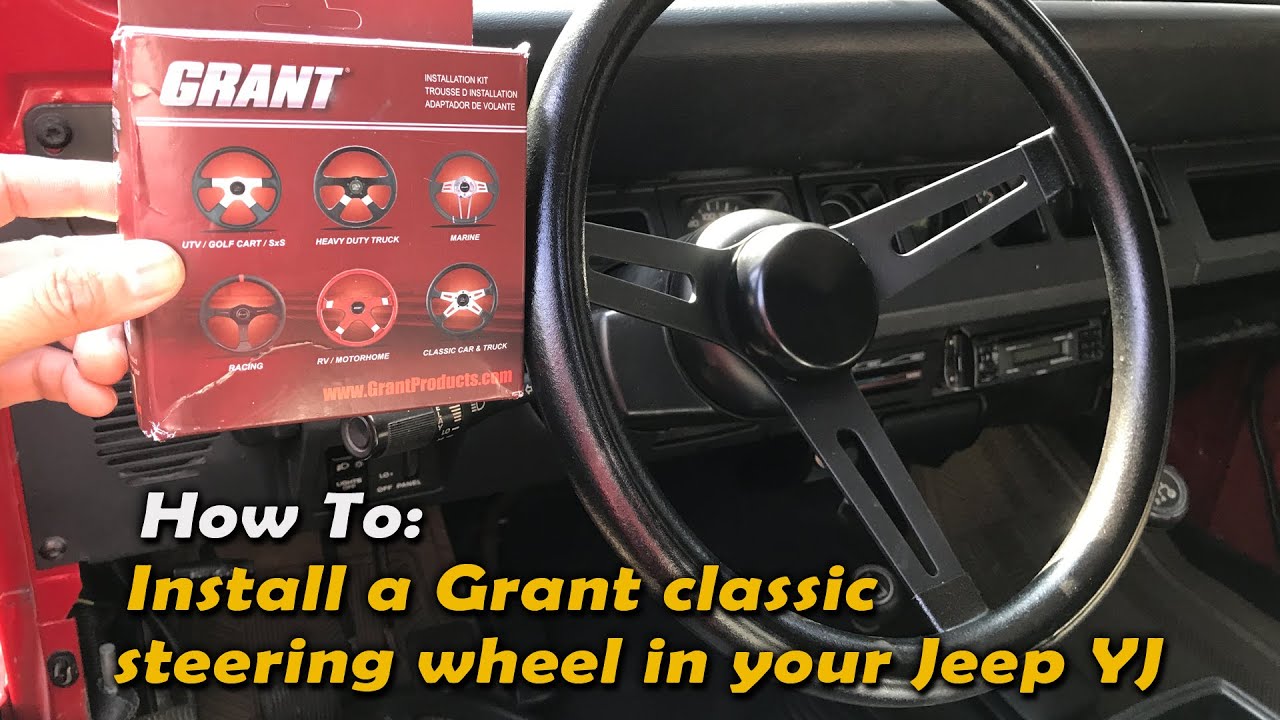
- Steering wheel puller kit (often required for old Jeeps)
- Torx bits (for some models)
- Penetrating oil (if bolts are stuck)
- Marker or masking tape
- Protective gloves
- Shop rag (to cover or protect dash surfaces)
If you don’t have a steering wheel puller, many auto parts stores rent them for a small fee or deposit.
Step-by-step Guide: Removing The Steering Wheel
1. Disconnect The Battery
Locate the battery under the hood and use a wrench to remove the negative cable. Place it away from the battery post so it doesn’t accidentally reconnect.
2. Remove The Horn Pad Or Airbag
- Older Jeeps (no airbag): The center horn button or pad usually pops off by pressing or gently prying with a screwdriver. Disconnect any attached wires.
- Jeeps with airbags: Carefully remove the screws at the back of the wheel (often Torx). Gently pull the airbag module forward and disconnect the airbag connector. Place it face up away from your work area.
3. Loosen The Steering Wheel Nut
Use a socket and ratchet to loosen (but not fully remove) the large nut in the center. Leave it threaded a few turns this keeps the wheel from hitting you when it comes loose.
4. Mark Wheel And Shaft Alignment
With the wheel straight, mark the shaft and the wheel with a line or tape. This will help during reassembly to keep your steering aligned.
5. Use A Steering Wheel Puller
Most old Jeep steering wheels are pressed onto the splined shaft and require a puller. Here’s how:
- Attach the puller plate to the wheel using the provided bolts.
- Turn the center bolt of the puller with a wrench. As you tighten, the wheel will slowly pull away from the shaft.
- If the wheel is stuck, apply a little penetrating oil and wait a few minutes.
Non-obvious insight: Do not try to hammer or jerk the wheel off by force. This can damage the steering column or bend the wheel.
6. Remove The Steering Wheel
Once the wheel is loose, finish removing the center nut and lift the wheel off the shaft. Be careful with any wires or connectors still attached.
7. Inspect And Store Parts
Check for any worn or broken pieces before reassembly or replacement. Place all parts in a safe spot, and keep screws and bolts organized.

Key Differences: Jeep Models And Steering Wheel Removal
Different Jeep generations and models may need slightly different steps. Here’s a quick comparison of popular old Jeep models:
| Model | Years | Airbag? | Puller Needed? | Nut Size |
|---|---|---|---|---|
| CJ | 1970s-1986 | No | Yes | 13mm or 15mm |
| YJ (Wrangler) | 1987-1995 | No | Yes | 19mm |
| XJ (Cherokee) | 1984-1996 | No (Early), Yes (Later) | Yes | 19mm |
| ZJ (Grand Cherokee) | 1993-1998 | Yes | Yes | Various |
This table helps you quickly check what to expect for your Jeep model.
Troubleshooting: Common Problems And How To Avoid Them
Even with clear steps, things can go wrong. Here’s how to handle common issues:
Steering Wheel Won’t Budge
- Double-check you’re using the correct puller bolts.
- Apply more penetrating oil and wait longer.
- Do not use heat—it can damage plastic and wiring.
Airbag Warning Light After Reassembly
- Make sure all connectors are properly attached.
- Always reconnect the battery only after everything is assembled.
Horn Or Electronics Don’t Work
- Check all wire connections before putting the wheel back.
- Replace any damaged or corroded connectors.
Misaligned Steering Wheel After Reinstallation
- Use your alignment marks.
- If it’s off, remove the wheel and realign with your marks.
Practical tip: Take photos as you go. This helps you remember where each part fits—especially for beginners.
Steering Wheel Puller Kits: A Quick Comparison
If you need to buy or rent a puller kit, here’s a quick look at the types you might find:
| Type | Fits Most Jeeps? | Rental Available? | Typical Price |
|---|---|---|---|
| 2-Jaw Universal Puller | Yes | Yes | $15-$30 |
| 3-Jaw Puller | No (not ideal) | Sometimes | $20-$40 |
| Steering Wheel Puller Kit | Yes | Yes | $20-$50 |
Always choose a kit with multiple bolt sizes for best results.
Mistakes To Avoid When Removing Your Jeep’s Steering Wheel
- Skipping the battery disconnect: This is dangerous, especially with airbags.
- Not marking the alignment: You’ll end up with a crooked wheel.
- Forcing the wheel off: This can bend the column or damage threads.
- Losing small parts: Springs and clips can fall and get lost easily.
- Forgetting the airbag steps: Mishandling can cause injury or trigger warning lights.
Taking your time and following each step prevents costly mistakes.
Reinstalling The Steering Wheel
Putting the wheel back is almost the reverse of removal. Here are a few reminders:
- Align your marks before pushing the wheel onto the shaft.
- Tighten the center nut to the proper torque (check your manual).
- Reconnect all wires and airbag connectors securely.
- Reinstall the horn pad or airbag module.
- Reconnect the battery only after everything is back in place.
- Test the horn, turn signals, and steering before driving.
When To Call A Professional
While most Jeep owners can handle this job with patience, sometimes it’s best to get help. Contact a mechanic if:
- You’re not confident dealing with airbag systems
- The steering wheel is stuck and won’t come off with a puller
- You notice broken wires or damaged parts inside the column
A professional can save time and prevent further damage if things get too complicated.
Extra Tips For A Smooth Steering Wheel Removal
- Clean the area around the wheel before starting. This prevents dirt from falling into the column.
- Have a small container for screws and parts.
- If you’re restoring your Jeep, take time to clean or paint the wheel before reinstalling.
- Always check for recalls or safety bulletins for your Jeep model before starting. Some steering wheels have unique procedures.
For deeper technical details, you can reference the official Jeep history and repair resources.
How Do I Know If My Jeep Steering Wheel Has An Airbag?
Most Jeeps after 1995 have airbags. Look for an “SRS” or “Airbag” label in the center of the wheel. If you see this, follow all airbag safety steps and disconnect the battery before starting.
Can I Remove A Steering Wheel Without A Puller Tool?
It’s risky. While some wheels come off with gentle rocking, most Jeep wheels need a puller to avoid damaging the column or threads. Never use a hammer or excessive force.
What If My Horn Doesn’t Work After Reinstalling The Steering Wheel?
Check the horn contact ring and wire connections. Make sure all parts are seated correctly before tightening the wheel. Sometimes, the horn wire gets pinched or disconnected during installation.
How Long Does It Take To Remove A Steering Wheel On An Old Jeep?
For a beginner, expect 30 to 60 minutes if you have all the tools. Experienced mechanics can do it in 15 20 minutes, but don’t rush focus on safety.
Is It Safe To Drive Without The Steering Wheel Fully Tightened?
No. The steering wheel must be fully seated and the center nut torqued to specifications. A loose wheel is dangerous and can cause loss of control.
Removing the steering wheel on an old Jeep is a practical DIY project for most owners. With the right tools, clear steps, and a bit of patience, you can solve many common problems and keep your Jeep running strong.
Always focus on safety, follow instructions carefully, and don’t hesitate to ask for help if you’re unsure.