Removing the steering wheel from a 1994 Jeep Wrangler is not just a mechanical task—it’s a careful process that affects your vehicle’s safety and function. Whether you’re replacing a damaged wheel, fixing the horn, or installing a new part, understanding the steps and risks is important. Many owners feel nervous about tackling this job, but with the right tools and guidance, you can do it yourself and avoid costly service fees. This guide will walk you through every step, highlight common mistakes, and help you feel confident about the process.
Understanding Your Steering Wheel System
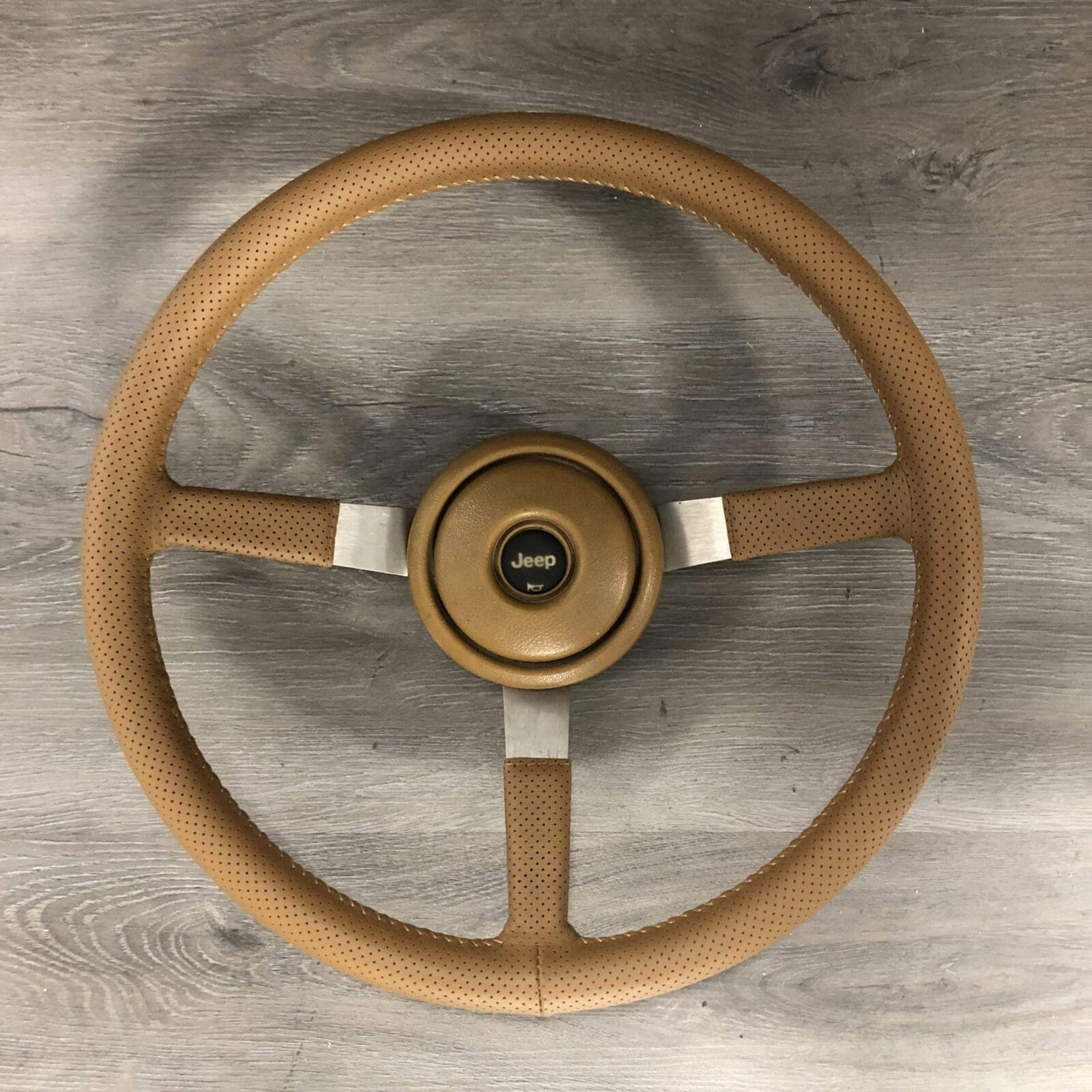
The 1994 Jeep Wrangler uses a classic steering wheel design with a splined shaft and a central nut. It may have a horn button or airbag, depending on your trim. Before removal, you should know what’s inside:
- Steering shaft: Connects the wheel to the steering column.
- Retaining nut: Holds the wheel on the shaft.
- Horn assembly: Located under the wheel’s center.
- Airbag: Some models may have a driver airbag.
Not all 1994 Wranglers have airbags, but if yours does, handling it safely is critical. Always disconnect the battery before working with any airbag system.
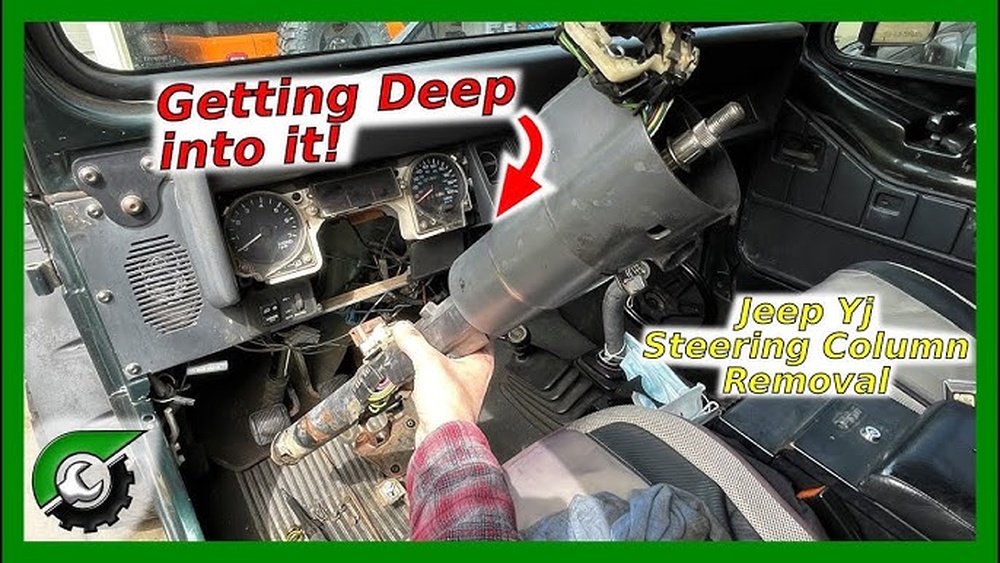
Tools And Materials Needed
Gathering the right tools will make your job easier and safer. Here’s what you need:
- Socket set (especially 13/16” or 21mm)
- Steering wheel puller (recommended for tight wheels)
- Screwdrivers (Phillips and flathead)
- Torx bits (if your wheel has Torx screws)
- Ratchet wrench
- Needle nose pliers
- Penetrating oil (for stuck parts)
- Shop rags
- Safety gloves
- Battery terminal wrench
A steering wheel puller is not expensive and prevents damage. Some beginners skip it, but this often leads to broken threads or bent wheels.
Preparing Your Jeep Wrangler
Before you start, follow these safety steps:
- Park the Jeep on a flat surface.
- Turn the wheels straight.
- Remove the keys from the ignition.
- Disconnect the negative battery cable. This is essential, especially if your vehicle has an airbag. Wait at least 10 minutes to let any residual power drain.
If you skip battery disconnect, you risk triggering the airbag or damaging the horn circuit.
Step-by-step: Removing The Steering Wheel
Now, let’s go through the removal process. Each step builds on the last, so don’t rush.
1. Remove The Horn Pad Or Airbag
- Use a flathead screwdriver to gently pry off the horn pad.
- If you have an airbag, locate the screws (usually Torx) at the back of the steering wheel. Remove them carefully.
- Lift the horn pad or airbag module away. If it’s an airbag, disconnect the wiring harness. Set the module face-up on a clean surface.
Non-obvious tip: Always handle airbags with care. Never place them face-down, as accidental deployment can cause injury.
2. Disconnect Electrical Connectors
- Find the horn wire or airbag connector. Unclip or unplug these wires.
- Use needle nose pliers if connectors are tight, but don’t pull too hard.
If you forget this step, you risk damaging the wiring when pulling the wheel.
3. Remove The Center Nut
- Use a socket wrench to loosen and remove the center retaining nut.
- If the nut is stuck, apply penetrating oil and wait a few minutes.
- Leave the nut threaded a few turns. This protects the threads when using the puller.
4. Mark The Steering Wheel Position
Before removing the wheel, mark its position on the shaft. Use a marker or scribe to draw a line across the wheel and shaft.
This helps you install the new wheel straight.
Beginners often skip this, leading to crooked steering after reinstallation.
5. Use A Steering Wheel Puller
- Attach the puller to the wheel using the threaded holes.
- Tighten the puller until the wheel pops free.
- Remove the wheel from the shaft gently.
If the wheel is loose, you may not need the puller, but forcing it by hand risks damage.
6. Inspect The Shaft And Wiring
Check for any damage or wear. Clean the splines with a rag.
If you see corrosion, apply a small amount of grease.
Practical Tips For Safe Removal
- Wear safety gloves to avoid cuts.
- If your steering wheel is stuck, avoid hammering—it can damage the shaft.
- Keep all removed screws and parts in a labeled bag.
- Photograph each step for easy reference later.
Many people forget to label screws, causing confusion during reinstallation.
Data Table: Steering Wheel Removal Tools Vs. Cost
Here’s a comparison of tool options:
| Tool | Average Cost (USD) | Purpose | Beginner-Friendly? |
|---|---|---|---|
| Steering Wheel Puller | $15–$30 | Safely removes wheel | Yes |
| Socket Set | $20–$50 | Removes nuts/bolts | Yes |
| Pry Tool | $5–$10 | Removes horn pad | Yes |
| Torx Bits | $10–$25 | Removes airbag screws | Yes |
Common Mistakes And How To Avoid Them
Many owners make simple errors during this process. Here’s how to avoid the most frequent problems:
- Skipping battery disconnect: Always disconnect to prevent electric shock or airbag deployment.
- Forcing the wheel off: Use a puller, not brute force.
- Losing screws and parts: Use labeled bags or containers.
- Not marking wheel position: Mark before removal to avoid crooked steering.
- Damaging connectors: Use the right tool for unplugging wires.
If you make any of these mistakes, you may need extra repairs later, or your Jeep may not drive straight.
Step-by-step Example: Removing A Stuck Wheel
Let’s say your steering wheel won’t budge. Here’s what to do:
- Apply penetrating oil to the shaft and nut.
- Tighten the puller slowly, checking for movement.
- If the wheel still sticks, tap the puller gently with a rubber mallet.
- Avoid metal hammers—they can deform the shaft.
This process may take 10 20 minutes. Be patient.
Data Table: Airbag Vs. Non-airbag Wheel Removal
Here’s a quick comparison:
| Type | Extra Steps | Time Needed | Safety Risk |
|---|---|---|---|
| With Airbag | Disconnect airbag connector | 20–40 minutes | High |
| Without Airbag | Remove horn wire only | 15–25 minutes | Low |
Reinstallation Tips
After removing the wheel, you may want to install a new one. Here’s how to make sure it’s straight and safe:
- Align your marks from earlier.
- Tighten the center nut to the correct torque (typically 35–40 ft-lbs).
- Reconnect wires and test the horn or airbag before finishing.
- Install the horn pad or airbag securely.
If the horn doesn’t work, check the wire connection. Airbag systems need special care if you’re unsure, consult a professional.
Data Table: Common Issues After Steering Wheel Removal
| Problem | Possible Cause | Solution |
|---|---|---|
| Crooked steering | Wheel not aligned | Realign marks, reinstall |
| Horn not working | Loose wire | Reconnect, check contacts |
| Warning light | Airbag not connected | Reconnect, reset system |
| Loose wheel | Nuts not tightened | Tighten to correct torque |
Real-world Example
A Jeep owner named Mike wanted to replace his worn steering wheel. He followed all steps, but forgot to mark the wheel’s position.
After reinstallation, his Jeep drove with the wheel off-center. He had to remove and reinstall the wheel again, aligning it carefully.
This shows how small steps make a big difference.
Safety And Legal Considerations
If your Jeep has an airbag, handling it wrongly can cause injury or legal issues. Some states require airbags to be functional.
Always check local laws before removing or replacing steering wheel components.
For more technical information, visit the National Highway Traffic Safety Administration.
How Long Does It Take To Remove The Steering Wheel?
Most jobs take 20–40 minutes. If the wheel is stuck or your Jeep has an airbag, allow extra time.
Do I Need A Steering Wheel Puller?
A puller is strongly recommended. It prevents damage and makes removal easier. Some wheels can be removed by hand, but pullers are safer.
Is It Safe To Remove The Airbag Myself?
If you follow safety steps especially disconnecting the battery it’s safe. Always handle the airbag carefully, and consult a professional if unsure.
Can I Drive Without A Steering Wheel Airbag?
In some places, it’s illegal to drive without a working airbag. Check your local laws before making changes.
What Should I Do If The Horn Doesn’t Work After Reinstallation?
Check the horn wire connection under the wheel. If wires are loose, reconnect them. Test before finishing installation.
Removing the steering wheel from your 1994 Jeep Wrangler is a manageable task with the right tools and patience. Paying attention to safety, marking positions, and handling electrical connectors will ensure your Jeep stays reliable and safe.
If you ever feel unsure, reaching out for expert help is always a smart choice.