Removing the gas cap from a Jeep Wrangler might sound like a simple task, but for many first-time owners and even seasoned drivers, it can be unexpectedly tricky. Jeep Wranglers have seen many design changes over the years, and some models include capless systems or locking mechanisms that confuse even experienced car owners. Whether you’re preparing to refuel for a long trip, checking for an evaporative emissions issue, or replacing a faulty cap, knowing how to remove your Wrangler’s gas cap correctly can save time and prevent problems. In this guide, you’ll learn not only the step-by-step process but also how to handle common issues, avoid mistakes, and understand why this small part is more important than most drivers realize.
Jeep Wrangler Gas Cap Basics
Before you start, it helps to know what type of gas cap your Wrangler uses. Jeep has used several different designs, and understanding yours will make removal much easier.
Common Gas Cap Types
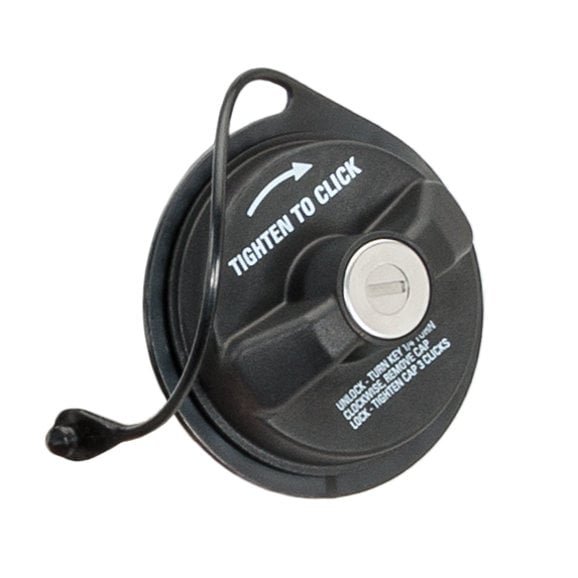
- Standard screw-on cap: Found on most Wranglers until the late 2010s. It’s a simple plastic or metal cap you twist counterclockwise to remove.
- Capless fuel filler: Introduced in newer models (2018 and later), this design has no traditional cap. Instead, there’s a spring-loaded flap behind the fuel door.
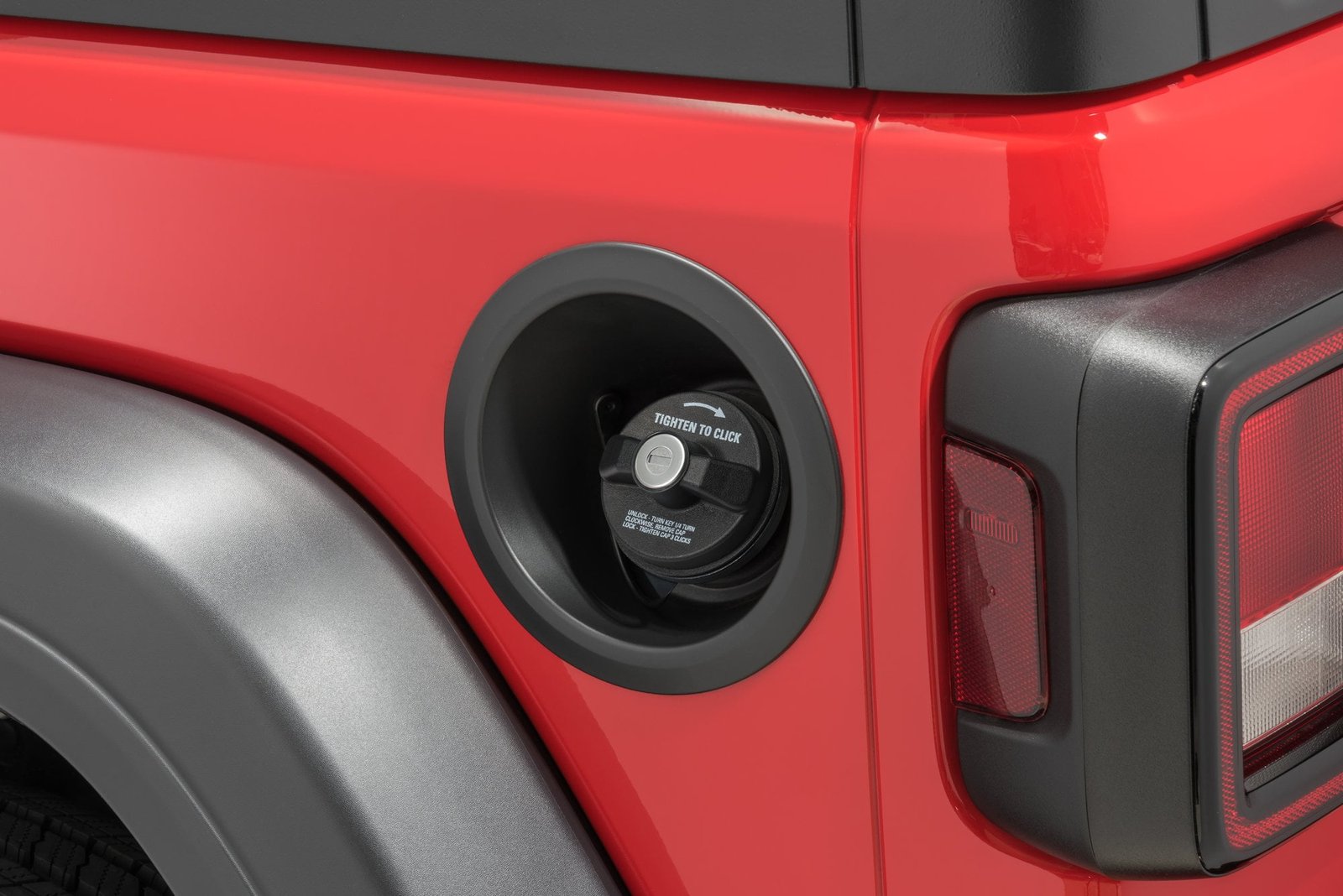
- Locking gas cap: Some models or aftermarket parts feature a lock for extra security, requiring a key to open.
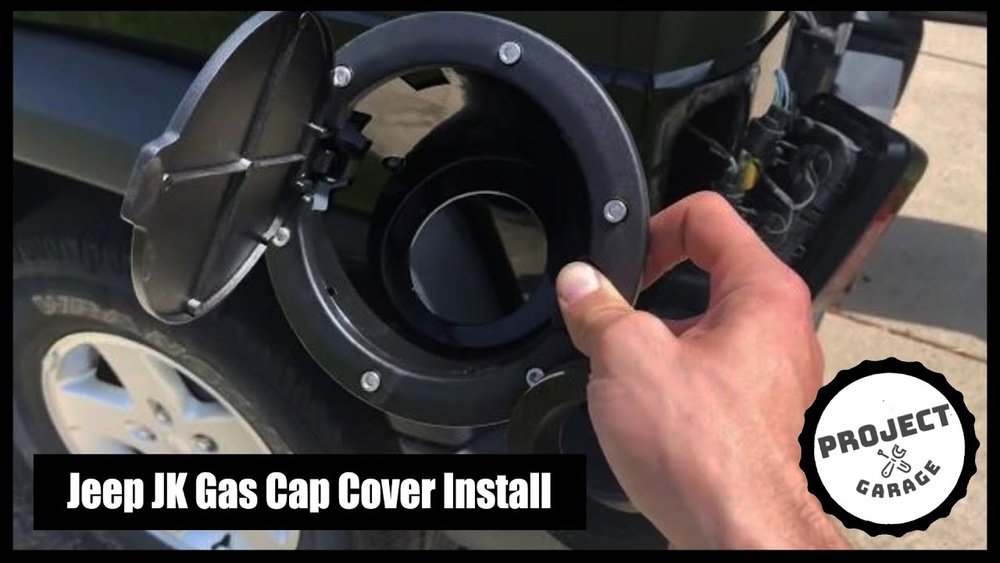
- Aftermarket or decorative caps: Owners sometimes replace the factory cap for style or function, which might change the removal steps.
Why Gas Cap Design Matters
A loose or missing gas cap is one of the most common causes of the “check engine” light in Jeeps. Modern vehicles use the cap to maintain pressure in the fuel system. If the cap isn’t on correctly, you might waste fuel, pollute the air, or fail an emissions test.
Step-by-step: How To Remove Jeep Wrangler Gas Cap
The process depends on your Wrangler’s model year and fuel system. Here’s how to handle each type.
For Standard Screw-on Gas Caps
- Open the fuel door: Press the rear edge of the fuel door or use the lever near the driver’s seat, depending on your model.
- Grip the gas cap: Hold the cap firmly.
- Twist counterclockwise: Turn the cap to the left (counterclockwise) until it feels loose.
- Remove the cap: Pull the cap away from the filler neck.
- Hang or rest the cap: Most caps have a small tether or hook. Hang the cap there to prevent dropping or losing it.
Tip: If the cap is stuck, apply gentle pressure while turning and avoid tools that could damage the plastic.
For Capless Fuel Filler Systems
- Open the fuel door: Press or pull the door as your model requires.
- Insert fuel nozzle: The capless system opens automatically when you insert the fuel pump nozzle.
- No cap to remove: There’s no physical cap—just make sure the nozzle is inserted straight to avoid spills.
Non-obvious insight: Many new Jeep owners try to pry or twist the capless flap. This is not necessary and can damage the mechanism.
For Locking Gas Caps
- Open the fuel door: As with other types, press or pull as needed.
- Insert the key: Use the provided key and turn it to unlock.
- Twist counterclockwise: Turn the unlocked cap to the left until loose.
- Remove and store: Set the cap and key somewhere safe while refueling.
Practical advice: Always keep the spare key accessible. Losing the locking gas cap key can leave you stranded at a gas station.
Aftermarket Or Decorative Caps
If your Jeep has a non-factory cap, follow the instructions that came with the product. Most work like standard or locking caps, but some may include push buttons or extra seals.
Model Year Differences: What To Expect
Jeep has changed the Wrangler’s design several times, and the gas cap location and type may differ based on the year. Here’s a quick comparison for reference:
| Model Year | Cap Type | Fuel Door Release |
|---|---|---|
| 1987–2006 (YJ & TJ) | Standard screw-on | Manual (push to open) |
| 2007–2017 (JK) | Standard/Locking (some trims) | Manual (push to open) |
| 2018–present (JL/JLU) | Capless or locking (optional) | Manual (push to open) |
If you’re unsure about your Wrangler’s exact model or cap type, check your owner’s manual or look up your VIN on Jeep’s official site.
Common Problems When Removing A Jeep Wrangler Gas Cap
Even with a simple task, issues can arise. Here are the most frequent problems and how to handle them.
Stuck Or Overtightened Gas Cap
Sometimes the cap feels glued in place. This happens if the cap was overtightened or if dirt has collected in the threads.
Solution: Wrap a cloth around the cap for extra grip. Wiggle slightly as you turn. If it’s still stuck, spray a tiny bit of silicone lubricant around the threads and wait a few minutes. Never use metal tools, as they can crack the cap or filler neck.
Broken Or Spinning Gas Cap
If the cap just spins without coming off, the locking mechanism inside may be broken.
Solution: Try gently pulling while turning. If it won’t budge, you may need a replacement. Many auto parts stores can help you remove a stuck cap if you drive in.
Lost Or Missing Gas Cap
If you misplace the cap, you risk debris entering the fuel tank.
Solution: Buy a replacement as soon as possible. In the meantime, cover the opening with a clean cloth and secure it with a rubber band. This is only a temporary fix.
Capless Flap Won’t Open
Dirt, ice, or a bent spring can stop the capless flap from opening.
Solution: Try a clean, smooth object like the fuel nozzle or the special funnel (included with most Wranglers) to gently press the flap. Never force it with sharp tools.
Importance Of The Gas Cap
The gas cap is more than just a lid. Here’s why proper removal and replacement matter:
- Prevents fuel evaporation: A tight cap keeps fuel from evaporating, saving money and reducing pollution.
- Protects the fuel system: It blocks water, dust, and debris from entering.
- Reduces emissions: Modern vehicles check for leaks in the fuel system. A loose or missing cap triggers the check engine light and can cause a failed smog test.
- Improves safety: An open fuel system can lead to dangerous fumes or even fire risks.
How To Replace The Gas Cap After Removal
Putting the cap back is just as important as removing it.
Standard Or Locking Caps
- Insert the cap: Align with the filler neck.
- Twist clockwise: Turn to the right until you hear at least one click. This ensures a tight seal.
- Lock if needed: If you have a locking cap, turn the key to secure.
Capless Systems
Just close the fuel door. The internal seal will reset automatically.
If you spilled any fuel, wipe it away to avoid smells or paint damage.
Non-obvious insight: If the check engine light comes on after refueling, try removing and re-seating the cap. Many emission codes clear themselves if the cap is secured properly.
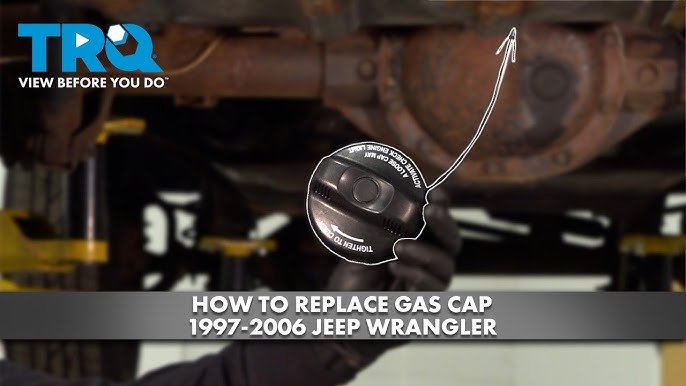
When And Why To Replace Your Gas Cap
A worn or damaged gas cap can cause fuel smells, poor mileage, or dashboard warnings. Replace your cap if you notice:
- Cracks, chips, or broken seals
- Difficulty tightening or loosening
- Persistent check engine light after re-tightening
Most replacements cost $10 $30, and installation takes just a minute. Always choose a cap that matches your Wrangler’s year and model.
Here’s a comparison of common gas cap materials:
| Material | Pros | Cons |
|---|---|---|
| Plastic (OEM) | Lightweight, affordable, corrosion-proof | Less durable, easier to cross-thread |
| Metal (aftermarket) | Very durable, stylish options | Heavier, can corrode if uncoated |
| Composite/locking | Extra security, often weatherproof | More expensive, need key management |
If you’re interested in more about emissions and how gas caps fit into vehicle safety, the Wikipedia EVAP page offers a solid overview.
Extra Tips For Jeep Wrangler Owners
- Check for recalls: Some Jeep gas caps or filler necks have been recalled for leaks. Check your VIN on Jeep’s official recall page.
- Keep a spare cap: A spare gas cap in your glove box is cheap insurance.
- Tighten until you hear a click: This is a simple way to ensure a proper seal.
- Don’t use tools: Hand-tightening is always enough.
- Clean the threads: Dirt can damage the seal or make removal difficult. Wipe the cap and filler neck every few months.
Frequently Asked Questions
How Do I Know If My Jeep Wrangler Has A Capless Fuel System?
Most 2018 and newer Wranglers (JL models) use a capless fuel system. Open your fuel door and look—if you see a spring-loaded flap instead of a screw-on cap, you have the capless type. Your owner’s manual will also specify the design.
What Should I Do If My “check Engine” Light Comes On After Removing The Gas Cap?
First, make sure the cap is replaced correctly and tightened until it clicks. Drive for a few days.
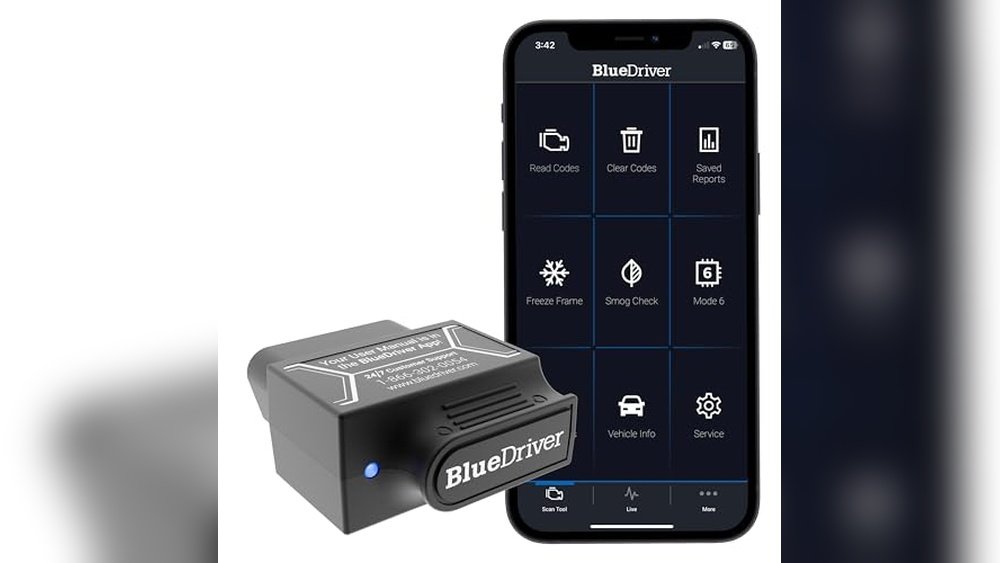
If the light stays on, have your vehicle scanned for codes. Sometimes the system takes several drive cycles to reset if the cap was loose.
Can I Use Any Gas Cap, Or Does It Need To Be Jeep-specific?
It’s best to use a Jeep-approved gas cap for your model year. Aftermarket caps may not always fit or seal properly, which can trigger warning lights or fail emissions tests. Always check compatibility before buying.
Is It Safe To Drive Without A Gas Cap?
Driving without a gas cap isn’t recommended. You risk letting dirt, water, or fumes into your fuel system. In some states, you can even get a ticket for missing a cap. Use a temporary cover only if you must and replace the cap as soon as possible.
Why Does My Gas Cap Keep Getting Stuck?
A stuck cap usually means it’s overtightened or the threads are dirty. Only tighten until you hear one click, and clean the threads regularly.
If the problem continues, it might be time for a new cap.
Removing your Jeep Wrangler gas cap doesn’t have to be a hassle. With the right steps and a little care, you’ll avoid common problems and keep your Jeep running smoothly. Remember, a good seal protects your engine, saves fuel, and helps the environment—all from a part that costs less than a tank of gas.