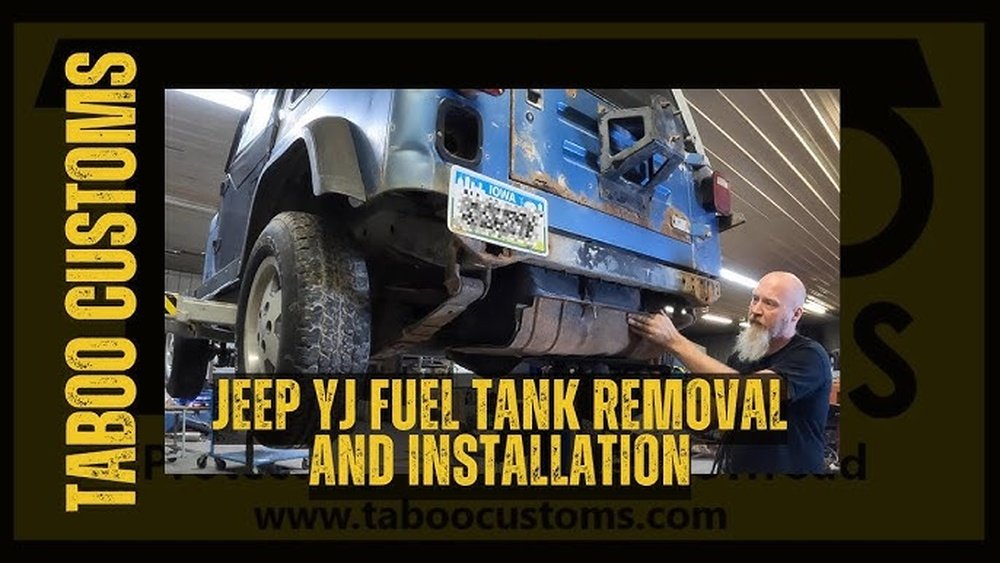
Removing the fuel tank from a Jeep YJ is not just a simple task—it demands patience, the right tools, and careful planning. Whether you need to replace a leaking tank, upgrade for off-road use, or inspect the fuel pump, doing it yourself can save money and help you understand your vehicle better. This guide will walk you through the process step-by-step, highlight common mistakes, and share practical tips most beginners overlook.
Tools And Materials Needed
Before starting, gather these essential items:
- Socket set (preferably metric)
- Screwdrivers (flathead and Phillips)
- Jack and jack stands
- Penetrating oil (like WD-40)
- Safety glasses and gloves
- Drain pan
- Fuel line disconnect tool (optional but helpful)
- Replacement hoses and clamps (if needed)
Having everything ready reduces frustration and avoids delays. Many people forget about penetrating oil—it really helps loosen old, rusty bolts.
Preparation And Safety
Always work in a well-ventilated area. Gas fumes are dangerous. If you can, do the job outside or in a garage with the door open. Make sure the Jeep is parked on a flat surface. Disconnect the negative battery cable to prevent sparks.
Next, reduce the amount of fuel in the tank. If possible, drive until nearly empty or use a siphon pump to remove excess gas. Less weight makes the tank easier to handle and safer.
Removing The Fuel Tank: Step-by-step
Follow these steps for a smoother removal:
1. Raise The Jeep
Use a jack to lift the rear of the Jeep. Place jack stands securely under the frame, not the axle. Always double-check stability before crawling underneath.
2. Remove The Rear Skid Plate
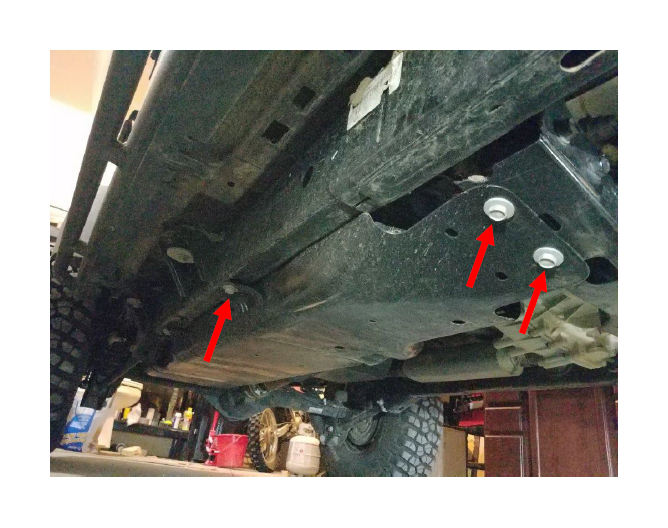
Most YJs have a skid plate protecting the fuel tank. Spray all bolts with penetrating oil and let it sit for a few minutes. Remove the bolts with your socket set. Keep track of each bolt—they can be different lengths.
3. Disconnect Fuel Lines And Electrical Connections
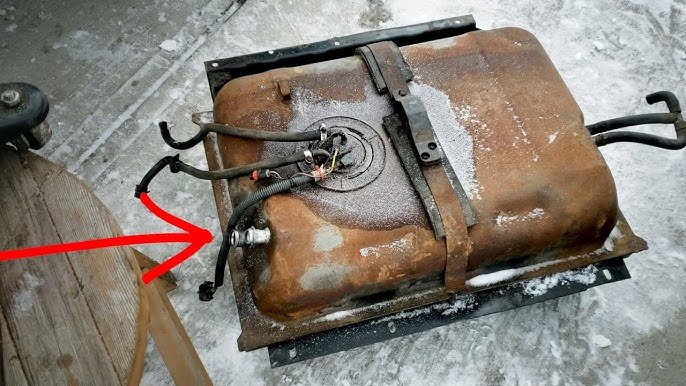
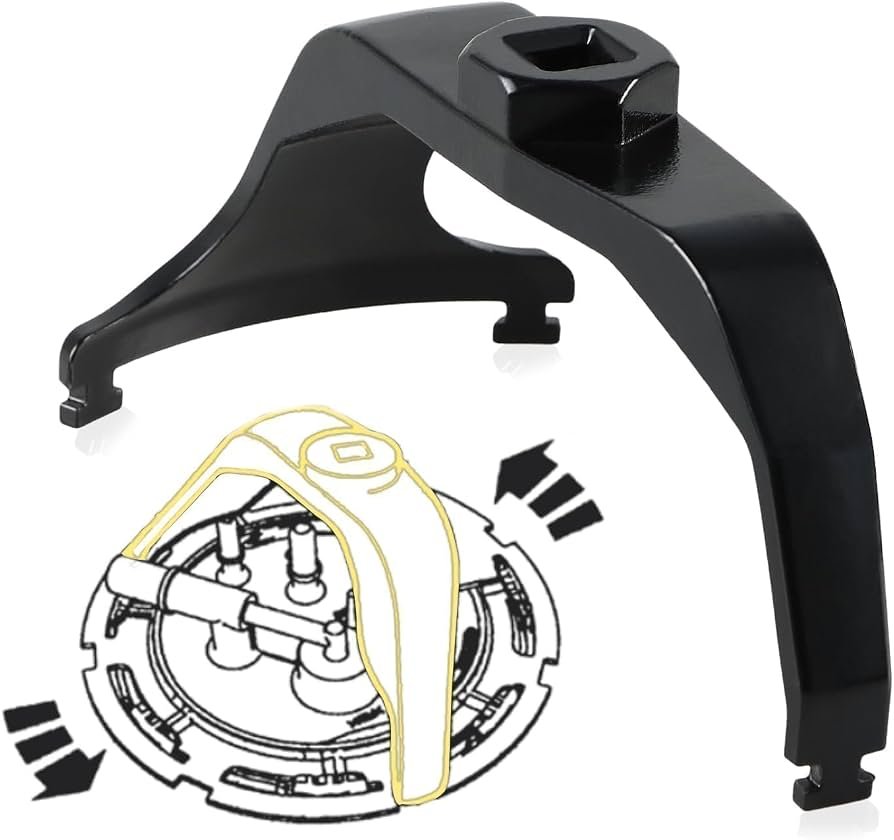
Locate the fuel lines and electrical connectors on top of the tank. Use a fuel line disconnect tool if needed. If you don’t have one, gently twist and pull the hoses—avoid using too much force. Disconnect the electrical connector for the fuel pump and sending unit.
4. Remove Vent And Filler Hoses
These are larger hoses connecting the tank to the filler neck. Loosen the clamps with a screwdriver and slide the hoses off.
Sometimes they stick use a little penetrating oil or wiggle them side-to-side.
5. Remove Tank Mounting Bolts
The tank itself is held by several bolts. Spray them with penetrating oil and loosen them one by one.
Support the tank with your jack or a helper, as it may drop when the last bolt is removed.
6. Lower And Remove The Tank
Slowly lower the tank. Check for any remaining connections.
Once clear, slide the tank out from under the Jeep.
Here’s a quick comparison of tank removal difficulty based on Jeep model:
| Jeep Model | Average Removal Time | Common Challenges |
|---|---|---|
| YJ | 1.5–2 hours | Rusty bolts, tight hoses |
| TJ | 1–1.5 hours | Electrical connector access |
| CJ | 2+ hours | Older, more corrosion |
Practical Tips And Non-obvious Insights
Many beginners miss these details:
- Label hoses and connectors before removal. Use masking tape or a marker. This makes reinstallation easier and prevents mistakes.
- If bolts are stuck, tapping them gently with a hammer after applying penetrating oil can help break them loose.
- Inspect hoses and clamps for wear. Replacing old parts now prevents leaks later.
- Keep a fire extinguisher nearby. Gasoline is highly flammable.
- If your Jeep has aftermarket parts (like larger tanks or custom skid plates), expect extra steps or modified hardware.
Reinstallation Overview
Putting the tank back is the reverse process, but pay close attention to:
- Torque specs: Overtightening can crack plastic tanks or strip threads.
- Sealing hoses: Ensure all hose connections are tight to avoid leaks.
- Electrical connections: Double-check all plugs and wires before reconnecting the battery.
Here’s a simple comparison of hose types you might encounter:
| Hose Type | Material | Durability |
|---|---|---|
| Factory rubber | Rubber | 5-8 years |
| Aftermarket braided | Braided nylon | 10+ years |
| Steel-braided | Steel/rubber | 15+ years |
Common Mistakes To Avoid
- Forgetting to drain the tank—makes removal heavy and risky.
- Not labeling wires and hoses—leads to confusion during reinstallation.
- Rushing through rusty bolts—can cause breakage or injury.
- Not checking for hidden connections—some YJs have extra vent lines.
- Skipping safety steps—always disconnect the battery and use safety gear.
Cost And Time Estimate
On average, removing a Jeep YJ fuel tank costs between $0–$50 if you do it yourself (mostly for new hoses or clamps). Labor at a shop can run $200–$400. Most DIYers finish in about 2 hours if bolts and hoses cooperate. If the tank is full or bolts are rusty, expect extra time.
Here’s a quick estimate breakdown:
| Task | DIY Cost | Shop Cost | Time Needed |
|---|---|---|---|
| Tank Removal | $0–$50 | $200–$400 | 1.5–2 hours |
| Tank Reinstallation | $0–$50 | $150–$350 | 1–1.5 hours |
Final Thoughts
Removing the fuel tank on a Jeep YJ is a manageable project for most DIYers. The key is preparation—get the right tools, work safely, and label everything. Don’t rush, especially if you’re new to vehicle repairs. This job not only helps you fix problems but also gives you more confidence working on your Jeep. If you need more details on fuel system repairs, the Wikipedia Fuel Tank page offers helpful background.
Frequently Asked Questions
How Much Fuel Should Be Left In The Tank Before Removal?
It’s best to leave the tank as empty as possible. Less fuel means less weight and lowers the risk of spills. Use a siphon pump if needed.
Can I Reuse Old Hoses And Clamps?
You can reuse them if they are in good condition, but it’s safer to replace old or worn hoses and clamps. Rubber parts often crack after years.
What If The Bolts Are Too Rusty To Remove?
Apply penetrating oil and wait 15 30 minutes. If they still won't budge, gently tap with a hammer or use a breaker bar.
In extreme cases, cut them off and replace.
Do I Need To Remove The Rear Wheels?
No, removing the rear wheels is not necessary. Raising the Jeep with a jack gives enough access.
Removing wheels can help in some cases but is optional.
Is It Safe To Do This Job Alone?
It’s possible, but having a helper makes it safer, especially when lowering or lifting the tank. Always use proper safety gear and precautions.


















