If your Jeep suddenly loses power and won’t shift properly, you might be dealing with limp mode. This is a safety feature that protects the engine and transmission when something is wrong.
Limp mode can be frustrating, especially if you don’t know what caused it or how to fix it. In this article, you’ll learn how to get your Jeep out of limp mode, common causes, and how to prevent it in the future.
Understanding Limp Mode
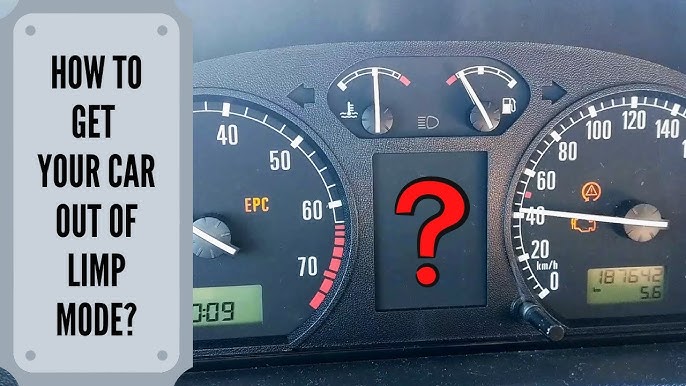
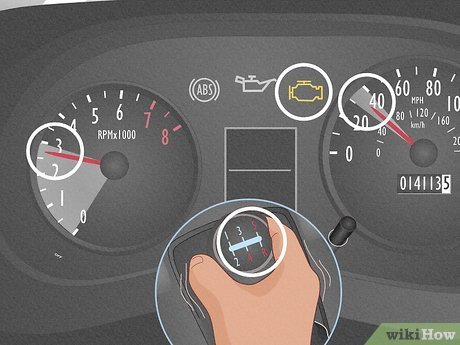
Limp mode is designed to protect your Jeep’s engine or transmission from damage. When the vehicle’s computer detects a critical problem, it limits power and restricts shifting. You might notice your Jeep won’t go faster than 30–40 mph, and the transmission won’t shift above second or third gear.
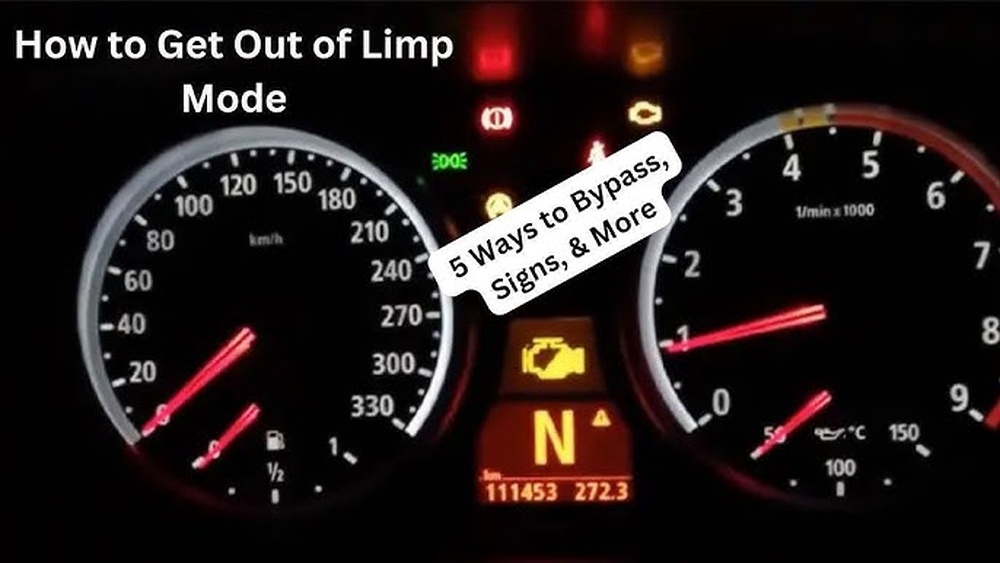
Here’s a quick comparison of normal vs limp mode operation:
| Feature | Normal Mode | Limp Mode |
|---|---|---|
| Max Speed | Up to 120 mph | 30–40 mph |
| Transmission Shifts | All gears | Limited to 2nd/3rd |
| Check Engine Light | Off | On |
Common Causes Of Limp Mode In Jeeps
Your Jeep can enter limp mode for many reasons. Some are simple, while others may need professional help.
- Transmission problems: Faulty sensors, low fluid, or slipping gears.
- Engine sensor issues: Malfunctioning throttle position, mass airflow, or oxygen sensors.
- Electrical faults: Damaged wiring, blown fuses, or weak battery.
- Overheating: Excessive engine or transmission temperature.
- Low fluid levels: Transmission or engine oil below recommended levels.
Older Jeep models often enter limp mode due to transmission issues, while newer models rely on more sensors, making electrical faults common.
How To Get Your Jeep Out Of Limp Mode
If your Jeep is stuck in limp mode, follow these practical steps. Many issues can be solved without a trip to the mechanic.
Step 1: Pull Over Safely
Stop your Jeep in a safe area as soon as possible. Continuing to drive can cause more damage.
Step 2: Restart The Engine
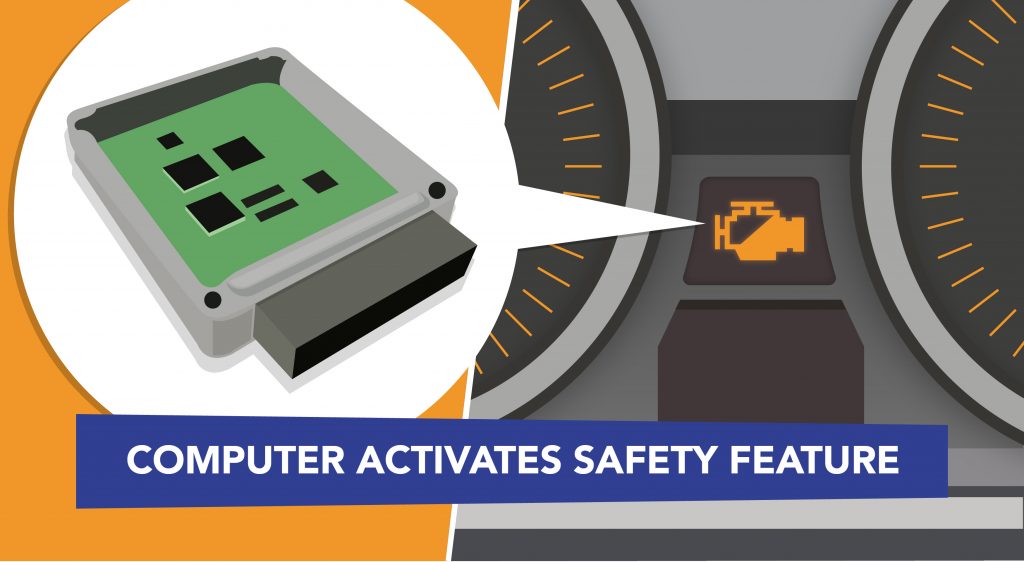
Turn off the ignition and wait at least 60 seconds. Restarting sometimes resets the computer.
If limp mode disappears, drive carefully and monitor for warning lights.
Step 3: Check Fluid Levels
Low transmission fluid or engine oil can trigger limp mode. Check fluid levels using the dipstick. Top up if needed, but only use fluids recommended in your Jeep’s manual.
Step 4: Inspect For Obvious Faults
Look for loose or damaged wires, blown fuses, or disconnected sensors. Make sure battery terminals are clean and tight.
Step 5: Scan For Error Codes
Use an OBD-II scanner to read error codes from your Jeep’s computer. Many auto parts stores offer free scanning. Write down the codes and search for their meaning online or in your vehicle manual.
Here’s a quick guide to common codes:
| Code | Problem | Action |
|---|---|---|
| P0700 | Transmission Control System | Check transmission wiring/fluid |
| P0123 | Throttle Position Sensor | Inspect/replace sensor |
| P0562 | Low Battery Voltage | Charge/replace battery |
Step 6: Clear Error Codes
After fixing any problems, use the scanner to clear codes. This may reset limp mode.
If the code returns immediately, the problem isn’t fixed.
Step 7: Seek Professional Help
If limp mode remains, or you can’t find the issue, take your Jeep to a trusted mechanic. Specialized tools and knowledge may be needed.
Real-world Example
A 2015 Jeep Grand Cherokee owner experienced limp mode after heavy rain. The OBD-II scanner showed a P0700 code. The mechanic found water in the transmission wiring harness. After drying and resealing the harness, the Jeep returned to normal.
This example shows that environmental factors, like water intrusion, can trigger limp mode and are often missed by beginners.
Prevention Tips
Avoiding limp mode is better than fixing it. Here are proven ways to keep your Jeep running smoothly:
- Regular maintenance: Change fluids, check sensors, and inspect wiring.
- Use quality parts: Cheap sensors and fluids can fail quickly.
- Avoid harsh driving: Sudden acceleration or towing heavy loads stresses the transmission.
- Protect from water: Seal wiring and avoid deep puddles.
Many Jeep owners overlook the importance of battery health. A weak battery can cause random electrical faults and trigger limp mode, especially in newer models with advanced electronics.
Cost And Time Estimates
Fixing limp mode can be quick or expensive, depending on the cause. Here’s a comparison:
| Fix | DIY Cost | Shop Cost | Time Required |
|---|---|---|---|
| Fluid top-up | $20–$40 | $50–$100 | 10–30 min |
| Sensor replacement | $40–$120 | $100–$300 | 30–60 min |
| Professional diagnosis | N/A | $80–$150 | 1–2 hours |
Many drivers spend more than necessary because they skip basic checks. Always start with fluid and battery inspections before paying for advanced diagnostics.
Frequently Asked Questions
Why Does My Jeep Keep Going Into Limp Mode?
Repeated limp mode often means an unresolved problem, like a faulty sensor, bad wiring, or low fluid. Ignoring codes can lead to expensive repairs.
Can I Drive My Jeep In Limp Mode?
Driving in limp mode is possible, but unsafe. The vehicle is limited and can stall or lose power unexpectedly. Get repairs as soon as possible.
How Do I Reset Limp Mode Without A Scanner?
You can try disconnecting the battery for 10 15 minutes, then reconnecting it. This may reset the computer.
However, this is temporary and doesn’t fix the underlying issue.
Is Limp Mode Always Caused By Transmission Issues?
No, limp mode can be triggered by engine sensors, electrical faults, overheating, or even water intrusion. Diagnosing the true cause is key.
Where Can I Learn More About Jeep Limp Mode?
For more technical details, visit the official Jeep website: Jeep Official Site.
Getting your Jeep out of limp mode doesn’t have to be stressful. By following these steps and understanding the causes, you can fix most issues quickly and avoid future problems.
Always stay proactive with maintenance, and don’t ignore warning signs.


















