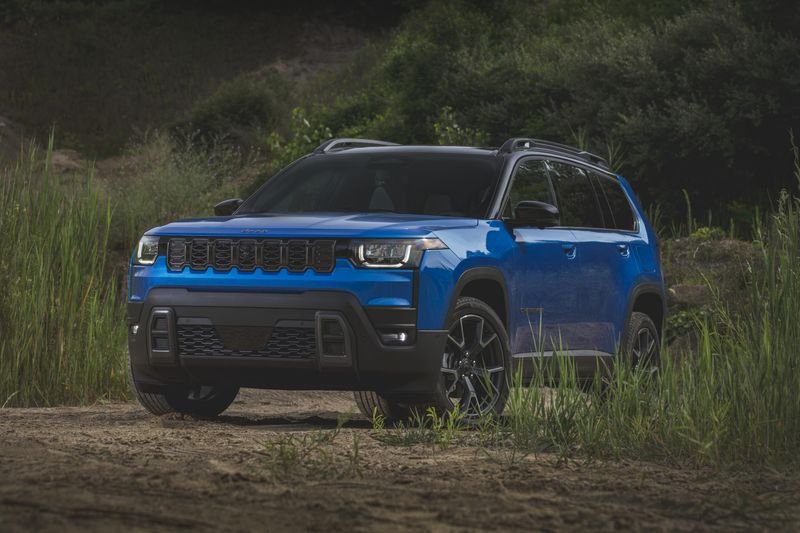
Changing the water pump on a Jeep Cherokee is a task that requires patience, the right tools, and careful attention to detail. The water pump is a vital component of your engine’s cooling system. When it fails, your engine can overheat quickly, leading to expensive damage. While the process may seem complex, with clear steps and a bit of preparation, most Jeep owners with basic mechanical skills can complete this repair at home. This guide will walk you through the process, provide practical tips, and highlight common mistakes to avoid.
Tools And Parts Needed
Having the right tools and parts makes the job smoother and helps prevent damage. Here’s what you’ll need:
- Socket set (metric and standard)
- Wrenches
- Pry bar
- Screwdrivers
- Drain pan
- Gasket scraper or razor blade
- Torque wrench
- Coolant (as specified for your Jeep)
- New water pump (OEM or high-quality aftermarket)
- New gasket or O-ring
- RTV sealant (if required for your model)
- Serpentine belt (recommended if the old one is worn)
Tool Comparison For Water Pump Replacement
| Tool | Purpose | Essential? |
|---|---|---|
| Socket Set | Remove bolts | Yes |
| Torque Wrench | Tighten bolts to spec | Strongly Recommended |
| Pry Bar | Loosen old pump | Optional |
Many first-timers overlook the torque wrench. Using one ensures you don’t overtighten bolts, which can crack the new pump or the engine.
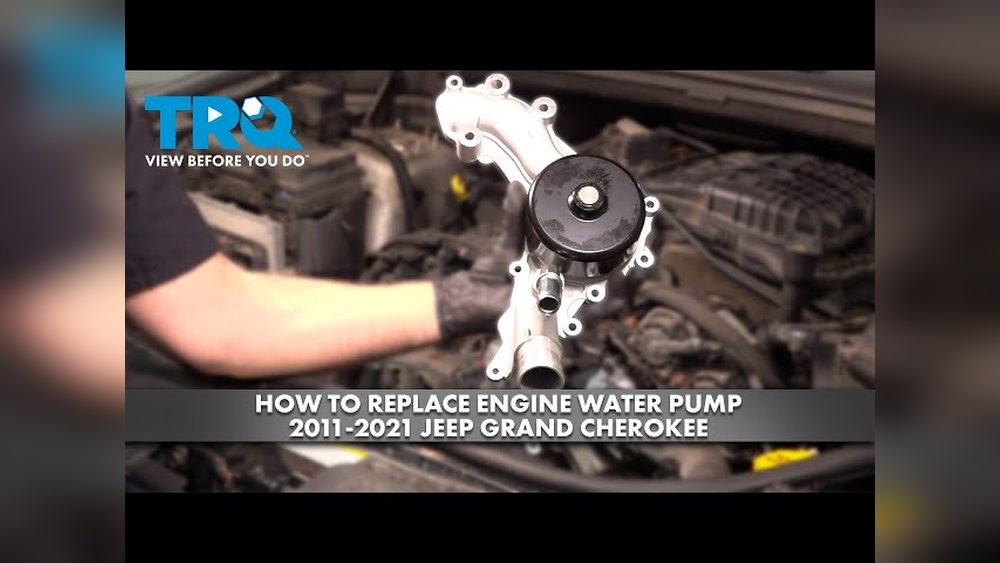
Removing The Old Water Pump
Before starting, make sure the engine is cold and the vehicle is parked on level ground. Disconnect the negative battery cable to prevent electrical shorts.
- Drain the coolant: Place the drain pan under the radiator, open the drain valve, and let the coolant flow out. Some Cherokees have a petcock valve; others require removing the lower radiator hose.
- Remove the serpentine belt: Use a wrench or socket to relieve tension from the belt tensioner, then slide the belt off the pulleys. Take a quick photo of the belt routing for reference.
- Disconnect hoses and accessories: Remove hoses attached to the water pump. Label each hose if you’re not sure where they go. Depending on your Jeep’s year, you may need to remove the fan clutch and fan shroud for better access.
- Remove mounting bolts: Carefully loosen and remove the bolts securing the water pump. Some bolts may be different lengths; keep them organized.
- Detach the old pump: You may need to tap the pump gently with a rubber mallet to break the seal.
Typical Time Required For Each Step
| Step | Estimated Time |
|---|---|
| Draining Coolant | 15 minutes |
| Removing Belt | 10 minutes |
| Disconnecting Hoses & Accessories | 20 minutes |
| Unbolting Pump | 15 minutes |
A common mistake is rushing the process. Take your time broken bolts or stripped threads can make the job much harder.
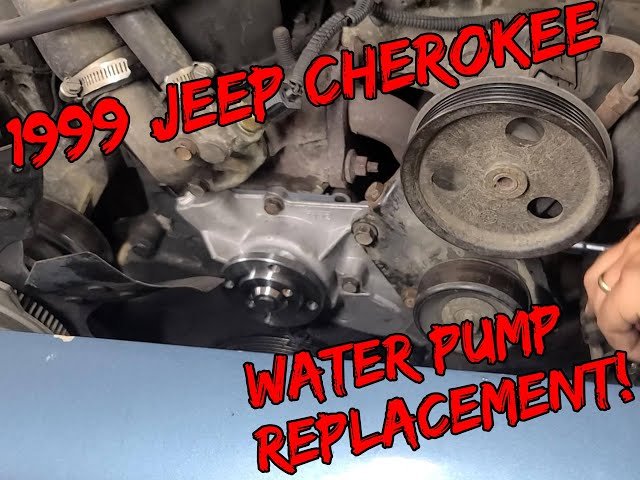
Installing The New Water Pump
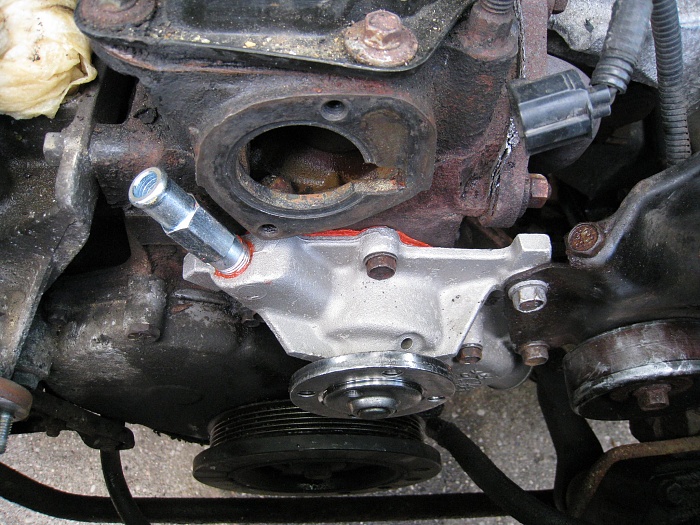
- Clean the surface: Use a gasket scraper or razor blade to remove all old gasket material from the engine block. Any leftover debris can cause leaks.
- Apply gasket or sealant: Install the new gasket or O-ring. Some pumps require a thin layer of RTV sealant; check your Jeep’s manual.
- Position the new pump: Align the pump and install bolts finger-tight. Use the torque wrench to tighten bolts to factory specifications, usually in a crisscross pattern.
- Reconnect hoses and accessories: Attach all hoses and reinstall any components you removed, such as the fan or shroud.
- Install the serpentine belt: Route the belt according to your reference photo. Double-check alignment before releasing the tensioner.
- Refill with coolant: Pour in the correct type and amount of coolant. Use a funnel to avoid spills.
- Reconnect the battery: Reattach the negative cable.
Torque Spec Comparison (jeep Cherokee Water Pump)
| Year | Torque Spec (ft-lbs) |
|---|---|
| 1997–2001 | 18–20 |
| 2002–2007 | 20–22 |
| 2008–2012 | 22–25 |
Check your Jeep’s service manual for the exact torque values. Overtightening is a common cause of gasket leaks.
Testing And Final Checks
After everything is reassembled, it’s time to test your work:
- Start the engine and let it idle.
- Watch for leaks around the water pump and hoses.
- Monitor the temperature gauge. The engine should warm up but not overheat.
- Once the thermostat opens, top off the coolant as needed.
- Check for strange noises. A whining sound could mean the belt is misaligned.
Many people forget to bleed air from the cooling system. Air pockets can cause overheating. Some Cherokee models have a bleed screw, but you can also squeeze the upper radiator hose gently to help air escape.
Common Mistakes To Avoid
- Not cleaning the gasket surface fully: Even a small bit of old gasket can cause a leak.
- Mixing up bolts: Some bolts are longer than others. Mixing them up can crack the pump or block.
- Skipping the belt inspection: If your serpentine belt is cracked or glazed, replace it now to avoid future problems.
- Using the wrong coolant: Always use the type recommended for your Jeep.
When To Call A Professional
If you break a bolt, see continuous leaks, or the temperature gauge continues to rise after installation, it’s wise to consult a mechanic. Water pump replacement is within reach for most DIYers, but sometimes experience makes all the difference.
Frequently Asked Questions
How Do I Know My Jeep Cherokee Water Pump Is Failing?
Common signs include coolant leaks under the front of your vehicle, a whining noise from the pump area, or frequent engine overheating. In some cases, you may see steam from the radiator or low coolant levels.
Can I Drive My Jeep Cherokee With A Bad Water Pump?
It’s not recommended. A failing water pump can cause engine overheating, which may lead to a blown head gasket or severe engine damage. If you suspect a problem, address it as soon as possible.
How Much Does It Cost To Replace A Water Pump On A Jeep Cherokee?
DIY replacement typically costs $50–$150 for parts. A professional repair may range from $300–$700 depending on labor rates and your Jeep’s model year. For more details, check out the official Jeep Maintenance Guide.
What Type Of Coolant Should I Use After Replacing The Water Pump?
Always use the coolant type specified in your Jeep’s manual. Using the wrong type can cause corrosion or reduced cooling efficiency.
Do I Need Special Tools To Change The Water Pump?
Most of the tools are common, such as a socket set and wrenches. A torque wrench is highly recommended to ensure proper tightness. Some models may require a pulley removal tool or special fan clutch tool, but not always.
Replacing your Jeep Cherokee’s water pump is a rewarding DIY job that can save you money and improve your understanding of the vehicle. With care, the right tools, and patience, you’ll keep your Jeep running cool and strong for years to come.