Removing a chrome clad wheel cover from a Jeep can seem confusing if you haven’t done it before. Many people think these covers are simple hubcaps, but they are actually attached differently and require careful handling.
Whether you want to repair, replace, or just clean your wheels, understanding the right way to remove the chrome clad cover is essential.
Doing this wrong can damage the wheel, cost you more money, or even affect your Jeep’s performance. This guide will walk you through everything you need to know from tools, steps, and common mistakes, to expert tips and safety advice.
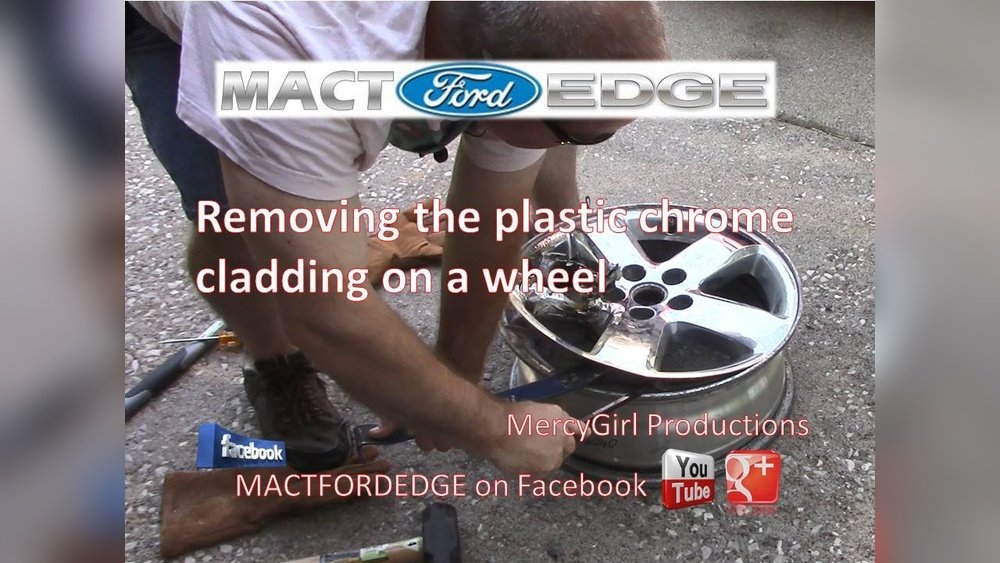
Understanding Chrome Clad Wheel Covers
The chrome clad wheel cover is not a traditional hubcap. It’s a thin, shiny plastic layer bonded directly onto the wheel, giving it a chrome look. Jeep uses these covers on several models, including the Grand Cherokee and Wrangler, to provide a stylish finish without the weight and cost of real chrome wheels. Unlike hubcaps, chrome clad covers are often attached with adhesive or plastic tabs and are meant to look permanent.
Why Remove Chrome Clad Covers?
There are several reasons you might want to remove the cover:
- Damage: Scratches, dents, or peeling chrome.
- Cleaning: Dirt and brake dust can collect behind the cover.
- Customization: Painting or replacing with a new style.
- Maintenance: Inspecting for rust or corrosion underneath.
Removing the cover is a delicate process. Rushing or using the wrong tools can break the cover, damage the wheel, or even cause injury.
Tools And Materials Needed
To safely remove a chrome clad wheel cover from your Jeep, you’ll need the right tools. Some are common garage items, while others are more specialized.
- Flathead screwdriver – For gently prying up the cover.
- Plastic trim removal tool – Reduces the risk of scratching the wheel.
- Gloves – Protect your hands from sharp edges.
- Rag or towel – To place under tools and prevent scratches.
- Socket wrench – If removal involves bolts or nuts.
- WD-40 or similar lubricant – Helps loosen stuck covers.
- Protective eyewear – Safety first.
These tools ensure you don’t damage the wheel or cover, and keep the process efficient.
Step-by-step Removal Guide
Follow these steps for a safe and effective removal. Each step includes advice to avoid common mistakes and save time.
1. Prepare Your Jeep
Park your Jeep on a flat surface. Engage the parking brake.
If possible, lift the wheel off the ground using a jack and secure with jack stands. This makes it easier to access the cover and prevents the Jeep from moving.
2. Clean The Wheel Area
Use a rag to remove dirt, mud, or brake dust from around the cover. Clean surfaces help you see attachment points clearly and reduce the risk of scratching.
3. Locate Attachment Points
Chrome clad covers are usually attached with clips, tabs, or adhesive. Look for small gaps around the edge where you can insert a tool.
On some Jeep wheels, the cover is bonded with double-sided tape, while others use molded plastic tabs.
If you are unsure, check your Jeep’s manual or look up your model online.
4. Gently Pry The Cover
Start with the plastic trim tool. Insert it into a gap and gently twist. If you feel resistance, stop and try another spot. Avoid using too much force—chrome clad covers are fragile and can crack easily.
Switch to the flathead screwdriver for stubborn areas, but always place a towel between the tool and the wheel to avoid scratches.
5. Loosen Adhesive
If the cover is stuck with adhesive, spray a small amount of WD-40 or similar lubricant into the gap. Wait a few minutes, then try prying again. Be patient—forcing the cover can break it.
6. Work Around The Wheel
Move around the wheel, prying a little at each spot. Once all clips or tabs are loose, gently pull the cover away.
If it is still stuck, double-check for hidden fasteners or extra adhesive.
7. Remove The Cover
Once loose, lift the cover off completely. Place it on a soft surface to prevent scratches.
Inspect the wheel for damage, rust, or leftover adhesive. Clean as needed.
8. Inspect And Clean
After removal, check the wheel for corrosion, cracks, or other issues. Use a mild cleaner to wipe off any sticky residue.
If you plan to reinstall or replace the cover, make sure the wheel is dry and clean.
Practical Tips For Success
Removing a chrome clad cover is not just about tools and steps. Real-world experience makes a big difference.
- Don’t rush: Take your time. Most damage happens when people hurry.
- Use plastic tools: Metal tools scratch chrome and paint easily.
- Check for hidden fasteners: Some covers have small bolts or extra clips.
- Avoid cold weather: Covers and adhesives are more brittle when cold.
- Store covers safely: If you plan to reuse, keep them in a dust-free area.
One thing beginners often miss is the importance of temperature. Warm covers are less likely to crack.
Another is that some Jeep wheels use a combination of clips and adhesive, not just one or the other.
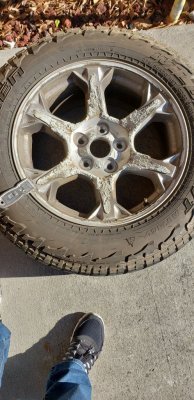
Chrome Clad Vs. Traditional Hubcaps
Many people confuse chrome clad covers with hubcaps. Here’s how they differ:
| Feature | Chrome Clad Cover | Hubcap |
|---|---|---|
| Attachment | Bonded or clipped to wheel | Snaps onto wheel rim |
| Material | Plastic with chrome finish | Metal or plastic |
| Removal Difficulty | Medium to hard | Easy |
| Risk of Damage | High if not careful | Low |
As you can see, chrome clad covers require more care during removal. Knowing the difference helps you choose the right tools and approach.
Common Problems And Solutions
Removing chrome clad covers can lead to several issues. Here’s how to deal with them:
- Cracked Cover: If the cover cracks, it cannot be repaired. You must replace it.
- Scratched Wheel: Always use a towel and plastic tools. If scratched, touch up paint may help.
- Stuck Adhesive: Use a safe remover like WD-40. Avoid harsh chemicals.
- Broken Clips: Replacement covers usually come with new clips. Don’t try to reuse damaged ones.
- Wheel Corrosion: After removal, clean and treat any rust to prevent further damage.
One non-obvious insight: Many Jeep owners damage their wheel sensors while removing covers. Always check for sensor wires behind the wheel before prying.
Safety Advice
Wheel cover removal is simple, but there are safety risks. Follow these tips:
- Wear gloves and eye protection.
- Never work under a vehicle without proper jack stands.
- Don’t use excessive force—it’s better to try multiple spots than to pry hard.
- Keep children and pets away from your work area.
If you are unsure about any step, consult a mechanic or Jeep dealership. A mistake can cost more than a professional removal.
Reinstalling Or Replacing Chrome Clad Covers
If you want to reinstall the cover, make sure all clips and adhesive are intact. Clean the wheel thoroughly.
If replacing, buy covers designed for your Jeep model. Check fit and alignment before pressing the new cover in place.
Comparing Aftermarket Vs. Oem Covers
Choosing between aftermarket and OEM (original equipment manufacturer) covers depends on your needs.
| Type | Fit Quality | Durability | Price Range |
|---|---|---|---|
| OEM | Excellent | High | $100–$250 |
| Aftermarket | Varies | Medium | $40–$120 |
OEM covers cost more but fit perfectly and last longer. Aftermarket covers are cheaper but may not match the original look or fit as well.
Signs You Need A New Wheel Cover
Sometimes, removal shows that replacement is necessary. Watch for these signs:
- Peeling chrome
- Broken tabs or clips
- Large cracks or dents
- Fading or discoloration
- Loose fit after reinstalling
Replacing covers is a good way to refresh your Jeep’s appearance and protect the wheel.
Expert Advice And Extra Tips
Jeep mechanics suggest these extra tips:
- Heat up the cover with a hairdryer before removal. This softens adhesive and reduces cracking risk.
- Use two tools: One to pry, one to support. This spreads pressure and avoids bending.
- Check wheel alignment after reinstalling covers. Sometimes removal affects balance.
- Inspect TPMS sensors: The Tire Pressure Monitoring System sensors are fragile and expensive.
- Record the process: Take photos as you remove each clip or tab. This helps with reinstallation.
One overlooked detail: If you plan to repaint the wheel, remove the cover completely and sand the wheel well. Many people paint over covers, which flakes quickly.
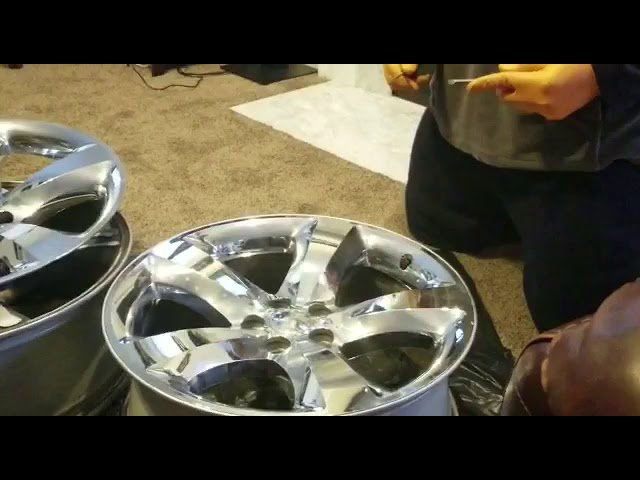
Where To Find Replacement Covers
You can buy replacement chrome clad covers from Jeep dealerships, auto parts stores, or online. Always check compatibility with your model and year.
High-quality covers usually come with clear instructions and new clips.
For reliable information and buying options, visit Jeep Official Accessories.
Frequently Asked Questions
Can I Remove The Chrome Clad Cover Without Damaging It?
Yes, but it requires patience and the right tools. Use plastic trim tools, work slowly, and avoid cold temperatures.
If the cover is already cracked or peeling, removal may cause more damage.
Are Chrome Clad Covers Reusable After Removal?
If removed carefully and not damaged, some covers can be reused. Check for broken clips or adhesive.
If the cover is warped or cracked, it should be replaced.
How Do I Know If My Jeep Has Chrome Clad Covers?
Look for a shiny, plastic-like finish on the wheel. Chrome clad covers are usually bonded to aluminum wheels and do not snap off easily like hubcaps. Your owner’s manual or dealership can confirm.
Will Removing The Cover Affect My Jeep’s Warranty?
Usually, removal does not void the warranty unless you damage the wheel or sensors during the process. Always check your warranty terms or ask your dealer before starting.
Can I Use Any Chrome Clad Cover For My Jeep?
No. Wheel covers are model and size specific.
Using the wrong cover can cause fit and alignment problems. Always buy covers designed for your Jeep’s exact model and year.
Removing a chrome clad wheel cover from your Jeep is a task that rewards careful planning and patience. With the right tools and knowledge, you can avoid damage, save money, and keep your Jeep looking sharp.
Whether you’re repairing, customizing, or just cleaning, these steps and tips will help you succeed.
Remember, rushing leads to mistakes take your time and your Jeep’s wheels will thank you.