If you own a Jeep, you know the thrill of driving with the top off. Removing the top lets you enjoy the sun, fresh air, and adventure. But taking off a Jeep top can seem tricky, especially if you’re new to it. Whether your Jeep has a soft top or a hard top, learning the right steps makes the process smooth and safe. This guide gives clear instructions, helpful tips, and expert advice so you can remove your Jeep top confidently.
Understanding Jeep Tops
Before you start, it’s important to know which type of top your Jeep has. Most Jeep Wranglers come with either a hard top (made of fiberglass) or a soft top (fabric material). Some models offer a power top, but manual removal is the most common.
| Top Type | Material | Removal Difficulty | Weight |
|---|---|---|---|
| Hard Top | Fiberglass | Moderate | 80-150 lbs |
| Soft Top | Fabric | Easy | 20-40 lbs |
Hard tops offer better protection and insulation, while soft tops are easier to handle and store. Knowing your top type helps you choose the right tools and techniques.

Tools And Preparation
Removing a Jeep top is easier with the proper tools and planning. Here’s what you’ll need:
- Torx bit set (usually size T40/T50 for hard tops)
- Ratchet or wrench
- Storage bags (for bolts and panels)
- Helper (for hard tops, due to weight)
- Flat surface (for safety)
Check your owner’s manual for exact tool sizes. Most Jeep hard tops require Torx bolts, while soft tops use latches and straps.
Step-by-step: Removing A Hard Top
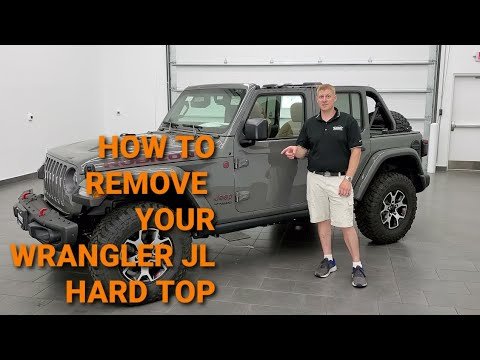
Taking off a Jeep hard top needs patience and care. Follow these steps:
1. Remove The Freedom Panels
If your Jeep has removable front panels, unlock the latches and lift them out first. Place them in a soft bag to avoid scratches.
2. Disconnect Electrical And Washer Connections
Some hard tops have rear defrost or wiper connections. Unplug these gently to avoid damage.
3. Unscrew The Bolts
Locate the bolts around the rear and sides of the top. Use your Torx bit and ratchet to loosen and remove them. Keep bolts in a safe bag.
4. Lift The Hard Top
With a helper, carefully lift the hard top straight up and away from the Jeep. Avoid tilting or dragging the top.
5. Store The Top Safely
Place the hard top on a flat surface or special rack. Hard tops can weigh over 100 pounds, so avoid storing them on uneven ground.
| Step | Time (Approx.) | Difficulty |
|---|---|---|
| Remove Panels | 5 min | Easy |
| Disconnect Wires | 3 min | Easy |
| Unscrew Bolts | 10 min | Moderate |
| Lift Top | 5 min | Moderate |
| Store Top | 2 min | Easy |
Step-by-step: Removing A Soft Top
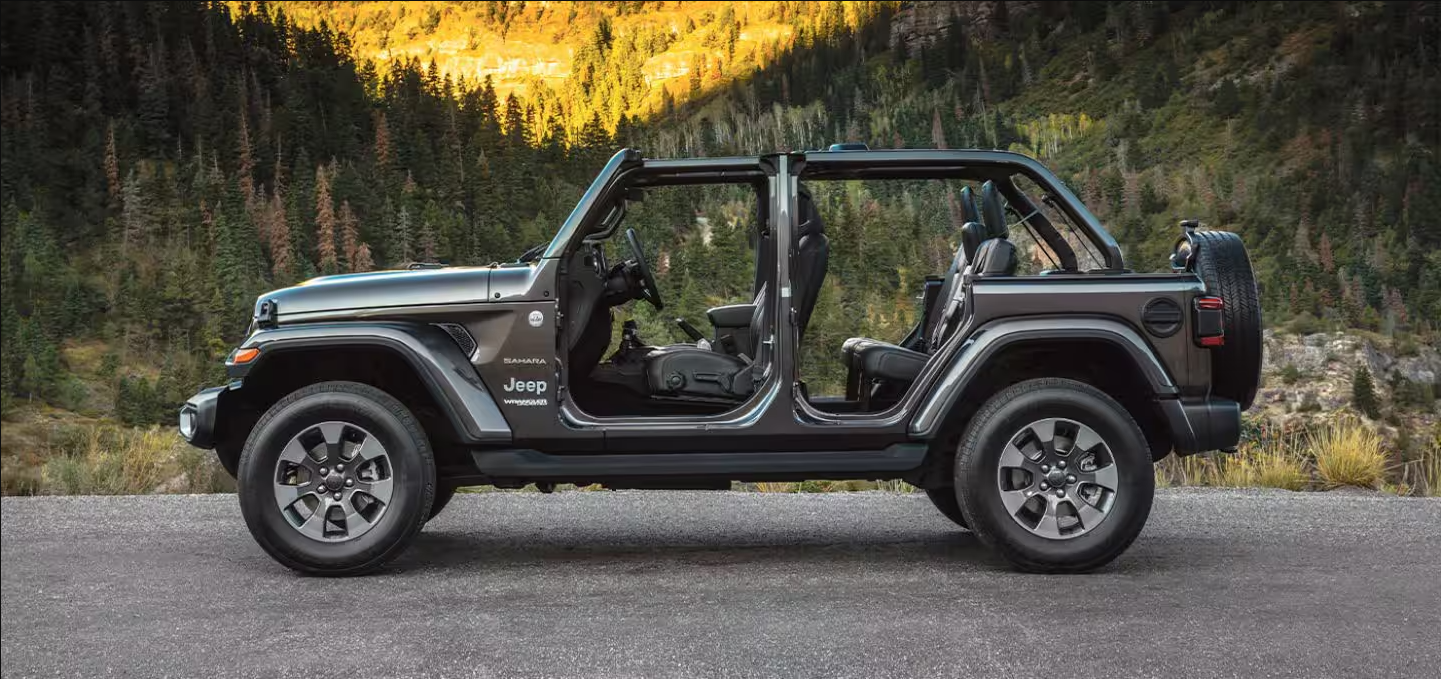
Soft tops are lighter and simpler to remove. Here’s how:
1. Unclip The Front Latches
Open the latches above the windshield.
2. Release The Side And Rear Windows
Zip off or unclip the side and rear windows. Store them flat to prevent bending.
3. Fold Back The Soft Top
Push the top toward the rear of the Jeep. Fold it neatly or remove it completely if needed.
4. Secure The Hardware
Keep all latches, straps, and windows in a dry place.
Most Jeep owners can remove a soft top in less than 10 minutes. It’s important not to force zippers, as they can break easily.
Common Mistakes To Avoid
Many beginners make mistakes that cause damage or frustration. Here are key things to watch for:
- Losing bolts or hardware – Always keep small parts in labeled bags.
- Forcing panels or zippers – If something sticks, check for missed latches or bolts.
- Storing tops on rough surfaces – Hard tops can crack, and soft tops can tear.
- Not unplugging wires – Electrical connections break easily if pulled.
- Removing the top alone – Hard tops are heavy; always ask for help.
Practical Tips For Easy Removal
- Mark bolt locations with tape if you’re new to the process.
- Use a lift system for hard tops if you plan to remove it often.
- Clean the top before storing to avoid dust and mold.
- Keep the Jeep parked on a level surface for safety.
- Avoid removing the top in windy conditions.
Many Jeep owners overlook cleaning the seals and checking for wear. This helps prevent leaks and makes reinstalling easier.
Comparing Hard Top Vs. Soft Top Removal
Understanding the difference in removal helps you plan better.
| Feature | Hard Top | Soft Top |
|---|---|---|
| Removal Time | 20-30 min | 10-15 min |
| Tools Needed | Torx set, ratchet | None/Hand |
| Helper Needed | Yes | No |
| Storage Space | Large | Small |
Many Jeep owners switch between tops seasonally. Hard tops are best for winter, while soft tops work great in summer.
Safety And Storage Advice
After removing your Jeep top, store it carefully:
- Hard tops should be placed on padded surfaces or special racks.
- Soft tops and windows should be kept flat and away from sunlight.
- Avoid stacking items on top of Jeep tops to prevent cracks or tears.
- Check seals and hardware before reinstalling.
For more details on Jeep top maintenance, visit the official Jeep website.
Frequently Asked Questions
How Long Does It Take To Remove A Jeep Hard Top?
Most people take 20–30 minutes to remove a hard top, especially if it’s their first time. With practice, it becomes faster.
Can One Person Remove A Jeep Hard Top Alone?
It’s possible, but not recommended. The top is heavy and awkward, so a helper is safer. Some people use a garage lift system for solo removal.
Do I Need Special Tools To Remove A Jeep Top?
Hard tops need a Torx bit set and ratchet. Soft tops usually require no tools, just your hands. Always check your Jeep’s manual for exact sizes.
Will Removing The Top Affect My Jeep Warranty?
Removing the top does not void the warranty, as Jeep designs tops for easy removal. However, any damage caused during removal is not covered.
How Should I Store My Jeep Top?
Hard tops need a flat, padded surface or a special storage rack. Soft tops should be kept dry and out of sunlight. Always protect windows from scratches.
Removing your Jeep top is a rewarding experience. It gives you a sense of freedom and makes your Jeep even more fun to drive.
With the steps and tips above, you can do it safely and quickly. Remember to plan ahead, use the right tools, and always store your top with care.
Enjoy the open road and the unique Jeep lifestyle.