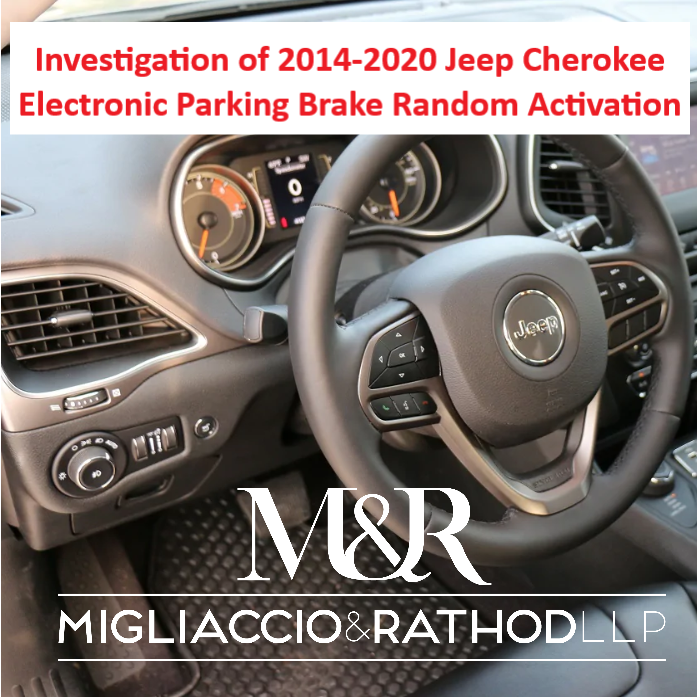
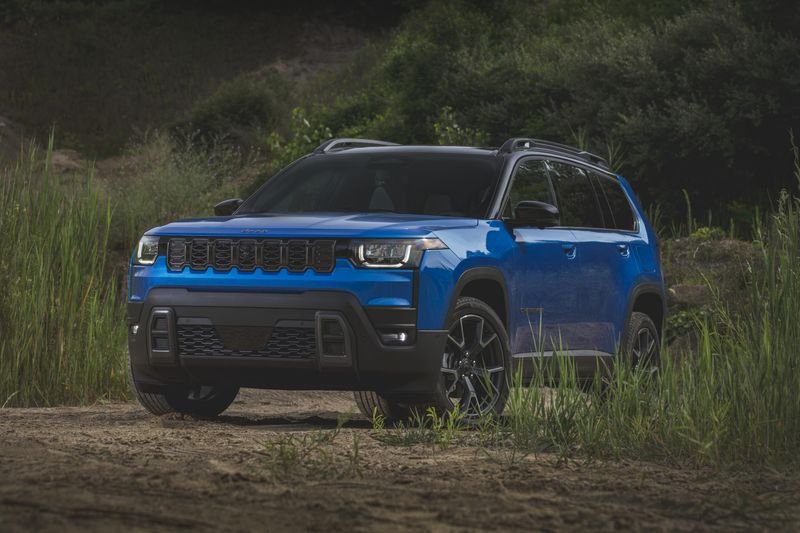
Releasing the parking brake on a Jeep Cherokee seems simple, but many owners run into trouble. If the brake won’t release, or you’re unsure about the system, this guide will help you avoid mistakes and keep your Cherokee safe. Whether you drive an older model with a manual lever or a newer Jeep with an electronic system, knowing the right steps and common issues can save you time and money.
Understanding Parking Brake Types
The Jeep Cherokee has used different parking brake systems over the years. Knowing which one is in your vehicle is the first step to releasing it correctly.
| Model Year | Brake Type | Activation Method |
|---|---|---|
| 1995-2013 | Manual | Foot pedal or hand lever |
| 2014-Present | Electronic | Push-button |
Manual brakes use a lever or pedal. You press or pull to set the brake and release it with a handle or by pressing again. Electronic brakes are controlled by a button and may need the ignition to be ON. Some models even auto-release when you drive.
How To Release Manual Parking Brake
Older Jeep Cherokee models (before 2014) typically use a manual system. Follow these steps:
- Locate the lever or pedal. For most Cherokees, the parking brake is a foot pedal on the left side, or a hand lever between the front seats.
- Press the brake pedal (if foot type). Push firmly until you hear a click—this means the brake is engaged.
- Release the brake. For foot pedals, pull the release handle (usually under the dashboard). For hand levers, press the button on the end and lower the lever slowly.
- Check the brake light. The indicator on your dashboard should turn off when the brake is fully released.
Many drivers forget to check if the brake light goes off. If it stays on, the brake may still be engaged. Ignoring this can cause brake wear and poor fuel economy.
| Step | Action | Tip |
|---|---|---|
| 1 | Locate lever/pedal | Usually left side or center console |
| 2 | Press pedal or pull lever | Listen for click |
| 3 | Release with handle/button | Do slowly to avoid damage |
| 4 | Check indicator light | Should turn off |
How To Release Electronic Parking Brake
Newer Jeep Cherokee models (2014 and later) use an electronic parking brake. The process is a bit different:
- Turn ignition ON. Most electronic systems need the car to be powered.
- Press the brake pedal. This is a safety feature to prevent accidental release.
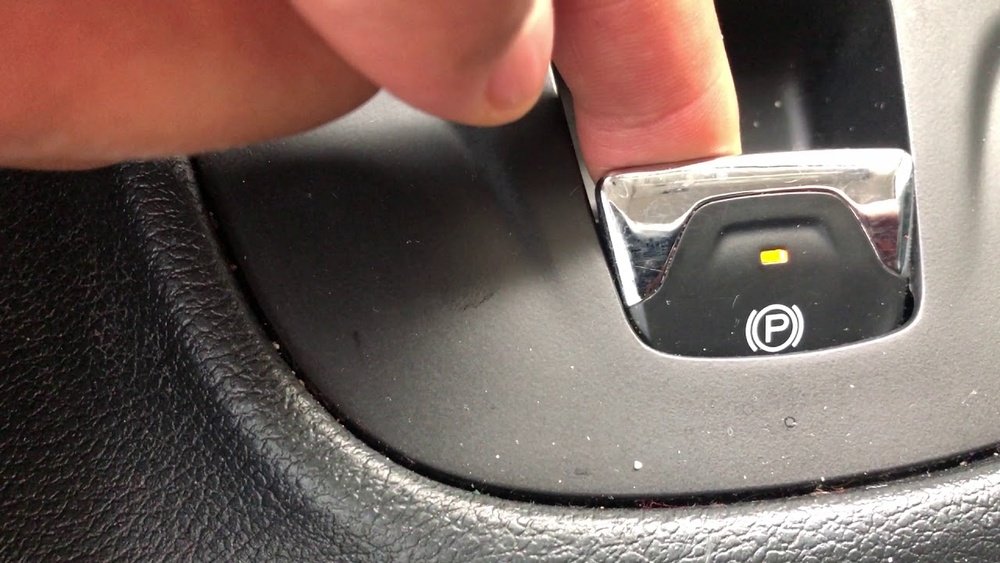
- Push the parking brake button down. The button is usually near the gear shifter.
- Wait for the brake light to turn off. The indicator should go off once the brake releases.
Electronic brakes can be tricky if the battery is dead or the system malfunctions. In these cases, consult the owner’s manual or contact a mechanic. Some Cherokees have a manual override, but it’s not always easy to access.
Practical Example
Suppose you park your 2021 Jeep Cherokee and set the electronic brake. When you want to leave, turn the ignition ON, press the brake pedal, and push the parking brake button.
If the light stays on, double-check that the pedal is firmly pressed and the car is in Park.
If it still won’t release, a low battery or system error may be the cause.
Common Problems And Solutions
Many owners face issues with sticky brakes or warning lights. Here’s what to watch for:
- Brake won’t release: Check battery voltage. Electronic systems need enough power.
- Brake light stays on: Inspect for worn cables or faulty sensors.
- Manual lever feels loose: Cable may be stretched or disconnected.
- Strange noises: Could indicate rust or broken parts.
Ignoring these signs can lead to expensive repairs. If you notice any of these, get your Cherokee checked by a professional.

Tips For Safe Use
Using the parking brake the right way extends its life and keeps your Jeep safe. Here are some tips:
- Always release the brake fully before driving.
- Don’t force the lever or button—if it resists, check for issues.
- Use the parking brake even on flat surfaces to prevent movement.
- If parking for a long time, check the brake after a few days to make sure it hasn’t stuck.
One common mistake is forgetting to release the brake before moving. This can cause overheating and damage the brake system.
| Do | Don’t |
|---|---|
| Release brake before driving | Drive with brake engaged |
| Use brake regularly | Ignore warning lights |
| Check brake for wear | Force stuck levers/buttons |
Non-obvious Insights
Many Jeep Cherokee owners don’t realize that:
- Cold weather can cause the parking brake to freeze. If this happens, warm the area or let the vehicle sit until the brake releases naturally.
- Electronic brakes may auto-release when you shift from Park to Drive, but only if all safety conditions are met (seatbelt, doors closed). If the system senses a problem, it will not release.

When To Seek Help
If the parking brake won’t release after following all steps, don’t force it. Forcing manual levers or buttons can cause more damage. Contact your local Jeep service center or check the official Jeep website for guidance. For deeper technical info, visit Jeep Owner’s Manuals.
Frequently Asked Questions
How Do I Know If The Parking Brake Is Fully Released?
Check the dashboard indicator light. If it’s off, the brake is released. Also, the car should roll freely if you’re parked on a slope.
What Should I Do If My Electronic Parking Brake Won’t Release?
First, check the battery and make sure the ignition is ON. If it still won’t release, try the manual override (see your owner’s manual) or contact a mechanic.
Can I Drive With The Parking Brake Partially Engaged?
No. Driving with the brake engaged can cause brake damage and reduce fuel efficiency. Always ensure the brake is fully released before moving.
Why Does My Parking Brake Stick In Cold Weather?
Moisture can freeze in the brake mechanism, especially in manual systems. If this happens, let the car warm up or gently tap the brake lever to loosen it.
How Often Should I Check My Parking Brake?
Check the parking brake monthly for smooth operation and listen for unusual noises. Inspect cables and buttons every time you service your Cherokee.
Releasing the parking brake on a Jeep Cherokee is easy once you know your system and follow the right steps. Take care of your brake, watch for warning signs, and never force stuck mechanisms.
By following these tips, you keep your Cherokee safe and avoid costly repairs.