If you drive a Jeep Grand Cherokee, understanding how to release the park brake is more than just a basic skill—it’s essential for safety and daily driving. This step can feel confusing, especially for those used to older vehicles or if you’re new to the Grand Cherokee’s unique features. With electronic systems, automatic holds, and different model years, what should be simple can sometimes become frustrating. This guide will make the process clear for everyone, covering both traditional and electronic park brakes, common mistakes, troubleshooting, and some insider tips you won’t find in the owner’s manual.
Understanding The Park Brake System In Jeep Grand Cherokee
Every Jeep Grand Cherokee comes with a parking brake system, but its design depends on the model year. Older models typically use a foot pedal, while newer models (especially from 2014 onward) have an Electronic Park Brake (EPB). The EPB is easier to use but has its own quirks.
Types Of Park Brake Systems
| Model Year | Park Brake Type | Release Method |
|---|---|---|
| Up to 2013 | Foot Pedal | Manual (handle or pedal) |
| 2014–present | Electronic Park Brake (EPB) | Button/Switch |
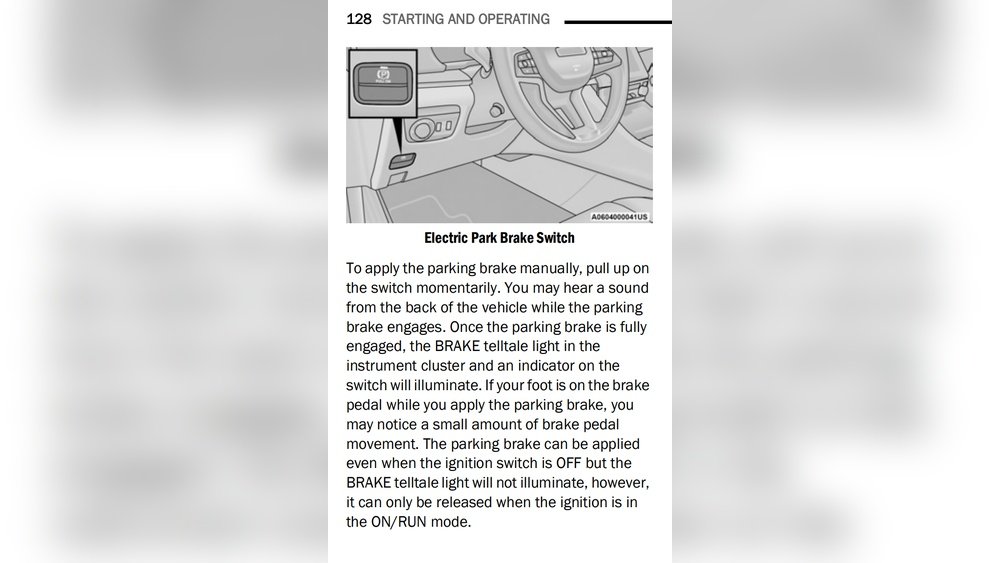
The foot pedal style is mechanical. You press with your foot to engage, and either press again or pull a handle to release. The EPB uses a button near the center console—just pull or push to activate or release.
Why The Park Brake Matters
The park brake (also called the parking brake or emergency brake) keeps your vehicle stationary when parked. It’s especially important on hills. Relying only on the “P” gear can damage your transmission over time. Using the park brake gives you double protection and is required by law in some areas.
How To Release Park Brake: Step-by-step For Different Models
Let’s break down the process by model type. Make sure your vehicle is stationary before releasing the park brake.
1. Foot Pedal Park Brake (older Models)
Most Grand Cherokees before 2014 use a foot-operated system.
Steps:
- Sit in the driver’s seat and close the door.
- Press the brake pedal with your right foot to keep the car from moving.
- Find the park brake pedal to the far left under the dashboard.
- Push the pedal fully down with your left foot to release tension.
- Let go—in some models, it will release automatically. In others, you may need to pull the park brake handle (usually under the dashboard or beside the driver’s seat) to release it.
- Check the dashboard light. The park brake warning light should turn off.
Pro tip: Some beginners forget to press the main brake pedal before trying to release the park brake. This can make the pedal hard to move and cause the vehicle to roll.
2. Electronic Park Brake (epb) – 2014 And Newer
The newer Grand Cherokee uses a small button or switch.
Steps:
- Turn the ignition ON (do not start the engine if just releasing the brake).
- Press the brake pedal with your foot.
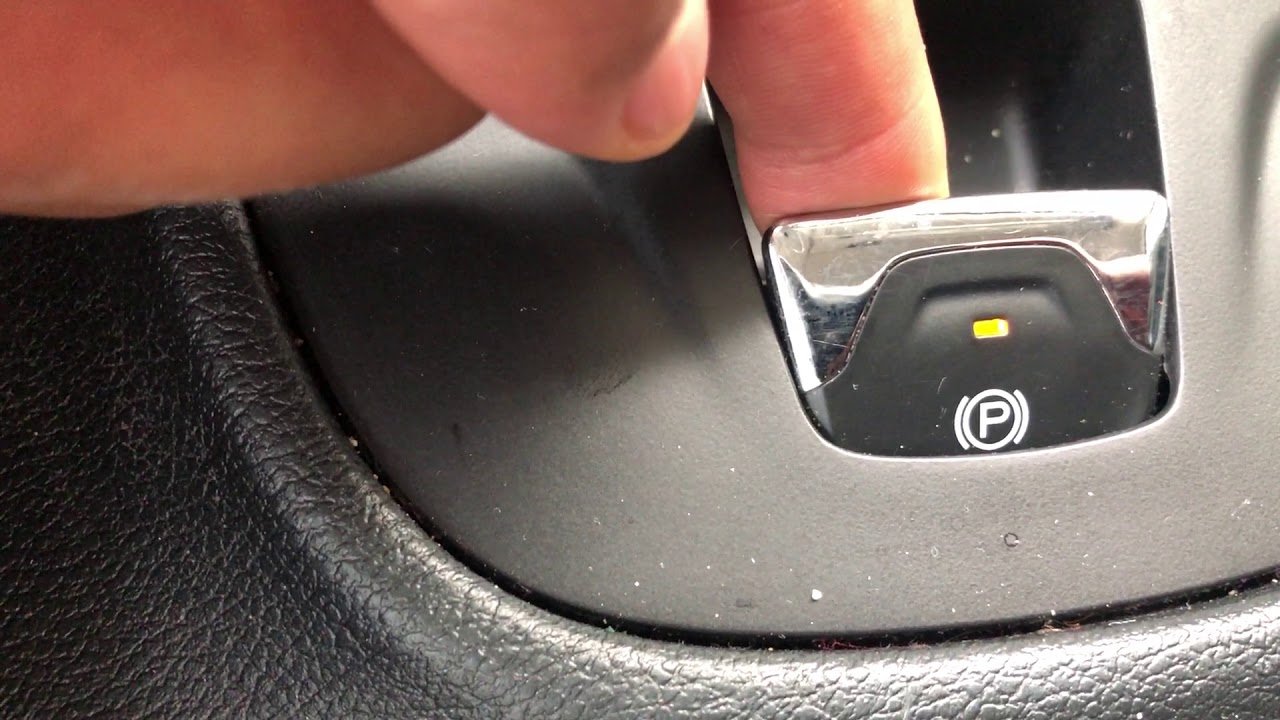
- Find the EPB button—it’s near the gear shifter or on the center console, marked with a “P” and a brake symbol.
- Push the EPB button down (or pull it up, depending on the model) while still pressing the brake pedal.
- Wait for the indicator light on the dashboard to turn off.
- Release the main brake pedal gently.
In most models, you’ll hear a slight motor sound as the system disengages.
3. Automatic Release Feature
Many 2014+ Grand Cherokees have an automatic release function:
- Buckle your seatbelt.
- Start the engine.
- Shift to “D” (Drive) or “R” (Reverse).
- Press the accelerator gently. The park brake will release by itself.
This feature is a time-saver, but it only works if your seatbelt is fastened and the door is closed. If either condition is not met, the brake may stay engaged.
Insider tip: If the auto-release doesn’t work, check if your battery is low. The EPB needs enough voltage to operate.
Troubleshooting: When The Park Brake Won’t Release
Sometimes the park brake can get stuck. This is frustrating, but there are ways to fix it.
Common Causes
| Problem | Possible Cause | Quick Fix |
|---|---|---|
| Foot pedal stuck | Rust, dirt, cable jam | Rock pedal gently, spray WD-40 |
| EPB won’t release | Low battery, electrical fault | Charge battery, check fuses |
| Warning light stays on | Brake not fully released | Press brake pedal, try again |
What To Do
- Turn off and restart the ignition. Sometimes, a simple reset fixes electronic glitches.
- Double-check your foot on the brake pedal. The EPB will not release unless you are pressing it firmly.
- Listen for noises. If you hear grinding, stop and get help. Forcing the brake can damage the system.
- For older models: If the pedal is stuck, try gently tapping it with your foot several times.
- For EPB: Make sure the vehicle battery is not weak. Use a voltmeter if you have one (should read over 12V with the car off).
If none of these steps work, consult your owner’s manual or contact a Jeep dealer. Never drive with the park brake engaged it can overheat and damage the rear brakes.
Common Mistakes To Avoid
Many new Jeep Grand Cherokee owners run into the same problems. Here are mistakes to avoid:
- Not pressing the main brake pedal. This is required for EPB and makes foot pedal release easier.
- Forgetting the seatbelt or open door. The automatic EPB release depends on these.
- Trying to release on a steep hill without holding the brake. The vehicle can roll, causing accidents.
- Ignoring dashboard warnings. If the park brake light stays on, don’t drive—check the system.
- Using excessive force. Forcing the park brake can break the mechanism, leading to expensive repairs.
Insider tip: If you park for a long time (weeks or months), release the park brake and use wheel chocks instead. Leaving the brake engaged can cause it to seize, especially in wet climates.
Comparison: Foot Pedal Vs Electronic Park Brake
It helps to know the main differences between the two systems in Jeep Grand Cherokee models.
| Feature | Foot Pedal | Electronic Park Brake (EPB) |
|---|---|---|
| Release Method | Manual (pedal/handle) | Button/Switch |
| Failsafe | Works without battery | Needs battery power |
| Maintenance | Easy, mechanical parts | More complex, sensors |
| Auto Release | No | Yes (most models) |
| Cost to Repair | Lower | Higher |
Safety Precautions When Releasing Park Brake
Safety is always a priority. Here are simple precautions to follow every time:
- Always press the brake pedal before releasing the park brake.
- Shift the gear to “P” before attempting to release.
- Avoid distractions—don’t use your phone or multitask during the process.
- Never force the mechanism if it doesn’t release easily.
- Park on level ground if possible, especially when learning.
- Check surroundings for children, pets, or obstacles before moving.
Many accidents happen because the vehicle moves unexpectedly when the park brake is released. Take a few extra seconds to double-check everything.

Special Cases: Winter, Towing, And Emergencies
The park brake system can behave differently in certain situations.
Winter And Cold Weather
In freezing temperatures, the cables or mechanisms may freeze. To avoid this:
- Release the park brake gently.
- Warm up the car for a few minutes.
- Tap the pedal or EPB button a few times to loosen it.
- Avoid using the park brake overnight if ice is expected.
Towing Your Jeep Grand Cherokee
When towing, always release the park brake completely. For models with EPB, there’s sometimes a special “neutral” mode for the transmission and park brake. Check your manual for the correct procedure.
Emergency Situations
If the park brake fails and won’t release:
- Do not drive.
- Call roadside assistance or a Jeep-certified mechanic.
- Use chocks to prevent rolling until help arrives.
Some models have a manual release cable for the EPB, hidden behind trim panels, but using it incorrectly can void your warranty.
Maintenance Tips For Long-lasting Park Brake Performance
Keeping your park brake in good condition saves money and headaches.
- Use it regularly. Engaging and releasing the park brake keeps cables and motors moving freely.
- Inspect for rust or dirt. Especially important in wet or snowy regions.
- Clean around the pedal or button. Dirt buildup can cause sticking.
- Check warning lights. Address any dashboard alerts quickly.
- Have the system inspected every 12 months or during routine brake service.
Non-obvious tip: For EPB models, avoid spilling drinks or food near the button. Liquids can short out the switch and cause expensive repairs.
When To Get Professional Help
Sometimes, DIY just isn’t enough. Seek a professional if:
- The park brake won’t release after several tries.
- You hear grinding, popping, or motor noises.
- There’s a persistent dashboard warning.
- You smell burning or see smoke near the rear wheels.
Jeep dealers have special diagnostic tools to reset or repair electronic systems. It’s better to spend on a quick fix than risk being stranded.
For more technical details, you can read the official guide on the Jeep Owner’s Website.
Frequently Asked Questions
How Do I Know If My Jeep Grand Cherokee Has An Electronic Park Brake?
Most Grand Cherokees from 2014 onward use an electronic park brake. Look for a small button with a “P” symbol near the gear shifter or on the center console. If you see a foot pedal on the far left under the dashboard, it’s a mechanical system.
Can I Release The Park Brake Without Turning On The Ignition?
No. For EPB models, the ignition must be ON (not necessarily the engine running) to supply power to the system.
For older foot pedal models, the ignition doesn’t matter.
Why Does My Park Brake Warning Light Stay On After I Release It?
This usually means the brake is not fully released or there’s a sensor issue. Try pressing the brake pedal and releasing the park brake again.
If the light stays on, have the system checked by a mechanic.
What Should I Do If The Electronic Park Brake Won’t Release?
First, check the car battery low voltage can prevent the system from working. Try restarting the car.
If it still won’t release, consult your dealer, as there may be an electrical or sensor problem.
Is It Safe To Drive If The Park Brake Is Partially Engaged?
No. Driving with the park brake on can overheat and damage the brake system, leading to expensive repairs. Always confirm the warning light is off before moving.
Releasing the park brake in your Jeep Grand Cherokee should become second nature with a little practice. By following these steps and tips, you’ll avoid common mistakes and keep your vehicle and your peace of mind safe.


















