Refilling a Jeep lighter can seem tricky if you’ve never done it before. Many people worry they might damage the lighter or make a mess.
But with the right steps, you can safely refill your Jeep lighter at home. This guide will help you understand what makes Jeep lighters unique, what supplies you need, and how to refill your lighter without problems.
You’ll also learn tips for avoiding common mistakes and making sure your lighter works perfectly after refilling. Even if English isn’t your first language, this article uses simple words, clear instructions, and helpful examples so you can follow every step confidently.
What Is A Jeep Lighter?
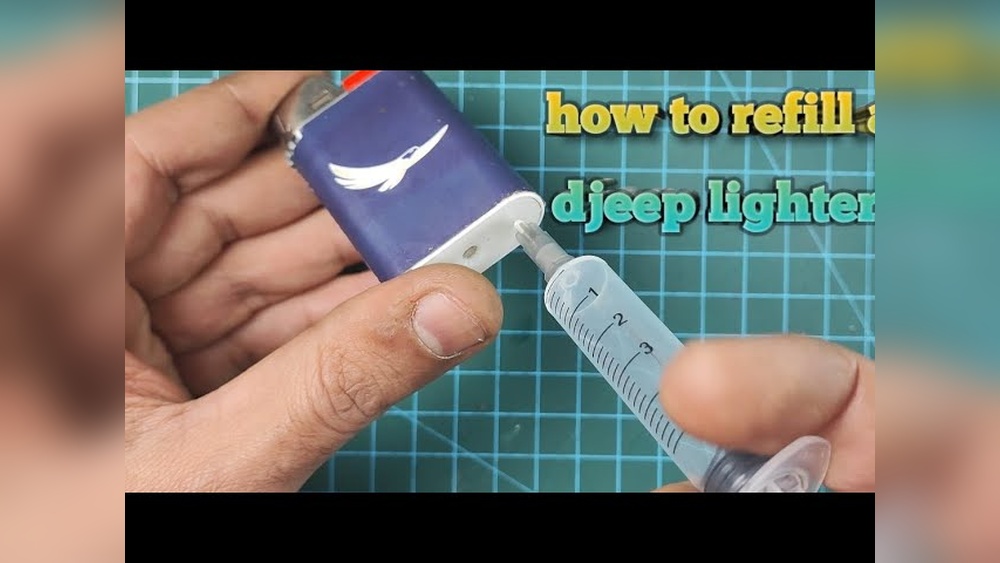
A Jeep lighter is a popular refillable lighter known for its windproof flame and rugged design. It looks similar to a Zippo but often has its own features and branding. Jeep lighters are used for outdoor activities, camping, or everyday use. The body is usually metal, making it durable. Many Jeep lighters use butane gas or lighter fluid as fuel, so knowing which type you have is important before refilling.
Jeep Lighter Types
There are two main types:
- Butane Jeep lighters – These use liquid butane gas. They often have a refill valve at the bottom.
- Petrol (lighter fluid) Jeep lighters – These use liquid lighter fluid, similar to classic Zippo lighters. You refill by opening the case and pouring in fluid.
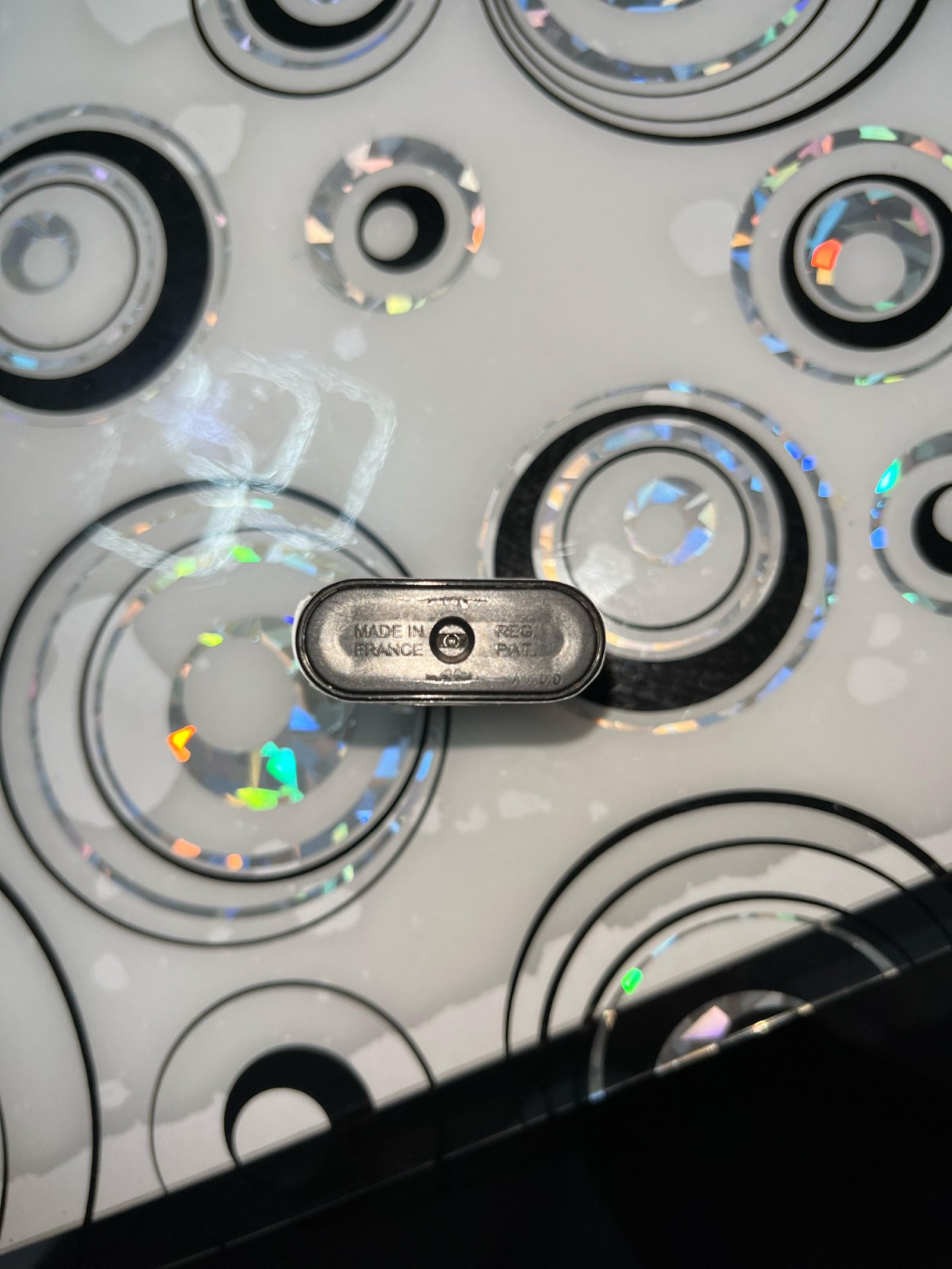
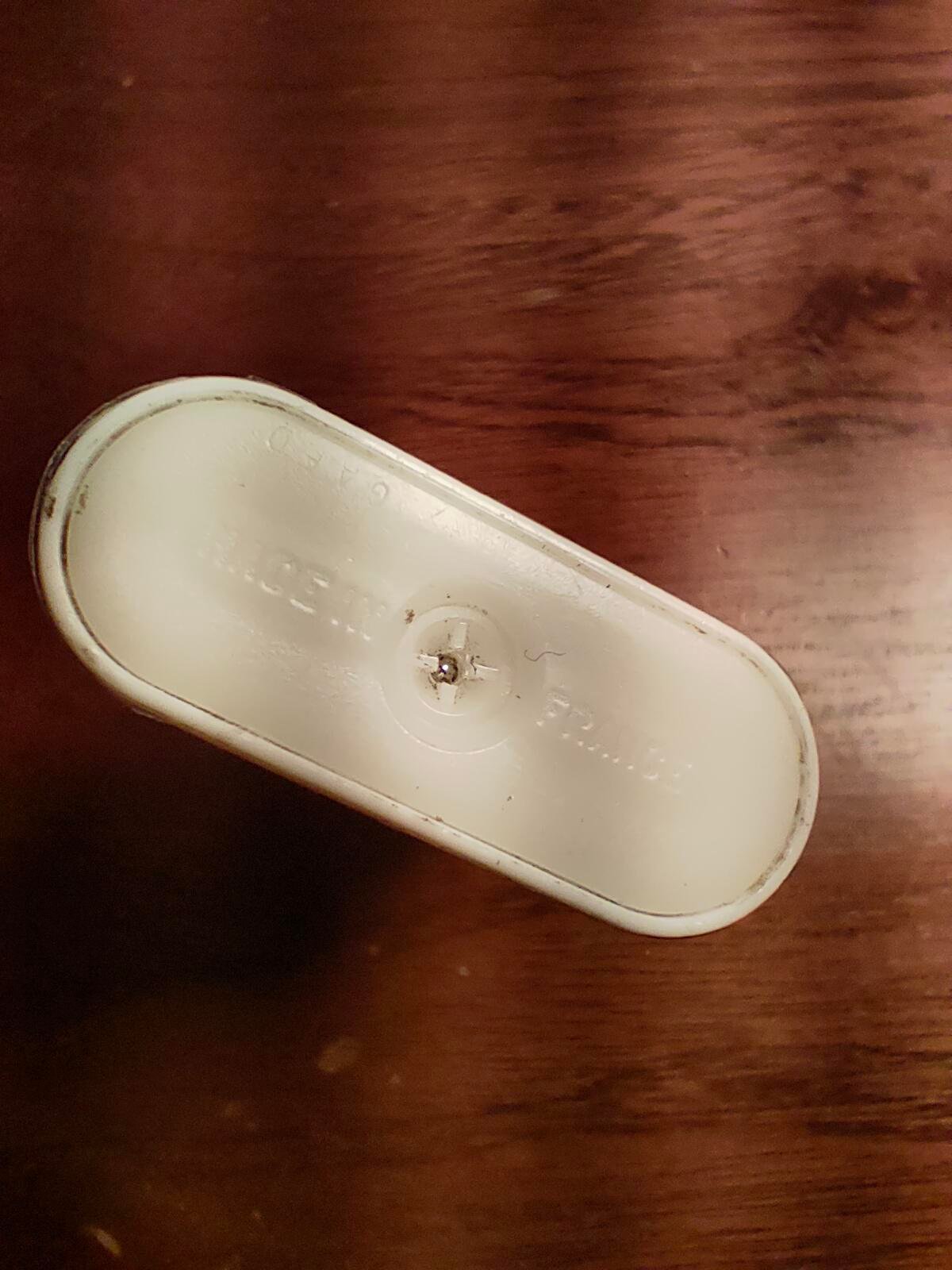
The refilling process is different for each type, so check your lighter first. If you’re unsure, look for a small metal valve or hole at the bottom (for butane), or a cotton pad inside (for fluid).
Why Refilling Correctly Matters
Refilling your Jeep lighter the right way keeps it safe and working well. If you refill incorrectly, you might:
- Damage the lighter’s parts
- Cause leaks or spills
- Make the flame unstable
- Waste fuel
A well-refilled lighter will last longer and give a steady flame when you need it. Also, proper refilling saves money compared to buying new lighters.
Many Jeep lighter owners ignore maintenance, but a few minutes can make a big difference.
Supplies You Need
Before you start, gather these items:
- Jeep lighter (empty or low on fuel)
- Refill fuel (butane canister or lighter fluid)
- Small screwdriver (for opening the lighter, if needed)
- Soft cloth or tissue (for cleaning spills)
- Cotton swabs (optional, for cleaning)
- Safety gloves (recommended)
- Ventilated area (refill outdoors or near open window)
Choose high-quality fuel from trusted brands. Cheap fuel can clog the lighter or make the flame weak.
Always read the instructions on your fuel container.
Checking Your Jeep Lighter Before Refilling
Take a minute to check your lighter:
- Look for cracks or damage
- Test the flame (if it lights, but is weak, it needs refilling)
- Smell for fuel leaks (if you notice a strong smell, clean the lighter first)
- Identify the refill type (butane or fluid)
If your lighter is dirty, wipe it with a soft cloth. If the flame is irregular, it may need cleaning as well as refilling.
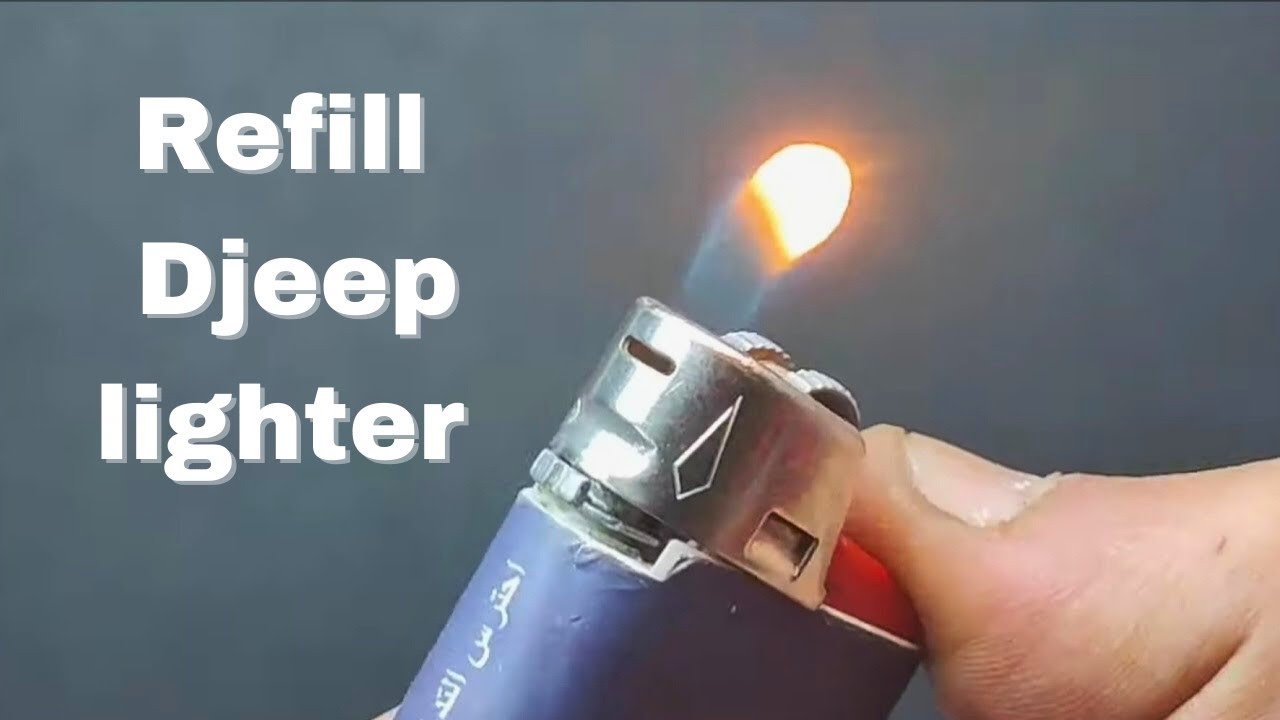
Step-by-step Guide: Refilling A Butane Jeep Lighter
Many Jeep lighters use butane, which is safe and easy to refill. Follow these steps for best results.
1. Prepare The Lighter
Make sure the lighter is cool and not recently used. Refilling a hot lighter can cause fuel to evaporate quickly and may be dangerous.
2. Release Old Gas (optional)
Some experts suggest releasing leftover gas before refilling. Hold the lighter upside down and use a small tool to press the refill valve.
You might hear a hiss. This removes air and old gas, making the refill smoother.
3. Align The Butane Canister
Shake the butane canister to mix the fuel. Hold the lighter upside down and align the nozzle of the canister with the refill valve.
This position prevents air from getting inside and allows full refilling.
4. Inject The Fuel
Press the nozzle firmly into the valve. Hold for about 5–10 seconds. Don’t overfill; stop if you see fuel leaking or hear bubbling.
5. Let The Lighter Rest
After refilling, let the lighter sit for 5–10 minutes. This allows any excess gas to evaporate and the fuel to settle. Don’t light it right away.
6. Test The Flame
Press the ignition. If the flame is strong, you’ve done it right.
If the flame is weak or doesn’t light, repeat the process. If you still have problems, check for clogs or damaged parts.
Step-by-step Guide: Refilling A Petrol Jeep Lighter
If your Jeep lighter uses lighter fluid, the process is different. Here’s how to do it safely.
1. Open The Lighter
Remove the lighter insert from the metal case. You’ll see a cotton pad or felt inside.
2. Locate The Filling Hole
On top of the cotton or felt, you’ll find a small hole. This is where you pour the fluid.
3. Add Lighter Fluid
Slowly pour lighter fluid into the hole. Stop when the cotton looks wet but not soaked. Overfilling can cause leaks.
4. Reassemble And Wait
Put the insert back into the case. Wait for 1–2 minutes to let excess fluid evaporate. Wipe off any spills.
5. Test The Flame
Light the Jeep lighter. If the flame is good, you’ve finished.
If not, add a little more fluid or check for blockages.
Comparison: Butane Vs. Fluid Jeep Lighters
Here’s a quick look at how butane and fluid Jeep lighters compare:
| Feature | Butane Jeep Lighter | Fluid Jeep Lighter |
|---|---|---|
| Refilling method | Valve injection | Pouring into cotton |
| Fuel type | Butane gas | Lighter fluid |
| Flame type | Jet or soft flame | Soft flame |
| Wind resistance | High | Medium |
| Maintenance | Clean valve | Replace cotton/flint |
| Common issues | Clogged valve | Overfilled cotton |
Practical Tips For A Perfect Refill
Many people miss these simple but important tips:
- Always refill in a well-ventilated place. Gas and fluid can harm you if inhaled.
- Don’t rush the refill. Quick refills can cause leaks or weak flame.
- Use high-quality fuel. Cheap fuel increases clogging and repairs.
- Clean the lighter after each refill. Dirt and dust affect performance.
- Store fuel away from heat or flames.
- Wear gloves to protect your skin from fuel spills.
Common Problems And Solutions
Even with good technique, issues can happen. Here are solutions to the most common problems:
Weak Or No Flame
- Check if you used the right fuel.
- Make sure you didn’t overfill.
- Try cleaning the nozzle or cotton.
Leaking Fuel
- Don’t overfill the lighter.
- Tighten all parts after refilling.
- Clean spills immediately.
Clogged Valve
- Use a cotton swab to gently clean the valve.
- Avoid using sharp tools that can damage the valve.
Strange Smell
- This means excess fuel. Let the lighter sit open for a few minutes.
- Always wipe the outside after refilling.
How Often Should You Refill?
Jeep lighters don’t last forever on one refill. How often you refill depends on:
- Usage frequency: Heavy users may refill every few days.
- Flame size: Bigger flames use more fuel.
- Fuel quality: Cheap fuel can evaporate faster.
On average, a full Jeep lighter lasts 1–2 weeks for regular use. Keep an eye on the flame strength and refill when needed.
Safety Precautions
Refilling lighters involves flammable materials. Follow these safety tips:
- Never refill near open flames or sparks.
- Keep fuel away from children.
- Wash your hands after refilling.
- If you spill fuel, clean it right away.
- Store fuel in a cool, dry place.
Most accidents happen because people ignore simple safety steps. Take a few extra seconds to stay safe.
Jeep Lighter Maintenance
A well-maintained Jeep lighter works better and lasts longer. Here’s how to care for your lighter:
- Clean the outside regularly.
- Check the valve or cotton for dirt.
- Replace the flint or wick if your lighter uses them.
- Don’t use damaged parts.
If your lighter is very old or doesn’t work after refilling, consider replacing the insert or buying a new lighter.
Data: Lighter Fuel Efficiency
How much fuel does a Jeep lighter use? Here’s a quick overview:
| Fuel Type | Average Refill Amount | Average Burn Time |
|---|---|---|
| Butane | 2–3 grams | 1–2 weeks |
| Fluid | 2–3 ml | 1–2 weeks |
These numbers are based on moderate use (lighting cigarettes or small fires). If you use your lighter more often or for bigger tasks, you’ll need to refill more frequently.
Expert Insights: What Beginners Often Miss
Most new users forget these details:
- Letting the lighter rest after refilling is important. If you light it too soon, the flame may be weak or the lighter may leak.
- Checking for air in the fuel chamber. Air pockets can stop the flame from lighting.
- Using too much force when inserting the butane canister. Gentle pressure works best.
- Sometimes, a lighter needs cleaning more than refilling. If your lighter doesn’t work after a refill, try cleaning the nozzle, valve, or cotton pad.
These small steps can make your lighter last longer and work better.
Real Example: Outdoor Jeep Lighter Use
Imagine you’re camping. You need to light a fire, but your Jeep lighter won’t work.
After refilling with butane using the steps above, you notice the flame is strong and windproof. You avoid spilling fuel by using a cloth and waiting before lighting.
This shows how following the correct refill steps makes a big difference, especially outdoors where you can’t easily replace a lighter.
Where To Find Jeep Lighter Fuel
Buy fuel from trusted stores or online. Always check the brand, read reviews, and avoid very cheap products. For more details on lighter fuel types and safety, you can check the Wikipedia page about lighters.
Frequently Asked Questions
How Do I Know Which Fuel My Jeep Lighter Uses?
Check the bottom of your lighter. If you see a small refill valve, it uses butane. If the inside has cotton or felt, it uses lighter fluid.
What If My Lighter Doesn’t Light After Refilling?
Try cleaning the nozzle or cotton pad. Make sure you used the correct fuel.
Let the lighter sit for a few minutes before trying again.
Is It Safe To Refill A Jeep Lighter At Home?
Yes, if you follow safety steps. Refill in a ventilated area, keep fuel away from flames, and wear gloves.
How Can I Avoid Overfilling?
Watch for leaks or bubbling while refilling. For fluid lighters, stop when the cotton is wet but not soaked.
For butane, press the canister for 5 10 seconds.
Can I Use Any Brand Of Fuel?
It’s best to use high-quality fuel from trusted brands. Cheap fuel can cause clogs or weak flames, and may damage your lighter.
Refilling a Jeep lighter isn’t hard once you know the steps. Take your time, use the right fuel, and follow safety tips.
With a little practice, your Jeep lighter will give you a reliable flame whenever you need it.