Recharging the AC in your 2016 Jeep Grand Cherokee is an important maintenance task, especially when summer heat makes driving uncomfortable. Many owners notice weak airflow, warm air, or odd smells when their air conditioner needs a recharge. If you want your AC to work efficiently again, understanding the process is key. With the right tools, a little care, and some knowledge, you can handle this task yourself. Let’s explore the steps, safety tips, and common mistakes, so you get your AC cool and fresh.
Signs Your Ac Needs A Recharge
Before starting, check if your Jeep Grand Cherokee AC really needs a recharge. Here are some signs:
- Warm air: AC blows warm instead of cold air.
- Low pressure: Airflow is weak, even at high settings.
- Compressor not engaging: You don’t hear the compressor clicking when AC is on.
- Visible leaks: Oil or refrigerant leaks under the hood.
If you notice these symptoms, your AC may be low on refrigerant.
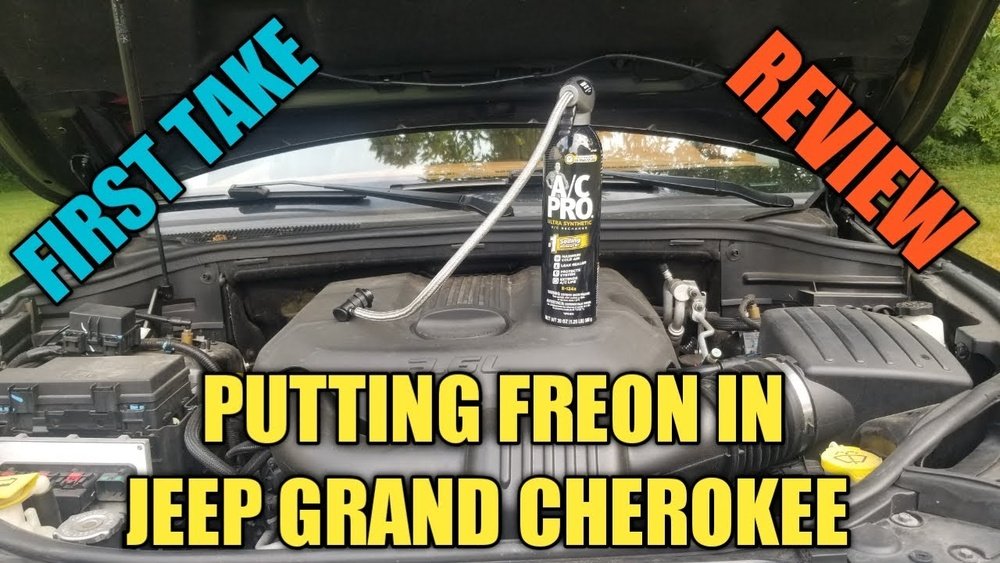
Tools And Materials Needed
To recharge your AC, gather these items:
- R-134a refrigerant (correct for 2016 Jeep Grand Cherokee)
- Pressure gauge kit
- Gloves and safety goggles
- AC recharge hose with quick connector
- Clean rags for wiping spills
Never use a different refrigerant. Mixing types can damage your AC.
| Tool/Material | Purpose |
|---|---|
| R-134a Refrigerant | Restores cooling power |
| Pressure Gauge | Monitors safe levels |
| Recharge Hose | Connects refrigerant to system |
| Gloves/Goggles | Protects hands and eyes |
Step-by-step Guide To Recharging Ac
Follow these steps carefully to recharge your Jeep’s AC safely.
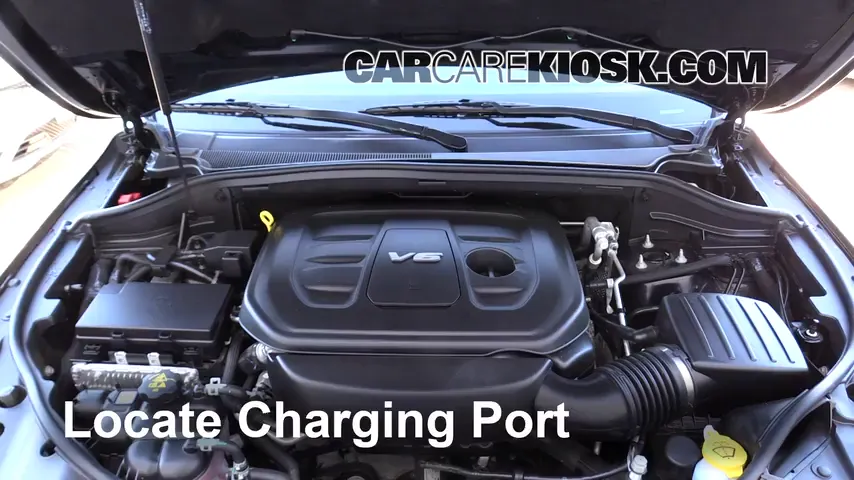
1. Locate The Low-pressure Port
Open the hood and find the low-pressure port. It’s usually marked with an “L” and has a black or blue cap. For the 2016 Grand Cherokee, it’s near the passenger side firewall.
2. Attach The Recharge Hose
Connect the hose to the low-pressure port. Make sure it clicks into place.
Do not force it incorrect attachment can cause leaks.
3. Check Pressure Levels
Turn on the engine and set AC to maximum cool. Use the gauge to check pressure. The correct range is 25-45 psi for R-134a systems.
| Pressure Range (psi) | AC Performance |
|---|---|
| Below 25 | Too low, recharge needed |
| 25-45 | Optimal, do not overfill |
| Above 45 | Too high, risk of damage |
4. Add Refrigerant Slowly
If pressure is low, shake the refrigerant can. Hold it upright and squeeze the trigger.
Add refrigerant in short bursts, checking pressure after each burst.
5. Monitor Compressor Engagement
Watch for the compressor to turn on. You’ll hear a click or see the pulley move.
If it doesn’t, you may have a bigger problem, such as a faulty relay or electrical issue.
6. Stop At Correct Pressure
When the gauge reads between 35–45 psi, stop adding refrigerant. Too much can cause AC failure.
7. Remove Hose And Cap Port
Detach the hose and replace the cap tightly. Wipe any spills with a rag.
Safety Tips And Common Mistakes
Recharging AC seems simple, but mistakes can be costly. Here are some tips:
- Wear gloves and goggles: Refrigerant is cold and can cause burns.
- Do not overfill: Too much refrigerant damages the compressor.
- Never use other refrigerants: Only R-134a is safe for your Jeep.
- Avoid leaks: If you see bubbles or hear hissing, stop and check connections.
Many beginners forget to check pressure while adding refrigerant. This can lead to overcharging, which hurts the system.
Cost And Efficiency Data
A DIY recharge usually costs $30–$50. At a dealership, expect to pay $150–$250. Proper recharge restores cooling in minutes and can last for 1–2 years if there are no leaks.
| Method | Average Cost | Time Required |
|---|---|---|
| DIY | $30–$50 | 30–45 minutes |
| Dealership | $150–$250 | 1–2 hours |
When To Seek Professional Help
If your AC doesn’t cool after a recharge, or if you notice a strong chemical smell, visit a mechanic. Some problems, like leaks in the evaporator or compressor failure, need expert tools and skills. Also, if your pressure readings are unstable, it could mean a faulty sensor.
Non-obvious Insights
- Ambient temperature affects recharge success: If it’s below 65°F (18°C), refrigerant may not flow properly. Always recharge on a warm day.
- AC system oil: Some cans include oil. If your system has frequent leaks, adding oil can help lubricate seals and prevent future leaks.
- Short bursts matter: Adding refrigerant slowly, instead of all at once, prevents pressure spikes that can damage the compressor.
Final Thoughts
Recharging the AC in your 2016 Jeep Grand Cherokee is a manageable task if you follow the right steps and respect safety guidelines. You’ll save money, learn more about your car, and enjoy cool air again. Always check for leaks, use the correct refrigerant, and monitor pressure closely. If your AC still doesn’t work after recharging, trust a professional to diagnose deeper issues. For more information on refrigerant safety and vehicle maintenance, visit the official EPA Motor Vehicle Air Conditioning site.

Frequently Asked Questions
What Type Of Refrigerant Does My 2016 Jeep Grand Cherokee Use?
Your Jeep uses R-134a refrigerant. Never substitute other types, as they can damage the system.
How Often Should I Recharge The Ac?
Usually every 1–2 years if there are no leaks. If cooling drops, check pressure and recharge as needed.
Can I Recharge The Ac If The Compressor Isn’t Working?
No. If the compressor doesn’t engage, recharging won’t help. This may be an electrical or mechanical issue needing a mechanic.
Is It Safe To Recharge Ac Myself?
Yes, if you use proper tools and follow safety steps. Always wear gloves, goggles, and check pressure often.
What If My Ac Loses Cooling Quickly After A Recharge?
This usually means a leak in the system. Inspect for visible leaks or visit a mechanic for a dye test and repair.


















