If your 2006 Jeep Grand Cherokee’s air conditioning isn’t cooling like before, you’re not alone. Many owners face this issue as their vehicles age.
The good news? You can recharge your AC system at home with some basic tools.
This guide will show you how to do it safely, step by step, and explain what really matters for a successful recharge.
Understanding Your Jeep’s Ac System
The AC system in your Grand Cherokee works by compressing refrigerant gas, turning it into a cool liquid, and blowing cold air into the cabin. Over time, small leaks or normal wear can lower the refrigerant level. If your air is only slightly cool or not cold at all, it’s often a sign of low refrigerant.
Not all AC problems are from low refrigerant. If you hear strange noises, see oil leaks, or notice the compressor isn’t turning on at all, professional help might be needed.
But for most cases of weak cooling, a recharge can help.
What You’ll Need
Before starting, gather these items:
- R-134a refrigerant canister (2006 Grand Cherokee uses R-134a)
- AC recharge hose/gauge (with pressure gauge attached)
- Protective gloves and goggles
- Clean rag
You can find these at most auto parts stores. The pressure gauge is important to avoid overcharging, which can damage your AC.
Steps To Recharge Ac In 2006 Jeep Grand Cherokee
Follow these steps for a safe and effective recharge:
1. Prepare Your Jeep
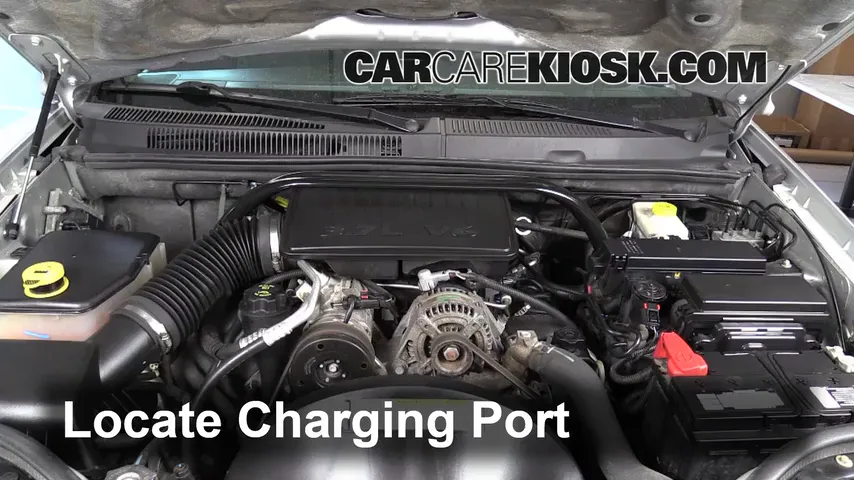
Park in a well-ventilated area. Open the hood and locate the low-pressure AC port. In the 2006 Grand Cherokee, it’s usually on the passenger side, marked with an “L” or “LOW.”
2. Check System Pressure
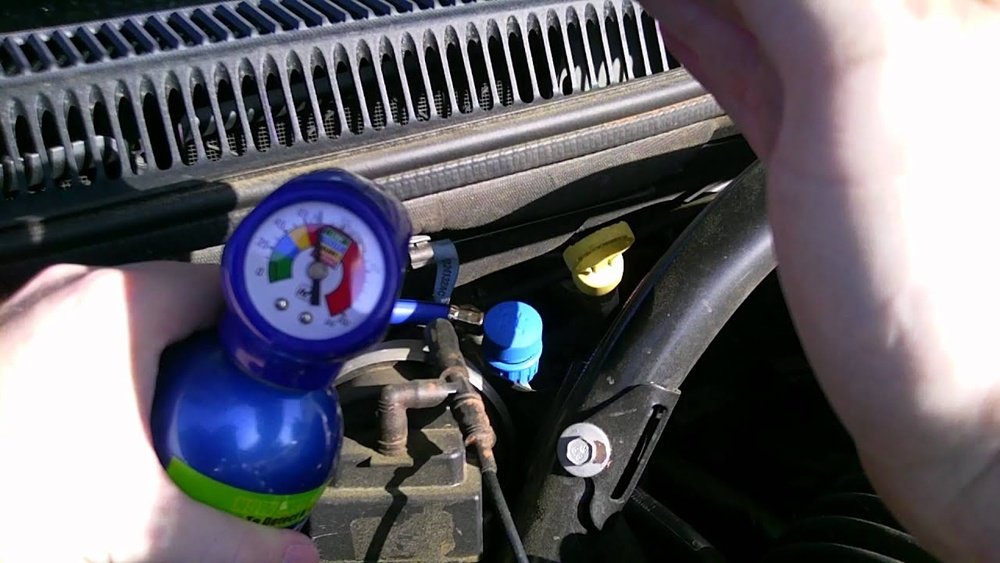
Attach the recharge hose to the low-pressure port. With the engine off, read the gauge.
If the pressure is zero, there may be a bigger leak, and you should see a mechanic.
With the engine running and AC on max, check the pressure again. For R-134a, the normal range is 25-45 psi. If it’s below 25 psi, a recharge is needed.
3. Connect Refrigerant
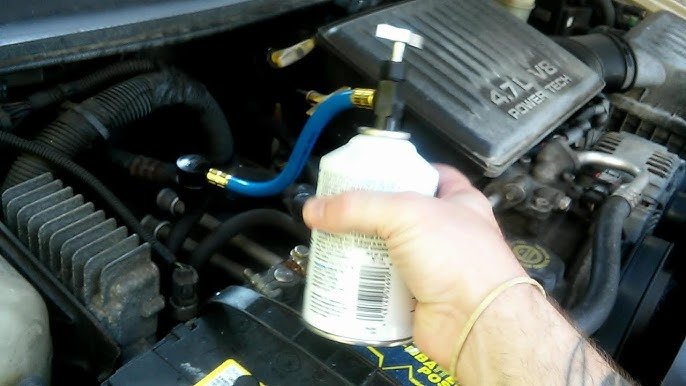
Shake the refrigerant can well. Connect the can to the hose if not already attached. Wear gloves and goggles for safety.
4. Add Refrigerant
Start the engine, set the AC to max, and open all windows. Squeeze the trigger on the hose to add refrigerant.
Do it in short bursts, checking the gauge every 10-15 seconds.
Stop adding refrigerant once the gauge reads between 35-40 psi. Do not overfill—too much refrigerant can cause poor cooling or compressor damage.
5. Finish Up
Remove the hose from the low-pressure port. Replace the port cap.
Check if the AC blows cold air. If not, there may be a bigger issue.
Key Tips For Best Results
- Only use R-134a refrigerant—other types can harm your system.
- Never add refrigerant to the high-pressure port.
- If the AC cools but quickly stops again, your system may have a leak needing repair.
- Overcharging is as bad as undercharging; always use the gauge.
- Always use protective gear—refrigerant can freeze skin on contact.
Common Mistakes To Avoid
Many first-timers make small errors that can cause bigger problems:
- Not using a gauge: Guessing is risky. Too much or too little refrigerant hurts performance.
- Forgetting safety gear: Refrigerant is cold and under pressure.
- Charging the wrong port: Low-pressure port only—never high-pressure.
- Ignoring leaks: If your system empties quickly after a recharge, seek professional help.
When To Call A Professional
If your AC still isn’t cold after a careful recharge, or if you see oily spots around connections, the problem may be more serious. For compressor problems, electrical faults, or large leaks, a certified technician is best.
Sometimes, recharging just masks a bigger issue that will return.
Ac Recharge Data And Performance
Here’s a quick overview comparing AC recharge pressures and expected cooling performance:
| Pressure (psi) | AC Performance |
|---|---|
| Below 25 | Weak or no cooling |
| 25-40 | Optimal cooling |
| Above 45 | Risk of overcharge, poor cooling |
And here’s a look at refrigerant types and compatibility:
| Refrigerant Type | Jeep Grand Cherokee (2006) |
|---|---|
| R-12 | No |
| R-134a | Yes |
| R-1234yf | No |
Finally, here’s a simple step checklist for your recharge:
| Step | Action |
|---|---|
| 1 | Locate low-pressure port |
| 2 | Attach hose & gauge |
| 3 | Check pressure |
| 4 | Add refrigerant as needed |
| 5 | Stop at correct psi |
| 6 | Test AC |
Non-obvious Insights
Most first-timers don’t realize that ambient temperature affects AC pressure readings. If it’s very hot outside, your pressure readings may be slightly higher. Always refer to the can’s chart for exact guidance.
Another common oversight is skipping the system oil. Some recharge kits include oil; others don’t. Too little oil can cause early compressor wear. If unsure, choose a kit with oil included.
Frequently Asked Questions
Can I Use A Different Refrigerant Than R-134a In My 2006 Jeep Grand Cherokee?
No, only use R-134a. Other types can damage your AC system and may not be legal.
How Often Should I Recharge My Ac?
Ideally, you should not need to recharge more than every few years. If you need it yearly, there’s likely a leak.
Is It Safe To Recharge The Ac Myself?
Yes, if you follow instructions and use safety gear. Never try to fix large leaks or electrical faults yourself.
What Happens If I Overcharge My Ac?
Overcharging can cause poor cooling and stress the compressor. Always use a gauge and stop at the recommended pressure.
Where Can I Find More Information About Car Ac Maintenance?
You can read more details from the Automobile Air Conditioning Wikipedia page.
A well-recharged AC can make your 2006 Jeep Grand Cherokee feel like new again. Take your time, use the right tools, and enjoy cool air on your next drive.


















