Reattaching a steering wheel on a Jeep Cherokee is more than just a mechanical task it’s about restoring safe, responsive control to your vehicle.
Many Jeep owners enjoy doing repairs themselves, but the steering wheel is a crucial part, connecting you directly to the road.
If it’s loose, off-center, or removed for repairs (like replacing the clock spring or fixing turn signal issues), proper reinstallation matters for safety and comfort.
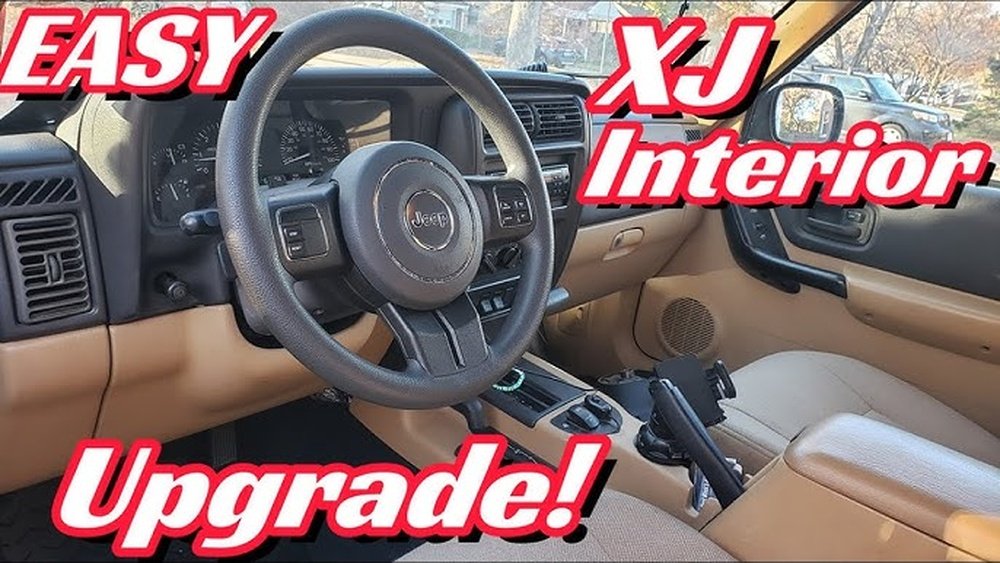
This guide will walk you through every step to reattach the steering wheel, point out common mistakes, and provide tips that even experienced DIYers sometimes overlook.
Understanding The Steering Wheel System
Before you start, it helps to know how the steering wheel assembly works. The wheel mounts to the steering column, which connects to the steering shaft and eventually to the wheels. Inside the column, you’ll find the clock spring (for airbag and electrical connections), various switches, and sometimes tilt/telescope mechanisms. On modern Jeep Cherokees (especially 1997 and newer), the steering wheel also houses the airbag module and wiring for controls.
If the steering wheel is not properly attached, you could face:
- Airbag warning lights or non-functioning airbags
- Off-center steering or steering play
- Broken horn or steering wheel buttons
- Dangerous loss of control
Tools And Materials Needed
Gather all the needed tools before starting. Here’s what you’ll typically need for a Jeep Cherokee:
- Socket set (especially 13mm-21mm, varies by year)
- Torque wrench (for safe tightening)
- Steering wheel puller (for removal, but sometimes for alignment)
- Screwdrivers (Phillips and flathead)
- Torx bits (for airbag bolts, usually T30)
- Loctite or thread locker (recommended)
- Marker or tape (for alignment)
- Gloves and safety glasses
If your Jeep has an airbag, always disconnect the battery first and wait at least 10 minutes to avoid accidental deployment.
Step-by-step Guide To Reattaching The Steering Wheel
1. Prepare The Vehicle
- Park on a flat surface, set the parking brake, and turn the ignition off.
- Disconnect the negative battery terminal.
- Wait 10–15 minutes to ensure all electrical charge is gone, especially for airbag safety.
2. Check Steering Shaft Alignment
- Before reattaching, make sure the front wheels are straight.
- If you removed the steering shaft (for example, after a clock spring or column repair), check alignment marks. Most Jeeps have a small notch or line on the steering shaft and matching mark on the wheel hub.
- If no marks, use a marker or tape to create them before full removal.
3. Attach Clock Spring (if Removed)
- The clock spring lets the airbag and controls function while turning.
- Make sure it’s centered: Turn it gently from stop to stop and count the rotations, then turn back to the center position.
- Lock the clock spring in the centered position (often with a supplied pin or tape) until the wheel is installed.
4. Mount The Steering Wheel
- Align the marks on the wheel and shaft.
- Slide the steering wheel onto the shaft. It should fit snugly and not require force.
- Thread the steering wheel retaining nut or bolt by hand.
- Use a torque wrench to tighten to factory specs (usually 33–40 ft-lbs for most Cherokees; check your manual for your model year).
- Apply a small amount of thread locker if recommended.
Example Factory Torque Specs
| Jeep Cherokee Model Year | Steering Wheel Nut Torque (ft-lbs) | Airbag Bolt Torque (in-lbs) |
|---|---|---|
| 1997–2001 | 35–40 | 78–98 |
| 2014–2021 | 33–37 | 85–110 |
5. Reconnect Airbag And Controls
- Carefully connect the airbag wiring harness and any steering wheel control connectors.
- Secure the airbag module with the proper bolts. Tighten using a torque wrench (use in-lbs; over-tightening can damage the module).
- Double-check that all connections are secure and routed neatly to avoid pinching.
6. Final Checks Before Power-up
- Make sure all tools and loose parts are clear.
- Gently tug the steering wheel to check for any play.
- Reconnect the battery.
- Sit in the driver’s seat, turn the key to ON (not start). The airbag light should turn on, then go off after a few seconds.
- Test horn, steering wheel buttons, and check for warning lights.
Common Mistakes And How To Avoid Them
Even skilled DIYers make errors with steering wheels. Here are mistakes and how to prevent them:
- Forgetting the clock spring position: If the clock spring is not centered, it can break during the first turn. Always center and lock it before attaching the wheel.
- Not using a torque wrench: Under- or over-tightening the nut can lead to loose steering or stripped threads.
- Ignoring alignment marks: If the steering wheel is off-center after installation, you’ll need to repeat the process.
- Leaving airbag disconnected: Airbag and horn connectors must be fully seated. Loose connections can trigger warning lights or unsafe airbag deployment.
- Not waiting after battery disconnect: Airbags can retain charge and deploy unexpectedly. Always wait the recommended time.
When To Seek Professional Help
While reattaching a steering wheel on a Jeep Cherokee is usually within the reach of experienced DIYers, there are situations where you should consider a professional:
- If the airbag warning light stays on after installation
- If you hear clicking or rubbing noises when turning the wheel
- If the steering feels stiff, notchy, or loose
- If you’re unsure about electrical connections or see exposed wires
Modern Cherokees have advanced safety systems. Incorrect installation can lead to failed airbags or steering lock, so don’t hesitate to get help if you’re unsure.
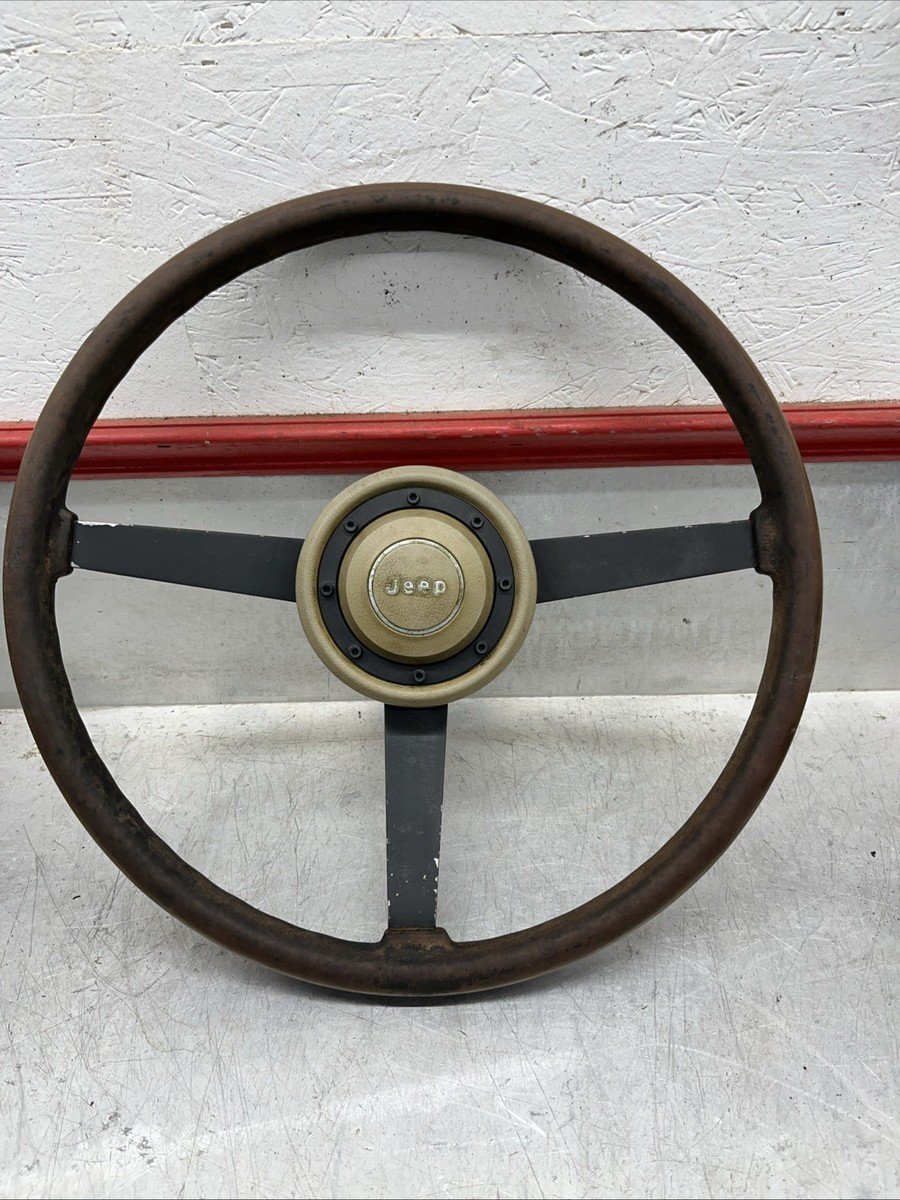
Steering Wheel Types And Special Features
Jeep Cherokee models have varied steering wheels over the years. Here’s a quick comparison of features:
| Year | Airbag | Steering Controls | Heated Option |
|---|---|---|---|
| 1984–1996 | No/Optional | No | No |
| 1997–2001 | Yes | Optional | No |
| 2014–2021 | Yes | Yes | Yes |
If you have steering wheel controls, be gentle with the wiring and ensure connections are secure when reattaching. For heated wheels, double-check the heating connector.
Safety Considerations
Never rush when working with the steering wheel, especially if your Jeep Cherokee has an airbag. Here are key safety points:
- Always disconnect the battery and wait before handling airbag components.
- Handle the airbag module with the trim side (center pad) facing up.
- Never use power tools to tighten steering bolts; always use a hand torque wrench.
- Do not force connectors—if they don’t fit, double-check alignment.
- If you accidentally deploy the airbag, seek professional help before continuing.
Tips For A Successful Reattachment
Many guides miss small tips that make the job easier and safer:
- Pre-fit the wheel before final installation to make sure the splines (teeth) align.
- Take a photo of wiring and connectors before removal for reference.
- Keep all fasteners and screws organized—losing an airbag bolt can delay your project.
- Turn the wheel lock-to-lock after installation to check for unusual resistance.
- If you replaced the clock spring, test all steering wheel controls and horn.
- Clean the steering wheel and column area before installation to avoid trapping dirt or debris.
Troubleshooting After Installation
If things aren’t perfect after reattaching the steering wheel, here’s what to check:
- Steering wheel off-center: The wheel or shaft may be misaligned. Mark and re-install.
- Airbag light stays on: Check clock spring and airbag connectors.
- Horn doesn’t work: Check for loose or missed connections.
- Wheel feels loose or wobbly: Torque the retaining nut/bolt to spec; check for damaged splines.
- Clicking or rubbing: The clock spring may be out of position or damaged.
Real-world Example: 2001 Jeep Cherokee
Let’s look at a practical example. On a 2001 Jeep Cherokee, the owner removed the steering wheel to replace a faulty turn signal switch. After reattaching the wheel:
- They centered the clock spring, but forgot to align the marks. The wheel ended up off-center.
- The airbag light turned on, caused by a loose connector.
- They rechecked, aligned the marks, and fully seated the connectors. The light went off and the steering was straight.
This shows that even if you make mistakes, careful checking and patience can solve most problems.
Steering Wheel Reattachment Vs. Replacement
Sometimes, you may consider replacing the steering wheel with a new or aftermarket one. Here’s a quick comparison:
| Factor | Reattachment | Replacement |
|---|---|---|
| Cost | Low (free if reusing original) | Medium to High ($50–$400+) |
| Complexity | Moderate | Moderate to High (wiring, compatibility) |
| Risk | Low if careful | Higher (airbag, control issues) |
For most Jeep Cherokee owners, reattaching the original wheel is simpler and safer than installing an aftermarket steering wheel, especially with airbags.
Where To Find More Information
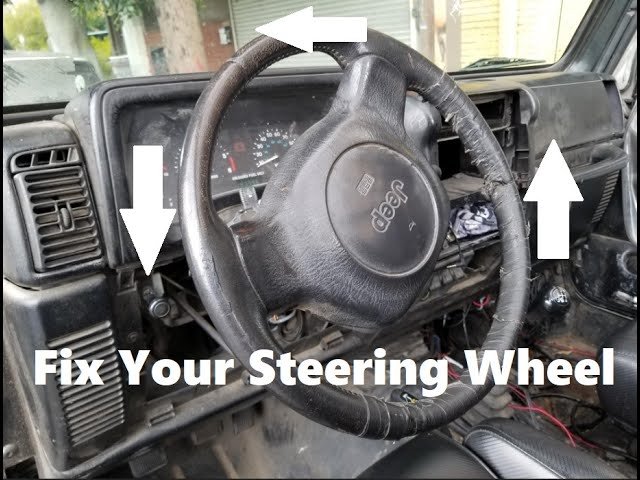
For official torque specs, diagrams, and step-by-step repair info, the best resource is your model year’s official service manual. You can also find helpful guides and safety info on sites like the Jeep Cherokee Wikipedia page.
Frequently Asked Questions
How Long Does It Take To Reattach A Steering Wheel On A Jeep Cherokee?
Most people can finish the job in 30 to 60 minutes if all tools are ready. If it’s your first time, allow more time to check each step carefully.
What Torque Should I Use For The Steering Wheel Nut?
Typical torque is 33–40 ft-lbs, but always check your Jeep’s service manual. Using the correct torque prevents loosening or damage.
Will The Airbag Work After Reattaching The Steering Wheel?
If you reconnect all wiring and center the clock spring, the airbag should work normally. If the airbag light stays on, double-check all connections before driving.
Can I Drive Without The Airbag Connected?
It’s not safe. The airbag is a key safety feature. Driving without it increases injury risk. Always reconnect the airbag and test before using the vehicle.
What If My Steering Wheel Is Still Crooked After Installation?
If the wheel is off-center, remove it again and realign the marks on the shaft and wheel. Make sure the front wheels are straight before reattaching.
Reattaching a steering wheel on your Jeep Cherokee can seem challenging, but with patience and attention to detail, it’s a task most owners can handle safely.
Taking time to align, torque, and check everything ensures your Jeep is ready for the road and keeps you in control behind the wheel.