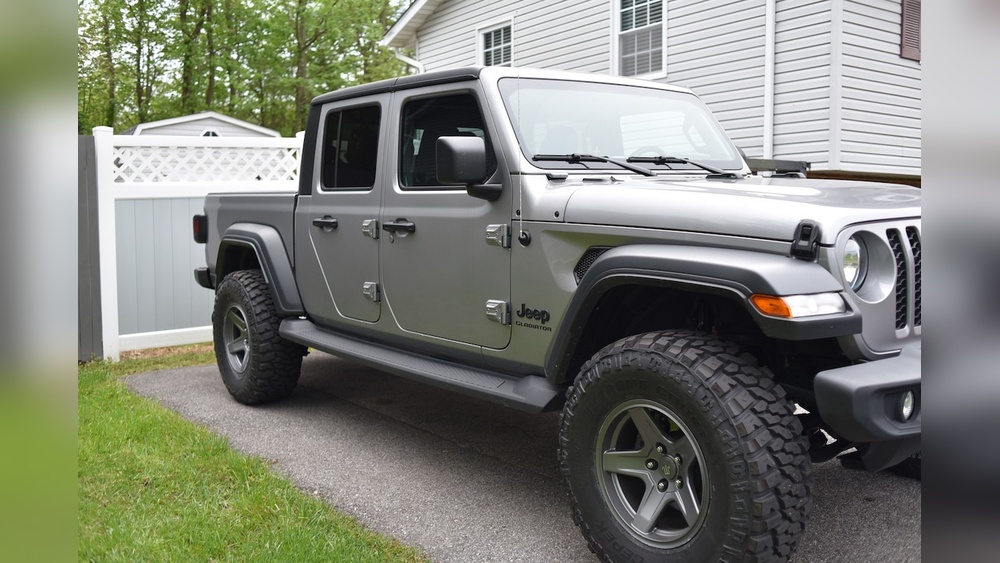
Getting your Jeep Gladiator into 4 wheel drive (4WD) can make a huge difference when driving off-road, in snow, or over rough terrain. But for many owners, especially those new to 4×4 vehicles, the process isn’t always clear. You might wonder when to use each mode, how to shift properly, and what mistakes to avoid. This guide will walk you through each step, explain all four 4WD modes found in most Jeep Gladiators, and offer tips that even seasoned drivers might miss. By the end, you’ll feel confident using your Gladiator’s 4WD system—whether you’re headed for rocky trails, muddy roads, or a snowy morning commute.
Understanding The Jeep Gladiator 4wd System
The Jeep Gladiator uses a part-time 4WD system, which means it’s designed to switch between 2WD and 4WD depending on road conditions. The transfer case is the heart of this system. It directs power from the engine to either the rear wheels only (2WD) or to all four wheels (4WD). Most Gladiator models come with a manual lever near the gear shifter, although some have electronic controls.
There are four main drive modes:
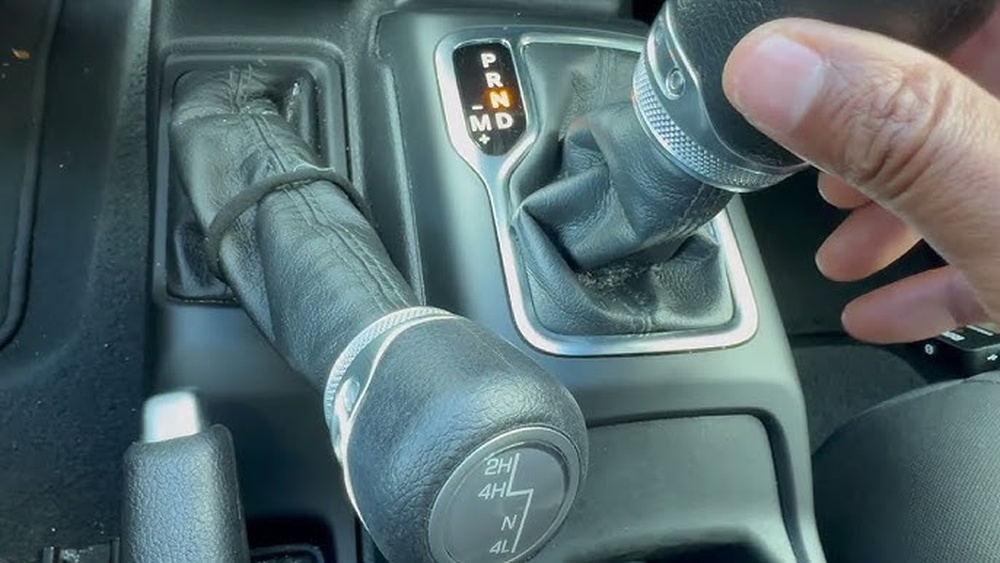
- 2H (Two High)
- 4H (Four High)
- N (Neutral)
- 4L (Four Low)
Each mode serves a specific purpose. Knowing when and how to engage them is essential for getting the best performance and avoiding damage.
1. 2h (two High): Everyday Driving
2H is the default mode for most driving situations. In this mode, power goes only to the rear wheels. This gives you the best fuel economy and a smooth ride on dry, paved roads.
- How to use 2H:
- Simply leave the transfer case lever in the 2H position. Most Jeep Gladiators start in 2H by default.
- Use 2H for normal city and highway driving, as well as dry, hard-packed surfaces.
- When to avoid 2H:
- If the road is slippery, muddy, or snowy, 2H might not give you enough traction.
Insight: Many new owners think 4WD is always better, but using 2H on dry pavement actually protects your drivetrain from unnecessary wear. Overusing 4WD on dry roads can cause binding and damage.

2. 4h (four High): Slippery Or Off-road Conditions
4H gives you power to all four wheels. This is perfect for snow, mud, gravel, or when you’re on a slippery road.
How To Shift Into 4h
- At speeds up to 55 mph (88 km/h):
- Make sure you’re moving straight (not turning sharply).
- Let off the gas slightly.
- Pull the 4WD lever from 2H to 4H in one smooth motion.
- You may feel a slight clunk or see a light on your dashboard.
- Tips for shifting:
- You do not need to stop the vehicle.
- Avoid shifting while the wheels are spinning fast or when you’re making a tight turn.
When To Use 4h
- On snow-covered or icy roads
- Driving on muddy or wet grass fields
- Light off-road situations with loose gravel or sand
When Not To Use 4h
- On dry pavement—using 4H here can make the steering feel stiff and damage the transfer case.
Non-obvious insight: Many drivers don’t realize 4H is best used BEFORE you get stuck, not after. If you wait until you’re spinning, it may be too late.
3. N (neutral): Towing And Recovery
Neutral (N) disconnects the transfer case from both the engine and the wheels. The Jeep will roll freely, even if it’s in gear. This is mainly used for towing or in rare recovery situations.
How To Shift Into Neutral
- Bring your Gladiator to a full stop.
- Keep your foot on the brake.
- Shift the transmission into Neutral (N).
- Move the transfer case lever firmly into the N position.
- Wait for the N light to come on.
When To Use Neutral
- When flat-towing your Gladiator behind another vehicle (like an RV)
- During certain recovery situations, such as winching
Warning: Never drive in Neutral. The vehicle will not move under its own power, and you could lose control if you accidentally shift into N while driving.
Helpful tip: After towing, always double-check that you’ve shifted back out of N before driving again. Forgetting this is a common mistake that can leave you stranded.
4. 4l (four Low): Extreme Terrain And Maximum Power
4L gives your Gladiator maximum torque at low speeds. This is for steep hills, deep mud, sand, rocks, or heavy towing. It’s not for driving fast—speeds over 25 mph (40 km/h) in 4L are not recommended.
How To Shift Into 4l
- Bring the Jeep to a full stop.
- Shift the transmission into Neutral (N).
- With your foot on the brake, firmly move the transfer case lever from 4H straight down to 4L.
- Wait for the 4L light on the dashboard.
- Shift the transmission back into Drive (D) or the desired gear.
When To Use 4l
- Climbing or descending steep hills
- Deep sand, mud, or snow where you need extra pulling power
- Rock crawling or technical off-road trails
- Heavy-duty towing at low speeds
When Not To Use 4l
- On normal roads or at speeds above 25 mph—this can damage the drivetrain.
Non-obvious insight: If you hear a grinding noise when shifting into 4L, don’t force it. Rolling the Jeep forward or backward a few inches (while in Neutral) can help the gears mesh smoothly.
Comparison: 2h Vs 4h Vs 4l
Here’s a quick look at when to use each mode:
| Mode | Best For | Max Speed | Shifting Requirement |
|---|---|---|---|
| 2H | Dry pavement, city, highway | All speeds | Default mode, no action needed |
| 4H | Snow, mud, gravel, light off-road | Up to 55 mph (88 km/h) | Shift on the fly below 55 mph |
| 4L | Steep hills, deep mud/sand, rocks | Up to 25 mph (40 km/h) | Stop, shift to Neutral, then 4L |
Step-by-step: Putting Your Jeep Gladiator In 4 Wheel Drive
Here’s a practical process for shifting into each mode. These steps are important for both safety and avoiding mechanical problems.
- Identify the current mode: Check your dashboard indicator.
- For 4H (while moving):
- Slow down below 55 mph.
- Move the transfer lever from 2H to 4H.
- Wait for the 4WD light.
- For 4L (full stop required):
- Come to a complete stop.
- Shift the transmission to Neutral.
- Move the lever from 4H to 4L in one motion.
- Wait for the 4L light.
- For Neutral (N):
- Stop the vehicle.
- Shift transmission to Neutral.
- Move the transfer lever to N.
- Confirm the N light is on.
Common mistake: Many drivers try to shift into 4L while the vehicle is moving or without shifting the transmission to Neutral. This can cause gear grinding or even damage the transfer case.
Tips For Smooth 4wd Operation
- Practice in a safe area: If you’re new to 4WD, try shifting modes in an empty parking lot before heading off-road.
- Don’t forget tire pressure: Off-roading is safer and smoother with slightly lower tire pressure. But always air back up before highway driving.
- Use 4H early: Engage 4H before you hit mud, sand, or snow—not after you’re stuck.
- Avoid sharp turns in 4WD: Turning tightly on dry pavement can cause wheel hop and stress the system.
Data: Fuel Economy Impact
Using 4WD affects your fuel economy. Here’s a look at typical numbers for the Jeep Gladiator:
| Mode | Average MPG | Notes |
|---|---|---|
| 2H | 16-22 | Best economy |
| 4H | 13-17 | Increased fuel use |
| 4L | 10-14 | Lowest economy, only for short distances |
Driving in 4WD always uses more fuel. Only use 4H or 4L when you really need the extra traction.
Advanced: Electronic Vs Manual Transfer Case
Some Jeep Gladiator models use a manual lever, while newer or higher trims might have an electronic switch. Here’s a quick comparison:
| Type | How to Operate | Pros | Cons |
|---|---|---|---|
| Manual Lever | Move lever by hand | Simple, reliable, “Jeep feel” | Requires more effort, can stick |
| Electronic Switch | Push a button or turn a dial | Easy, quick, less physical effort | More parts to fail, less tactile |
If you have the electronic system, always wait for the dashboard light before assuming the mode has changed.

Common Questions And Misconceptions
- Do I need to shift into Neutral to go from 2H to 4H?
No. You can shift from 2H to 4H while moving, as long as you’re under 55 mph.
- Can I use 4H or 4L on the highway?
Only use 4H or 4L when the road is slippery or loose. On dry pavement at highway speeds, stick to 2H.
- What if the 4WD light flashes?
If the 4WD indicator flashes and doesn’t stay on, the system may not have engaged. Try shifting again, and make sure you’re following the correct steps.
- Do I need to service my transfer case?
Yes. Regular fluid changes and inspections (every 30,000 miles or as recommended) keep your 4WD working smoothly.
- Can I shift into 4L anytime?
Only shift into 4L when stopped and in Neutral, never while moving.
For a full breakdown of Jeep’s 4WD systems and more technical details, check out the official Jeep 4×4 Systems Guide.
How Do I Know If My Gladiator Is In 4wd?
Look for the 4WD indicator light on your dashboard. When you shift into 4H or 4L, this light should stay on. If it flashes, the system may not have engaged. You’ll also often feel a slight change in how the vehicle handles.
Can I Switch From 2h To 4h While Driving?
Yes, you can shift from 2H to 4H while moving, as long as you are driving straight and under 55 mph. Don’t shift while turning sharply or at high speed.
What Should I Do If My 4wd Won’t Engage?
First, make sure you’re following the correct steps. If the light keeps flashing or you hear grinding noises, stop the vehicle, shift to Neutral, and try again.
Persistent problems may mean your transfer case needs service.
Is It Bad To Drive In 4wd All The Time?
Yes. Driving in 4H or 4L on dry pavement can cause drivetrain damage and excessive tire wear. Only use 4WD when needed for traction.
How Often Should I Use 4wd To Keep It Working?
Engage 4WD at least once a month, even if you don’t need it. This keeps the parts lubricated and helps prevent the system from sticking.
Getting comfortable with your Jeep Gladiator’s 4WD system opens up a world of adventure and confidence in tough conditions. Practice shifting modes in a safe place and keep your vehicle maintained.
Soon, switching between 2H, 4H, N, and 4L will feel second nature helping you get the most from your Gladiator, wherever the road (or trail) takes you.