Putting wheel spacers on a Jeep is a popular way to get a wider stance, better stability, and a tougher look. Many Jeep owners choose spacers to fit bigger tires or to clear aftermarket suspension parts.
But installing them isn’t just about bolting on some extra metal.
Doing it right means understanding the process, using the right tools, and knowing why it matters for safety and performance.
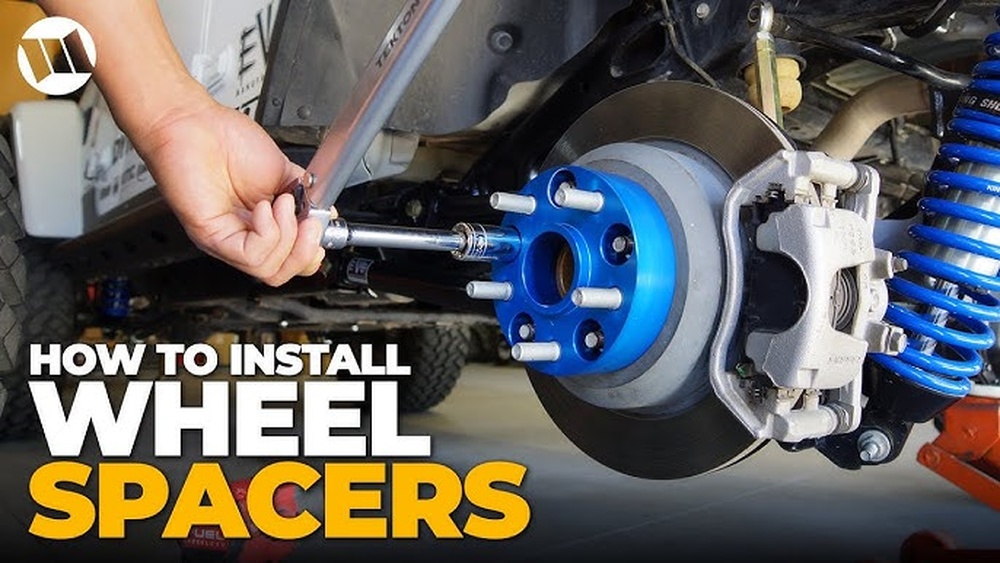
This guide will walk you through the full process of installing wheel spacers on a Jeep, explain what you need, and highlight common mistakes to avoid.
Whether you’re new to Jeep mods or just want to get it done safely, you’ll find everything you need here.
What Are Wheel Spacers And Why Use Them?
Wheel spacers are metal discs that sit between your Jeep’s wheel and hub. They push the wheel outward, increasing the distance between the left and right wheels. Most spacers are made from aluminum or steel, with aluminum being lighter and less likely to rust.
Why do Jeep owners use spacers?
- To fit larger or wider tires without rubbing on fenders or suspension parts.
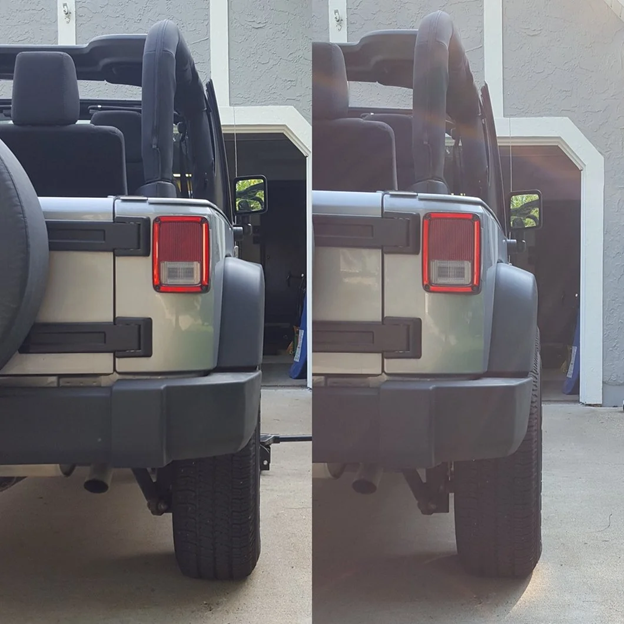
- To improve the Jeep’s stance and make it look wider and more aggressive.
- To clear aftermarket brake calipers or suspension parts.
- Sometimes, to fix minor offset issues when switching to non-factory wheels.
But there’s more. Spacers can also change how your Jeep handles.
A wider track can mean better stability, especially off-road. However, poor installation or bad quality can lead to problems, so it’s important to do it right.
What You Need Before Starting
Before you start, make sure you have everything you need. Rushing or missing a tool can cause mistakes that are hard to fix later.
Essential tools and parts:
- Correct size wheel spacers for your Jeep (check the bolt pattern and center bore)
- Torque wrench (for accurate tightening)
- Socket set (usually 19mm or 21mm sockets for lug nuts)
- Breaker bar or tire iron
- Jack and jack stands (never rely on the jack alone)
- Wire brush (for cleaning the hub surface)
- Thread locker (medium strength, like blue Loctite)
- Gloves and safety glasses
Pro tip: Always buy spacers with the correct hub-centric rings for your Jeep. Hub-centric spacers center on the hub, not just the bolts, making them safer and less likely to cause vibrations.
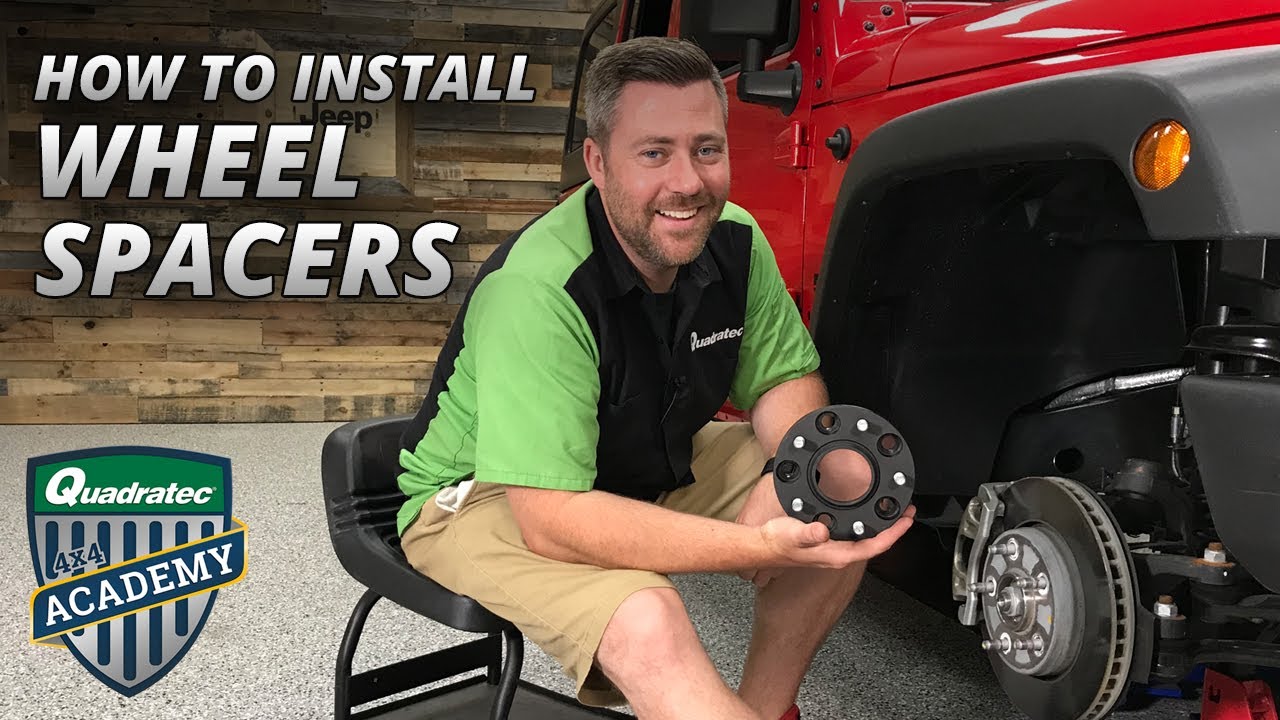
How To Choose The Right Wheel Spacers
Picking the right spacers is more than just measuring the thickness. Here’s what you need to compare:
| Feature | Hub-centric | Lug-centric |
|---|---|---|
| Centering method | Centers on hub lip | Centers on studs |
| Risk of vibration | Low | Higher |
| Suitability for Jeeps | Highly recommended | Not recommended |
Thickness: Most Jeep owners use 1.25” to 1.5” spacers. Thinner spacers may not clear the factory studs, and thicker spacers can stress wheel bearings.
Material: Go for forged aluminum or steel. Avoid cast aluminum, as it can crack under stress.
Bolt pattern: Check your Jeep’s bolt pattern (for example, 5x127mm for most Wranglers after 2007).
Brand reputation: Stick to known brands with good reviews. Cheap, no-name spacers can fail, risking your wheels coming off.
Step-by-step: Installing Wheel Spacers On A Jeep
Now let’s walk through the process. Take your time and follow each step for the best results.
1. Park And Prepare
- Park your Jeep on a flat, stable surface.
- Engage the parking brake.
- Place wheel chocks behind the tires you won’t be working on.
- Loosen (but don’t remove) the lug nuts for the wheel you’ll start with.
2. Lift And Remove The Wheel
- Use your jack to lift the Jeep at the recommended jack point.
- Place jack stands under the frame for safety.
- Remove the lug nuts and take off the wheel.
3. Clean The Hub Surface
- Use a wire brush to clean the hub face. Remove all rust, dirt, or old thread locker.
- Wipe the surface with a clean rag.
- This step is critical—even a small bump can cause vibration.
4. Test Fit The Spacer
- Place the spacer on the hub.
- Make sure it sits flush and the center bore lines up perfectly.
- The spacer should not rock, tilt, or sit unevenly.
5. Apply Thread Locker
- Put a small amount of medium-strength thread locker on the factory studs.
- Don’t overdo it; too much can make future removal difficult.
6. Install And Torque The Spacer
- Put the spacer on the hub.
- Hand-tighten the supplied nuts.
- Use a torque wrench to tighten the nuts to the manufacturer’s specs (usually 90–110 ft-lbs for Jeep spacers).
- Tighten in a star pattern to ensure even pressure.
7. Reinstall The Wheel
- Place the wheel back on the spacer.
- Hand-tighten the lug nuts.
- Lower the Jeep carefully to the ground.
- Use a torque wrench to tighten the wheel lug nuts (typically 95–110 ft-lbs for most Jeeps).
8. Repeat For Other Wheels
- Repeat the process for each wheel.
- Never rush or skip cleaning steps.
9. Double-check After Driving
- After 25–50 miles, re-torque all the spacer and wheel nuts.
- Spacers can settle, and bolts may loosen slightly.
Common Mistakes And How To Avoid Them
1. Not cleaning the hub: Dirt or rust can cause uneven mounting and vibration.
2. Over-tightening or under-tightening: Both are dangerous. Always use a torque wrench.
3. Using lug-centric spacers: These don’t center on the hub and are more likely to cause issues.
4. Not re-torquing after driving: Bolts can loosen after the first few miles.
5. Buying cheap spacers: Poor quality metal or machining can lead to failure.
Are Wheel Spacers Safe For Jeeps?
When installed correctly and with quality parts, wheel spacers are safe for most Jeeps used on and off-road. But they do add stress to wheel bearings and suspension parts. Here’s a quick look at the risks and benefits:
| Benefit | Potential Risk |
|---|---|
| Improved stance | Extra stress on bearings |
| Fits larger tires | Poor quality spacers can fail |
| Better handling | Possible vibration if not centered |
Non-obvious insight: The extra stress is real, but for normal off-roading and street use, high-quality spacers rarely cause problems. However, if you tow heavy loads or do extreme rock crawling, check your bearings more often.
Legal And Warranty Considerations
Wheel spacers are legal in most US states, but some states may have rules about how far wheels can stick out past fenders. Always check your local laws.
Using spacers can void parts of your warranty, especially if a failure is linked to the wider stance. Dealers may blame spacers for bearing or suspension issues, even if the real cause is unrelated.
Keep your old parts and be prepared to remove spacers if you need warranty service.
Maintenance Tips After Installing Spacers
- Check torque regularly: Every oil change, re-torque your spacers and wheel nuts.
- Inspect for cracks: Look for any sign of cracks or unusual wear on the spacer.
- Listen for noise: Clicking or grinding sounds can mean a spacer or stud is loose.
- Re-torque after tire rotation: When tires are removed and put back, always re-torque.
Non-obvious insight: Spacers can sometimes make it easier for mud or road salt to collect near the hub. After off-roading, rinse the area with water to prevent corrosion.
When Not To Use Wheel Spacers
Wheel spacers are not always the right solution. Don’t use them to fix major wheel offset problems or if your wheels are already at the edge of your fenders.
For extreme tire sizes, it’s better to get wheels with the correct offset.
Also, never stack spacers (putting one on top of another). This is dangerous and can lead to wheel failure.
Example: Real-world Jeep Spacer Installation
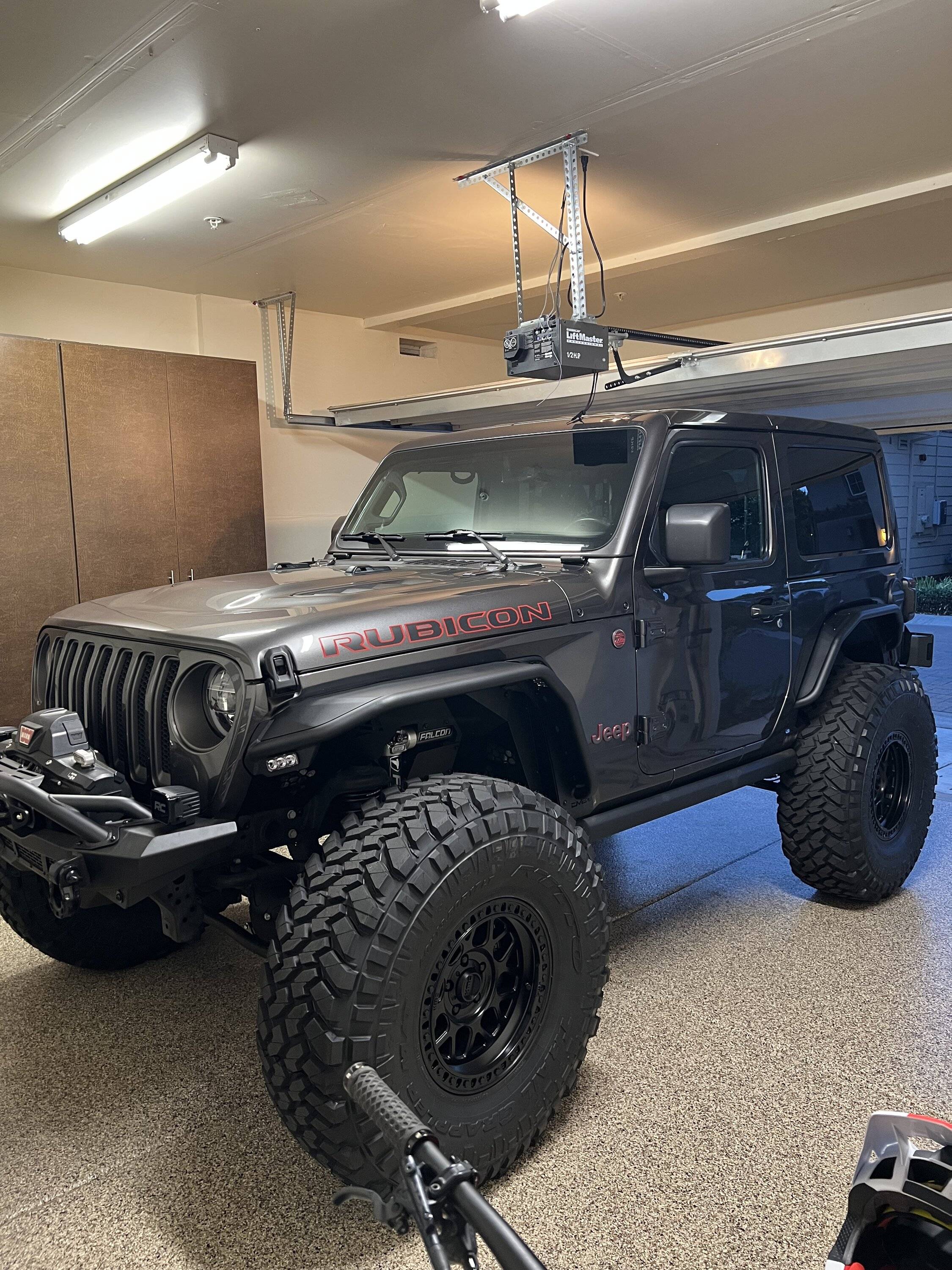
Let’s look at an example. John owns a 2015 Jeep Wrangler and wants to fit 35” tires.
His stock wheels rub on the control arms. He chooses 1. 5” hub-centric spacers.
He gathers his tools, follows the steps above, and takes his time cleaning the hub. After installation, his Jeep looks wider and no longer rubs at full turn.
He checks torque after 50 miles everything is tight. Over the next year, he checks torque during oil changes and never has a problem.
This real-world approach—careful prep, good tools, and regular checks—is what keeps wheel spacers safe and effective.
How Thick Should Wheel Spacers Be On A Jeep?
The most common size is 1.25” to 1.5” for Jeep Wranglers and Cherokees. This is usually enough to clear suspension parts and fit larger tires without sticking out too far. Always measure before you buy.
Do Wheel Spacers Affect Alignment?
Wheel spacers do not change your Jeep’s alignment angles directly. But they can make alignment issues more obvious, and sometimes a wider stance will show if something else is off.
It’s smart to get an alignment check after installing spacers.
Can I Use Wheel Spacers With Aftermarket Wheels?
Yes, but check the wheel’s design. Some aftermarket wheels have a deep center cap that can hit the spacer, or the wheel holes may not fit over the spacer’s lip. Always test fit before final install.
Are All Wheel Spacers The Same?
No. Hub-centric spacers are much better for Jeeps than lug-centric ones. Material, thickness, and bolt pattern also matter. Avoid cheap, unbranded spacers.
Where Can I Learn More About Wheel Spacers And Vehicle Modifications?
A great place for more technical info is Wikipedia’s wheel spacer article, which explains spacer design, risks, and best practices.
Installing wheel spacers on your Jeep is a straightforward project that makes a big difference in appearance and function. Take your time, use quality parts, and always double-check your work.
With regular checks and good tools, you’ll enjoy a safer, better-looking Jeep for years to come.