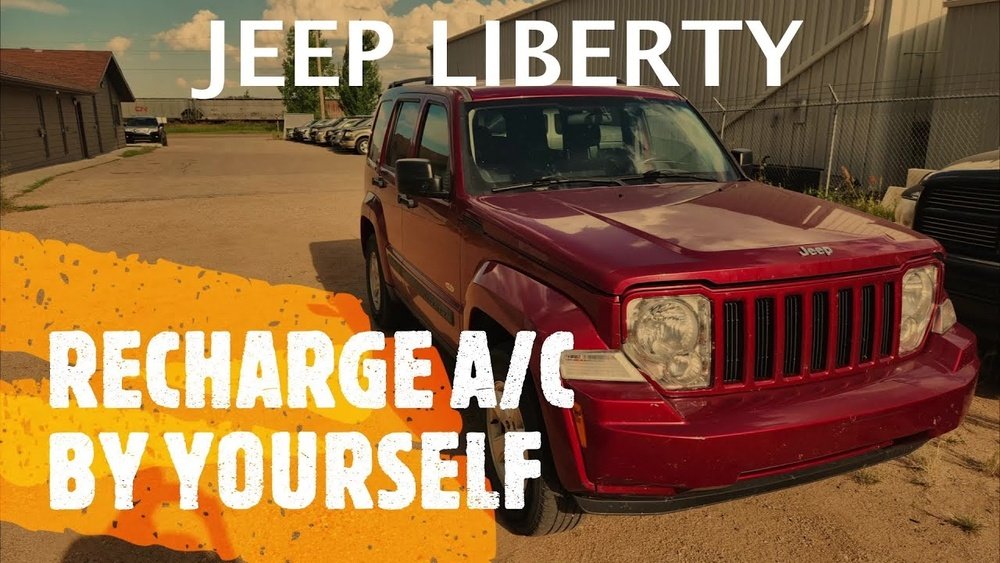
If your 2008 Jeep Liberty feels warm inside even when you turn on the AC, there’s a good chance the system needs more Freon (also called refrigerant). Topping up Freon isn’t difficult, but it does require careful steps.
If you do it right, your Jeep will blow cold air again and you’ll avoid damaging your AC system. Let’s walk through the process, using clear steps and practical tips to help you stay safe and avoid common mistakes.
What You Need Before You Start
Before adding Freon, gather these items:
- R-134a refrigerant (the right type for 2008 Jeep Liberty)
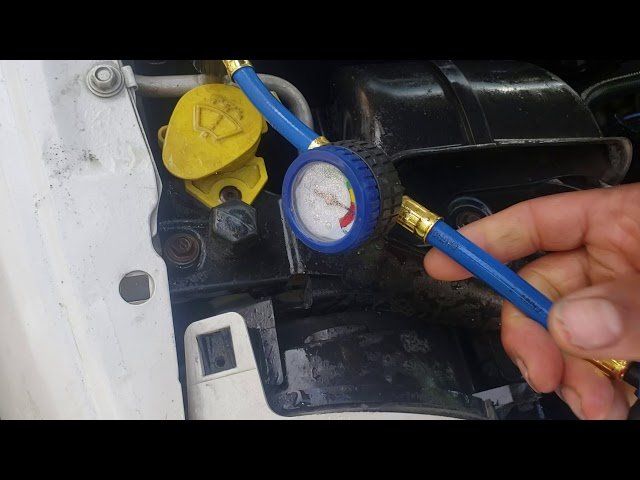
- AC recharge hose with a pressure gauge
- Safety glasses
- Gloves
You’ll also need a thermometer to check vent temperature, and a clean rag in case of spills. Always read the instructions on your refrigerant can—some cans come with a hose and gauge attached.
Step-by-step Guide: Putting Freon In 2008 Jeep Liberty
Follow these steps for a safe and effective recharge:
- Check Your AC System
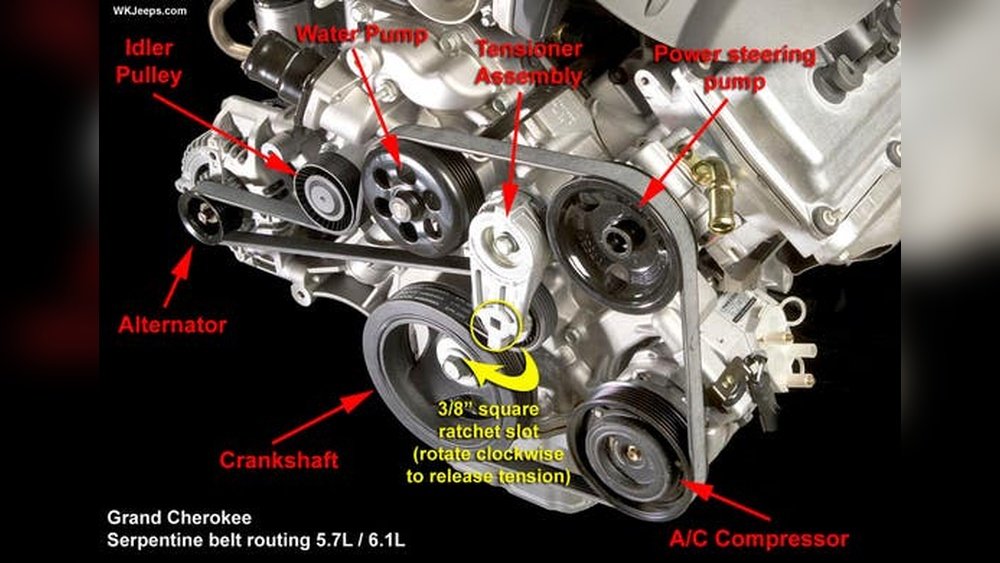
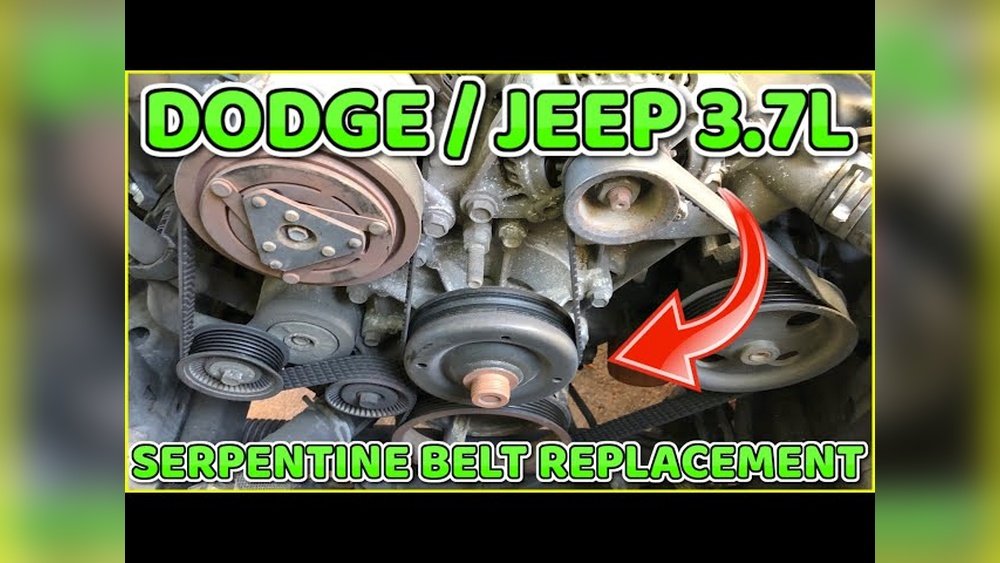
- Start your Jeep. Turn the AC to maximum cool and the fan to high. Make sure the compressor is running (it’s the part with a belt and pulley).
- If the compressor isn’t turning, you may have a bigger problem. Low Freon can cause this, but so can electrical issues.
- Locate the Low-Pressure Port
- Open the hood and find the low-pressure service port. It’s usually marked with an “L” and located on the larger AC line. The high-pressure port is smaller—don’t use that.
- If you’re unsure, check your Jeep’s manual or search online for images.
- Attach the Recharge Hose
- Connect the hose to the low-pressure port. Make sure the fit is tight and secure.
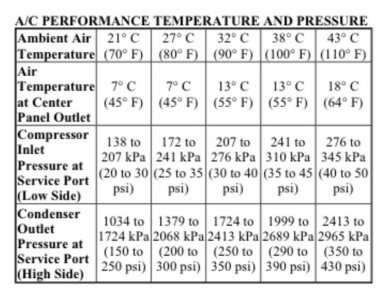
- The gauge should show the current pressure. For a 2008 Jeep Liberty, normal low-side pressure is 25–45 psi when the AC is running.
- Check the Pressure
- Read the gauge. If the pressure is below 25 psi, you need more refrigerant.
- If it’s already above 45 psi, don’t add Freon. Overfilling can damage your AC.
- Add Freon
- Shake the refrigerant can. Squeeze the trigger and let Freon flow into the system. Do this in short bursts.
- Watch the gauge as you add. Stop when the pressure reaches 40 psi, or when the AC blows cold air (vent temperature should drop to 45–55°F).
- Monitor the Results
- After adding, check the vent temperature with your thermometer. If it’s cool, you’re done.
- If not, repeat step 5—but don’t overfill.
- Remove the Hose and Clean Up
- Disconnect the hose. Replace the port cap tightly.
- Wipe up any spilled refrigerant and wash your hands.

Common Mistakes To Avoid
Adding Freon is simple, but mistakes can cause problems:
- Using the wrong refrigerant: Only use R-134a. Other types can damage your Jeep’s AC.
- Overfilling: Too much Freon can cause high pressure, harming the compressor.
- Ignoring leaks: If your AC needs frequent recharging, you have a leak. Fix it before adding more Freon.
- Not wearing safety gear: Refrigerant can freeze skin on contact. Always wear gloves and glasses.
Practical Tips For Success
- Check for leaks before adding Freon. Look for oily residue near fittings.
- Add Freon when ambient temperature is above 65°F. Cold weather affects readings.
- Use a digital thermometer for accurate vent temperature.
- Never recharge in a closed garage; refrigerant fumes are dangerous.
How Much Freon Does A 2008 Jeep Liberty Need?
A typical 2008 Jeep Liberty AC system takes about 20 ounces of R-134a. Check the sticker under your hood for exact numbers. Don’t guess—too much or too little both cause problems.
Here’s a comparison of refrigerant needs for similar SUVs:
| Model | Year | Freon Capacity (oz) |
|---|---|---|
| Jeep Liberty | 2008 | 20 |
| Ford Escape | 2008 | 22 |
| Honda CR-V | 2008 | 17 |
Signs Your Jeep Needs More Freon
Watch for these symptoms:
- Warm air from the AC vents
- Compressor cycles on and off quickly
- Visible leaks under the hood
- Unusual noises from the AC system
If you see these, check your pressure before adding Freon.
Safety And Environmental Notes
Freon can harm the environment if released. Never vent refrigerant into the air use proper equipment.
If you suspect a major leak, visit a certified mechanic. Handling refrigerant is regulated by law in many states.
Here’s a quick comparison of refrigerant types:
| Refrigerant Type | Use in 2008 Jeep Liberty | Environmental Impact |
|---|---|---|
| R-134a | Yes | Moderate |
| R-12 | No | High |
| R-1234yf | No | Low |
When To Call A Professional
If your AC still doesn’t cool after adding Freon, or you see leaks, it’s best to visit a certified mechanic. Some problems need special tools and training. For more info on AC repairs, check Wikipedia.
Frequently Asked Questions
What Type Of Freon Does A 2008 Jeep Liberty Use?
The 2008 Jeep Liberty uses R-134a refrigerant. Never use R-12 or other types.
How Often Should I Add Freon To My Jeep Liberty?
If your system is healthy, you shouldn’t need to add Freon often. Recharging every year means you likely have a leak.
Can I Add Freon Without A Gauge?
It’s not safe. Always use a pressure gauge to avoid overfilling.
Is It Dangerous To Add Freon Myself?
If you follow the steps and use safety gear, it’s generally safe. Avoid skin contact and always work in a well-ventilated area.
What If My Ac Still Doesn’t Work After Adding Freon?
You may have a leak, broken compressor, or other issue. Visit a mechanic for a proper diagnosis.
Adding Freon to your 2008 Jeep Liberty can restore cool air and comfort. With the right tools and careful steps, most drivers can do this at home. Always check for leaks and use the correct refrigerant. If you run into trouble, don’t hesitate to seek professional help—your Jeep (and your safety) will thank you.