Getting your Jeep Wrangler ready for towing is not just about attaching a trailer and driving off. It involves specific steps to protect your vehicle, ensure safety, and avoid costly damage. Many Wrangler owners hear about “tow mode” and wonder exactly how to use it. This guide will walk you through everything you need to know: what tow mode means for a Jeep Wrangler, which models support it, how to set your vehicle up for towing, step-by-step instructions, common mistakes, and expert tips. Whether you’re planning to flat tow behind an RV or use a trailer, this article will help you do it the right way.
What Does “tow Mode” Mean For Jeep Wrangler?
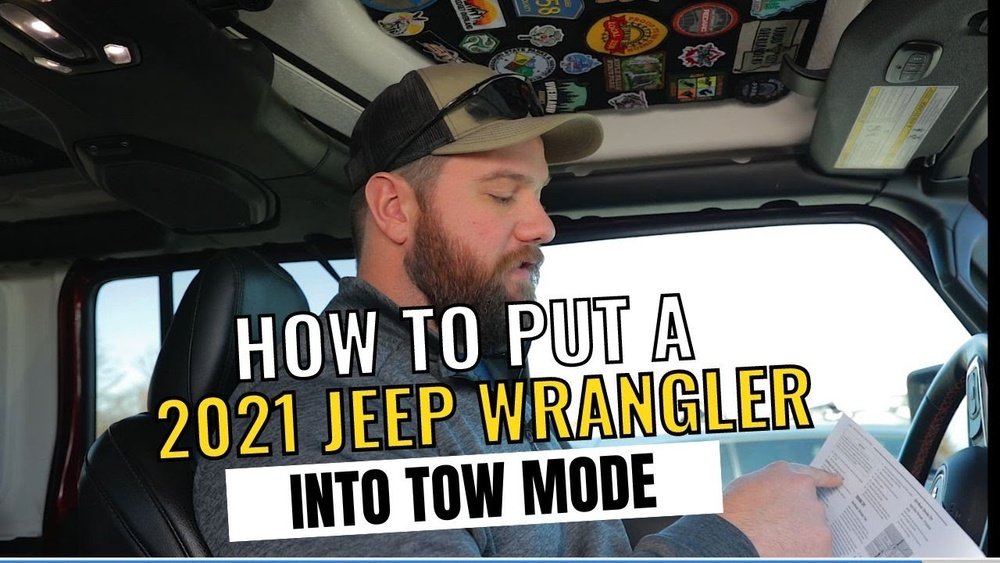
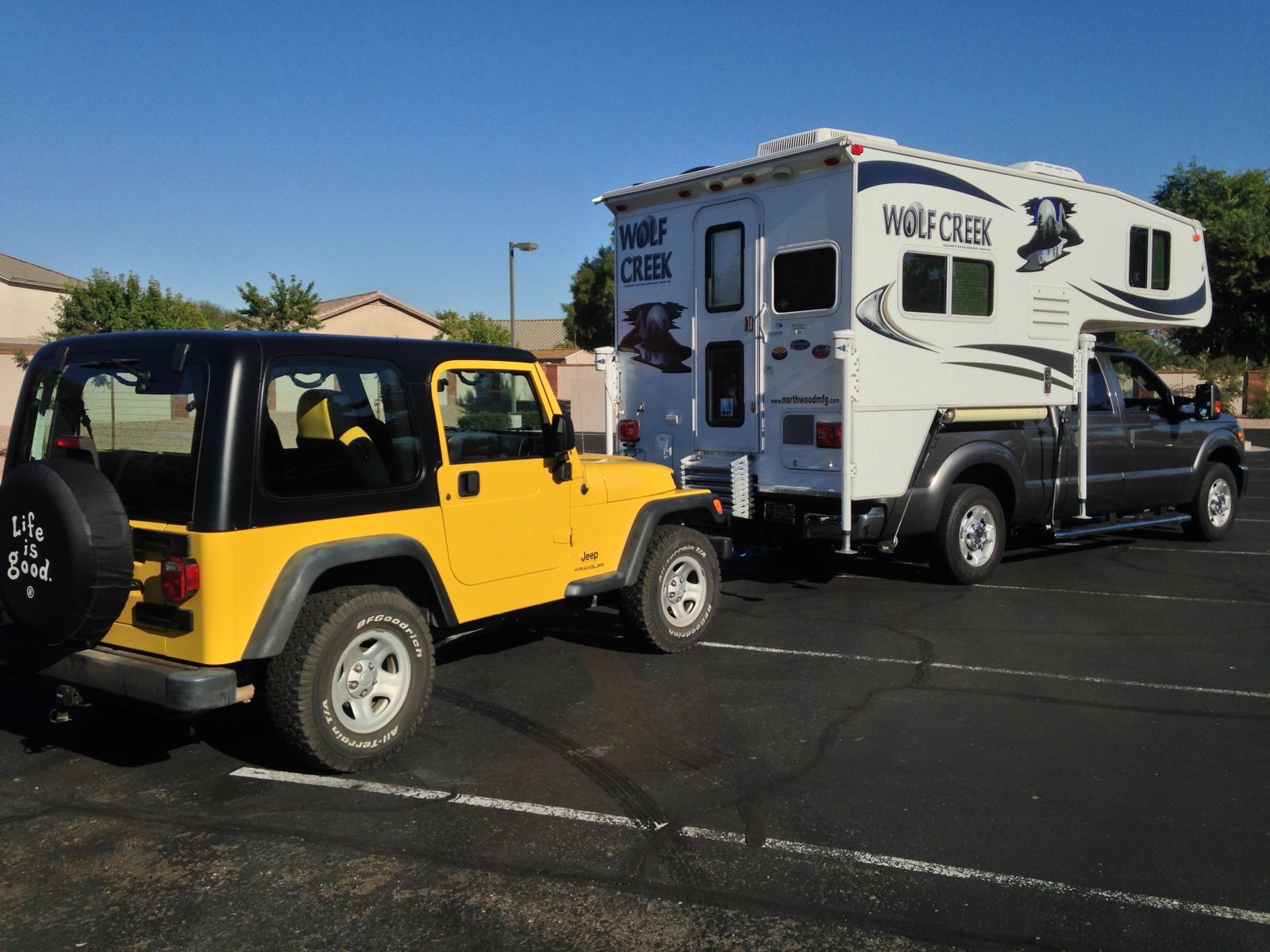
People often look for a “tow mode” button in their Jeep Wrangler, like they might find in other trucks or SUVs. However, Wranglers do not have a specific “tow mode” switch. Instead, tow mode for a Wrangler means setting the transmission, transfer case, and systems correctly for the type of towing you want to do. Most commonly, this means preparing the vehicle for flat towing (all four wheels on the ground) behind another vehicle, like a motorhome.
For Wranglers, “tow mode” involves:
- Putting the transfer case in Neutral (N)
- Ensuring the transmission is in Park (automatic) or in gear (manual)
- Setting up your braking and lighting systems for towing
Understanding this difference prevents confusion and helps you avoid trying to find a button that doesn’t exist.
Types Of Towing For Jeep Wrangler
Knowing the type of towing you want to do will change how you prepare your Jeep. There are two main ways people tow a Wrangler:
- Flat Towing (Dinghy Towing): All four wheels on the ground, often behind an RV. This is popular because Wranglers are designed for it.
- Trailer Towing: The Wrangler is on a trailer or tow dolly, with none or only two wheels on the ground.
This guide focuses on flat towing, since this is where special setup is needed.
Flat Towing Vs. Trailer Towing: Quick Comparison
| Feature | Flat Towing | Trailer Towing |
|---|---|---|
| Wheels on Ground | All 4 | 0 or 2 |
| Equipment Needed | Tow bar, base plate, wiring kit | Trailer, tie-downs |
| Legal in All States? | Check local laws | Usually yes |
| Jeep Setup Complexity | High | Low |
Which Jeep Wrangler Models Can Be Flat Towed?
Not every vehicle is built for flat towing, but most Jeep Wranglers are. Here’s what you need to know:
- Wrangler YJ, TJ, JK, JL (1987–present): Most trims with part-time 4WD and a transfer case can be flat towed.
- 2WD Wranglers: Not recommended for flat towing. Doing so can damage the drivetrain.
- Automatic and Manual Transmissions: Both can be flat towed, but the transfer case must be put in Neutral.
Always check your owner’s manual for model-specific instructions. Some newer models may have electronic features or security systems that require special steps.
Preparing Your Jeep Wrangler For Tow Mode
Before you start moving levers, get your Jeep and equipment ready:
- Check the Owner’s Manual: Each model year may have small differences.
- Inspect the Tow Bar and Base Plate: Make sure all hardware is rated for your Wrangler’s weight (usually 3,800–4,500 lbs).
- Install Safety Chains and Wiring: Most states require safety chains and brake/turn signal wiring.
- Test Your Braking System: Many states require a supplemental braking system for the towed vehicle.
- Check Tire Pressure: Proper inflation helps avoid sway and uneven tire wear.
Pro tip: Always keep a printed copy of your Jeep’s flat towing instructions in your glove compartment. If you ever forget a step, you’ll have them handy.
Step-by-step: How To Put A Jeep Wrangler In Tow Mode
Follow these steps to properly set your Wrangler for flat towing. If you skip a step, you could damage your transmission or transfer case.
For Automatic Transmission Models
- Stop the Jeep and Set the Parking Brake.
- Start the Engine and Keep Your Foot on the Brake.
- Shift the Transmission to Neutral (N).
- Shift the Transfer Case Lever to Neutral (N).
- The transfer case lever is usually next to the gear shifter.
- You may need to press down and pull firmly.
- Shift the Transmission to Park (P).
- This locks the transmission, but with the transfer case in Neutral, the wheels can spin freely.
- Turn Off the Engine.
- Release the Parking Brake.
- Double-Check: Rock the Jeep gently to ensure it rolls freely.
- Attach Tow Bar, Safety Chains, and Wiring.
For Manual Transmission Models
- Stop the Jeep and Set the Parking Brake.
- Depress the Clutch and Start the Engine.
- Shift Transmission to Neutral.
- Shift Transfer Case to Neutral (N).
- Release Clutch (Jeep stays in Neutral).
- Turn Off the Engine.
- Release Parking Brake.
- Test for Free Movement.
- Connect Tow Equipment.
Important: Never tow your Wrangler with the transfer case in 2H, 4H, or 4L. This can cause severe damage.
Common Mistakes To Avoid
Even experienced Jeep owners make errors when getting ready for towing. Watch out for these:
- Forgetting to put the transfer case in Neutral: This can destroy your transmission in minutes.
- Leaving the transmission in gear (manual) or Neutral (automatic): Always follow the sequence for your transmission type.
- Not double-checking the tow bar and safety chains: Always inspect connections before driving.
- Ignoring the battery: On long trips, the battery can drain if you leave the key in the “accessory” position. Some people install a battery disconnect switch to solve this.
- Not using a supplemental braking system: Many states require this for vehicles over 3,000 lbs.
Special Considerations For Newer Jeep Wranglers
If you have a recent Jeep Wrangler (JL series, 2018+), you may notice new electronic features. For example, some models have electronic steering locks or push-button start. Here’s what to pay attention to:
- Steering Wheel Lock: Some models require the key to be in the “unlock” position, even when off, to keep the steering unlocked during towing.
- Push-Button Start: Follow the manual’s instructions for shifting the transfer case. You may need to press the brake and hold the start button without starting the engine.
- Electronic Parking Brake: Make sure it is fully released before towing.
Always check the most up-to-date instructions for your model year.
Towing Equipment: What You Really Need
Setting up your Wrangler for safe flat towing means having the right gear. Here’s what’s essential:
| Equipment | Purpose | Estimated Cost |
|---|---|---|
| Tow Bar | Connects Jeep to tow vehicle | $300–$800 |
| Base Plate Kit | Attaches tow bar to Jeep frame | $400–$700 |
| Safety Chains | Backup in case tow bar fails | $30–$80 |
| Wiring Kit | Links Jeep lights to tow vehicle | $100–$250 |
| Supplemental Braking System | Adds brakes to Jeep during tow | $400–$1200 |
Non-obvious insight: Don’t buy used base plates unless you’re sure they fit your exact model and year. Mounting points can change between generations.
Practical Tips For Towing Your Jeep Wrangler
- Check All Connections: Before every trip, inspect the tow bar, chains, and wiring.
- Practice Turning and Braking: Your stopping distance will be longer. Do a test run in a safe area.
- Monitor Tire Wear: Flat towing can wear tires unevenly if alignment is off.
- Don’t Forget the Mirrors: Make sure you have wide enough mirrors on your tow vehicle to see around the Jeep.
- Use a Tire Pressure Monitoring System (TPMS): Some modern Wranglers have TPMS sensors that may need to be recalibrated after towing.
Experienced tip: Carry a small tool kit and spare fuses. If your lights or brakes stop working, you’ll want to be able to troubleshoot quickly.
Safety Checks Before You Tow
Towing a Wrangler safely means never skipping the final checks:
- Verify all pins and clips on the tow bar are secure
- Check that the transfer case is still in Neutral
- Make sure the steering wheel moves freely
- Confirm brake and turn signals work on the Jeep
- Inspect tire condition and pressure
A pre-tow walk-around takes five minutes but can save you hours of frustration on the road.
When You Arrive: How To Take Your Jeep Out Of Tow Mode
After you reach your destination, it’s important to return your Jeep to normal driving mode:
- Park the Jeep and set the parking brake.
- Disconnect the tow bar and safety chains.
- For automatic transmission: With your foot on the brake, shift the transmission to Neutral, then move the transfer case out of Neutral (to 2H or 4H). Shift the transmission to Park.
- For manual transmission: Depress the clutch, shift the transfer case out of Neutral, put transmission in Neutral.
- Start the engine and check for warning lights.
- Test drive slowly to ensure normal operation.
Pro tip: If you hear any grinding or feel resistance, stop and recheck your settings before driving further.
Additional Resources
If you want to see the official flat towing procedures, you can visit the Jeep Official Flat Towing Guide.
Frequently Asked Questions
How Fast Can I Flat Tow A Jeep Wrangler?
Most manufacturers recommend not exceeding 65 mph when flat towing your Wrangler. Going faster can lead to sway or loss of control, especially with heavy loads.
Is It Safe To Tow A Jeep Wrangler Long Distances?
Yes, if set up correctly. Many RV owners tow their Wranglers for thousands of miles each year.
Just be sure to follow all steps for putting the transfer case in Neutral, check equipment, and inspect tires regularly.
Do I Need A Special Transmission Fluid For Flat Towing?
No special fluid is needed for most Wranglers, but regular maintenance is important. Always check your owner’s manual for any model-specific recommendations.
Can I Flat Tow My Wrangler With A Soft Top Or Hard Top?
Both soft top and hard top Wranglers can be flat towed. The top material does not affect the towing process. Just make sure all windows and the top are securely closed to prevent wind damage.
What Happens If I Forget To Put The Transfer Case In Neutral?
If you fail to put the transfer case in Neutral, you risk severe transmission and transfer case damage. This mistake can cost thousands in repairs and is not covered under most warranties. Always double-check before starting your trip.
Getting your Jeep Wrangler into proper tow mode is not difficult, but it does require careful, step-by-step work. With a little practice and attention to detail, you can tow safely, protect your vehicle, and enjoy your adventures without worry.
Stay safe and happy travels!